1 free read left. Create a free account for unlimited reading + AI research.
Create free accountWhitepaper DiGRA
1 free read left. Create a free account for unlimited reading + AI research.
Create free accountWhitepaperDiGRA
The paper's key empirical reference reports that 97% of analyzed video games misrepresent mental health issues. Those portrayals associate them with insanity, danger, and violence.
This document explores the inherent tension between documentary fidelity and creative freedom in media representations, particularly concerning marginalized groups like neuroatypical individuals and those with mental health conditions. It argues that media actively constructs reality, influencing social beliefs and norms. While accurate depictions, often developed with expert collaboration, can dismantle stigma and foster empathy, a significant issue exists: 97% of video games analyzed misrepresent mental health issues, frequently associating them with insanity, danger, and violence, thereby reinforcing harmful stereotypes.
The analysis also highlights the "tyranny of realism," where pressures for factual accuracy can restrict artistic expression and limit transformative narratives. It suggests that players are active interpreters capable of engaging with poetic and metaphorical representations, which can offer deeper insights than purely literal ones. Examples like Fran Bow demonstrate how fantastical elements can effectively explore trauma and mental illness through metaphor, drawing on creators' lived experiences.
The document raises critical questions about creators' responsibilities regarding the social implications of their representations, especially in interactive mediums like video games. It notes that horror and survival genres often sensationalize mental illness, portraying psychiatric patients as violent and psychopathic, reinforcing reductionist and ableist views under the guise of artistic license. Conversely, games like Hellblade: Senua's Sacrifice offer well-researched, empathetic portrayals developed with clinical consultation.
Ultimately, the work advocates for an integrative approach that balances realism and imagination. It emphasizes the need for creators to construct narratives that are both educational and imaginative, challenging preconceptions and fostering deeper engagement with human diversity. This involves trusting audiences to interpret symbolic narratives and holding creators accountable when fiction perpetuates exclusionary or oppressive tropes, positioning media as a transformative force for inclusive understanding.
 Hellblade: Senua's SacrificeGame · Ninja Theory · 2017 · 26 documents
 Manhunt 2Game · Rockstar Toronto · 2007 · 3 documents
 OutlastGame · Red Barrels · 2013 · 3 documents
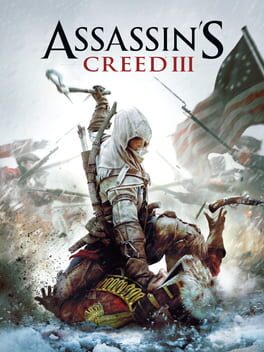 Assassin's Creed IIIGame · Ubisoft Montreal · 2012 · 8 documents
 Alice: Madness ReturnsGame · Spicy Horse Games · 2011 · 4 documents
 Overwatch 2Game · Blizzard Entertainment · 2023 · 96 documents
 Electronic ArtsCompany · United States · founded 1982 · 474 documents
Each row is a game or company this document names, each column a document, oldest first. A mark means that document names it. Select a row to see those documents.
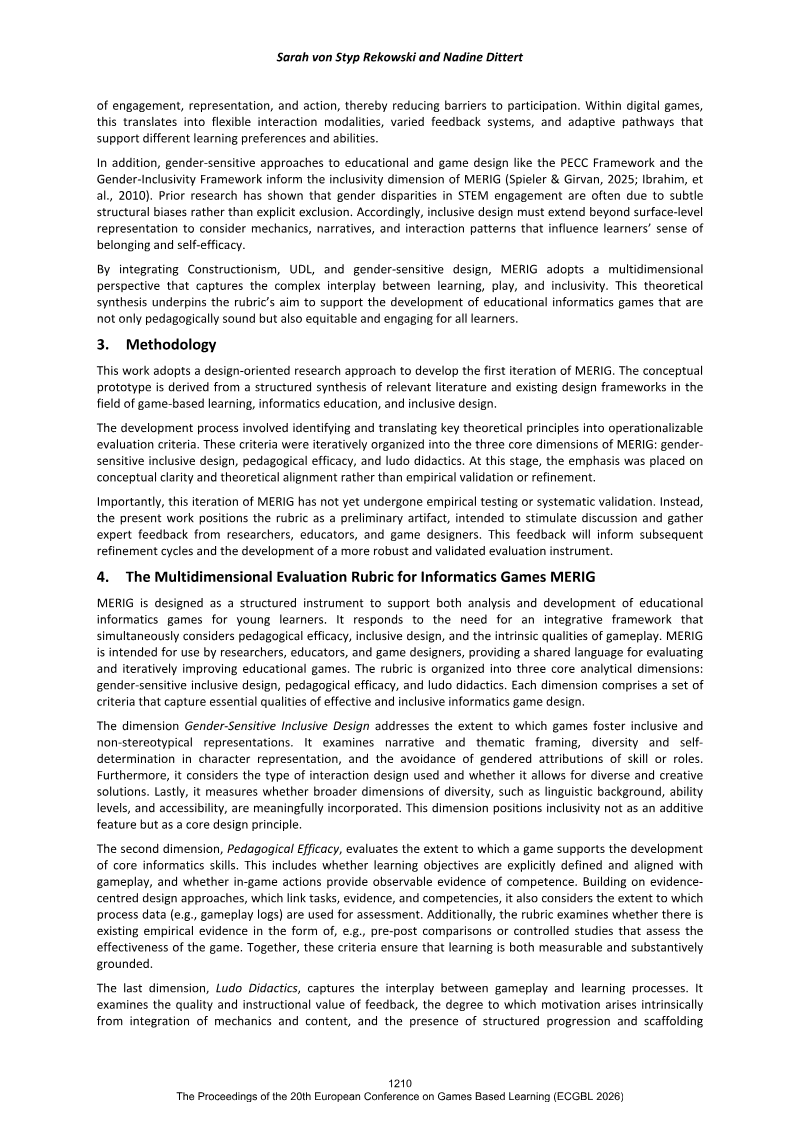
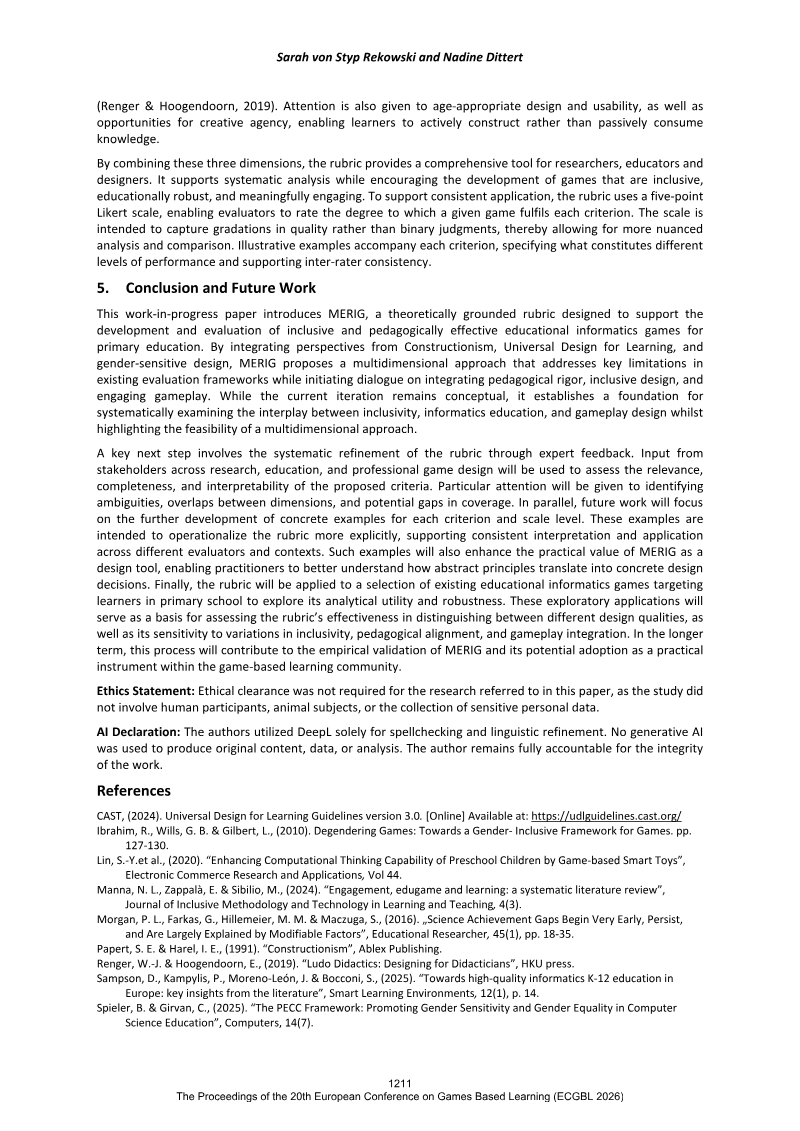
European Conference on Games Based Learning (ECGBL) · 2026
European Conference on Games Based Learning (ECGBL) · 2026
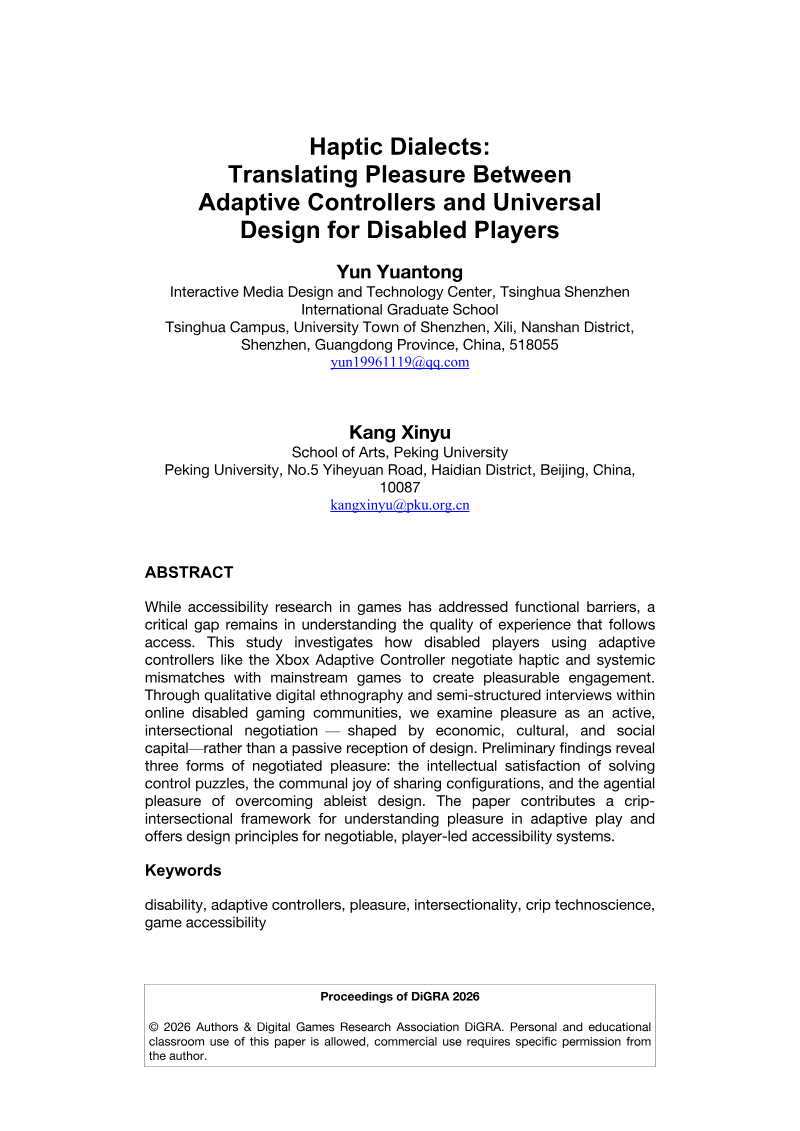
DiGRA · 2026
European Conference on Games Based Learning (ECGBL) · 2026