Age of Empires III
Game
3 documents in the library are about Age of Empires III, from writers such as DiGRA, Eludamos: Journal for Computer Game Culture and European Conference on Games Based Learning (ECGBL). Each has a summary and key insights with the page they come from.
Connections
Each row is a game or company named alongside Age of Empires III, each column a document, oldest first. A mark means that document names it. Select a row to see those documents.
Documents about Age of Empires III
Ganking the Ranking: The Self-Reported Learning Potential from a Selection of Game Genres to Develop Self-Directed Learning
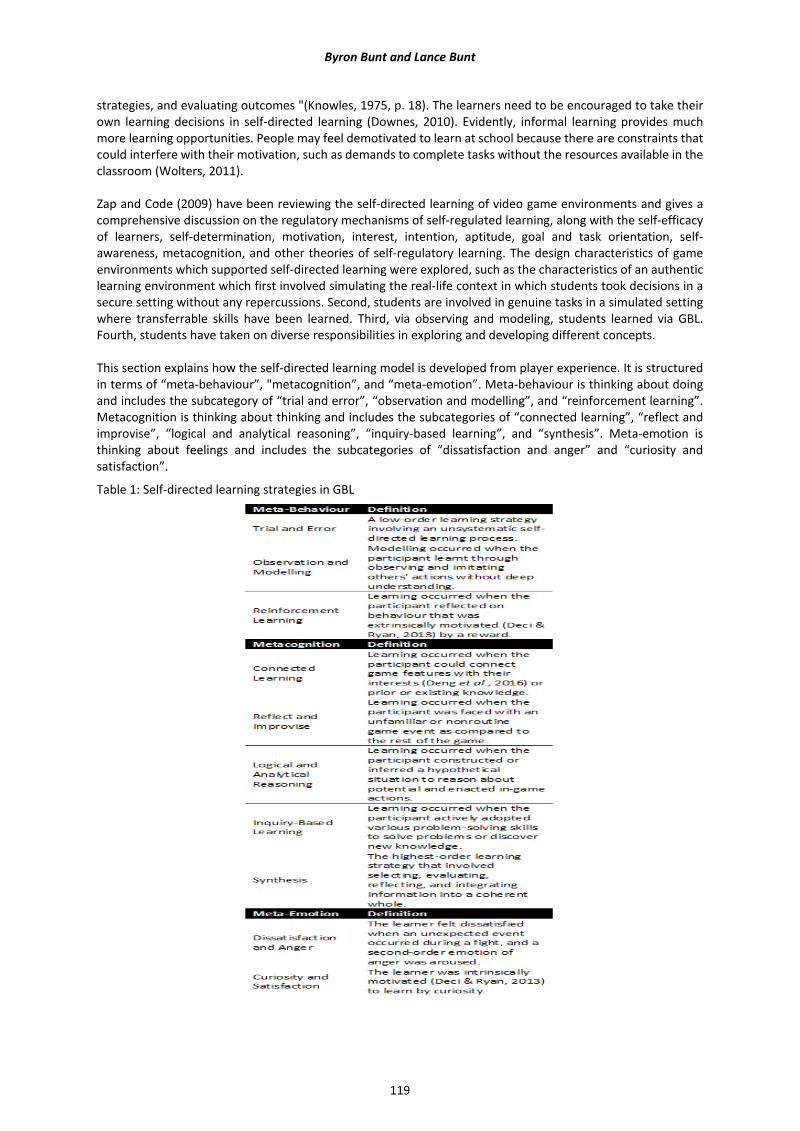
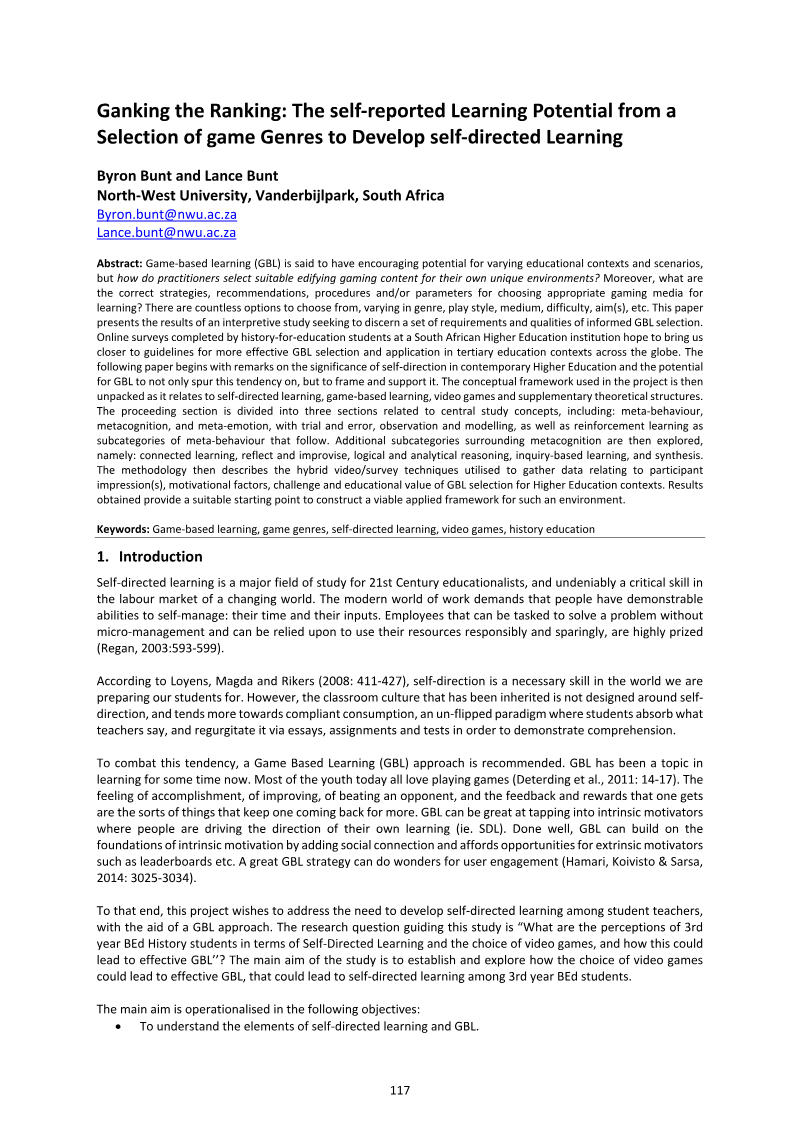
This study examines how third-year Bachelor of Education history students perceive six video games as tools for game-based learning (GBL) and self-directed learning (SDL), framing self-direction as a critical 21st-century skill that games might cultivate.
- Only 24 of 80 invited students completed the survey (a 30% completion rate), so findings rest on a small, self-selected sample from one North-West University cohort of third-year Bachelor of Education history students, limiting generalisability to South African pre-service history education.
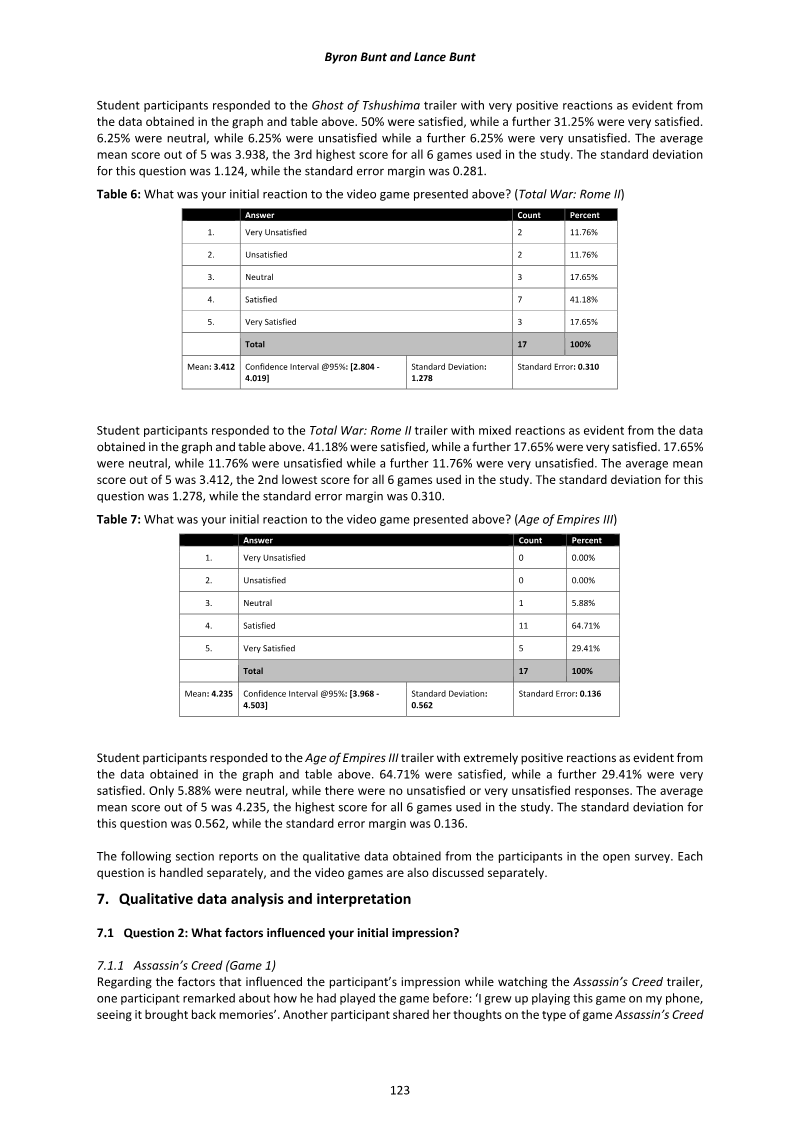
- Participants rated Age of Empires III highest (mean satisfaction 4.235 out of 5), followed by Assassin's Creed (4.111), while Total War: Rome II (3.412) and Valiant Hearts: The Great War (3.292) drew more mixed reactions, with Valiant Hearts scoring lowest overall.
- Initial impressions were driven by nostalgia, genre preference, historical setting, storytelling approach, emotional response, and familiarity with the depicted content, and the authors caution that positive first reactions alone do not demonstrate a game's educational suitability.
Signifying the West: Colonialist Design in Age of Empires III: The WarChiefs
Dillon's 2008 analysis in Eludamos argues that Age of Empires III: The WarChiefs embeds a colonialist, Western design logic that persists even when players take the side of Native characters.
- Dillon's 2008 Eludamos analysis argues that Age of Empires III: The WarChiefs embeds colonialist, Western design logic that persists even when players side with Native characters.
- The critique holds that core RTS mechanics of resource extraction, territorial expansion, and conquest treat land as ownable territory and unmapped land as effectively nonexistent, misrepresenting Indigenous relationships to land, time, and community.
- Native-faction features such as Fire Pit dances and a trade-based economy are constrained by gold-based progression and conquest, which the author views as incompatible with Indigenous principles of reciprocity with nature.
Controversies: Historicising the Computer Game
"Controversies: Historicising the Computer Game" examines the tensions that arise when video games represent real history, arguing that such representation is inherently problematic and frequently contested.
- The report argues that representing real history in games is inherently contested, and that games cannot faithfully reproduce the past but can convey the atmosphere and flavor of historical periods, with developers bearing an ethical responsibility when they use real events.
- Historical games warrant heavier scrutiny than other genres precisely because they engage with real events, and simplistic treatments risk reinforcing jingoistic mythologies.
- Exclusions carry political weight: Sid Meier's Colonization omits slavery and genocide mechanics, Call of Duty frequently dehumanizes its enemies, and Age of Empires III shifted its depiction of Native Americans from cautious neutrality to deliberate inversion in its expansion.