ArticleThe Game Business
Xbox, Amazon and Netflix Try to Make Game Streaming Relevant
27 Jul 20261 pages~6 min full read
Key insights
8 slides
The context
Major firms are re-evaluating game streaming as a viable model.
Xbox, Amazon, and Netflix are integrating streaming services into existing consumer ecosystems. This effort aims to address stagnant growth and rising hardware costs.
The problem
Rising hardware costs threaten to alienate a broader consumer base.
Economic pressure on console and PC markets is increasing. The rising cost of hardware components makes traditional hardware less affordable for consumers.
Xbox's test
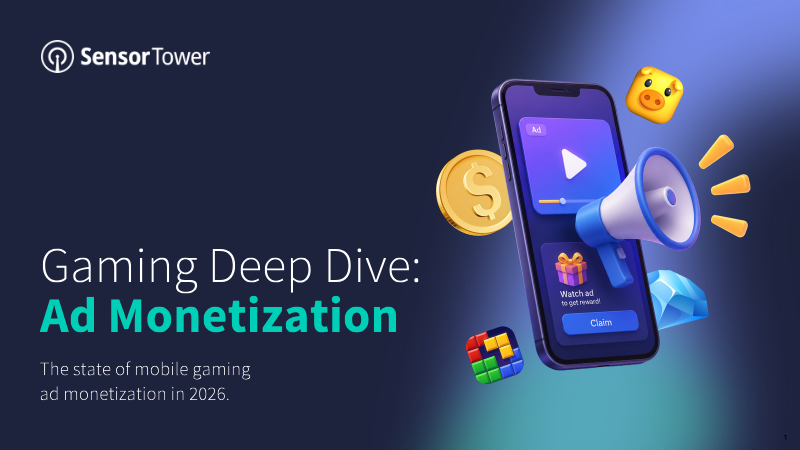
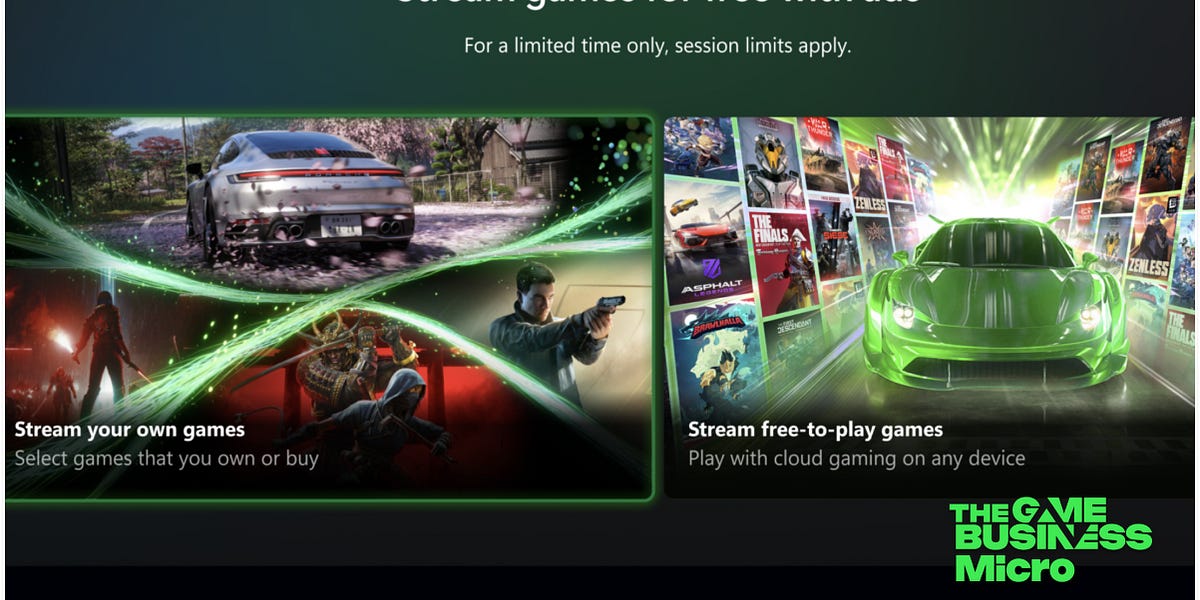
Xbox is testing an ad-supported model for its cloud gaming service.
The test allows users to stream titles from their library for free. It features two-minute pre-roll ads and hourly breaks, with sessions capped at one hour.
Ad-supported access. Xbox is experimenting with a new ad-supported game streaming model for Xbox Insiders.
Amazon's move
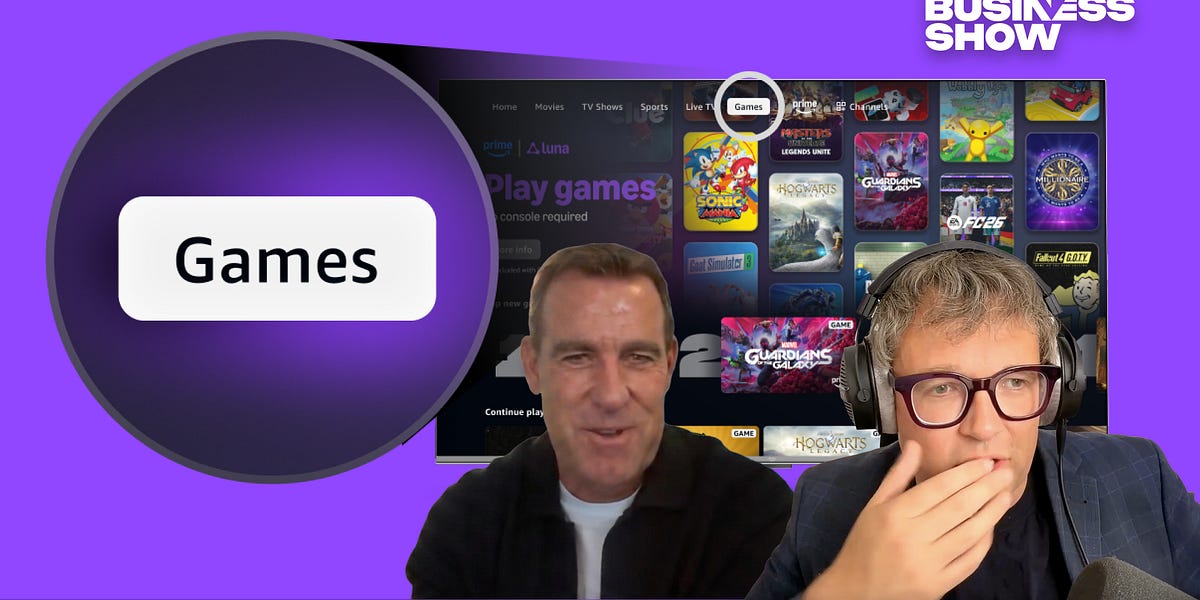
Amazon integrated Luna directly into the Prime Video application.
This integration enables Prime members to stream games through the video platform. It expands the accessibility of the Luna platform.
Prime Video integration. Amazon has integrated its Luna game streaming service directly into the Prime Video app.
Netflix's portfolio
Netflix continues to build its gaming portfolio with new titles.
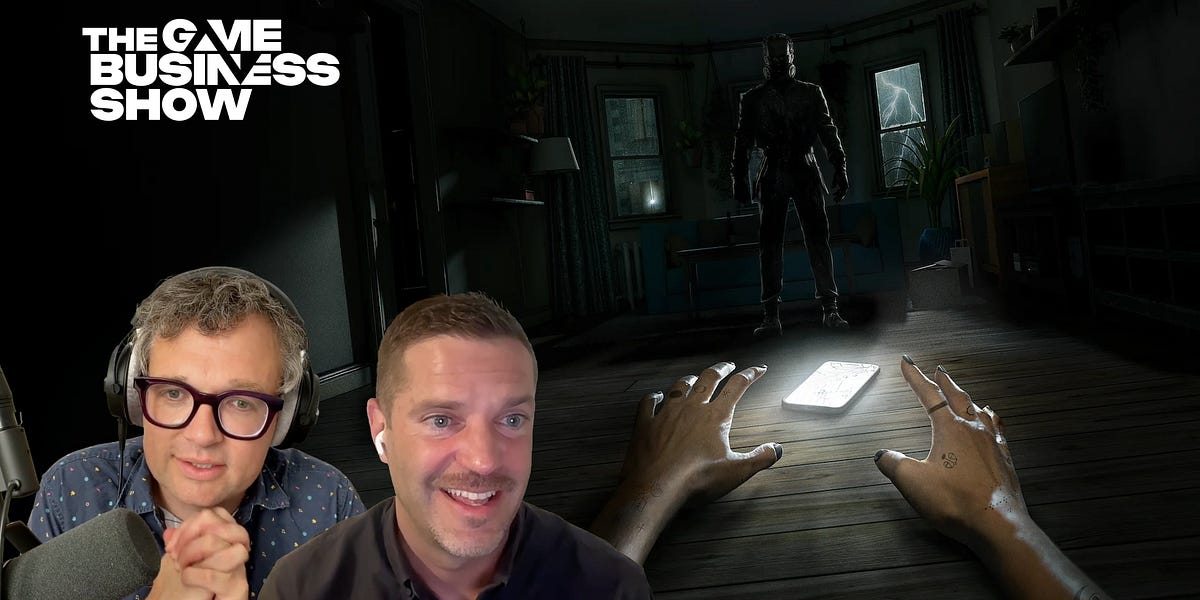
The company has launched the horror story game Unhinged and a FIFA World Cup game.
New titles. Netflix has launched two significant streaming games: Unhinged and a FIFA World Cup game.
The consensus
Technological delivery methods alone are insufficient to drive widespread adoption.
The industry consensus is that high-quality, compelling content is required. The long-term success of game streaming hinges on the availability of hit software.
The primary driver
Attracting and retaining players through hit software drives industry growth.
While companies attempt to lower the barrier to entry, the fundamental challenge remains. Attracting and retaining players through hit software is the primary driver of industry growth.
A specific delay
Amazon's 'Tomb Raider Catalyst' is now scheduled for launch in 2028.
This is a delay from its previously announced 2027 release. The delay may be due to the 'Tomb Raider remake' being delayed to 2027.
1 / 8
Ask AI about this report