ArticleThe Game Business
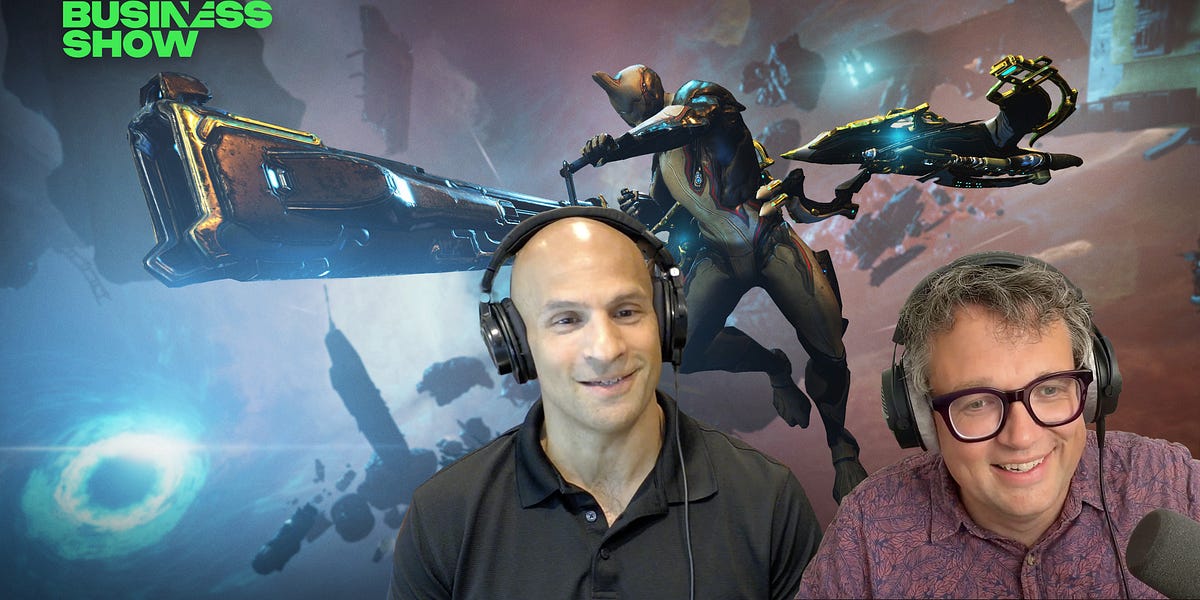
Destiny’s Biggest Rival Warframe Has Had ‘Two Years of Massive Growth’
28 Jul 20261 pages~38 min full read
Warframe has entered a period of unprecedented expansion, defying industry expectations that the title had already reached its maturity. Over the past two years, the game has achieved significant growth across all major platforms, including a successful recent entry into the mobile market via Android. This sustained momentum demonstrates the viability of a long-term live-service model that prioritizes iterative updates and consistent engagement over traditional release cycles.
The core driver of this success is a trust-based development philosophy that emphasizes transparent communication and deep integration of community feedback into the design process. By fostering a collaborative relationship with the player base, the studio has maintained high retention rates and steady growth. This operational stability has provided the necessary resources to expand the studio’s portfolio without compromising the quality or support of its flagship title.
Looking forward, the studio is applying these same development principles to its upcoming project, Soulframe. The strategic objective is to manage both titles as distinct, thriving live-service ecosystems that cater to separate sci-fi and fantasy audiences. By maintaining a lean development model and avoiding the pitfalls of over-extension, the company aims to solidify its position in the industry while ensuring that both Warframe and its successor remain sustainable, long-term hobbies for their respective communities.

The Game Business · 2026

The Game Business · 2026
The Game Business · 2026

The Game Business · 2026

The Game Business · 2026

The Game Business · 2026

The Game Business · 2026

The Game Business · 2026

The Game Business · 2026

The Game Business · 2026

The Game Business · 2026

The Game Business · 2026
Frontier Developments
GungHo Online Entertainment

Ubisoft · 2026
Newzoo · 2026
Newzoo · 2026
Aream & Co · 2026
Epyllion · 2026
Aream & Co · 2025
Newzoo · 2025
Aream & Co · 2025
Epyllion · 2025

Sensor Tower · 2025