VideoDeconstructor of Fun
Questions Istanbul Founders Stopped Asking I Akin Babayigit, Arcadia Gaming Partners
7 Sept 202674 min video
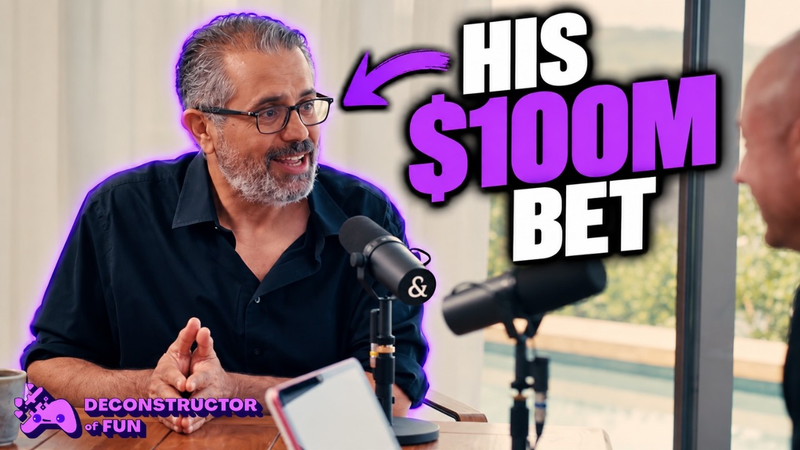
[music] McKenzie, United Nations, Skype, Rocket Internet for two months, Facebook, Triple. Arcadia, uh, Akin, seems like you can't hold a job.
I can't hold a job, man. I'm un unemployable, you know. Um, but no, it's great to be here, man. It's like I listen to you religiously all the time. No, really. It's great. Um, you are actually a force of nature in Turkey. people listen to your podcast all the time and like you know exchange notes. So it's great to be here.
Yeah. Friend of the Turks.
Friend of the Turks. Let's let's uh ruffle some feathers, right? It's going to be a juicy podcast.
Tell like normally I would like to jump in right into talking about Turkish ecosystem and we will I want to talk about Arcadia. I want to talk about where are you investing now? Where you investing in the future? What are you seeing?
But I have to talk first about you because you are a living legend in Turkey. They whisper your name.
Oh my [laughter] god. And and I want to just understand like your career background like how did you
work at all these companies? I know you left Turkey when you were 16.
Yes.
Never came back ever since.
You're visiting you've deployed about probably 80 million
dollars into system. Yeah. That's right.
So tell me about like United Nations, Skype, Rocket Internet, like triple dot, wherever you want to start.
So actually, you know, I was born in Ankara and I left Turkey when I was 16. First of all, I'm old. That's why I have all these job titles and all this stuff, but I've been around a while. Um, I left Turkey when I was 16, moved to the States, did high school in the US, did undergrad, you know, met my wife, she went to Yale, I followed her there. Um, and then as with most people that have no idea what they want to do with their life. Uh, you know, I joined a consulting firm which happened to be Mckenzie.
Um, absolutely hated it. Didn't do well there. Like just completely, you know, did not enjoy it. But it taught me a lot. And I then joined the United Nations. I really liked it. But you know, United Nations doesn't exactly pay well, right? So realized I'm not going to make money and die a poor man. So I
decided, okay, what do I want to do now? I want to learn. I want to learn more about business and I want to learn more about like the real world. Again, not having any idea, I applied to business school. Got into business school. Went there for two years and I actually learned a lot about like what different types of people do and what energized me. So, it's like business school is a like two-year break for me. Um, different people have different reactions. For me, it allowed me to look inside and just say like what do I want to dedicate my career to? And the answer was actually tech. I really like working in high-tech. I work in I like working in startups. I discovered that in in business school. Um, and my first job out of business school was Skype. So, I moved to the Bay Area. Uh, I lived there for two years. Absolutely loved it. Um, and you know, my wife got pregnant at the time, so I had to move from the Bay Area to Boston and you know, it was a transition and my wife had to leave the US because she was on this J1 visa that you know, after your education is done,
you have to leave.
So then we said, well, where do we go? And we had this crazy idea of like, let's go to Turkey. And my wife is not from Turkey. She's from Cypress. So we said, you know, let's try it out. And I said, well, let's let's see. And
that's a big change from Boston to Cypress.
It's a big change. It's a big big change. So um and then you know this is kind of how I ended up with Rocket Internet helping them set up the Turkish operations as you said that was a very short stint but what actually served me in that stint was it brought me to you know very closer with the top Turkish talent at that time using the Rocket brand I was able to you know bring all those incredible people to rocket. So there is a rocket internet mafia today in Turkey. Sona is from Rocket Internet. Ardam who runs Strangul is from Rocket Internet. Halan who runs bigger is from Rocket Internet. Then there's like you know there's so many examples like that. Um so it was a it was a phenomenal experience. Uh it lasted very short
[laughter] and then I met this incredible guy called Sedar
and to call Sedar an incredible guy is just an understatement right. He is a you know he's a visionary guy. we all you know came from his pocket in a way like we all he taught us a lot you know
um but you know Sedar is also a very demanding guy and he wanted me to live in Turkey and I just I realized I don't want to live in Turkey at the time with a wife who you know is not from Turkey and so I stayed as an adviser to Peak uh I'd like to think I helped them quite a lot over the years and but then I ended up going to London with Facebook
u and I was at Facebook for about five years. Initially, I was leading the games partnerships team in Europe. Um, spent, you know, you know, I had a, it's funny because I had a Turkish passport and I traveled 15 times to Russia and Ukraine and 15 times to Israel and a few times to China. So, like when I go to the US, they were like, what are you kind of thing? Um, and you know, I love
that. And then when we launched audience network in Facebook, I was actually one of the people that launched that. Uh, and that's when I realized, okay, like, you know, this is actually a fantastic opportunity to people still underappreciated games back in the day, but I realized how, um, great business games can be. So,
um, I then went to I wanted to launch my own gaming company, but I had this kind of thing is like I never worked in a gaming company. You feel unready for the world. So,
I said, okay, I'm gonna go work at a gaming company. And I joined King and it was great but you know it wasn't my company and you know it King was already a big company at the time.
Which year was this?
2016 I joined
like a Farm Hero Saga.
Farm Hero Saga. Near was there running the London studio. I worked for Humam who's a lovely lovely friend of mine. Uh Ricardo who's just talking about he's fantastic person. Um and you know after King I you know and it was great the one
year but I was ready to do my own thing. Uh, and then I met my co-founder, Leor. Uh, who's just I mean I love this guy so much. He's like, you know, the guy who you want to have on your side when the bad days happen. This Leor and and also AL. Al is our third co-founder. So the three of us, we started Triple Dots. And you know, the idea was very simple. We said,
you know, we're not gamers, we're business people at heart. Al is a gamer, but Leor and I are more kind of analytics business focused people. and we said we're not emotional about the type of games we're going to build. We just know how to look at data. You know, I obviously come from a you know admonetization background. So that was like the initial kind of splitting up of the work and then we we got off off the ground and uh and yeah and so Triple Dot happened. We grew that business quite a lot.
Um and then most people may not know we spun out another business from Triple Dot called Luna Labs
uh which was a phenomenal success story. sold it to Iron Source in a couple years and then I started to, you know, started
out trying to help my friends actually. It sounds like self-perpetuating VCBS, but it's actually true. Like, you know, the investment I didn't ch, you know, I didn't necessarily say I'm going to invest in games. I lost a bunch of money investing in things I had no idea investing in. And then I said, well, the only thing I have even a little bit information as symmetry is gaming, right? because I know the founders, I know the teams, I know the business a little bit. Um, and you know, the first real opportunity I had to partner with a company was Dream and you know that was obviously very successful. Got involved with Graham, stayed as an adviser to Peak.
Um, good job Spike. There's, you know, a lot of other companies like that,
uh, that I backed.
Loom games.
Loom games is obviously, I mean, what a story that is you can talk about. My god, there's I mean this and again we will talk about this a lot but this is why you know I am fascinated with the gaming business because every year people declare the end of games right I mean you've been in it for a while
I've been in a room where you declare
the end of games
yeah we'll talk about that [laughter] right yeah um so I think every year literally we say gaming is dead right and every year there's something new in 2014 people were saying it's too late to do a match three game because you know king is eating the world. Then Playick's brothers came along, then Peak Games came along, then Dream came along, you know.
Um, and this is just within one category. And and Loom just showed the world that you can be an eight person team based in Istanbul and you can, you know, be a unicorn in two months.
In two months,
three, whatever. Let's give them four.
Insane. And and Cubra and Emry, credit to them, are just exceptional people. Uh, exceptional exceptional people.
Um, and yeah, that's the attractive part of gaming. So there's a lot of things where we go from here. First of all, it's interesting that many people would go to find themselves on a yoga retreat. You go to get an MBA to find yourselves.
Uh okay, that's another way to find your uh Sedar. That's an interesting topic because
I've never met Sedar.
I've been in Istanbul a bunch of times, organized, whatever close to the ecosystem. And Sedar is a legend. He
is.
He's never seen. He's a shadow that walks behind everybody who's a founder. And you don't have to work at peak to have the shadow of Sedar. Um and then there's a games business. But let's start with Sedar. Who is Sedar and how has she he shaped the ecosystem of of Istanbul?
Um Sedar in Turkish we say we can't explain it. You have to live it. So Sedar actually embodies that right. But I can give you some tidbits just to give insight into his personality. So
he's a very dear friend of mine. He is a true visionary in the truest sense of the word. So he is a guy who, you know, declared, you know, thumping on the table. He was saying, "I'm going to build the next Google out of Istanbul." And people literally thought he was insane, right? Because, you know, back then it was just something that you don't [snorts] say. You know, his English is now perfect, but back then it was just kind of okay. So you know
people looked at him and say you know who and also let's give credit to also you know Reena and some of the other folks that were there
hakan and you know and many other people right sonara and ardam and all those guys who built peak into what it is
but Sedar's real kind of thing was he was a true visionary he made people believe he made people feel special he was very very intense he used to live in the office so this kind of like work ethic that Turks are actually famous for was embodied by Sedar he was also also, you know, phenomenally unorganized and untidy, like a true genius in a way, right? So, he would just kind of come in and make you feel very special, but and you know, he would say 10 things, but one of them would be like an insight that you never actually thought. And he was very endearing and he was funny. He was a funny guy,
you know, to be not dead. Listen,
he still is. Yeah. Yeah. So, I haven't seen him in a while, so that's why. But
could be not funny anymore.
Could be not funny. last time it was
but but you know that level of you know
every ecosystem starts with a visionary right there has to be someone you know doing the digging on the gold rush
right and Sedar was that guy right
it's like Ilka for
Ilka Ilka for Finland and I would argue maybe even and I love Ilka but like you know there was you know other gaming companies in
Finland right there were other success stories in Finland but like truly to have a gaming company at that scale from Turkey is pretty hard to do so Sedar made everyone around him believe and he wouldn't just give you love and attention if you were working for peak.
Yeah.
He was like really trying to create an ecosystem.
Oh, that's so that's interesting. Like the two ways here. So one is like it's interesting that he has such a big effect on the ecosystem still.
Yeah.
Despite not being visible in the ecosystem, I don't think he's investing into these companies. He's not investing. He's not advising. He's not on the boards of them. uh Versila is like writing a blog, investing it actively like he's really transcending his message and his learnings.
Yes.
How do those learnings of Sedar then then stay there if he's not to kind of like re-educate?
This episode is sponsored by Maloco. More than 2 billion daily active users, over 2.8 million independent apps globally. That's the reach Maloco ads unlock for performance marketers who don't want to stop at the usual bold gardens. It's all powered by [music] caro's compound AI system continuously learning from billions of events and getting [music] smarter with every campaign. Hop over the world garden. Check out malokco.com. That's m o [music] lo.com. I think Sedar just showed people what was possible and I don't think that was something that people appreciated right because Sedar you know had this phenomenal success even before the sale people saw you know toy blast tomb blast and even before that
the other games were doing really really well sold to card business to Zingga you
know people were like oh my god I didn't know that was possible so he became kind of this like figurehead and profit and I think his kind of
you know he was so available and he was talking to everyone that you know until he disappeared effectively that people still remember their interaction and he is a truly memorable guy. If you spend five minutes with Sedar, you're going to go home and think, "Oh my god, what just happened?" Because he really is a, you know, crazy guy in the good sense of the word, right? He' just say things like he would just, you know, he would just do the craziest things and that would like be very memorable. And is it like just embody like like one of the things that are is very typical for Turkish companies in my perspective is for example that that cutthroat competition that goes to a point where you don't even join panels with other Turkish companies. you don't even
uh that's one thing uh where you're
talking about each other. That's very
typical of Turkey. Happens a lot.
I know everybody talks but there's
a difference when Turks talk [laughter] Like it's a little bit vicious to be honest.
It is.
And and it's very you know they could be friendly on the top side but then like no not that. And then there's the whole thing of like as we talked multiple times like it's not enough to win. You need to dunk on people. Yes. like like does that come from Sedar's?
Um I'd say no actually. First of all, Sedar obviously won a lot, right? And you know I think
Sedar's unique talent was he would be very disarming uh when he met you. So he would just you know he you wouldn't think he has ego. We all have egos and Sedar has ego as well. But
um Sedar would make you feel very special. So you would almost feel like you know beating up a puppy if you were dunking on Sedar. And he was doing really well also. that doesn't come from Sedar. I think that comes from Turkishness because like we talked about before
if you look at Turkish tech ecosystem
you know it's very Darwinian so what happens is in 2010 this lady who's a very good friend of mine called Demets started this company called Trendol
and became very successful there are other e-commerce companies at the time but Demets became the most successful
up until recently was the most valuable private European tech company which is crazy right
um and then everybody and their mother started an e-commerce company. So you had this like five, seven years where it's like everybody was doing e-commerce and then Sedar did that for gaming and it's just the culture is very competitive and very kind of Darwinian. You see someone that looks like you and then you say if he does it I do it also and the talent is the other aspect. So you know you try to get the best talent to you and it always you know it's I think it's mostly cultural. You know, there's like funny anecdotes that say like, you know, um I used to live in the states for 16 years and there was this like urban myth that two Turkish guys are playing back
gammon
and one of them is undocumented and the other one has a green card and the guy with the green card loses and he reports the other guy to the [laughter] you know so like you know so that is partially in the culture which is a real shame.
That's not a good cultural um
it's it's a real shame and it does exist. It it it is out there. Um, but I think Sedar's superpower was he would transcend that almost like he would just kind of make everyone feel special. Now, if he only had that and if he didn't have any technical skills, it would be just all fluff and, you know, all cheerleader. He was also very smart and his super spike was actually in marketing. He understood marketing prof once told me, "Didar knows the exact same things I know, which from Adam is a huge thing, right?" Um so he was really a um you know technically he was also very sound.
Um so that's why we all kind of and you know he nurtured the right talent. I mean Sonar worked for him for many years and then started dream um and you know that shows you the kind of talent he can nurture.
So there's a lot of like this sort of a pragmatism. Um why why is it then so so so different like actually no the question would be
like why did he leave and didn't kind of stay and push these these good parts of the culture that he he set up do you know
I I you know I have been talking about it feels like he has such a strong
100% 100 it's like if we were talking about AI we'd probably spend a lot of time talking about demis or you know exactly
um or you I honestly don't know. I think we all have our journeys and like Sedar was in a place in time where you know he wanted to build you know he was so ambitious that at at one point he wanted to build like a true AI company in Turkey which at the time this is like you know 2018 19 this sounded pretty crazy again right you know but he does have outside shareholders they expect certain events and you know so I think maybe that's what led him to seek exit and you know the team obviously wanted some exit path way and so on. Um I you would have to ask him but the problem is you probably
won't be able no one can talk to him.
He's a ghost.
He's a ghost. But um
the point is he actually really did a lot for the country and the ecosystem more than we can all really appreciate. So
let's talk about the ecosystem. Yeah.
Uh and games as business.
Yes.
Uh Turkish ecosystem like you have the Grams, the Peaks, the Dreams, the Rolex, the Looms.
Uh those are all very very real exits and very very real company. But at the same time, they're, you know, kind of the same. It's kind of like a one-trick pony like you mentioned in the e-commerce. Like once one does e-commerce, everybody does e-commerce. One does puzzle, everybody does puzzle. Hybrid casual puzzle, but we're still in the puzzle. Like
is this just um an a story of extremely great execution or what is it?
Unless you've been living under a rock, you know this is web store rumbringer. 70% of top apps [music] are using a web store. And the best ones, they're doing it with App Charge. Do you want a $20,000 inapp purchase? Yeah, Appch charge does [music] that. Do you want to pretend that subscriptions are still a
viable monetization strategy for games? [music] Yeah, Appcharge even lets you do that. They get what high average revenue per paying customer means. And they're already doing over [music] half a billion dollars in transactions a year. So, are you going to be the first to do a $20,000 AP? Don't accept microtransactions, embrace macrotransactions. Learn more on appcharge.com. [music]
Yeah. Um, so let's take a step back, which is very, you know, um, a lot of companies now, because I mean, you know this, you write about it, you tweet about it.
A lot of companies that are were started by gaming founders are now like either pivoting into AI applications or there a lot of gaming founders are creating AI applications. If you think about that for a second, the surface area of things you can build on the non-gaming side is huge. You can build, you know, photo editing, you can build utility, you can build healthcare applications, etc.
Um, if you think about just gaming for a second, a lot of gaming companies that
are being built are similar and those names are incredible companies. But you know this is the power of games also because even of all the names that you mentioned like they're all in the similar category but look at how different the games are right like Loom came out with Pixel Flow and you know there's you know I mean it's it's really an innovation on top of execution right
um I used to often say that you know one of the companies I'm very fond of is Wildlife Brazilian studio right why because
look at their games very very different
right they have different business models very different business models and they showed that they can all live under the same business and you know obviously company hasn't necessarily been growing very fast but still I am very fond of the way they operated that because they had a tennis game they had a tank game they had a casual game they had mobile they had a math game they had all these games
that to me is it shows that the surface
area of games can also be very huge now Turkish people they And you know Turkish developers often you know they a look at each other and say if they can do that I can do that too. But often a lot of these companies they work at other companies that were doing those things. So it's what they know.
Yeah.
So it's harder for a guy who used to work at peak to now go and say I'm going to build World of Tanks
right? So they just say okay you know if there is capital available um and if there is you know talent that I can bring and nurture I'm going to build that too. And you know what it works. I mean last year we were saying you know who are going to be the buyers right there's all the in similar vein of conversations were happening and you know loom is the perfect example if you build a unique mechanic that have like incredible like literally I've never seen numbers like that in my life then you will find a home.
Yeah but okay so let's talk about loom not loom games but like that as an example. Yeah.
What's the first mover advantage these days?
Yeah it's a very good question. Um
there are I think two schools of thought. So I'm going to kind of give you both. I think one school of thought is the first mover advantage matters because you know obviously you have a lot more um you know the level design that you do, the product design etc. It needs to come from a true game design kind of point of view. And you know, you can really have a lot of the best users that are interested in that game. And then if you can hold on to those users, golden cohorts, if you can hold on to those users, etc., I think it's going to make it much much more challenging and uneconomical for people that come after you. That's one school of thought. The other school of thought actually says you know what that doesn't matter as much because if you are able to outexecute an existing mechanic right it matters less than we'd like to think that you know this kind of original mechanic will pan out
or out market or or outmarket I mean look at you know micro fun merge two
ain't nothing new but the way they're doing it they're absolutely crushing right so that so there are two schools of thought I think what is common is one execution matters a lot. So I think in the old days where you know you could you could kind of say I'm going to have a idea like really old like five 10 years ago you're going to have a new idea and you're going to try to like
market is growing over 10% every year so you just hold on to a position you
that I don't think is legitimately uh possible. The other thing however is I think the you know to win on mobile you have to win on iOS to win on iOS you have to win on app 11. So you have to really understand the apploven algorithm and apploven algorithm has changed a lot in the last 6 to 12 months as well. Um that means that it's harder to iterate u you know an ex a new mechanic. So if you have like loom if you have an original mechanic
that is very well executed then you can
win. But if you have a new mechanic and the mechanic itself is new, but it leaves room for out execution, you know, you may not win. You may not have such an easy time.
So if you're first in the market, you need to be perfect and you need to accelerate like your life dependent.
Correct.
I don't believe in first mover advantages that much.
Would you say a first mover advantage is negative?
Sometimes it is. We talked about this before the podcast. Uh so you know, first mover advantage is obviously uh can be negative at times. Uh I'm actually really interested in what's happening in China with the execution with Micro Fund with Century with those guys.
How how come?
Well, because scaling a merge 2 game to that level that microphone did is really non-trivial. It's really non-trivial. It's different because you know we talked about it in a world where CPIs are rising 15% year-over-year
you know the school of thought like we talked about this in the p actually before the show which I want to reiterate
a lot of times people operate on this payback window thing right
payback windows
I think by their very nature are conservative things to have in the back of your mind if we think about a world where irra right the internal rate of return is is just much more interesting because maybe it's okay to accept a two-year payback, three-year payback if you have this is, by the way, this is what we see in match three. Match three obviously paybacks are very long, but the IRRs are pretty crazy high.
Can you break it down a little bit for for so payback is like how many months until you receive payback for the
for the money you deployed for that coin.
Correct. Correct. Exactly.
Internal rate of return. How do you calculate that? So it's basically you invest a dollar and you know over course of five years if you you know what happens to that dollar at the end of five years. So it would be like you know if you have a like 40% year you know your return maybe you break even in two years but if the tail value is great you
will have a great IRRa
and that allows you to put in into larger bets into CPI.
Exactly. Exactly. Because if you're paying back in two years so let's take a match three example right? Match three break evens let's say are 18 months to 24 months right but the tail value is phenomenal. Yeah,
phenomenal, right? That means that if you're able to acquire that user today, then over five years, you're going to monetize that user very, very well. That means you shouldn't care that much about the paybacks. You should care about what the tail value is.
But it depends on how much cash you have.
That's the problem.
That is the problem. Yeah,
I think you should care if you if you if you
if you're a startup and if you're like, you know, if you're cash constraint. Yes.
Well, that's a Turkish startup. Like even if you raise series A at 30 to 50 million which is quite typical nowadays for yes for Turkish startup you're making match three game you're probably paying what $30 CPI at least
at least probably more yeah
but but you have a lot more capital options available to you now right there's a company which we announced we
also have an amazing partnership with general catalyst actually well
UA funding
UA funding so what we announced we you know we're doing a partnership with General Catalyst they are the ones that actually invented this category
yes
and they have a lot of options this is how a lot of the companies that scaled from startup into scaleup actually have graduate I mean Super play have very
famous journal catalyst and he was on a podcast
exactly exactly right so
I'll link it in the below
so it's really incredible how much capital is available if you can prove that returns exist right
so this business became incredibly capital intensive
very it's like building an aircraft factory right now
you know because
it's kind of scary
it is scary it's not for everyone
so the game now is how Can you get as much capital as needed? Like of course you need to create a good game
with good retention with inapp purchases first and foremost because ad monetization decreases with retention.
Yes.
And then you need to find almost unlimited sources of capital so that you can deploy because the price today for a
CPI is always going to be cheaper than the price tomorrow.
Yeah. I think uh we're Yeah, you're absolutely right. There's two different business models. I think if you're building a match three game today,
you're going to need a lot of content. You're going to need incredible retention. You're going to need a lot of capital. But if you get it right, that game is going to be around for decades.
If you're building other types of games, hybrid casual games, they can build, they can be amazing businesses, but you're effectively betting on I have the machine to continue building these games. So, it's not going to be enough to have, you know, one title, two titles. Maybe you need more than that to show the world that, you know, because the staying power of those games are not going to be as high, I think, as mastery. I mean, time will tell.
Yeah.
But
seems like it's pretty high. Like Hungry Studios, for example,
incredible. Incredible. So, this is what I love about gaming. Every statement we make, there's a counter example, right?
Um, yeah, you're absolutely right. But though, you know, Hungary Studios for
instance, right, is, you know, how much further can it continue to grow over the next five years? We'll see. But they've they've they've done an amazing job so far.
I understand. I understand what you're saying. It's not the same as as as Candy Crush if we're saying in that sentence.
Yeah. I mean, Candy Crush has been around for how long?
Since 12 2012.
So, it's been like almost a decade and a half.
Yeah. Township is a year older.
Yeah. That's that's pretty crazy. Um, so we talked about first mover advantage.
Yes.
Let's link that to AI.
Yes.
I know everybody says Aken is super hot on AI.
Mhm.
How does AI affect all of this all these business realities of gaming? So you need the capital. If you move fast, somebody's likely to eat your lunch.
Yes.
And now you have AI.
I think AI, you know, used to say that, you know, you have ideiation, you have execution. And I think you know the first of all we will see right because our track record of making predictions
about AI is horrible
because you know when AI first came on the scene we said okay creative jobs are safe
and they are the first ones to you know
um but I think AI really makes it much more important to have good taste and good judgment. So execution probably matters less over long run. uh you just need to have very good judgment. You need to know which games to build, how to monetize them, how to scale them. And that judgment is what I believe is going to make some of these like incredibly talented teams much more relevant over the long long term.
Yeah.
That being said, we don't know, right? Because AI, so if I take two views of this, AI can also mean that you know, you know, the number of new apps being submitted and so on, it's much more crowded.
It's much more crowded for new games, but it's also creative much more crowded. So, you know, we have, you know, maybe in the old days you had you needed, I don't know.
You're an investor in set.
I am an investor in set. Yeah.
Amazing company.
Yeah. But that that's they've released a bunch of data where the amount of
playables have I forgot the exact numbers, but the amount of playables have just skyrocketed and we can't even produce that much. But now with AI, we can produce. And again, the metas of the world, they need unlimited amount of almost creatives because
the game companies don't do targeting anymore. Yes. the platforms, the channels do the targeting for you. Just feed them the most craziest creatives
and they will find something that human wouldn't even see.
Seven years. [music] That's not a sponsorship. That's a marriage. And that's exactly how long we've been partnering with Apps. [music] And the reason it has lasted is simple. Every growth team I talk to on [music] this podcast, every operator who comes and breaks down what is actually working for them, eventually the [music] conversation lands on measurement. And in gaming, we refer to reliable measurement with a single word, [music] apps lilier. Just think about it. Maloco, Meta, Google, and Unity all back this platform, too. [music] Which means the people competing hardest for your budget all agree where the single source
of truth lies.
It's like the old adage, right? You want to be selling, you know, picks and shovels in the in the rush. So that's true. So, I think the biggest thing that we know is we just don't know what's going to happen, but we can make bets. So, what is unlikely now to happen is you're unlikely to win if you're just like, you know, doing things the old way. I think we all have to be very adaptable and um you know, the bar is much much higher in a crowded market. So you know I heard you know we talked about you know people are saying hey a keen is like and I very much still believe in games and I invest in games and everything the bar is way higher right now to find the next loom find the next you know um dream find the next peak games the bar is way way higher because it's just much more competitive
and it's not growing the same way also a has a PhD in engineering so of course
I don't have a PhD I dropped out yeah I have a I have two master's degree I have
a PhD drop out
shame on you two masters
my mom was not so happy
and half a PhD
half a PhD
um what so you mentioned apploving algorithm can you talk a little bit more about that why is it so important
um well they are by far the best source of traffic right now I think and they are you know the primary way that you scale uh whether you have an AP game a hybrid game an adbased game um it's really because Adam is just a fantastic executor like that's what it boils down to as with any
Turkish level executor
maybe even more like he's just he's just an incredible guy. You meet Adam and you say he's the smartest guy I met in a long time. He's also very matterofactly and he just you know he has this mentality where he thinks on his feet, makes quick decisions. Um he also, you know, um did things that other people wouldn't do like bought mop, uh you know, bought Max, uh bought a bunch of, you know, gaming studios which we then
acquired, you know. um he's just an amazing guy and he bet the whole company on AI and he's just very you know he's very competitive he wants to win but that's kind of the why now the you know what is happening right now is you if you cannot scale your game on applovin it's really tough for you to scale period uh I think you know in mobile gaming
so you have to understand how the algorithm works and you know from everything I've seen the algorithm really um favors you know It's it's very you know it's a very clever algorithm. It favors originality and it favors execution and good execution. So you know um and it's it's f it's very hard to scale an AP game now on app 111 I think um it's possible there are examples of it but it's it's you know right now the the real thing I mean we we saw with you know dream adding you know interstitials in the you know I think a lot of that is actually to you know really crack the app
algorithm
yeah and it's probably because the market is not growing and because there's more apps coming in and it's sort of like this value optimization renaissance uh essentially
you're getting outbidded and the one who has the best creatives and and the best retaining will eat up the marketplace from others and make it too expensive for them to exist. Yes.
In the marketplace.
Absolutely.
So you can as a dream essentially if you're holding you know if you're really in control of your app loving algorithm you're taking it away from other apps. Yeah, I think um yeah, I mean look
from other match games at least
it's very very competitive and you know apploving algorithm apploving is one channel we we forget you know we used to have you know Facebooks and Google and and we still have them obviously Facebook is still very important unity but
really it's very true that if you need to win in mobile you need to win iOS which means you have to win in app 11 so you have to understand that algorithm so in a way it's a platform dependence of
some sort right like the the gaming gaming business, the mobile gaming business depends on Apploving to succeed. Um, so if you're a founder, you know, you need to understand that algorithm period. You're you depend on it. So I'm sure your UI team is good. The question is whether the data feeding their decisions is keeping up with them. Pathmatics from Sensor Tower will give them what your internal dashboards can't. [music] historical spend across every major platform, competitor creative rollouts, share of voice trends, and seasonal patterns you'd never spot otherwise. [music] It's the difference between playing with fog of war and having the whole map revealed. Pathmatics from Sensor Tower because you want your UA [music] team to be OP. I want to take us back to Turkey and and actually couple what what was that two three four weeks ago we were in Istanbul.
Yes.
And um at our joint event and in the
fireside chat you basically told founders I'm paraphrasing to look beyond games look beyond puzzle games.
Yes.
What was that about? And the the audience was founders and most of them doing puzzle games. Well, you have this thing, right, where the best talent in Turkey is now going into gaming studios, right? So, and people ask me why I invest in Turkey. It's not because I'm Turkish. Like, if you know, best games were being made in Kenya, I would be in Kenya all the time. Um, but it because of people like Sedar and Dream and all this like ecosystem success stories would spike with Reena and
people are the best best talent is now going to gaming companies. You go to US, if you're a number one graduate from MIT, you're probably going to an AI company or maybe a hedge fund, whatever.
If you go to China, you go to Shingua University, the top 10 graduates, they're going to AI companies, robotics companies, whatever.
You go to Turkey, they're going to mobile gaming companies. That's not good
for the country, you know? That's just not. So, I'm saying that because I, you know, I I'm talking argue that financial instruments are also not good for the country.
Yeah. I mean look fair but like
primes and
but why why is not the best talent from Turkey going into other really frontier technologies right Turkey is punching above its weight on like defense tech first drones right drones you know a lot of you know a lot of technologies software also
jets
uh jets you know 5G jets whatever uh I don't know enough about it like reading what we're reading on the news right but
you know we're clearly really capable of developing worldclass things. I think Turkish people have the if you think about talent as a vector we have the magnitude we just sometimes lack the direction and the the magnitude is great but the direction is now only towards mobile gaming. as a c as a person from Turkey that sometimes leads me to think well why why not and goes back to
Sedar's original thing right why can't we build deep mind out of Turkey I think it's possible so that kind of comment was really a challenge to the best best talent in Turkey it's like ask yourself why you are here
most of them I think will fall under two buckets either money or winning and the people that are doing it for money I don't think will be around for very long people are there because of winning and because there's a blueprint for winning in mobile games that they've seen and you know they work in gaming companies they see how it's done and then they do but this isn't the only way there are other ways to win there are other ways to there are other avenues in which to compete there are other examples like there's a company called fall which uh is an AI company it's Turkish company but based both in the US and Turkey is flying right now I think it's like decacorn or soon to be decorn right now it's very possible like we can do that too
but h how do you like you're a VC you have uh quite the influence to to push that way. you are very familiar with other ecosystem whether it's the
ecosystem of London or San Francisco or LA or Boston or Helsinki that has
quite well moved away from gaming like just now there was a decorn that is like a satellite company or whatnot u Israel of course the telev system like
why why aren't these
generational founders and then these excellent executors moving away to something that arguably has much bigger upside Saturi, it's the Japanese Zen Buddhist term for sudden enlightenment. That flash where everything clicks. We're told that Heroic Labs team had theirs when they realized that most studios run live ops like a horoscope. Vague, kind of generic, same advice for everyone. So, they built Sattorii. Realtime experimentation, player level personalization, events that actually respond to player behavior. save Sananara to your old live ops stack and Konichiwa to Satatori from Heroic Labs.
It's a great question. Um, I don't have an answer for you that will satisfy you. I have my thesis. My thesis is that these people, as I said, need a blueprint to win. It's harder to say, I'm going to build an AI company. And if you don't have an example of how to do that, right? you're really starting from.
Do you need a Turkish example?
Well, you Yeah, it helps. It helps.
Why can't they just look at like here's somebody in
there are examples of, you know, we're talking about generalities. I think there's definitely examples of those companies like F is a great example. This guy built it by himself. You know, it's very possible, but it's not the it's the exception rather than the rule, right? Contrast that with Israel. I think you know there there's a very interesting you know thing there which is the Israeli local market is very small so by default everybody's thinking you know how do I build something incredible from from ground up and
I think Israeli companies also um have
you know like cyber security in Israel is something we talked about here cyber security is a lot of Israeli companies are very dominant in cyber security but that's not the only industry they're building in
and we are a young country you know we are going to build different type of companies. We are already doing that. But if you look today, what is like the main focus of these like incredible talent right now is mobile gaming.
Yeah.
So that needs to change and uh you know I I invest in gaming from my fund.
So you know that's you know for me I'm enjoying that but at the same time for the betterment of the country it needs to change. But I'm not, you know, I'm not gonna hear sit here and say, "Hey, look, you should build XYZ." Because I don't know, you know. Um, but I'm just encouraging founders to
What was the startup you were talking about? The AI startup.
The consumer AI startup.
Yeah, the the AI startup.
Oh, f. Sorry. The Turkish. Yeah, f.AI. They do fast inference, which is pretty,
you know, pretty important.
Um, go check them out. uh but they work with a lot of like you know uh consumer AI companies for example
is layer AI also Turkish
Layer AI is also a Turkish company I'm an investor in layer AI it's an amazing company
um and that's another example of you know layer was founded by actually Mahmet who's the founder of Graham games
uh and Vulcan Vulcan is now the CEO
and Vulcan is a as an engineer he's MIT trained you know worked at some of the most incredible startups worked at eBay and then worked at Coinbase as an engineering manager and then founded FA uh sorry uh layer
and uh you know they're doing really well right now. So that's another example that I think there are many examples of that but we're still talking you know you say you pull a guy on the street you say hey Turkey and they'll say probably mobile gaming
are they like the type of examples that would encourage the people who want to win and make a lot of money at the moment
uh I'd say listen if you know there look
let's give some examples right there's a company called insider trendial is as I said was the biggest I think most valuable private company in Europe in tech for a long time you know 20 billion or something like that um there's fall there's billion to one which is a healthcare company uh there are those things happening but Turkey is a young country and it's a the tech in Turkey is even younger so it's a journey right so we can't compare the snapshot of Turkey and compare it to you know some of the other markets but those those examples exist um so I might be missing them but there's there's a bunch of other examples like that, I'm sure.
Is there is there something that other ecosystems had that Turkey hasn't had that allowed them to move past gaming? Not even sorry, past gaming is the wrong way to say it. And I don't want this to be about
uh gaming is down and now we need to something else. But expanding because we're talking about founders, we're talking about investors, we're talking about VC.
Um
is is there something that that Turkey is just missing?
Um
because you have talent, you have capital. Yes,
you have government support.
Yes,
you you know it's a 100 million
population. Um kind of hard to understand what what you would be missing.
Look, I um the geopolitical situation can be improved, right? The um the stability of the country. Uh we say capital is there, but is capital really there for non-gaming stuff? I'm not sure. um you know until recently the big funds and I think they still have you know trepidations about wiring money into Turkey for instance at times
that needs to be resolved
but all of that is just more tactical I think at a high level strategic level I think we just need more examples of Turkish founders that look like us winning and you know I don't have a vested interest in this other than the fact that I happen to be Turkish
um so I haven't spent a ton of time how
to improve the odds of winning. But Turkey does punch above its weight in the fence techch, in fintech. There are other examples of those kind of things, but at the end of the day, you need examples. You need local examples and um you know, it will come in time for sure because the the the core components are there like you know well educated, hungry workforce, incredible work ethic
and this is why I I struggle with a lot of the questions you're asking me is like why is it not happening yet?
But I'm not the one with the $100 million fund.
I know. I know. I know. But I can't deploy it in those things, right? So I
but you can with layer
layer. So I have ability to deploy things as as long as they relate to mobile gaming.
Yes.
So I can't do a
you know inference company or a chip company or something like that
if it's a gamified drone attack drone. [laughter]
I'm not even I'm not going to go there.
I'm not going to. But let's compare.
It's fun.
It's fun. But let's let's also talk about uh you know the Turkey. I think what I'm really excited about right now is I think there are like four regions
that really are driving gaming right now is China, Vietnam, Turkey, Israel.
Okay.
And I'm sure there are other regions.
Israel is driving gaming at the moment.
Yes. If you look at Play Ta, Moonactive, Super Play,
u you know, I'm sure I'm forgetting a bunch, right? Like if you if we if we literally take out who are the top 2030, there'll be a lot of Israeli companies there.
Um and
and the talent in Israel is very very real. and the ambition is Israel very very real. So I think you know there's a lot of things we need to learn from Israeli founders vice versa but a lot of things we need to learn from Chinese founders but as a fund
you know very hard for me to really invest in China because of you know money in money out whatever geopolitical situation Vietnam is super interesting so we're doing this thing and Vietnam like an incubator uh with uh with makers actually together as a partnership
and then in Israel is where I really want to spend a lot more time on. So, you know, if you're an Israeli founder that is building a gaming company, come talk to me. I'm really excited about
what we can do in Israel because I think there's a lot of similarities, like you said, between Turkey and Israel.
By the way, I'm happy to talk to people from everywhere, right? Because I think great companies can be built everywhere. We have investments in Cyprus. We have investments in Ireland. We have investments all over the world.
Poland is a great
Poland is a great example as well. So, I don't want to, but like because I don't really have a team, I can just choose where I, you know, I spend my time and and those are, you know, to me the biggest bang for the buck.
So, let's talk about you and your team. Is Arcadia just you?
Just me?
Jesus.
I know. Just me.
Just you and $100 million.
Just me.
And you don't even reply from Arcadia's official email [laughter] address.
Fun fact, email.com. It goes nowhere.
Goes nowhere. It's like sending a whatever like a wish into a bucket, you know? If you have a keen's personal email address, that get answered pretty fast.
What I found actually is obviously that's not great, right? I'm just like selfres.
Why do you have a team?
Um, it's a good question. I think that
when I started the fund, um, you know, the bar is so so high for me to bring on a partner. So I wouldn't bring someone else to just help me with XYZ. I would I think as a VC the real purpose of partnering with someone is to have an intellectual sparring partner, someone to challenge my perceptions, etc.
That bar is very high.
I didn't mean like a co-founder just like even
but that's what I but that's what I kind of almost want if I'm going to hire anyone has to be like a co-founder, right? And so it's very very hard. So, um, there is advant there's pros and cons. There's probably more cons than pros to be honest, but the pros are I can move really fast. One of the biggest thesis of partnering with Arcadia would be you get to work with someone who has been in your situation as a founder of a company before and so on. Um, if I hire
just someone else that will not be able to I can't give that to to that partner that I I work with.
Um, so that's to me is why the bar is so high. That's not to say it won't happen in the future. It might,
but I'm just not in any real rush to to do that.
And you don't Is that like you don't like people management?
It's like let's say there's
Does anyone like people some people
There are people who like people management. They work at at corporations. [laughter]
So I I don't do well in big companies. We talk about that's your history.
I don't do well in big companies.
Yeah.
Yeah. But like I meant like couple of analysts or you know somebody who can
I don't know. An analyst needs to analyze something, right? So like I I feel like a lot of times in a situation like this when you hire someone without a real need,
you know, you end up taking on more to give them to manage. You know what I mean? It's like if I bring someone on without having a real like bleeding problem, it's going to be more work for
me to, you know, bring that and I just don't have the time for that. Now you'll say you don't have time because you don't have people helping you. It's like the chicken and egg. You're you're absolutely right. Uh maybe I should hire someone or but I really look at this as like you know I you know whoever I partner with has to be an incredible person.
Yeah.
And so the bar for that is very high. So um you know maybe for the next fund or something like that maybe we'll do that. But for now I'm you know
you're you're cool managing 100. [laughter] But one of the biggest actually one of the most impressive uh VCs out there is a guy called Orurange Zev. I don't know if you know him.
Uh like the single Yeah, I know. Yeah.
And you know you you talk to him and it's like yeah like you know he meets you in a coffee shop doesn't have an office and I think that's also that's also pretty cool because when you reach out to him
Yeah.
you get him. You don't have
How many beds he makes uh a year?
I don't know. I don't know.
Way less than you. I'm not sure because maybe numerically less but you know
they're you know they're
they're sizable. I understandable and you know maybe that look I don't know how he manages his time but maybe he'll have to spend a lot more time because they're so much more you know
yeah because like as a VC the the way I understand is that you have like the two sides of the coins the one is where you're selling to the founders that you should be the VC in their cap table
correct
and you start winning those and now suddenly you're in too many boards and too many founders are asking a this can you introduce me to this so that creates the admin work essentially and then the other part is you're trying to raise for your next fund.
Correct.
And so that kind of starts depleting your time. That that's why the first time VCs are very operational.
Yes.
Because they don't have many investments. Yes. And then they cross 20 be like, "Do you want to call me on?"
So actually it's a good point. I think there's a third component which is you manage the LPS that you raised from, right? So if you're a first-time VC, you probably have lots of LPs that you raised money from. So
what are angels? angels institutions or you know high net
worths. Uh I'm very lucky and blessed because it's I have one partner and it's my capital. So I don't have a ton of
So you have essentially one LP
one one LP
a fund
it's a institutional investor then you know and they're incredible partners so
I don't have the burden burden is a strong word but I don't have the
the admin
the admin that you would have to manage 30 40 LPS which is why a lot of VCs have to hire the additional because that's the unfun part that's the you know the unsexy part of managing LPS is like, you know, you have reporting, you have all
somebody gave you 2 million, let's say, and they want to know what's going on with that 2 million.
Exactly.
And you kind of have to tell them what's going on with that 2 million,
which is why I actually wouldn't have done it as a VC because I don't
want to be in that, you know, really, when we first started this journey, I was like, I'm going to invest.
So, you're a VC with $100 million fund who's kind of not a VC
in a way.
Doesn't want to be. You're a reluctant VC. I'm not a [laughter] there's no
you invest in games but you don't play games. Well, when I left when I left the operational role at, by the way, I'm still very much, you know, in the board of Triple D. But when I left the operational role, my plan was, look, I'm having a lot of fun investing into gaming companies. And I was going to continue angel investing,
right?
And there are multiple ways to skin a cat. And you know, honestly, we have known with my capital partner, we've known each other for a long time. And it, you know, it became a conversation. Hey, like I have this idea, you have this idea. And now we kind of ended up partnering. It wasn't like I called people and I said I'm going to do a fund. We'll give you money.
I probably wouldn't have done that because a lot of times you have to go to your close friends and things and you know you say you know I have a lot of really successful gaming founders other type of founders that probably would give money to me to manage but I don't want to manage their money because it becomes a different mental game. I don't want to manage my friend's money because
it becomes different risk reward stressful
more stressful I will my decision- making will change right if I'm managing my friend's money maybe I won't take a lot of risk
friends who are working in games
exactly
and now they ask hey uh so with the loom thing and like this one
but even before that even before the reporting is like
you know let's say I take money from a very close friend of mine maybe I will not be willing to take the risky decisions that I should take as an investor because I don't want to lose their money.
Yeah. But you know, they have a lot of money.
Yeah. But you know, [laughter] but you're not trying to lose them.
No, but it does change the calc. This is why it's my money and my partner's money and my partner is a very big institution.
So, it's a different
I get it. I that that makes sense. And that allows you to be a little bit um more liberal liberal with the trigger.
Very liberal with the trigger. Very also liberal with the valuation. So like my pitch to people are like the bar for me
right now in today's market is very high but if you pass the bar you know you won't find better valuations like I'm very valuation friendly I'm very liberal with valuations because so many people that passed on dream because it was so expensive came back and said man that was such a right
and you also don't have an investment committee
correct
I mean you do it's you
it's me but that's great because I can move fast and you know so Um, but I also have to be disciplined. I can't just yolo. And you know, it's funny. A lot of people think, "Oh, you finished the fund." It's like
not at all actually. It's like half the fund is gone.
In sickness and in health, in soft launch and in live ops, through every meta shift and every platform policy changed. That's the kind of loyalty vibes built between your game and your players. AI powered targeting, [music] a real metal layer rorowass optimization that actually compounds. That's what makes Vibes the fastest growing loyalty platform in mobile games till churn do
us a part. Vibes vybs.co. [music]
Oh, so you've you've deployed 50 out of 100 now.
Roughly. Yes. Roughly. Yes. In a year. In a year. In more. It's 18 months roughly. But so I'm I'm really liking what I'm doing but at the same time of course it's shifted a lot right so the geographic focus I want to do a lot more in Israel for instance
um a lot more AI you can't not do AI investing today you just can't
so um so it's it's a changing thing
so tell me about like Arcadia gaming partners in five years is it still Arcadia gaming partners or Arcadia partners
it's a very good question I the one thing about investing investing only in gaming is that it makes it a you know uh it's a it's a tough it's a tough gig to be talking about day seven retention all the time you know it's like you know you sit around and it's like rorowass day seven rorowass day they seven retention
um you want to learn about other things right so you know I think
I'm I'm quite tempted I'm a builder at heart I want to create new things etc so you know I think when my focus right now is to make you know do a very good job with this but what's Next, I think I love investing. I love 0ero to1. I like working with really really smart people and I think that we can expand maybe the horizon a little bit to do other types of things uh other types of investments. Maybe you know not defense tech because we don't have a right to win there
but yet but you know you never know.
I like the kind of the working with really really smart people angle of investing. That's really fun.
You mentioned that you're not the youngest person in the room.
I'm not. Uh so with age comes certain element of maturity and certain element of legacy if you will
and is there an element where you're thinking about that you're investing into games and yes they bring in entertainment but at the same time they bring in distraction
and you want to be investing into something that is because I'm I'm taking this out of the fire side that you were discussing.
Yeah.
And I think I mentioned this to you afterwards is like you were very it felt very introspective. We were thinking like what good does this do to the world?
Like I understand somebody might enjoy the puzzle game, but let's not kid ourselves.
Yeah. Um I don't mean it from a holier than thou perspective at all. I don't.
It didn't come that way. It came like what is your personal uh and again Triple Dot has made many puzzle games. So it's not like on somebody.
You're right. It's it's a good observation. I think there comes a point where um you know you know you come to a certain age and you look back and you're like okay now I want to really like do things that are you know um at the forefront at the cutting edge and so on and gaming was very much uh something that I enjoyed doing because I enjoyed
this kind of creative and analytical process and there aren't many fields that I could combine the two right so I'm that's more of like hey Like I'm speaking to a lot of young founders. I have to ask you that what why are you doing this for?
Mhm.
And are you doing it for money? That's okay. That's really okay. Maybe you will succeed. Maybe not. But let me ask you, hey, if you could do anything, what would you do?
Um I don't have a good answer. I don't I don't have an answer that says I'm going to do an AI company or something like that.
It's not like that. But yes, I mean you you become older, you look in words a lot more and you know you have kids and you say, "Okay, what do I want my kids to do?" And you know,
you you look for meaning.
You look for meaning. Absolutely. You look for meaning. And I think a lot of people are not honest with themselves about why they do certain things.
They create narrative of the meaning. A lot of times when I would talk to gaming founders, they would talk about things that how people got to know each other in our game and they got married or this
and that. Like they're talking about clear effects on humans lives that are positive that happen throughout their game. That's meaning. But that's not why your game
that's not why you're doing it. Absolutely right. Absolutely right. So we have to be honest with ourselves, right? It's okay to say I don't know.
It's okay to say I do it because I like doing it. I do it. I win doing it. I make money. Those are all okay answers.
Um what would it be next? Like I don't have this burning desire to create meaning with whatever I do next. I'm just you know think and these are all luxuries right I am able to think of these things because whatever I did I've thank you but whatever I did worked before worked somehow and that created this
you know I I can ask
these questions right
um the the question my wife asks me is why are you working
it's a it's a very valid question because there is meaning and I do believe in the fact that
you know I should never stop working I don't
think anybody should stop working. I think I've seen a lot of people who stop working and actually, you know, and I have this competitive drive. I want to win. I want to create, you know, things. I want to help companies. And to a certain extent, what I know right now is in gaming, in mobile gaming.
Yeah,
that's what I do it. So, I don't know. That's a that's a little bit of a non-answer, but it's really how I how I feel.
I The way I I take this is that is that you're still quite in your comfort zone.
Yes. where where you're investing.
Yeah.
But it doesn't give you the meaning.
Doesn't give you the meaning. Maybe um look, if you have someone that says, and you know, I am in that position, which I'm so lucky. I love what I'm doing, right? And maybe loving what I'm doing is the meaning in and of itself, right? But I'm genuinely a curious person anyway. Like there's very few times where I say like,
hey, like, yeah, we're all set, you know? I always kind of ask, "What's next? What's next? What's next?" being as you know being also a single
issue VC is um you know it it leads you to ask those questions also right
so um so you know I'm in a position where I'm like really liking what I'm doing but I can't tell you like in 5 years I'm going to be investing in mobile games only
yeah and that's why I ask you about your team and everything because if you don't have a team and you don't answer through Arcadia's email I'm like are you are you going to be like
yeah no it's a good look it's a good question time will tell maybe I won't be you know um
or you will be able but I I mentioned more like where how the roar is positioned or whether you go back to building
yeah maybe I will go back to building
which is not uncommon a lot of VCs do that all the time
my focus right now is I have a partner I have a co-founder effectively right which is this institution
I want to really do a good job with this and it's going really great I mean you have a lot of success stories and
really fast really great investments
thank you really going Well, but you know, I don't want to tell you a false narrative saying, "Yeah, man. I'm going
to do this for the rest of my life." I don't know. Maybe I won't. You know, maybe I'll just go and like, you know, we're talking about chess. Maybe I'll become, you know,
I I don't think so either. But you see what I mean? It's like I don't want to give you this kind of fake narrative. Like, it's easy for me to say, "Yeah, man. I'm here to stay 10, 20 years."
You said you're a zero to one person.
Zero to one person. What I will not be doing is running a 2,000 person company. Not there's anything wrong with that. It's just that
people management is not
people management is what I want to do. But people management there look there are people that love that like you said but for me it's like this is where my flow state is. So I really do well in this kind of environment.
Yeah. You've uh you've crafted quite the path and and still going hard forward. I truly enjoy talking to you. Like we've we've recently, you know, got acquainted. Yes. And uh and you're one of the most straight talking person I know. Thanks, man. Which is so refreshing, especially being surrounded by a lot of people who work for others
and can't say always the things they want to say.
I think uh I've I've uh I'm lucky enough that I can right now like we were saying is like, you know, maybe other people, but I genuinely think it's important to be honest about your you know, why you're doing certain things and most people aren't. So, you know, uh
you're honest about not knowing.
Yeah.
And that's perfectly fine.
Yeah. Exactly. So,
I think very few people know what they want to do.
Yes. Look, I'm just enjoying it right now. And uh
spreading the love.
Spreading the love. And you know, things are going well. So, but I don't think we can pretend
because mobile gaming is cyclical.
Mobile gaming is cyclical. By the way, we didn't talk about that.
Let's talk about that. Right.
Is it a good time to invest in mobile gaming right now? uh in content
in content
I wouldn't
so let's take the two sides because you know we have to ask these questions if you believe mobile gaming is cyclical you have to invest on the downturn so that you have three four years that pass
and you harvest on the you know the upcycle right
because it takes a while to build companies
well we don't know because mobile gaming has essentially had only one cycle which has been up
maybe maybe but there were times where in like 2016 17 people were saying I've had a lot of people that pass on you know peak and dream because oh you know it's go too hard to build another casual
when lifeline pivoted out of mobile gaming that was like 20 I don't know 15 or something I mean they've done phenomenally well in others but they they kind of cashed their check with with supercell
yes exactly so
this is done we're we're good
so uh so that's the bullish case right is like this is a cyclical industry you invest today when other people are there's capital flight when other people are looking away you invest now
and then you harvest at the top of but the other thing is it's fundamentally changed with AI with more competition anything you do will be copied etc
um so I think it's still a great time to
invest but again the bar is way way higher mobile gaming is is tough today like you just have to be factual about it but I still think you know we spoke about some of the companies
I still think it's great great business if but the bar is just phenomenally higher. That's what I believe.
Yeah. But you clearly identified who can pass that bar and you are also very selective because you said you're essentially investing in three markets.
Correct.
Like that's where you're searching most of your targets from.
Most of the time I spend in those three markets.
Yeah. Where beforehand in 2016 you would have said like oh talent can come from anywhere.
Yeah. Talent talent can still come from
but but companies can come from anywhere. And you know I think um you know you have to be mindful about how you spend your time.
So I talked to a lot of people from Finland if there are companies that are coming there you know will be great but mobile gaming you have to just work insanely insanely hard.
Yeah
with any startup but I think with gaming it's even more so. I think with any startup
with any startup
that's why a lot of Western European countries have challenges that hard
because there's not the same level of hunger and I don't mean it in definitive way towards the founders. Yes.
But if the people around you are not as hungry if if the whole culture is around you is kind of like pushing things like work life balance and let's focus on other things like you're doing this but what about the climate? are you sure you want to do this and that kind of stuff like it it pulls you away if everybody leaves work at 5:00 and you stay until 6:00 and people call you toxic like that's not good for the environment
it's not good and you know there are companies that exist like that and but you know let we have to be realistic that you know the companies in Turkey China if they're working two times as hard as you um you are not two times smarter than them
or have two times better technical equipment
exactly so
you don't you have the same things you have the same you when your week at ends at Thursday is the new Friday,
the Turks are going to call Sunday the new Monday.
Yes. It's hard. It's hard, right? So, uh
you know, I have to be mindful about just prioritizing where I spend my time. That's all. And I spend my time mainly in Turkey and Israel.
All right, Aken, I want to end on this. So, you're a builder, a real zero to one person. You thrive around founders and you have been very successful in backing the the founders to become a success stories. um you're a very successful founder of yourself and you're in in a position of your life where I think you're thinking more about meaning uh the word legacy comes to mind um and and regarding that regarding the things that you said in the um in the fireside how you want founders to look beyond gaming expand their vision is Arcadia gaming partners still a gaming partners a very much gaming focused funds in five years.
Mhm.
Well, I mean, thank you for the kind words, but believe it or not, I have failed way more than I have succeeded in life. Um, you know, my wife keeps reminding me that all the time. Um, I truly have, and I think, um, you know, I
I do everything that I do with a passion. I absolutely love what I'm doing. Um, Arcadia, I believe in the mission of supporting great founders, backing them, and I also hear the criticism. We talked about it yesterday. It's a very fair criticism. If I had a team around me, I think I could do things in a faster, maybe more efficient way. But for me, I think when you partner with Arcadia, the factories that you get to partner with Aken and you know, I have done a lot of mistakes in my life. So my main value ad is really to maybe offer to avoid those mistakes for you. That's really the main thing you would be getting, you know. So yes, I think having a team would be very beneficial and maybe I should really think about that a lot more and I am actually looking to build that around as I go. Um but for me the bar is exceptionally high and I would really want to have someone that I look up to to join me in this journey. Um not just
do something for the sake of just being faster in and of itself. Is Arcadia around? Absolutely. Um you know I am here to stay and I I love what I do. um you know I have failed a lot but I've been also very lucky that I don't actually have to work but I do it because I love it and I love supporting founders that energizes me that nourishes my soul to sound mega cheesy but
um is Arcadia gaming partners a gaming only investment firm in the next year probably not actually because you know what I love about the job doesn't only have to apply to gaming it obviously this is where I have a right to win today but I also think the world has changed so much that you know I have developed a skill set to nurture and support entrepreneurs that might transll beyond gaming and as you know we're doing the UA fund I'm doing a spa there's a lot of things I'm doing which again the criticism is very fair maybe those things can benefit from having a
team around me as well I do do it with partnerships like with great partnership we have with E2VC and with like you know makers fund with the UA fund etc but yes it's probably good idea um to have a team around me to support me. Um and I think the way I think about it so far is I just want to start building something and when it's off the ground and operational, ready to go, then I can actually, you know, find the team and you know, kind of bring me uh bring them with me on the journey. So, so yeah, you know, I should probably hire hire someone, but I should that person will be a true partner in the true sense of the word. So, the bar is very very high.
Yeah. Well, I'm I'm sure everybody's looking forward in in how you involve all of your businesses that are starting. You're, as I said, you are a real builder and the companies that get to uh join you on on that journey, the people that get to join you on that journey and the companies you invest to is uh is in a is in a real real good place. So,
thank you.
So, real sincere person. So, it was
Thanks, man. I I really appreciate this and, you know, hopefully we repeat it next year and then we'll see, you know, how everything turns out and maybe meet my new team. Yeah,
that would be awesome. Thank you.
Thank you.
You did it. You made it to the end of the episode. As a fan of the show, it would help us out if you'd subscribe and leave us a review on the podcast service of your choice. Those stars and likes, well, small action on your part mean a lot to us and help to grow the show. More importantly, are you a member of the Deconstructor of Fun Slack group? If you have 5 years or more of gamesindustry experience, go to deconstructoroffund.com/slack and apply to join. Join the games industry best professional community filled with peers [music] always willing to lend a hand or subscribe to our newsletter to get all the latest insights [music] from the Deconstructor of Fun content creators. Thanks for listening. [music]
Auto-generated captions from YouTube — names and numbers may be misheard.
The Turkish gaming ecosystem has evolved into a formidable global hub, driven by a culture of intense competition and a blueprint for success established by early pioneers like Peak Games. This environment fosters a Darwinian approach to development, where founders leverage deep technical expertise and previous industry experience to refine successful models. While the market has matured and growth has slowed, the sector remains resilient, consistently producing unicorn-scale companies that demonstrate the efficacy of high-intensity work cultures.
Success in the current mobile landscape is no longer driven by simple innovation but by superior execution, mastery of platform algorithms such as AppLovin, and the ability to manage capital-intensive user acquisition strategies. As the industry shifts toward a model defined by long-term profitability and high internal rates of return, the bar for entry has risen significantly. Consequently, founders must possess exceptional data-driven judgment to navigate an increasingly crowded marketplace, particularly within established genres like match-three.
Beyond the mobile gaming sector, there is a growing imperative for top-tier engineering talent to apply their capabilities to broader, high-impact fields such as artificial intelligence and defense technology. While mobile gaming serves as a vital foundation for local entrepreneurship, the future of the Turkish tech ecosystem depends on diversifying into these frontier sectors. Investment strategies are currently adapting to this reality, favoring lean, agile structures that allow for rapid decision-making and risk-taking. As the ecosystem continues to mature, the focus is shifting toward supporting high-caliber founders who can scale beyond gaming, leveraging the same rigorous operational standards that have defined the region’s recent successes.

Deconstructor of Fun · 2026

Deconstructor of Fun · 2026

Deconstructor of Fun · 2026

Deconstructor of Fun · 2026

Deconstructor of Fun · 2026

Deconstructor of Fun · 2026

Deconstructor of Fun · 2026

Deconstructor of Fun · 2026

Deconstructor of Fun · 2026

Deconstructor of Fun · 2026

Deconstructor of Fun · 2026

Deconstructor of Fun · 2026

Deconstructor of Fun · 2026
Deconstructor of Fun · 2025
Deconstructor of Fun · 2025
Deconstructor of Fun · 2024

Deconstructor of Fun · 2026

Deconstructor of Fun · 2026
Deconstructor of Fun · 2026

Deconstructor of Fun · 2026
Deconstructor of Fun · 2026
Deconstructor of Fun · 2026
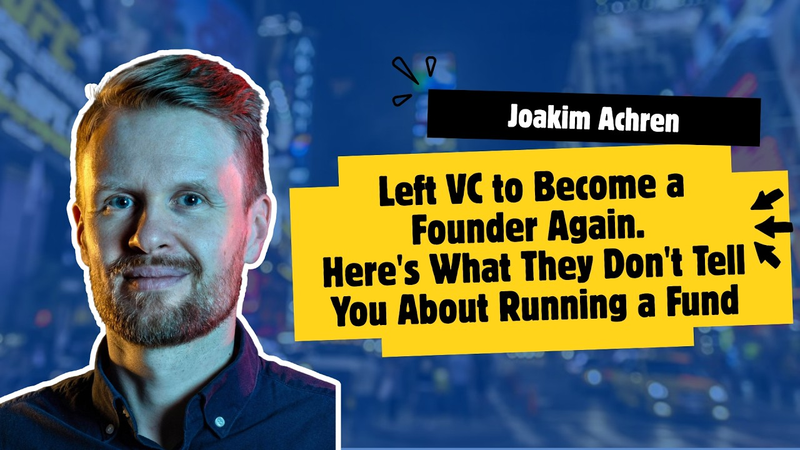
Deconstructor of Fun · 2026
Stillfront Group · 2026
Comments