1 free read left. Create a free account for unlimited reading + AI research.
Create free account
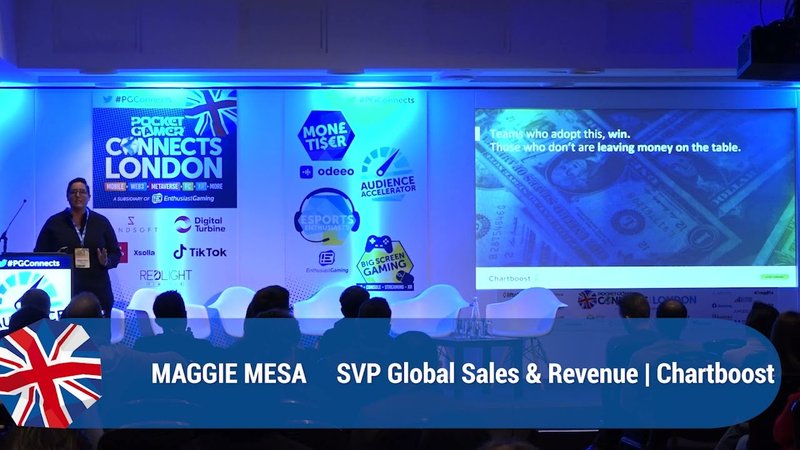
Why Trust & Transparency are Crucial to Your Ad Monetisation Strategy - Maggie Mesa, Chartboost.
Key insights
6 takeaways- 01Developers must prioritize neutral mediation platforms that eliminate 'black box' auction mechanics to ensure fair competition among all demand sources.
- 02Over-reliance on single partners and a lack of visibility into auction mechanics are primary risks that lead to suppressed pricing and reduced developer revenue.
- 03To maintain control over monetization stacks, developers must demand granular, actionable reporting, specifically including impression-level revenue data and auction insights.
- 04Adopting a unified auction model with in-app bidding and open real-time bidding (RTB) signals is essential for maximizing eCPM and ARPU.
- 05Transparency in the supply path is a critical performance driver, as evidenced by successful migrations of major titles like Empires and Puzzles and Words with Friends to neutral platforms.
- 06A developer-first, data-driven approach that provides full visibility into the supply path is the most effective strategy for navigating the current macroeconomic climate.
Ask AI about this video
Transcript
foreign [Music] [Applause] and I'd like to welcome to the stage our first Speaker of this track uh Maggie Mesa from chart booster is here to talk about why trust and transparency are crucial to your ad monetization strategy so thanks Maggie thank you thanks for having me all right thank you for having me and welcome to the second day of PGC I was definitely not supposed to be here so uh thanks for letting me Sub in um so before we get started I thought it
would be good to just introduce treble so most people know us as one of the earliest Cross promo ad networks from 11 years ago we had amazing GDC parties allegedly a dinosaur in our office but a lot of things have changed since then and one of the things we want to talk about is trust and transparency and why that's important with me uh with a driving and improving monetization so a little bit about sharpest um massive SDK footprints you know 90 billion auctions per month uh 14 000 sdks and what do we do with all of that why is trust and transparency critical for the success of your ad monetization strategy so let's jump in all right okay so today's mediation landscape is a bit of a black box and I hear this a lot where everybody says well mediation is done well that's just not true at the end of the day what's happening today is there's no transparency on how options are run
no transparency on which demand sources are even able to participate in these auctions and there's no transparency on the deals between demand and Supply sources and so what's happening is all of the control is being taken away from developers both on the ad monetization side as well as all of the buyers on the demand side so I just sat through an amazing panel they did a great job talking about diversity of demand diversity of AD formats all of that is put out Risk by what's happening today in the mediation landscape so let's talk a little bit about what drives performance for mediation today first you just need to make sure that all of your demand sources are able to participate that is not happening equally across all platforms we know that you guys know that better than I do developers know that firsthand and that's key and critical to ensure that you guys are getting the most out of your mediation stack is that all of your demand sources can participate second you want to make sure that all of your major ad formats are supported
and supported by your demand partners bidding I mean 2023 is a year of bidding 2022 is a year putting 2024 will be the year of bidding you need to make sure that as many sources of demand participating in your stock are bidding as possible without any conflict everybody should be able to access your supply through bidding through your mediation stock today Ford's reporting you need to understand what's happening with your users and your monetization who's buying what at what price points where are things breaking down if they are at all so reporting is key and critical to any mediation stock and then last but not least is a unified platform everybody needs to be competing at the same time and a unified option with equal transparency across all demand sources so when not every demand source is created equal well are treated equal I should say
this is what's happening today is this leading to lower cpms there's already enough going on in the market today we again amazing panel before we talked about the recession you know the pandemic in me ending users going back to everyday life so to speak we don't need a mediation Sac that's actually driving prices down so you need to make sure that all of your demand sources are able to compete equally within your stock so what happens when demand sources favor when platforms favor their own demand Publishers lose control right at the end of the day developers want to be able to control their own stack two there's also over Reliance on one partner so all of your eggs go into one basket so as we're navigating a recession or the ending of a pandemic or all of the various other macroeconomic impacts of this year you want to make sure that you are not over reliant on
any one partner the diversity of demand is what's going to help create competition and drive cpms up potential Conflict at the end of the day you want to be able to control how your users are monetized not the platform itself the developers want to be able to set up which demand sources which price points both waterfall and network bidding and they don't want to lose control over that that just adds business risk there is enough Dynamics within the market this year that you want to make sure that you have full control over your stock all right so why is trust and transparency really important all of this is because it drives a fair ecosystem so our industry is still dominated by user acquisition but at the end of the day you want to make sure that your inventory is available for all sources of demand to bid equally whether that's through a brand ESP a performance Network a bidding Network
a PMP audience segmentation all of the amazing things that we heard the panel before me speak about you want to make sure is participating in your mediation stack fair and equally so I think the fair logic piece is also what's really key and critical there's no black boxes it's equally frustrating for demand sources not to understand why they're not accessing your inventory at which price points and which volume as it is for you to understand who's buying your inventory it goes the transparency is on both sides both on the mediation side and the monetization side as well as the demand side last but not least was a transparent data so we talked about audience segmentation first party data second party data third-party data at the end of the day you want to make sure the pipes are supporting any type of audience segmentation that you want to enable to monetize your users so the developers that are going to adopt us are the ones that are going to win moving into the future this is definitely not the current state of mediation today but it's really key and
critical to ensure you're working with platforms that are fair and transparent giving you the best opportunity to monetize all of your users and create that Fair competition all right sorry the clicker's breaking on me okay measuring trust and transparency so how do you do that I think the key is for everybody to understand what's going on so you know dig deeper API is reporting it should not be a black box for you or anyone on your team I think that's the piece that's really key and critical is having data and Reporting granularity both on bidding waterfall you know impression level Revenue data add life-savable metrics all of these things are no longer knife staffs but must-haves to monetize I think the most the last piece that I'm going to hit on is around auction transparency this this is really what's key and critical to demand partners
so they need to understand what's happening in the option to bid on that inventory so it's really important for them to understand what metrics or excuse me mechanics are happening within the auction for them to monetize that user so this is definitely a slide our product team put together for me so kudos to them they can explain it much better I encourage pictures to be taken so I won't go through all of these things but I think at the very top you see all of the things that go into decisioning for a demand partner I see pictures being taken so kudos to our marketing and a product team who put this together um right so you have bidding performance data you have waterfall performance data right all of the key things that you'll want to understand around managing your mediation stack add life cycle auction insights all of these things are really important to a developer and you have your Dynamic waterfall management as well as in-app bidding management and all of that plugs into a
unified auction right it's unbiased and the unbiased piece is really key it's important that there's not demand partners that are segmenting inventory for themselves and not letting all buyers compete at every price point all right so a little bit about chart boost just to end on so like I said most folks knows from our 10 11 12 year history great parties amazing team members Best in Class customer service about a year and a half ago we were acquired by zingan ultimately by take two and so as part of our partnership we operate as an independent platform but they are migrating their inventory onto our platform and I think what we can share is through the trust and transparency and creating competition on our mediation stock through their titles that have migrated on this is driving our view up for their users so Zynga being one of the largest ad monetization developers in the world
are leveraging trust and transparency to improve cpms to improve our poo for some of their largest titles such as Empires and puzzles Words With Friends and Game of Thrones so we'll be talking um more throughout the show as well as throughout the year and sharing more details about what's happening with Xena migrating on the platform but the key takeaways are your mediation sdks need to be a trusted partner they need to be developer first and they need to be neutral that is key that is key for you as a developer to monetize your inventory two they have to be a data first mediation and SDK they need to pass all of that data to your buyers to ensure that they are bidding on your inventory and there needs to be transparency in what data they are passing last but not least is a fairness right everyone needs to see every source of inventory of yours at every price point
and be able to bid on that drive the highest price for you guys there's a lot going on in the market in 2023 and I think the one thing that's really key and critical for mediation is that there's a gap today with the fair and transparency and we think that's a huge opportunity for developers to ensure that cpms and pricing overall monetization increases the share with all of the macroeconomics going on so that is it in my presentation thank you I I think we're going to open this up for Q a although I was told there wasn't q a so I'm ready does anyone have any questions apologies I think Maggie I have three microphone all right no Mike oh oh sorry yeah so um
how are you thinking about um enabling right a publisher to ol to get all that data right like auction logs auction data is extremely vast right and there are several jobs in the supply path so you have you know the mediation platform that buys from potential ad network but then potentially buys from a DSP or whatever right what kind of data would you want to surface in order to achieve what you said about data transparency yeah that's a great question so first of all you're talking about on the buy side correct like which which path to buyers it's really what's um what they can adjust and so truthfully trumpets has both a buy side and a sell side component we're transparent on both sides everyone has a fair and equal shot and what's Keen critical is to pass everything to the dsps or Networks and let them decision on what's key for them so whether it's price point Geo audience insights anything about that user that they want to bid on that's essentially what's key in not filtering out any of that so everything through openrtv is what we
would suggest passing on to buyers so they can monetize that inventory and you do the same with sellers right that you give also sellers like Publishers you would also give all the the results of that data too absolutely so I think one of the things that uh that's really key and critical is just understanding which public apis are out there to understand the insights around who's monetizing which of your users how to create segments and which buyers are betting on what segments of users one more no no okay well thank you very much thank you for having me [Music]
[Applause]
Summary
The current mobile advertising landscape is characterized by a lack of transparency within mediation platforms, which often function as opaque "black boxes." This environment prevents developers from maintaining control over their monetization stacks and restricts the ability of various demand sources to compete fairly for inventory. The primary thesis is that trust and transparency are essential for developers to maximize revenue, as they foster a fair ecosystem where all demand sources can participate equally, thereby driving higher effective cost per mille (eCPM) and average revenue per user (ARPU).
Key findings indicate that developers frequently suffer from over-reliance on single partners and a lack of visibility into auction mechanics, which can lead to suppressed pricing. To mitigate these risks, mediation platforms must prioritize neutrality, ensuring that no single demand source is favored and that all partners have equal access to inventory. Essential components of a robust strategy include the support of all major ad formats, the adoption of in-app bidding, and the provision of granular, actionable reporting. Developers should demand access to impression-level revenue data and auction insights to understand user monetization patterns and identify potential bottlenecks.
The industry is currently shifting toward a unified auction model that requires unbiased competition. By leveraging transparent data—such as open real-time bidding (RTB) signals—developers can empower buyers to make informed decisions, which ultimately benefits the publisher. Evidence from large-scale implementations, such as the migration of major titles like Empires and Puzzles and Words with Friends to neutral, transparent platforms, demonstrates that prioritizing these principles leads to measurable improvements in monetization performance. Ultimately, the most successful developers in the current macroeconomic climate will be those who partner with platforms that provide full visibility into the supply path and maintain a developer-first, data-driven approach to ad monetization.















Comments