1 free read left. Create a free account for unlimited reading + AI research.
Create free accountArticle Game Studio Unlocked
1 free read left. Create a free account for unlimited reading + AI research.
Create free accountArticleGame Studio Unlocked
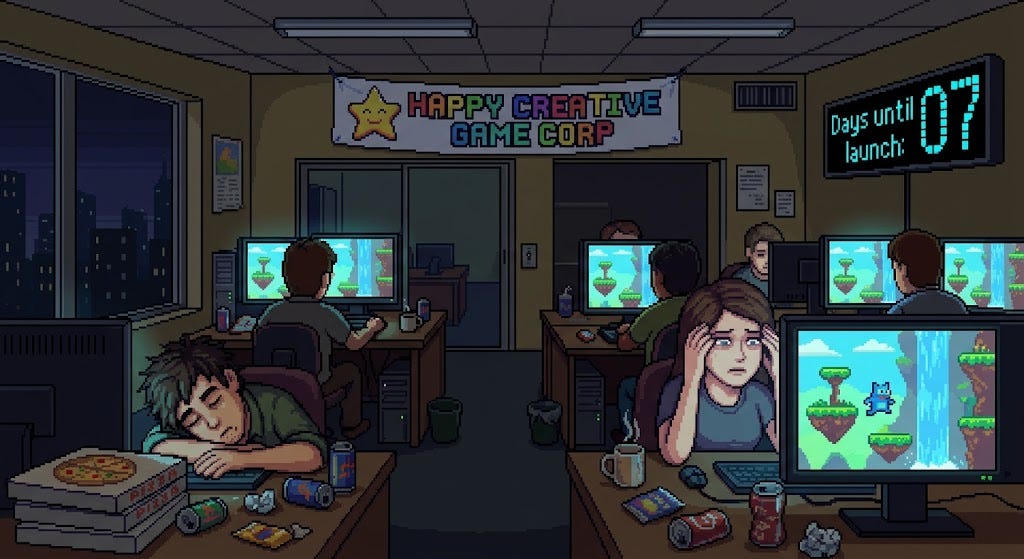
This leads to stalled projects and exhausted resources.
It's like building a house without blueprints; you might start, but you won't finish efficiently.
Key Issue. Undefined vision leads to project stalls and resource exhaustion for indie studios.
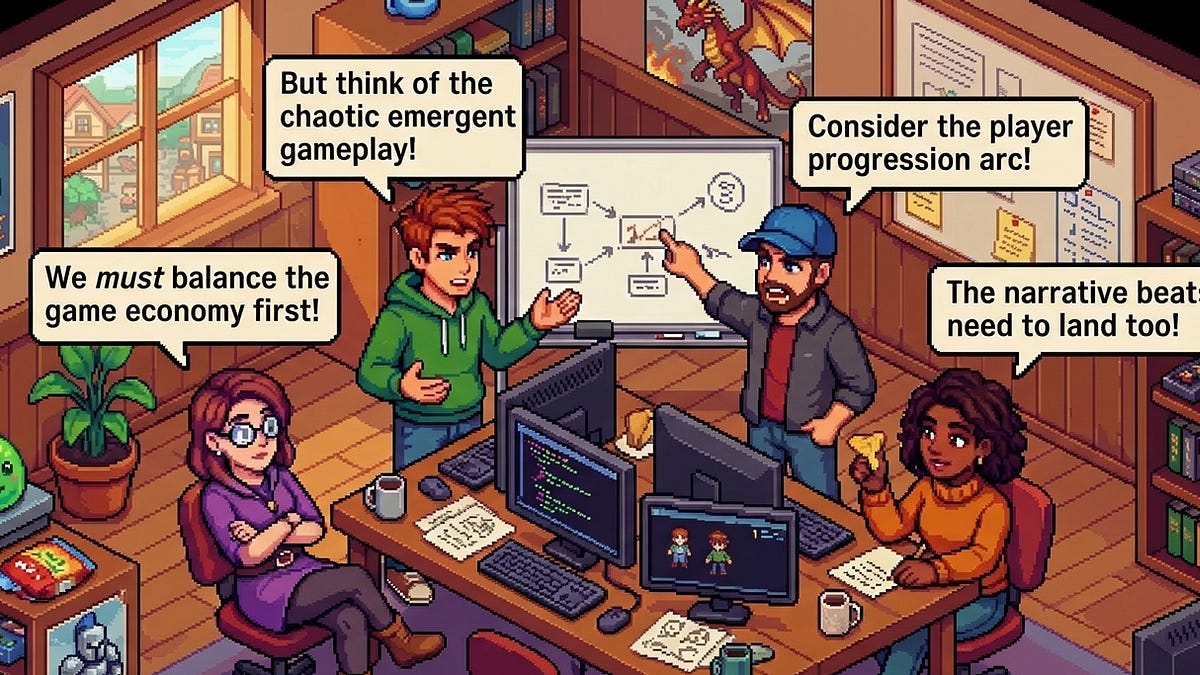
A clear, shared vision serves as the primary operational foundation for indie game studios, preventing the common pitfalls of scope creep, aimless pivoting, and fragmented development. Without a defined north star, teams often default to personal preferences or reactive decision-making, leading to stalled projects and exhausted resources. The central thesis posits that while creative flexibility is essential, it must exist within a structured framework that defines the game’s core experience, target audience, and explicit boundaries.
Effective vision-setting requires a concrete, written definition of the project that outlines what the game is, who it is for, why it is unique, and what specific elements are out of scope. This document acts as a guide for decision-making, allowing teams to distinguish between necessary execution adjustments and detrimental shifts in direction. By establishing clear creative pillars, leaders can empower their teams to innovate within a defined space rather than struggling with vague objectives or conflicting priorities.
The methodology emphasizes that a vision is a working hypothesis rather than a static contract. It should be pressure-tested by the team to ensure alignment and shared understanding. While leaders must defend the core intent of the project, they should remain open to evolving the execution based on playtest feedback and technical realities. Ultimately, disciplined commitment to a well-defined vision is identified as the most reliable path for indie studios to successfully ship games, distinguishing successful teams from those that remain trapped in cycles of constant reinvention.

Game Studio Unlocked · 2026
Game Studio Unlocked · 2026
Game Studio Unlocked · 2026
Game Studio Unlocked · 2026
Game Studio Unlocked · 2026
Game Studio Unlocked · 2026
Game Studio Unlocked · 2026
Game Studio Unlocked · 2026
Game Studio Unlocked · 2026
Game Studio Unlocked · 2026
Game Studio Unlocked · 2026
Game Studio Unlocked · 2026