1 free read left. Create a free account for unlimited reading + AI research.
Create free account
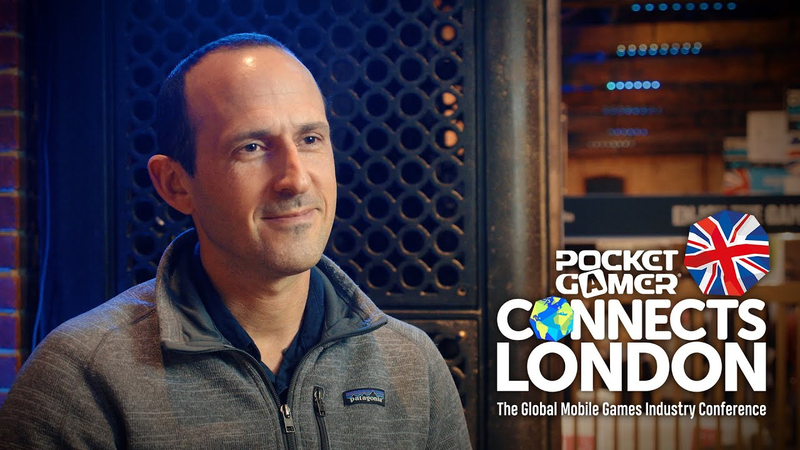
What is a Living NFT with Alun Evans from Freeverse.io
Key insights
6 takeaways- 01Freeverse.io is shifting blockchain gaming away from static, speculative NFTs toward 'living NFTs' that evolve based on direct user engagement and in-game utility.
- 02Living NFTs derive market value from customization and utility, mirroring real-world economies rather than relying on artificial scarcity or volatile speculation.
- 03While cross-platform interoperability remains constrained by legal and technical barriers between intellectual property holders, blockchain technology is utilized to provide a verifiable ownership layer across environments.
- 04The company aims to replace current play-to-earn models, which they argue risk turning gaming into gambling, with systems where asset value is tied to performance metrics like vehicle upgrades or athlete training.
- 05Freeverse.io provides developers with a flexible API and marketplace toolkit to define custom rules for how digital assets evolve within their specific gaming ecosystems.
- 06The company’s primary strategic focus is educating traditional brands and game developers on building sustainable, utility-driven digital economies.
Ask AI about this video
Transcript
[Music] [Music] we're now joined by alan evans ceo of freeverse.io how you funding the show allen super really really interesting really engaging lots of interest loads of people really happy to be back in person after two years of uh doing it all virtually very much so now we're talking about nfts today it's what you guys work with it's a a conversation that has ignited like few others in the past few years and at this point i think we've all heard of nfts but what's a living in nft yeah so i think you know a lot of people think that nft is actually an image right or and i think that's the in the popular zeitgeist people think that an empty is an image an nft is not an image you can associate an image with an nft right um but it doesn't necessarily mean at the end of the nft is the token on the blockchain what we're interested in doing at freeverse is introducing a new category of entities that actually perhaps directly address the perhaps the principal criticism of
entities we've seen so far that they are static they can't change so people are buying them to collect them and perhaps speculate on their value in the future and with living assets with living as snfts how the user uses them and how they are how they engage with their nfts directly affects their properties on the blockchain and therefore their value so for example if i were to buy an nft that represents a ferrari in a game uh if i put a new engine in that ferrari because i've worked hard on the game and i've bought the engine parts and i've put the engine in the in the car then of course that nft changes because it has a more powerful you know it's a more powerful ferrari can go faster so the value of that car the value of that energy in the marketplace is then based on how the user has used it how the gamer has engaged with it rather than just speculation as to how rare it is so when you're talking about either sticking nfts in a particular game a lot of the conversation between certainly developers regarding nfts is whether or not it's feasible to be transferring nfts between other games or within a
particular ecosystem because in the example you gave there you put the new engine in the car and then if you want to take for example to trade that nft to someone else for real money or if you want to pass it over to a different game there are developers who are very bullish and say that like no no this is something that can be done maybe the games have to work within an ecosystem of their own but it can be done whereas other developers are like this is literally impossible and it's kind of like head in the cloud stuff how do you make that work is it a feasible thing i think it's feasible i think but i think it's very important to separate the concept of the intellectual property of certain community and the entity itself just because you own nft doesn't give you the right to use it anywhere you want or have it or have it included in any environment that you like right um and i still think that you know having an nft makes it perhaps easier to demonstrate that ownership in in cross platform or cross game applications but it doesn't guarantee the owner of the right to use in those in those different applications so that's still an agreement that has to be happened that has to happen between different gaming companies and different
uh different environments but i think the nft is an easier way of demonstrating the user and the owner demonstrating that ownership well we talked about the fact they're been a controversial thing some people have found it incredibly exciting while others have announced their introduction to the space and they say hey we're going to launch our nft program and then there's been a huge backlash and they've been forced to pull out either because their audience has taken against it for some reason it's happening with both sort of individuals and larger companies why do you think that's happening from your perspective i think the sad thing uh and it's almost a paradox and when you raise that the nfts has this year thanks to the speculative nature and the fact that people are making a lot of money on them that's brought it to the mainstream and the cat is out of the bag in terms of you know truly earning additional only legitimate assets right now how are right i do think it's a shame that nfts have become associated with speculation as a business model um i'm not a massive fan of it i don't really think i think the play to earn model may make sense in the short term we have seen some successes but i do think there's a
backlash against and that backlash is kind of justified because you don't want to turn games into gamblers and i think one of the reasons that you know we founded freebus over three years ago was precisely to create that new category of nft which is essentially fairer to the gamer right so that what the way that the entity is used in the game directly affects its value and so um i neither i think it's a shame that the nfts have been associated with the speculative model so far but i really think there is a potential for that technology and as i said do you think the cat is out of the bag when it comes to the ability to buy and sell digital content now for real money so if you don't feel like speculation is necessarily the best aspect because there are a lot of people who are in it purely for like right they can smell money in the water they go over there do like we've seen a lot of rug pulls recently a lot of very unpleasant stuff happening in that area and then they just bail and that's what they're in it for like put that just to one side the idea of digital ownership full stop creating scarcity in a post-scarcity environment for the sake of what a lot
of people will see as a kind of a bling factor or hey i own this in the same way that people like to have a rolex or a sports car that's customized to them specifically what's the appeal of the space to you what do you see as like this gets me excited about this we aren't just like oh we can make a fast buck or something like that well i think collectibles the collectibles economy exists in the real world right people do collect stamps and rolexes and whatever it is in the real world but if you look at the size of the of the remainder of the global economy it dwarfs that of the collectibles economy in the real world and i think what my my personal goal is here is is that to bring a similar transformation in the digital space you know we've seen now boom and digital collectibles um it's made a bit of money i think that's interesting what i really see is that is that if that's the tip of the iceberg is there a way of unlocking the rest of the iceberg of generating an economy where value is truly embedded into the utility of the nft rather than just speculation as to its rarity that's why i'm to it that's what we found in
the company three years ago um we haven't changed our message since then the difference is now uh perhaps people are listening to us a little bit more so how do you evolve it because you speak about the idea you use the car example is it simply that just by playing the game and as things if your nfc is connected to the game on the blockchain is it just your actions in the game will by default start to evolve things or are you thinking of envisioning a process where you actually either pour additional assets or somehow adapt it or adjust the energy not physically but the player does it themselves the liberty or it's just the game will gradually see it adapting over time yeah so our platform is like a toolbox basically so we allow our clients whether they're game developers or brands to set the rules by which the entities evolve and so we actually became our first clients we actually developed our own game i was a football manager game an online book manager game which allowed players to train up the the players of their football team which were nfts and we set the rules that enabled by which the the stats of those players would go up when they got trained or as they didn't get trained
they would the stats would go down the players would get better right and so each of our clients has the freedom to set their own rules by which uh the nfts are involved or not and um that gives a lot of flexibility when it comes to creating an environment which generates you know a fair way of setting the value of those entities in the marketplace what's your aim for the year is it 2022 you're looking to for example start working with more developers and embedding these things to more games what's what's the goal for you guys yeah so we've actually seen more traction for our uh our api web api and our marketplace in what you might call the traditional brands sector and content created sectors so far so webs and apps and um we really think the concept of living assets makes a lot of sense for video games we've signed a couple of contracts with some games that are in development right now and what we really want to do and events like this one here in voguegamer is bring that message actually educate people that nfts can go beyond speculation and that the content of living assets and energies that can evolve and change going to how they're used really is the way that makes sense
for the games industry [Music]
Summary
The primary objective of Freeverse.io is to shift the blockchain gaming industry away from speculative financial models toward a system of living non-fungible tokens (NFTs). The central thesis posits that the current association of NFTs with static, speculative assets is a limiting factor for the industry. Instead, the company advocates for dynamic assets whose properties and market value are directly tied to user engagement and in-game utility rather than artificial scarcity or rarity.
Key findings suggest that the current play-to-earn model is a short-term solution that risks turning gaming into a form of gambling, which has fueled industry backlash. By contrast, living NFTs allow for assets to evolve based on player actions—such as upgrading a virtual vehicle or training a digital athlete—thereby embedding value into the item’s performance. This approach aims to mirror real-world economies where value is derived from utility and customization, rather than the volatile, speculative nature of current digital collectibles.
The scope of this initiative covers the broader digital content and gaming sectors, with a specific focus on providing developers with the technical infrastructure to define their own rules for asset evolution. The methodology involves providing a flexible API and marketplace toolkit that enables developers to integrate these dynamic properties into their ecosystems. While cross-platform interoperability remains a challenge due to the necessity of legal and technical agreements between different intellectual property holders, the company maintains that blockchain technology provides a superior mechanism for verifying ownership across these environments. Moving forward, the focus remains on educating traditional brands and game developers on the potential for sustainable, utility-driven digital economies.