1 free read left. Create a free account for unlimited reading + AI research.
Create free account
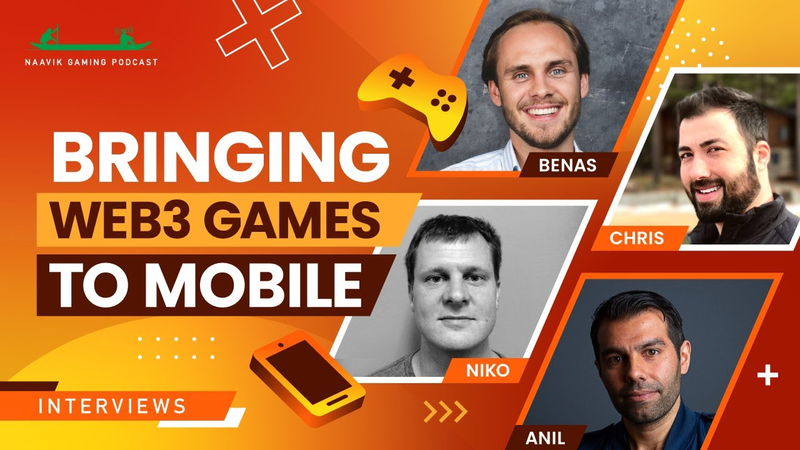
Bringing Web3 Games to Mobile
Key insights
6 takeaways- 01Developers must navigate restrictive Apple and Google policies that protect a 30% revenue share by adopting hybrid strategies that rebrand NFTs as digital collectibles.
- 02The industry is pivoting away from extractive GameFi models toward sustainable, gameplay-first experiences that prioritize high-quality mechanics over blockchain terminology.
- 03Mobile gaming is the primary growth frontier for Web3, targeting a global audience of three billion users.
- 04Web3-native communities are being utilized as a social layer to foster player loyalty and provide a new monetization tier that complements traditional in-app purchases.
- 05Niche hardware initiatives currently lack the scale to challenge the dominance of major mobile platforms, forcing developers to maintain a pragmatic, bi-directional approach to distribution.
- 06Indie studios are leveraging Web3 to build early-adopter communities, which helps de-risk projects in the highly competitive mobile gaming market.
Ask AI about this video
Transcript
foreign [Music] gaming podcast where it is our mission to explore the business and future of video games we bring together the industry's brightest Builders investors and thinkers to keep a full sun current events dissect emerging Trends and games share Lessons Learned and have a great time this podcast is also part of novik's growing ecosystem which ranges from free and premium research to Consulting and advisory services for more information visit www.navic.com now let's jump into the episode hello and welcome to the navic gaming podcast I'm your host Nico vori today we are going to be talking about taking web 3 games to mobile as our listeners well know mobile gaming of course is the 800 pound gorilla in the room makes up about two-thirds of the overall gaming Market by revenue and of course a much much bigger share than that in terms of number of players engaging with that
form factor however when it comes to web 3 games games that incorporate nfts or digital ownership games that incorporate a tokenized economy mobile doesn't really feature almost all web 3 games are web first or even web only still to this day and there's at least one very good reason for that uh that is the Apple app store Google Play Store rules they have very strict rules and what apps can and can't do as it relates to nfts and cryptocurrency uh and I'm gonna actually start this episode by quoting from the Apple rules uh they're very similar to Google's rules um and both by the way are evolving so this is a moving Target that developers are aiming at so I'm going to read out the Apple language as it relates to nfts and apps so this is a quote apps may use in-app purchase to sell and sell Services related to non-fungible tokens nfts such as minting listing and transferring apps may allow users to view their own nfts provided that nft ownership does not unlock features or
functionality within the app s may allow users to browse nft collections owned by others provided that the apps may not include buttons external links or other calls to action that direct customers to purchasing mechanisms other than in app purchase end quote uh that's a lot that's a mouthful um but I'm just going to recap there real quick so if an app wants to integrate nfts it can but it has to use in-app purchase the facilitate purchasing of those nfts no crypto no third-party sites and of course there's a 30 tax associated with that which we all As game developers know and love right the nfts also cannot unlock anything special inside the app no functionality and the app cannot point to an external site for purchasing of the nfts those are the three kind of main points here and at least in my opinion that's pretty limiting for a developer um kind of goes against a lot of the ethos of web3 and it really makes it hard for a developer to incorporate nfts
that have in-game value air quotes value here so the big question is can nfts and crypto be integrated into a mobile app natively and still make for a compelling gaming experience that's the big question we're going to answer or try to answer today and to do that we have a absolutely masterful panel of experts who are have shipped into the App Store are in the process of shipping to the App Store and who are observing the entire ecosystem from up on high so first I'm going to introduce Our Guest we have Anil tasgupta co-founder and co-ceo for slight Games first light shipped blast Royale which has nft integration into the app stores late last year and so he has had a front row seat into navigating the App Store roles and figuring out how to make this work Anil thanks for being on the bottom thanks for having me next we have Bennis co-founder CEO of block games they have a title called chatterpoint which is similarly integrating nfts but it's not
yet live uh it is in private Alpha I believe um and has a go live date of Q2 2023 and so he is presumably right in the middle of navigating all of these rules and uh what it means to be a web 3 game on mobile benas thank you for being on the pod excited to be here awesome and then finally we have Chris akavan he recently joined magic Eden which alongside openc of course is the top nft Marketplace he is their Chief gaming officer and so he has a unique perch from which to observe web3 gaming as an ecosystem not just an individual title not just navigating like how do I build this game but actually seeing what the entire uh you know group of developers that are trying to ship on mobile trying to do web 3 things natively um so yeah excited to have it here Chris thank you for being on the Pod thanks for having me Nico good to see everybody all right so that was a mouthful there uh this is what happens when you have three guests on the Pod so long intro um but we've got that out of the way let's dive into the episode uh and so I'm gonna start with the first question
here just a little bit of background on our two games in development here so uh Anil let's start with you um tell us a little bit about what is the game how does it incorporate nfts or other web 3 elements and then how were you able to I presume successfully because you're live navigate the App Store rules uh and get product to Market hopefully in a way that you're happy about uh you didn't have to compromise too much and then we'll go to benass and then we'll talk to Chris a little bit about kind of ecosystem stuff uh in a bit Anil over to you sure let me tell you it was with difficulty and we had to compromise a lot but we'll come to those two points in a second so how does the game work so our game is a top-down Battle Royale game um everyone's played Battle Royale before our game is thirsty versus one four minute Loop you play it that way when we put nfts in is that our game is kind of like a deck building game meter Battle Royale games so if you played Magic the Gathering I was the right nerd I used to play that game when I was a teenager I used to love you know sort of unlimited and revised and things like that is you build your items and when
you come into the game those items are going to appear in order so there's like a kind of meta layer so something we wanted to do from the kind of gameplay side is make it compelling that it's not just kind of Collectibles or Cosmetics that you see in a lot of other games but you know there had to be like a real kind of purpose not to make it pay to win but maybe to customize your build so you could have let's say a sniper build so you might then get an nft or buy a sniper rifle I buy an amulet that increases my sniper rifles accuracy I've built some armor that allows me to tank my lay hits this kind of thing now when I come into the game when you go around the map and you loot those items are going to come out in the order that you put them in and you can play it that way so that's the kind of gameplay purpose of why we were attracted to nfts and why we thought we put it in we thought it was kind of a cool idea and you know for myself you know I happened to you know I own for example the card Time Walk which is like worth a lot of money and I imagine they gather when I remember when I was a kid I spent like 200 bucks to get that card just because I thought it was cool I couldn't even use it in tournaments so you know I I've kind of been through the thing and I knew the physical to digital application so that's of how it works in the game and
how we've got through the Apple sort of submission was where real palava I have to say and we kind of did What's called the feet and Arena route so I think I need to give wolf on entertainment in Vietnam a lot of credit because they were just the first ones who really achieve this so in their game and in our game and as per the Apple rules that you've mentioned at the start of the show um they actually rejected us on several of our reviews for saying that the nfts that you could bring into the game you couldn't get in the game any other way you had to have the nfts I will say one thing that's quite interesting as an addict though is that in our entire app description we do not mention nfts of any kind we didn't even touch it and yet somehow they knew that it was connected which made me very suspect as to how they would know that my feeling is they have a hit list of certain projects and they're watching out for them because I even asked them in the reviewers like where are the nfts the honor nfts in this game you know playing them kind of thing and they were like don't you try it with me young man well you know we know what you're doing so okay we got around it so the way that we did it is that you can also get the same items in the game but it's important to know that
those items are not nfts and I think this is something that not everyone understands so you can essend to get that same sniper rifle that would be an nft in the game via in-app purchase in our game is via a loot box but it doesn't have to be a loot box but that item is not an nft it's tied to the individual's account so I couldn't send it to you Nico through metamask or anything like that but functionally the item is exactly the same it can be upgraded it has the same sort of facilities and it doesn't block any content so that means that anyone can come into the game they don't need to understand this side they can play the game and I have to say I'm sure Ben has got a similar kind of approach but we wanted the game to not have any gating whatsoever that anyone should be able to play the game The Game's got to be fun first and foremost like we're all like experienced game makers and that's kind of our private state so you can do that way and then the idea being that the nfts if you were to purchase them you know then you could you own your own items you can choose specifically the item that you want you can buy so on trade it so hopefully that kind of gives like a tldr of what we try to achieve but I mean you asked us you know what
compromises we have to make but of course there's a huge compromise right and really what we we want is we want people to be able to open the marketplace inside the app now we built our own custom uh game Marketplace again a bit similar to Pizza Arena it's called the blast Hub and we've made it as kind of like a companion to the game it also has things like lead the board streams tournaments that kind of thing and in an Ideal World we wanted the player could access that in the app they could do the kind of transactions they'd be able to pay in our case we're using Matic we're built on polygon we haven't listed our token at the moment given that crimp to win so has been here for about the last year and so but we we wanted to prove it out and get it working and I think you know the reason why we launched so early even though we compromised is that I really believe in learning as fast as possible I think this is an extremely fluid world and I don't pretend to know all the answers but when you try things you can see if it's working or it's not working so that's one of the reasons why we even decided to go this way in the first place I can say that when we did this my LinkedIn actually absolutely popped off as did my telegram with
everyone asking like how how how are you doing it let me know what are the the details so that's why I'm happy to share because I think that's web three it's all about a decentralized community and I think you know if one game wins I think all the other games are going to start doing quite well as well so I think that's important and thank you for having me on the show I must say so there was that aspect so yeah and I will say as well like you know I don't know travel too long but then um we have noticed though that that means that lots of people can play the game there's lots of people who don't even know there's a crypto game they just play the game they have fun which is cool um and then there's people who find out about that stuff later and then they kind of engage with it and I think something that was very interesting to us and this is one of the reasons why we wanted to get out so early is that there is this assumption right that like at the moment people who understand the blockchain and web 3 is like a very Niche audience and there's this belief that in the future it will become commonplace and many people will use it and it would just be a part of life just like free to play games came along after premium games that people didn't think it would be a thing but now it's the thing right and so in our own community and launching the game this way we have
seen that happen so we've seen people that come into the game and first they're like oh a crypto game why did you do that dude why don't you just make the game as it is right there's nothing wrong with it and then they start learning about the quilting they're like wow this is actually really cool you could do all this stuff that you couldn't do before right um now it's very hard to get them there because there's so many steps in way but the fact that we've seen this is like one of the reasons that makes the team like most motivated and I think that should make everyone immediately motivated that it's okay we've done it on mobile but I think it's across the the board that like you can get there just unfortunately there's a lot of barriers in the way and I do have to say that I feel like both the platform holders are not you know helping us because you know what's the reason why they're doing this is It's because they want their 30 tax that I get it right they've built these walled Gardens they want to take their piece and really what the nft site is doing is is it's not allowing that right so I ask developers to fight back a little bit right and you know we can take the take but I I think it's kind of sad because you know games
as well like with us when you buy it in the marketplace is that a percentage of every transaction is actually going back into the treasury which means that the project can kind of sustain and do more things and that's kind of been denied from us by by paying this tax so you know there's that kind of aspect to it so look Daniel can I ask uh yeah a quick follow-up I think it'd be kind of uh interesting to double click on which is you said if you buy something in the game through in-app purchase those items are not on chain um is there a path for those items to become on chain so you mentioned like users might kind of migrate over time to being more comfortable with web3 so I'm just imagining about if my path into your into blast Royal as I start as a normal mobile gamer I make some in-app purchase purchases you know say I buy a gun can I later on move that gun to be something that I actually put like a mint on chain and have more ownership on and take to the secondary Market is there like a path for that great question I can see why this guy got invited onto the the podcast at the moment we don't do it that way that is a
very good way I can tell you that anecdotally I know of a number of other solutions that other people are working on I know that some people are making an nft Marketplace in the game that just Apple takes their 30 transaction but you are buying a specific nft we're not doing that in our case it's just the same functionality and you know the disadvantage of doing that is that with the nft is that then you know nfts most companies making their revenue under you know sharing rights or the resale rights and then if you've got the sort of royalty fees so if you've got that plus another 30 that's so much being taken out and that's going to really hurt your monetization which unfortunately is needed to sustain the project um but I do know some people that are working on that what we are thinking of doing is maybe a bit of a different way which is that we have things like a blast pass or seasonal things or rewards and it could be that if you engage with the game for long enough you'll get an nft and then you'll be able to go to our Hub and then you'll be able to get that nft for free that way that's something that we're thinking about but we don't have implemented in the game just yet
um the idea there being that we would you know try to move people over there and I get what you're saying you know you could say the different argument is why not just keep people in the app the whole time which is I think what the platform holders want and just a very abide by their rules but we're not really fans of that right now but we may change our our kind of thinking on that depending what happens I mean again as I said it's like a fluid situation my suspicion is is that as time goes by things will be relaxed a little bit or some sort of compromise we've done I think at the moment people are kind of you know they're really mindful because you've got things like the SEC looking into things in America and you know they just don't want to make something that could be a huge own goal so they're just doing things like really really sort of like tight but I think to be honest with you I suspect regulation is going to come into crypto um probably this year in America and I've got a feeling that when things like that happen it will open the doors a little bit I don't think it'll be as nice as people in web 3 wanted to be but what I will say is that once the rules are understood then it's easier to
navigate around them whereas right now you know it's like building a house on quicksand kind of thing right is it going to stay stable or is it going to melt so yeah sorry hopefully that answers your question thank you yeah that was fantastic um excellent so we have a lot to unpack there we're going to get into details um for sure um but let's go to uh benass here and uh get a little sense of uh you know background of his game um Shadow point right uh what is it doing why how is it integrating nfts and how are you navigate how are you finding the navigation of the App Store rules um as you are preparing for for launch sure so I think uh and he already uh made that path so uh we have to follow uh the success cases because we don't really have a lot of them yet in the market but uh coming back to our game we are still yet in a closed office so we have been developing um for the last year instead of uh the game is shutter point it's an action RPG multiplayer game built on the polygon blockchain and we are taking some
inspiration to the game from Diablo um from from RPG style uh gaming experiences as well as uh mechanic experiences from Crash mini uh with unique resets which take place on a weekly basis and players get to create their avatars in the gameplay they get to then explore different worlds through PVE PVP gameplays uh with their peers or across NPCs and having to survive the shattering event which is the unique uh cataclysmic event which you call uh which resets the entire game on a weekly basis and the approach from the players is to try and survived the shattering event by trying to compete over limited nfts which were distributed throughout gameplay because those nfts get to transfer into the next season while the rest of your resources basically get to convert into in-game resources which give you a bit of a boost but nfts carry over so our approach was from the beginning let's create a fun engaging gameplay which can be published on app
store and Google play more as a game which people wouldn't really need to have nfts to play as that game would be simply playable without any NFD mechanics within them but try to include some mechanics and lore uh Inspirations which would try and convert majority of the players nicely uh into into the whole web free world and this was our approach to try and bring the game which some of the in-game assets would be rewarded as nifties because from our from from our approach we saw saw an opportunity here that we can change the narrative as model game developers instead of just aggressively monetizing that same user base trying to monetize as much as possible while we're in our game let's try to make some of the nft assets uh some of the in-game assets snfds and reward them for free because that suddenly changes the narrative from the delete from the gamer's perspective because gamers are suddenly receiving
something which has a monetary value and that thinking can really shift a lot towards your like uh gaming metrics since you are giving back something not only taking away and with that approach we are right now building out the gameplay so and if the assets are well multiple multiple multiple items in our game but mainly these are heroes which are cosmetic uh plus we have some roon assets which are gems which you put into your gear to strengthen up your gameplay and the approach here is that each season you you run you will receive different assets snfts but your meta might require you to switch or trade those assets with other players because you might have a rune which gives you a boost for one ability but that other player has that specific rule which you need to trade so incentivizing players to join in the trading experience and to participate in exchanging those assets
from season to season as you progress in your game um so with that in mind we are still not yet through the App Store and Google Play Gates uh there is still there yet to see what roadblocks we might have uh but from the training experience we've made it again very soon so similar to how uh Anil and first life games did was leave everything outside gameplay so in the gameplay reward assets snfts by the way not call anything nft in the games uh in in the gameplay called like we rename nft assets as digital Collectibles uh and just be rewarding them for free and if the players are uh wanting to explore that whole web free world they can do that uh but it's up to up to them to figure out so that onboarding experience is available in written forms on social platforms Discord uh socials uh mediums but that
kind of like pathway is is is for them to discover uh and once we are in there uh then we jump into magic it and to trade those assets uh since we we thought through that if you are if you will be discovering the web report like you will want to like you'll want to exchange those assets then on on marketplaces where where you have the liquidity and for us main decision was let's not build our own because it will be hard to I mean it will be hard to sustain the liquidity perspective but also um will be Libby uh will be easier just to connect them into into open serum educate and we're right now trading happens and uh based on where uh more like in a few Marketplace is are moving uh the gaming uh coming along I think we will see more of such uh cases coming along from from game devs um so yeah perfect thank you for that and then uh just a quick note um what chain are you
building on uh polygon so you're building as well yes perfect thank you you guys are both on polygon yeah perfect okay um all right so that's uh so that's uh uh in progress game uh it sounds like you've not got through the Hoops yet hopefully we'll get through the Hoops so we'll see what happens um Chris I want to hear your thoughts on uh you know we've we've heard from Anil and Venus in the individual developer level and kind of like here's how we're integrating avities here's how we navigated it here's where we I'm going to talk about kind of compromises a little bit further uh as we get further into the episode um but what are you seeing in terms of the high level trends at the ecosystem level uh what are developers running into how are they navigating those App Store rules in order to get their product to Market in the best possible way yeah I think you've heard really good examples here on this panel from Anil and Bennis right like um and it's pretty consistent with what we're seeing across the broader Mobile gaming space as they as Studios try to figure out how do you implement web3 hooks in a way that's
compliant and also like a good user experience um and in general we're seeing actually like a lot of um movement around this whole free mint meta where instead of trying to monetize the user base up front you're actually giving them free value and building this really really really strong cohort that is going to become a passionate believer in your game and supporter and building that Community with you um and like I know like in the the traditional free to play game Space which I spend about 12 years in kind of early days of the App Store through to present you know modern live operations driven free to play we always talk about this golden cohort um but in web3 I think there's like this ability to create this just Ultra golden cohort right because you're you're creating these these communities of people that you've given some real value to up front and and that level of passion I haven't seen before in in you know kind of regular free to play and so I think you know the folks on this panel and others in the space are are doing a really good job of leveraging that um and and using things like free mints to
build that Community uh starting to actually introduce nfts through more of a reward mechanic I think actually if you look outside of the gaming space um a lot of people drew inspiration from how Reddit rolled out nfts right it was a similar idea where uh they introduced these free um avatars and they call them digital Collectibles and then uh behind the scenes they were actually minting these on polygon right and so they eventually opened up this pathway that if you wanted to get more involved in the actual asset that you own and let's say you want to take it out and trade it on a Marketplace like magic Eden they give you the ability to take control over that asset by transferring it to one of your own uh controlled wallets so I think a lot of the people in the game Space took note of that experience because if there was ever an nft hate Community was probably most prominent on Reddit and so the fact that Reddit was able to introduce digital asset ownership to that community in a way that they actually really embraced got really excited about you can check out there's a forum or a subreddit called
Avatar trading where it's basically like this whole Community people that discovered they own these avatars and they can actually trade them on open marketplaces and because they came in through that that free and sort of reward Loop they feel really positively about the experience and I think um yeah mobile game developers have done a really good job of kind of building on that that strategy uh and how they're introducing these web3 components and the great thing about that lastly I'll say is that that's fully compliant with the App Store guidelines right you're you're totally allowed to give things away for free um yeah Apple and Google are are primarily concerned about how you sell things and making sure that in-app purchase is is part of any kind of sale process um but the power of these free nfts is totally wide open for for folks to Leverage um okay so uh I have a a question really this is for uh Anil and benas as the devs here like why are you building on mobile like you know the rules are tough right you know that it's hard to integrate nfts you know that the you
know I think Anil you mentioned quicksand um you know and I'm a Game Dev myself so yeah like building on quicksand is is rarely a a great idea or at least it's a an idea that is is painful at times so I'm I'm curious if you wanted to integrate nfts and digital Collectibles or however you want to talk about them why didn't you just stick to building on web uh what made you choose to go native mobile and then navigate the App Store roles and the 30 tax um why don't we start with uh I feel on this one because obviously you you shipped already so very very curious to hear like what was thought process behind doing this because recently presumably you started building quite a while ago when the rules were even less certain right and they have been evolving as I alluded to in my intro they have been evolving over time I'm I mean they now mention nfts in the guidelines right which wasn't even true you know probably a year or two ago right so very curious to hear what made you want to jump when did you jump into this actually when did you make the decision what were the rules at the time
and why on Earth did you decide to go down that path knowing presumably that you were in for a world of hurt and Venice I'm gonna have the same question for you in just just a second here one because we're somewhat masochistic and we like the pain and we're not afraid to shy on these big challenges going forwards but you know quite honestly there's like 6.92 billion smartphones in the world that's like 86 of the world's population um many of the team have worked on successful games in the past and this will probably sound quite arrogant but it is actually true it's like when you make great games you want as many people as possible to play them like that's like the thing that gets you up in the morning right like when people say like so I worked on A Street Fighter 4 for example right so a lot of people even to this day that game's like 10 years old they'll still be like oh my god oh that game meant so much to me and stuff like that I'm a street fighter fan myself so imagine actually working on that right you know that was like the love that was put into making that title so you know actually going to as many people as you possibly can is really appealing and you could say that like yeah going web browser and stuff you can also reach a
lot of people but it's nowhere near the same amount of volume right literally you look at anybody uh who's walking right and that's like a potential customer if you have mobile so that was the big reason I think for targeting that way and also the kind of like mainstream thing like you know like Chris and probably like like Ben as well like you know I'm a free-to-play veteran right I actually started working in console premium and I remember um I worked on this uh mobile game and it was the Smurfs Village and this game like blew up right and I remember the team that was working on it like nobody believed in free to play they were all like this is the stupidest idea we've ever heard yeah it works in Asia it's never going to work in the west no one's going to pay 69.99 for 3 000 Smurf but it's just not going to happen and then this game gets number one in the App Store it's making like a million dollars a day and I had to go to my Japanese boss and be like I'll do the harakiri just give me the sword right now because you're right and I'm wrong and that's a lady called Midori uasa so she's like really was a pioneer of that in the west so I think it's like a when you see see that you realize that like how the
streets play work it works by like getting as many people as possible and then you monetize a volume and so I think the same thing with web 3 and you know that's the thing that really appealed to me and I think like the really big gains and the people that are in the space this early like surely that's the winning thing to look at like it's funny actually I think like projects in general there's different routes they go down some people are really sort of like crypto native focused they're about this small amount of people that have extremely high wallets and monetizing up that way and this and that could be a very successful strategy it might even be more successful than the strategy that I've outlined but I believe that if you can reach the mainstream and get like a huge volume then the winnings there will be absolutely gigantic and I want to figure out well not just me but the entire team wants to figure out through that so yeah one is just trying to get our Gamers as many people to play as possible because we you know we get off on that kind of thing and second because we think that the win if you could do that is really worth it that was our motivation uh one of the things that we so 100 agree uh one of the things that we talk
about internally in our team is thinking about kind of the the you know payer conversion funnel um and so obviously you know you want that maximum huge you know top of funnel where it's free to play it's there's no cost to trying it download the app you know it's a thumbprint whatever and you go and 97 are probably not going to pay and that's fine um then you have your in-app purchase conversion which is you know you're you're I don't know if it's still three percent but like three percent being kind of like the okay if I can get three percent conversion that would be amazing and I can build myself a nice big business from the billions of addressable audiences uh or you know billions of addressable players that are you know your your potential audience um and then at least this is how I think about it I'm curious to hear if you guys agree or disagree um there is almost like a third layer of conversion some percentage of your three percent is going to turn into you know a crypto uh conversion essentially and arguably that there's no proof for this yet but arguably that conversion could be a much higher value right you know you're not just converting for you know
99 Cents or 9.99 or whatever you might be converting for a thousand dollars or ten thousand dollars or a hundred thousand dollars potentially um is that how you guys think about it as well uh that that's a that's a model that I've developed for myself thinking through like okay why go for mobile well you go from mobile for the mass market right an ill hundred percent agree there then you've got your payer conversion and then you've got your crypto conversion is that the right way to think about it is that something you guys think about as well part of why I got excited about web3 gaming was exactly kind of the stuff you're talking about in terms of how it could ultimately impact business outcomes right for game developers uh and I think I I agree with what you're saying I I do see this big opportunity where these web3 hooks can deepen the engagement with your most valuable players your Spenders um because yeah like they're going to feel like this bigger sense of ownership to the game and I think over time we're going to see that uh play out in in stronger retention stronger conversion and so on amongst the paying audience
but I'd say just as importantly I also see this huge opportunity for all these users that the free to play Space always just calls non-spenders to bring them into the actual value creation process right like we talked about free nfts uh imagine a lot of those going to these really passionate what would traditionally in the free-to-play world be called non-spenders all of a sudden now this community is highly invested in your game and is going to help Drive user acquisition for you and drive a stronger community and by being I guess good Shepherds of these assets they own they're actually going to create real value uh for the game economy as well so I think there's this huge opportunity for web3 to convert um this this entire pool of the other 97 of players that don't spend any money and actually put them inside the value creation economy yeah I love that and uh for those who you are listening and not watching on YouTube um there was violent nodding of heads amongst the rest of the panelists so it seems like there's uh there's some
agreement there in terms of of what this could unlock um I'm gonna come back to ubenas on the the why mobile question uh because again you're in the thick of it you haven't yet gotten approved good luck fingers crossed toes crossed for you um what made you uh choose the mobile path uh you know why not just go to web why not go for you know the the world where you can make any game design choices you want you can have anything at all you can dream up of as a game developer you can do on open web um so why why go through the Hoops of mobile sure so I think um a couple of things uh our background um for the publisher um and for the studio which is behind the shutter point game has been mobile gaming so the studio started with free to play uh back in 2010 and then uh never looked back um so gaming Mobile gaming was primarily the segment which we were focused and that was the main core knowledge base which was coming up
from so that was a bit of a natural transition for us but when we looked into all of the uh new web free games popping up of course axi and then all lovers we were all primarily focused on you know like game five uh which we like to call like it wasn't that much about gameplay as much as about earning aspects aspects and uh gambling aspects aspects which made us think that we there was an opportunity and the thing still there is a lot of opportunity for uh Studios to enter Mobile gaming segment and try to bring their free experiences which are tied together with exciting and fun engaging gameplays and coming back right now to both points which Anil and Chris mentioned right so firstly like Mobile gaming currently accounts for over 3 billion Marvel Gamers worldwide and this is mass Market which uh web free gaming hasn't really
seen uh yet uh their their moment in uh and and we're still yet to see what that moment looks like uh plus once you integrate some of this and if the assets into gameplay through the angle that you make some of the assets snfds you're suddenly inviting all of those non-spenders into your network into your gameplay we're all vested uh from the monetary perspective they hold something which might be worth some value from the from a perspective on how our other players see that and that changes fully The Narrative not only if you're able to improve your underlying performance metrics but you know if you can come out of totally new interesting models which then can appear out outside outside of your game you're suddenly you're moving away certainly from just monetizing your existing player base and trying to think of where I can get more players into into that same model uh by
using Pay to Win mechanics to monetize that but you're giving back and you know like if you give back some of that some of those assets for free to the players players might you know I could create a guild and you know like we are creating you know like additional experiences on top of your gameplay they are creating additional entertainment uh on top of your on top of the entertainment which you're creating and and I think that's what makes it really exciting to try and unlock uh which which yeah uh makes May makes us uh uh one of one of the early Studios not yet published uh trying to publish a web free mobile game into Market love it yeah I mean that's one of the things that gets me excited about web3 is it just unlocks these new types of you know player and not not even non-player behaviors uh we had um uh Quinn Campbell from Sky Mavis uh on a earlier episode and uh it was right after uh Sky Mavis had published there I think they had like 11 or 12 player personas or ecosystem personas and of
those 12 like eight weren't even players or something like that right I'm probably getting the facts a little bit wrong here but it was it was remarkable how many folks they had who were part of the ecosystem um who weren't actually playing the game but were incredibly valuable to Sky Mavis to the overall experience where there were Force multipliers for the players as well um and that's really quite unique I think in web 3 and that's one of the things that gets me excited as well um so that kind of leads me to to a question which is you know given how as you know Gamers and and game developers uh you know life long presumably for all of us um you know we can see the excitement of what web3 unlocks what nfts and digital ownership you know unlocks tokenized economies potentially in locks why are Apple and Google making it so damn hard right um you know I think Anil you alluded to the fact that you know there's there aren't really the rules yet in place should the rules apply to games I mean you know we're like unless you're actually building a Ponzi you
know we're making games we're making entertainment we're not trying to create you know a secure you know a security right like even if we had a tokenized economy it's it's presumably for the vast majority of game developers you're doing it because you're making the game more interesting you're creating these new consumer behaviors that are not have nothing to do with you know game Phi you know or or financial motives it's really about making the game more fun ultimately so long-winded question there but but what is it about games and and these nfts in games and tokenized economies that Apple and Google feel like they need to put these rules in place when really it's just a different way of playing a game unlocking new behaviors I'll open up to anybody who wants to take that one because it kind of baffles me a little bit why the rules are I mean I get the 30 tax thing I get it right yes that's the obvious and easy answer but I feel like the rules go much further than that so that's really the questions like why make it so hard why put these hoops in place I mean I think
it does ultimately come down to in-app purchase right like and uh maybe I'll expand Beyond just the 30 thing um uh like I think there's a couple things that you you noted in the guidelines earlier like for example that you can't unlock functionality through nfts and so for example in my mind I think what they're trying to protect against is let's say Netflix puts out an nft that's a Netflix subscription and all of a sudden you just connect that nft to your account and and circumvent you know in-app purchase somehow um and so I think it's it's fundamentally just trying to protect against various use cases where uh effectively the in-app purchase mechanism systems could be circumvented one way or another I don't think there's really any agenda other than that I mean I think it's actually really encouraging to hear that they put clear guidelines around nfts that didn't just say oh you're not allowed to do nfts it just said if you're going to do nfts you have to use in-app purchase um and you can't do anything that's kind of like in a circumvent all this all the
standard rules we've always had for how you have to use in-app purchase uh and if you like read the guidelines I don't think there's any unfair treatment here with regard to nfts because the same rules apply to just processing payments through a credit card right um I I haven't seen any rule here that only applies to nfts but doesn't apply to just doing direct payments of any kind so that's what ultimately makes me think there's not really any agenda here other than your your standard you know make sure everyone uses in-app purchase the way they're supposed to use it um and like fortunately there's now like freedom to use whether it's uh crypto payments and nfts or it's using your own credit card processing through a website I mean um fortunately there are now Pathways to to explore both of those things yeah I think to advers also like refund policy right so it says Chris you've mentioned uh like Apple and Google right we have delays on payments which are then being you know like um driven back to uh Studios and Publishers and refund policy is is is at
the middle of this uh which then uh once you have you know like uh nfts integrated sold outside of the game it's a bit of a gray Zone which yet still has to be figured out uh from the policy perspective uh so I think we're taking slow here is definitely seeing the opportunity here uh um and of course from from the platform Play We want to um sustain um their revenue share uh but we also see the opportunity it's it's it's coming you want it or not uh so so I think we will see more of those um policies evolving over time or maybe even some infrastructure being pushed out by app store or Google Play and given the the recent SEC um you know Crackdown on staking and you know presumably there's more to come still obviously FTX still yet to play out um The Fallout from that do you see the rules getting more strict or less strict and maybe this is for O'Neill because you've actually been navigating these rules for perhaps the longest of
all of us you know given that you've already shipped right and obviously you've been building the game for for a longer period of time what have you seen happen regarding the rules um have they been getting more or less strict and where do you see them going from here given the current regulatory environment they've definitely got more strict because when we first submitted there wasn't the rule about you couldn't get features from your game that actually happened the week that we submitted them luckily we don't have any of that functionality in the game but that was quite a change and it shows you that like you know you can be rugged by Apple just like you can be rugged in crypto too it seems so when when you're not so sure what's going on um so they're definitely getting wise to that so I think it is going to get you know stricter but at the same time it's getting you know stricter it's also like it is creating like a framework which then means that people can go through and it'll be more understood um I do ultimately think that Chris called it out that I do think it is just down to revenue to be totally honest I think you can already have get the finance app on your phone you can already buy trade sell crypto on your
phone so I don't think it can have anything to do with that aspect of it it's just that if you can then start spending crypto in your game then they're not seeing a penny of of those trances and that's why for example step in you know got taken down for a similar reason like they managed to sneak a Marketplace through there and it got taken out and I've seen some other apps that have something similar so I think it will well at the starter show I said I thought it would actually get um more lenient over time but I think that'll be the second stage I think first they will play this safety card which I understand like to give like another example in a totally different space like Nintendo was so slow to having online play in their games even though you had Xbox Live absolutely killing it from the original Xbox and the reason why is because they have a brand and they were like we can't have you know people getting you know taking advantage of online and things like this that their reputation is not worth it for our system even if we lose sales so they wage the way to the weight and then eventually they're like okay now it's probably about time that we do it and and they kind of do it that way
so I think there will be an element of that if you're like multi-billion dollar corporations then you know I do get that you would play the safety route rather than you know just going for a higher risk but at the same time you know it is a bit double dipping because they definitely have allowed certain things already and as you you said and I totally agree with your statement about you know gaming and it you know our aim is just to make a great game right you know the other thing has got a secondary to it you know gaming is a business fundamentally right if the game doesn't make money it's not going to sustain and no one can play it anymore so you know that's really what we're trying to achieve in um but yeah it's honest question I think it's going to get stricter before it gets more leaning and I think it will only get more lenient once to be honest with you I don't think it will happen for many years because I think it's got to take the mainstream adoption it's got to have like standardized things like to be honest I think it's going to require like a wallet being built into your Android or Apple phone by default like you've got a crypto wallet there to begin with and now you know things like this I think it would really require those sort of steps before they start getting lenient which
maybe is a bit bad news but that's my opinion Chris I think uh same or similar question to you or at least a follow in there because again you see the ecosystem wide um you know activity is that something you would agree with is that something you're seeing other developers that are in your ecosystem talking about where they're they're worried about oh it's going to get stricter before it gets more lenient um yeah yeah I mean I think my point of view is I feel like we have a pretty stable Foundation now I don't see apple updating policies to make things worse than they currently are I mean like the current setup is already pretty high amount of friction so it's not like um the current setup is necessarily lenient right and I think the way they've structured the guidelines right now protect the fundamental things they want to protect which are things like making sure you're using IAP in the right way and so on so I I feel like we can pretty reliably build now just knowing that hey we have this set of constraints and you
know the the guys here on this panel are doing you know great work in terms of figuring out smooth user experiences around those Frameworks and I'm really confident that as this year progresses it will have more and more mobile games launch on the App Store kind of get through the review process and we all get to learn from those experiences right we get to go reference those games and figure out which ones got through and got approved and the more and more that we go through that cycle together the better we'll be able to just kind of like nail down like what's the optimal setup that we should all be kind of leveraging to operate on these mobile platforms so I think um yeah if I had to bet I would say we'll probably see a stable point of view from the platforms now that they've kind of issued some guidance um I don't think Apple will make it any harder than it already is I don't think they're going to make it easier either I think they've kind of just hit like here's the here's the the rule set and we're going to stick to it Google maybe perhaps takes a different path who knows because you know the maybe there's an opportunity for them to differentiate a bit and be more welcoming um so we'll have to see on that front I
mean I think it'll be really cool to see The Saga phone uh come out from Solana and just like at least experience a phone OS that is fully web3 first and it's like actually enabling all the stuff that we would love to do in an ideal State and maybe that'll just create like this nice little reference for the bigger platforms you know long term to kind of just draw some inspiration from um in terms of the other question you asked on just regulatory uh um activity SEC and so on um I think you know like that is challenging short term for the space but I'm hopeful that what we're gonna get uh over the course of this year is just regulatory Clarity which is what I think everyone's been waiting for is like all right just tell us exactly what you can and can't do and give us some really clear guidelines so we can all follow it um and in some ways it just reminds me of like coming from Mobile free to play we've had to spend many years now collectively figuring out all this privacy stuff around idfa and just different privacy regulations like every
country and regions got their own unique set of privacy laws that you need to comply with and so web3 is so early that we're just now going through um the first stages of of you know the web 3 version of that that's the kind of Discovery to to get to a more clear kind of regulatory framework so you know I think ultimate will be good for the space like I think by the end of the year we hopefully all feel much more clear in terms of what you can and can't do with things like fungible tokens and staking and so on so um yeah there's work to be done in the short term but hopefully it leads us to a state of of ultimately what everyone here is craving which is like clear rules whether it's from a platform from government bodies and now that we have those we can kind of build more confidently amen Amen brother yes some some clarity would be nice um and not having to constantly uh be shooting at a moving Target um you know with with shifting quicksand below us um you mentioned the Saga phone which I actually wanted to talk about um anyway so I'm glad you glad you brought it up um for those who aren't familiar in our
relationship you know Solana is building an actual phone uh it's an Android OS phone it's a pretty high-end device about a thousand dollar I think retail price um they're releasing Dev um models right now we've ordered some we we as a team are building on Solana um and we're waiting for our Dev devices um I I had a Colleen nimkar who's a Solana Foundation really great guy um really plugged into the especially the Solana ecosystem um and uh he was on the pada maybe three or four weeks ago and he was um answering some questions about what what sagas meant to do and what it's not meant to do um they are not anticipating it's going to be a massive you know uh color in the sense that like it's going to sell millions and hundreds of millions of devices but what they are looking to do and they're hoping to Showcase is what a web 3 native or web3 enabled uh Hardware experience would be where you integrate hardware and software and you know especially the wallet experience in particular which
right now of course we all agree is absolutely miserable for any non-web three d-gen so uh I'm curious to hear and again the idea is that you know right now everybody has this you know mobile device this incredibly powerful Computing device in their pocket and we're all playing games on it and doing our day-to-day activities but anything that touches web 3 or is crypto native it's a second class citizen right at best it's an afterthought at worst it's actually blocked by Apple and Google so I'm very curious to hear your guys's thoughts I buy the argument I buy the logic that Salon is putting out there um do you think it's a game changer is it going to move the needle is it going to make Google and apple think about oh like here's this you know device that sold thousands tens of thousands hundreds of thousands of units maybe um is that going to change their thinking at all is it going to open their eyes to like oh this is what we're doing wrong here's how you know these web3 enabled experiences should work or is it just not going to feature on their radar very curious to hear your guys's
thoughts no that would be my answer sorry I'd like to believe it but I mean it's not enough of a sample size you know like plenty of other people try to make phones like Amazon windows so Microsoft right and they couldn't even succeed or get them to take notice or do things that they were doing so I don't give it much hope especially as unfortunately for Salon like that because it's you know related to FTX I don't think that's you know gonna help it either that's beyond their control that's not their fault but that's um yeah no that's my todr Bennis yeah I fully agree actually on on the similar to vanilla it's all about adoption and you know that pre-gaming Community is still very little or at least overall that free community I mean it's not yet reached Mass adoption you need like adoption for your phone in order for that to make the needle uh and in order for other platforms to start seeing it as a threat uh because that's what makes that shift um things from the current business
where we are because we're right now sitting very comfortably uh uh in in their current state and you have multiple platforms out there uh coming up with various you know like with even better uh better uh deals for Studios or Publishers to publish with their gay on on their platforms but you know like again it's not uh moving that much of the needle um so yeah yeah I I I I've sadly even though we're building a salon I sadly I think I agree with you guys um yeah yeah I'll just add like I don't think it's going to move the needle in terms of Apple and Google and so on caring um but I do think it's really cool and I think it actually where it couldn't move the needle is just within the web 3 native Community uh because I wouldn't underestimate the power of you know a web 3 native Solana community that starts to use this phone um there are entire businesses that can be built on that Community just given the value that's in in that community so I think it might create like a very
unique ecosystem that could present big business opportunities for certain types of businesses that are really deep in in these web 3 native communities but I would agree I don't see Apple and Google taking uh any any interest in what's going to happen there anytime soon fair enough fair enough um this is for you Chris so we've all been you know kind of talking about this issue which is you know we need that mass-market adoption it's kind of it's the classic flywheel chicken and egg whatever analogy um you want to use but in order to get you know great web3 games or web3 powered games you know that incorporate some of the concepts about digital ownership or tokens economies um or other aspects of web3 you need to have that first you know Mega hit right um we had Axia which was very game Phi uh which is very you know pyramid shaped shall we say uh in terms of of what what it looked like and why people were engaging with that uh more recently we've had um you know dookie Dash which is a very casual game but it's really catering very much to that board Aid Community
like a very small group of of holders and it's going after that approach of like okay we're gonna make our existing holders care more about this ecosystem but we're like it's definitely not mass market and I think all four of us here share uh I think a conviction that in order to get to the next level we can't just be catering to the same web 3D gens or a game Phi you know kind of extractive model of an economy we need to make great fun games that are just fun to play but that it that incorporates some elements of what makes web3 interesting for game design for gamers right and so this is really a it's a question for all of you but I'm going to start with Chris just because you know you kind of occupy this uh Marketplace ecosystem level uh place what do you see the role of somebody like a magic Eden or an open C or even somebody like a Solana or a polygon or a forte like these are ecosystem players of various types trying to move the ball forward which we all appreciate you know
concretely what can you do what are you doing in order to help push this Mass Market to mobile um gaming web3 gaming enabled uh ball forward yeah great question I guess the way I think about it is there's two directions that we need to think about one is like bringing Mass Market Gamers gradually into web3 enabled games and uh and and both you know uh blast Rail and chatterpoint as we've heard on this panel like they're they're being very thoughtful about that and creating like these really smooth Pathways where I'm like if I'm a normal mobile gamer that doesn't want to interact with anything web3 I can totally play these games and never even think about that so that's like in that direction um kind of pulling mainstream audiences into these games seamlessly and um where magic Eden I think plays uh in other ecosystem players in web3 is actually in the other direction which is pulling these more web 3 native communities and helping build strong web3 audiences within these games because the ideal marriage is you kind of pull in from
both sides you pull in the web 3 native Community that's really comfortable transacting around nfts and crypto and really comfortable kind of building these more web 3 native communities and places like Discord and other or other common forums and they kind of help the mainstream user who starts to gradually move into the web 3 space like when they make that move there's all of a sudden like this really vibrant web 3 native Community that's there to welcome them to help them kind of get ramped up and so I think that's the role we play here is like helping games like the the folks in this panel who are working with through things like our launch pad which helps Drive mints and we drive mints both Pavements and also Freemans that we talked about earlier is this great strategy to build community around uh and and so I think we can play that role over these next several years is there's this super high value web 3 Community we can bring those audiences into these games in a really smooth and successful way and to make sure that kind of nucleus is strong so that as all these games start to bring in the more
mainstream players there is a strong Community there to help them get onboarded and and to welcome them and to help them troubleshoot or whatever else you know whatever challenges they have um and so we're going to be heavily investing in it's a sort of like social and Community layer at Magic Eden to connect all these web3 Gamers with each other and and hopefully over time just help onboard more more and more mainstream players into that Community the bi-directional piece I think is is key you know there's a push and a poll um and you know the ecosystem players obviously in my opinion have a responsibility and a vested interest of course in in trying to do everything they can um to kind of open things up um but then ultimately I think a lot of it is on on the developers right um you know it's on the folks are actually building games and making fun engaging uh entertaining experiences um what uh this is kind of a follow-on question this is for for our developers here on this panel um we've seen uming and eyeing from the
larger game uh you know developers right so it's mostly Indie stuff right now like you know smaller Studios taking experiments trying to move pretty quickly um not triple a triple I is something that uh Colleen over at uh Solana called it you know like uh I.E you know high quality indie games um to figure out what works in web three um what role do you you guys uh the developers on this panel what do you think is the role of the larger developers you know the EAS of the world are you know the huge Publishers Activision blizzards like some have and this is a going back a year now you're a plus now some had mentioned that they might integrate nfts and then they saw a huge backlash from their their existing gaming communities of course is no different to free to play when that first came out there was a lot of um angst about that and a lot of anger and and upset and now it's the predominant you know uh mode for for playing games um very interested to hear how you guys are thinking about it's both competition but it's also helping move this Frontier
forward it's very hard for an indie developer or even a large group of Indie developers to carry the load on their shoulders because they don't have the budget they don't have the marketing they don't have you know the awareness so what's what's going to move the needle so to speak on kind of really getting this uh web3 enabled games into public Consciousness into like oh I I get this notion of ownership or I get that this is a tokenized economy versus a a closed you know wild garden economy um how much of that will have to come from larger developers and how much can be pushed forward through the Indie Community which I you know I proudly represent and I'm sure you guys do too yeah so yeah that's a it's a long question but it's it's really about the roles and responsibilities of you know we heard from the ecosystem players like what magic eating and folks like that are doing what's what's the lift for the Indies versus the the Giants okay so okay so I I can jump in I think
my point of view is that all of the bigger players they're waiting for the paths to be made and all of the smaller developers are right now experimenting with a lot of stuff right all of us well most of us are in this panel right they're experimenting with various mechanics that pre integration layers hard soft uh nft and nft mechanics how do we distribute them through later and uh plan on free tone uh we don't yet know what that model is and a lot of bigger developers we have a very sustainable business right now taking place and for them to uh shift their big ship uh takes a lot of time and we need to have a very clear strategy towards which direction we are shifting that ship and directing It Forward while all of the smaller Indie developers right now are experimenting and I think we still are yet to see uh more games quality Games come out uh into the market because we haven't really seen much uh to develop a a
casual or midcore like game you know I take small multiple years and I kneel no knows no one knows that very well right as we have been also developing in stealth for yeah almost a year and a half and we're just entering closed Alpha which you know like takes takes takes a lot of time and by knowing that there was a lot of quality Studios coming into into the space back towards the end of 2022 we're still yet to see those engaging fun gameplay experiences which are coming out but my point of view at least from what we are building here at Blog games and with the shatterpoint game is that you need to you need to hide uh nft abbreviations you need to also hide most of the blockchain abbreviations because majority of the gamers majority of the population we don't care what chain the game is built on neither we don't want to learn what nft is because that's an that's a term for the technology but that's not how we call uh like assets as
nfts in the gameplay because that doesn't that doesn't bring any uh understanding on what benefits do those assets bring and it's all about that communication of the benefits uh which we need to be very careful which we articulate within gameplay experiences or platforms which then can help drive that additional adoption um and the successes which we will see probably in the years to come will be those who will learn how to communicate carefully and build their communication strategies carefully for onboarding and educating users or communicating to users the benefits like web free features which we are integrated trading or bringing back to them so that's that's my two cents uh on the on on what really takes uh uh mobile gaming to go mainstream well bigger bigger players are waiting for uh the directions I agree with that but I think there's actually another Direction and not so many think of that that's quite applicable at the moment in a games industry Innovation is not Rife at all
and the reason why Innovation is not Rife is because it's too expensive to innovate it's better to make a Call of Duty game than to make a new IP because if you have to spend 100 million dollars making a brand new AAA game and it fails a lot of people are going to go out of business and a lot of studios are going to get close I also think that in Mobile 2 marketing is like the elephant in a room that scares everybody right ATC changes privacy means how do you market so maybe I should have actually said this in an earlier section but I think it's relevant to here but one of the things that really appealed to us is we feel that like the web 3 angle is maybe a new attack Vector that you have have as a new studio that you can use and more importantly I think it's an angle that you can use that you can only use if you're Indie and not so much if you're an established AAA so the thing is is that you know if you can try and go with something Innovative or new and you can get your super fans in really early and if they believe it they're going to be virally making the game bigger and bigger and they have a vested interest in doing that because they were
in early they own assets they were cool hey do you remember of Shadow point where Nico joined the server on day three and he's now at the biggest mod in the community etc etc this is like really cool stuff that you can get to and I think that this is what is interesting is because that may actually give Indie Developers a way to succeed in a world where right now it's looking like you can't succeed because right now in Mobile mobile has actually dropped in terms of year-on-year revenues by five percent it's like the first time we've seen consolidation a lot of that is due to like sort of post covert effect you know one Year everyone was playing nothing about games because there was nothing to do and then people realize you could go outside again turns out going outside is kind of cool um but then on top of that you've also got you know world war three sort of starting in Eastern Europe and meaning that like Energy prices have gone up and people are not spending so much that perhaps there's a kind of a caveat there but point is is that that's meant that like you know Acquisitions are slowing down mobile games are not you know perceived it's not seen as startups can create a space where they could do five years ago where anyone if they had a strong team could maybe do it and so
that's why I think web3 could change two things and I think as well perhaps where AAA bring it back to your question what they might learn though is how can you de-risk a project because that's the thing I don't actually believe that AAA developers don't want to make new things it's just that if you're the guy that has to sign the check on a diet line you're not going to choose the thing and it's going to be risky you've got to keep the business afloat or you've got to have your your expectations to shareholders and so on and so forth so you know one thing I think that's great about web3 is that before even making your game you can kind of see if your community is buzzing or not right if like thousands millions of people are coming in and they're interested on day one that's probably a game that's worth making if if it's just Tumbleweed in your Discord server like that's a good way for you to acknowledge yourself that maybe your idea doesn't have product marketing fit and you have to move on to the next one and so I think these are the interesting things so look again I think it's kind of like the the really great thing about web3 is like we kind of know a little bit of things that worked in the past but how can you like change it from being skeuomorphic and thinking about what kind of crazy stuff can we do where can we do it and work it
out as soon as possible and then yeah that's why I actually do have to say that one thing I think that's funny in web 3 is I think sometimes people are guilty of overthinking it like they're thinking of these really super sophisticated Solutions and all these things I'm like dude have you not played games like most games are like you shoot someone in the head or you slap them in the the head of your fist right or you know they're like people just want to be entertained they really do not care about your next level on chain off chain yada yada yada like you know that stuff can come later maybe I'm too basic in thinking that but I do have to say sometimes I feel like when I'm talking to other people in web 3 I'm thinking that like uh why am I speaking to Albert Einstein when your Target demographic is just like some you know 13 year old kid who who likes playing on his PlayStation fight you know I don't know maybe that's like a little bit of a caveat that I've got there but yes I think that actually but Ben's right like basically let's be honest right when big games start making big revenues they're gonna buy Studios and learn how to do it and you know I
admit that's kind of like what we could see in exit angle for us although it's not the only one but I think that there's other things that will be discovered and you said this many times Nico we're early and we have three that's the most exciting thing I don't know about you guys but for me when this came along I was like actually wow you know why it's so exciting is that this is a completely blue ocean nothing's been worked out I bet the solutions that get figured out in years to come they'll seem simple but right now we just can't see them there'll be things like this and I love that kind of thing it really gets us excited probably talk about the passion in my voice about it yeah that's my thoughts yeah I mean I couldn't I couldn't agree more I think that that's you know there's a lot of skepticism around web 3 and crypto and you know some of it perfectly warranted and deserved quite frankly but but what is you know if you want to kind of take a 30 000 for view for us for the trees kind of situation it's like well it it unlocks a lot of really cool stuff right and we haven't yet figured out what all that cool stuff is but it's there it's
there for the taking right and that's really to your point Anil about like what is the one of the things that actually gives Indies an edge um over the big incumbents is the fact that they can take risks they can do things at other you know the big guys can't do they simply cannot risk it or it's too small for them to consider it that moment in time and that actually can really unlock an edge for the Indie developer and for those early communities who form around it right because they're super passionate right like that's the one thing about web3 is like the communities are real like it's that's not fake that's not a Ponzi like the communities are absolutely 100 real and they form in ways that you know I have not seen in my career in gaming uh in such passionate form uh and such intense form they may be small still compared to your kind of traditional you know big game communities if you will but they're much more tight-knit they're much more passionate in my opinion so anyway um I I think there were some great thoughts some great Passion there too uh
to end on I think we're we're about time as well so I just want to say a huge huge thank you to to all of you guys um was a really really good panel um some really good thoughts and insights um and I just want to say thank you Anil thank you Chris yeah thanks for having us really a really fun conversation here and thank you Venice thank you so much yeah it was really fun and I also want to say a big thank you to all of our listeners we will be back next week with more interviews more insights and more analysis from the weird and wonderful world of web3 so until next time friends stay crypto curious and feel free to send questions guest recommendations and comments to me my email is Nico navic dot Co and you can always find me on Twitter at Nick of thefin DM's open thank you everyone till next time if you enjoyed today's episode whether on YouTube or your favorite podcast app make sure to like subscribe comment or give a five star review and if you want
to reach out or provide feedback shoot us a note at podcast navic dot Co or find us on Twitter and Linkedin plus if you want to learn more about what novik has to offer make sure to check out our website www.navik.com there you can sign up for the number one games industry newsletter navic digest level up your insights with our premium research platform novik Pro or contact us to learn about our wide-ranging Consulting and advisory Services again that is www.navic.com thanks for listening and we'll catch you in the next episode
Summary
Mobile gaming represents the primary frontier for the expansion of Web3, offering access to a global audience of three billion users. The central challenge for developers lies in reconciling decentralized asset ownership with the restrictive, closed-ecosystem policies of Apple and Google. These platforms enforce strict guidelines to protect their 30% revenue share and ensure compliance with traditional in-app purchase models, effectively forcing developers to adopt hybrid strategies. To remain viable, studios are increasingly rebranding NFTs as digital collectibles and utilizing free-minting strategies, which allow for the integration of blockchain elements without triggering platform-level friction or violating store policies.
The industry is currently undergoing a strategic pivot away from extractive GameFi models toward sustainable, gameplay-first experiences. By prioritizing high-quality mechanics and obscuring complex blockchain terminology, developers aim to transition from pay-to-win structures to value-driven economies where digital ownership enhances player engagement. This approach leverages Web3-native communities as a social layer to foster loyalty, effectively creating a new tier of monetization that complements traditional in-app purchases. While niche hardware initiatives exist, they currently lack the scale to challenge the dominance of major mobile platforms, necessitating a pragmatic, bi-directional approach that balances mainstream appeal with decentralized innovation.
Indie studios are leading this evolution, utilizing Web3 as a strategic advantage to build passionate, early-adopter communities that de-risk projects in a competitive market. As the sector matures, the focus remains on delivering tangible benefits to players rather than emphasizing the underlying technology. Although regulatory and policy hurdles remain significant, the industry anticipates that these frameworks will eventually stabilize. This maturation process is expected to facilitate broader adoption, allowing developers to integrate secondary market features and decentralized ownership more seamlessly into the mainstream mobile gaming landscape.