1 free read left. Create a free account for unlimited reading + AI research.
Create free account
Web3 Opportunities for Game Devs
Key insights
6 takeaways- 01Blockchain integration enables true asset ownership, allowing developers to generate perpetual royalties and facilitate secondary-market economies for digital goods.
- 02The sector is currently hindered by significant technical friction, regulatory uncertainty, and a lack of seamless mobile integration, mirroring the early maturation phases of mobile and social gaming.
- 03Web3 gaming is shifting from speculative tokenomics toward sustainable game design that prioritizes high-quality player experiences over financial incentives.
- 04Asset interoperability and composability allow developers to leverage existing communities and digital assets across multiple titles to build interconnected ecosystems.
- 05Early projects have faced widespread industry skepticism due to unsustainable, inflationary tokenomics and security vulnerabilities.
- 06Community-led growth via platforms like Twitter and Discord is currently the primary user acquisition strategy, as traditional marketing channels remain underdeveloped for Web3 titles.
Ask AI about this video
Transcript
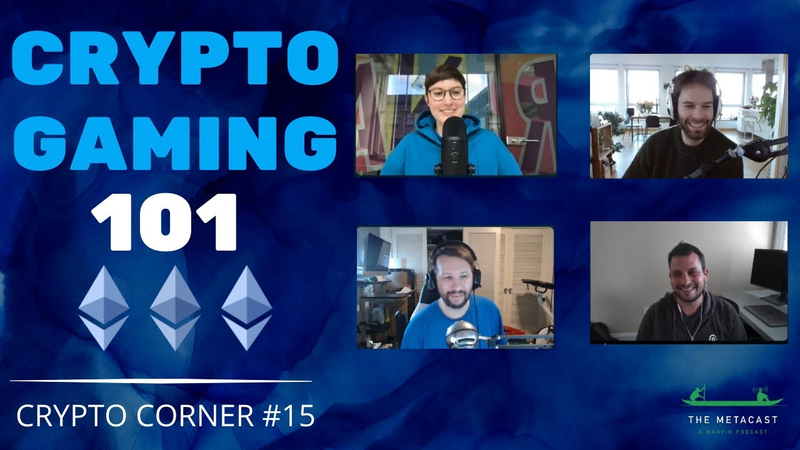
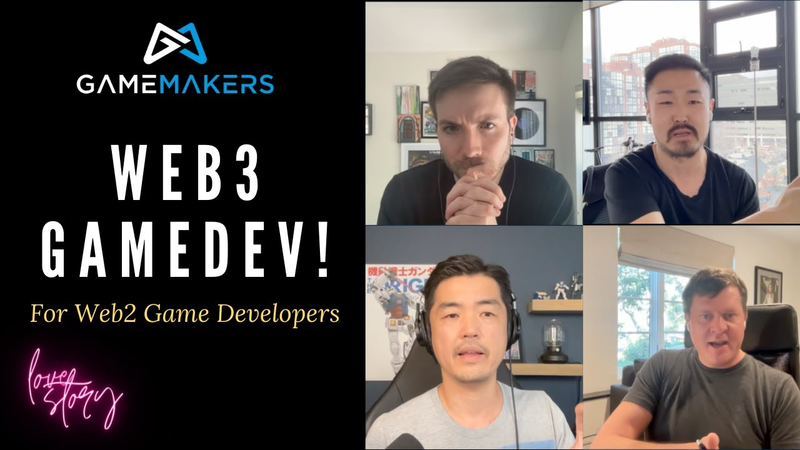
hello what's up everybody today we will be discussing the current state of an opportunity space for traditional game developers around web3 and specifically what we're going to be talking about is first of all what does web3 even mean anyway secondly what are the kinds of opportunities that traditional game developers should be engaging in or thinking about third what is the current investment environments and thoughts around valuation what companies should we be aware of in terms of great emulation targets or companies we should look at in terms of web3 and then finally future trends and predictions and we'll we'll see where this conversation goes just to give some folks some context um the uh we kind of met during gdc and there was some interesting discussions around web3 and how game developers should be thinking about it and i thought that that line of discussion was super interesting so want to invite these folks talk about it in more depth and
these folks include first jeremy horn vp of innovation at fun plus clearly as uh since you're in charge of innovation i'm sure web 3 might be part of the universe of things that you're looking at uh christie ceo at ukin games and nico vori founder and ceo at block stars and so i i thought we could kind of jump in in terms of like first talking about you know jeremy and chris you maybe you could tell us a little bit more about your companies and what you're doing but how you guys are thinking about web3 if at all and then uh nico it'd be great since you're kind of actually doing stuff um block stars in terms of web3 maybe you could tell us a little bit more about specifically what you're working on but maybe starting with you jeremy yeah happy to talk about it i think for context right before joining fun plus i was uh the vice president of business and strategy at gem city where i worked
on champions ascension um and that kind of led me down the rabbit hole of crypto gaming it was you know learning trial by fire as you know on all fronts from regulatory perspective the technology perspective the chains the gaming what does it mean and uh i really fell in love with it after close to 10 years in free to play so joint fun plus uh and my role is kind of to track the evolution of the market not just you know web3 but across all genres and platform but you know 90 of the discussions i have right now with fellows in the industry is all about what is web3 and how does that impact our business you know how should a company like fundplus consider uh web3 and its implications so a really exciting time uh for us so sounds like you're the right person to have on this podcast as well jeremy hopefully uh yeah my name is chris it's uh it's nice to chat with everybody and it's great to see everybody at gdc as well um we i run a company called you can games we make free to play mobile games we've
been around for about 12 years mostly casual games like uh solitaire and stuff and the the interest in web 3 uh actually started um at the beginning of last year for me as a on the investment side um just you know started playing around personally buying some assets with some friends who some of which have dived really deep into the space starting companies off of that and otherwise so got to see um just a really interesting set of activity that was happening tangential the games at the time because it's just digital art and people buying things um but clearly uh as you extrapolate from um that activity that that we are seeing happening in abundance um it's moving more and more towards a game um varying approaches that that companies have taken um all kind of end up around you know monetizing and or building worlds that are meta versus like you know that that are that look a lot like games um and but i do think that from a timing perspective were earlier and which is why you've seen activity in in in other areas uh we have
seen some full games as well that have that have launched here but uh not uh you know um i don't think that's the end iteration of those so um and you can we're we're yeah we're just exploring the space and you know trying to understand what's gonna happen moving forward we love innovation and trying to be innovative and keeping up with that so okay nico yeah great to be here thanks for having us um we're looking forward to this discussion uh i'm nico founder and ceo of block stars and we are actually building a game on blockchain right now it's on the solana blockchain um and it's a management simulation game with a music theme my journey into web 3 is i think similar to to the rest of the folks on this panel but um i got my starting games very early uh zynga a pre-facebook canvas so we actually had mafia awards i worked at mafia rosa myspace then farmville on facebook frontierville poker then transitioned into the free-to-play mobile space um
where there's a lot of parallels i think that we're going to talk about today about you know user adoption of this new kind of freemium model of replay model um you know made mobile games had to adapt game design techniques for this new form factor uh made voice games as well for both voice devices you know at home devices google and amazon and then also for mobile in the car we actually made games for uh car drivers and commuters um and so the through line for us as a team um many of us are like zynga worked together for years on these various companies the through line for us is like you know we just love new technologies and whenever we see a new technology emerge or a new platform emerge user behaviors also will change and they offer new economic models new gameplay models new design challenges and it's just really fascinating for us to kind of go into that space so web 3 is kind of this journey for us that's been throughout these different kind of technology evolutions and revolutions um bringing
us to this point and again this is not the end point i think we all agree like we're so early in this space they're going to be a lot of innovation some things aren't going to work others are um but yeah we're just really fascinated by the journey that consumers often take um into these kind of new new spaces so yeah web 3 is definitely a new frontier for for gaming for sure right and so jeremy you had mentioned that at fun plus one of the things that you're working on is is determining what web 3 actually means so maybe you could tell us for you guys what what does web 3 mean and then chris and nico if you guys could weigh in on whether you agree or hopefully disagree yeah hopefully disagree you know my my texts are very conservative and i want to be transparent i'm not a red pill person who sees it as like this incredible transformation that would change everything no i i think web 3 is a tool that allows for ownership of digital assets often you know the criticism is well we could do this previously in world of warcraft yeah you know trading
marketplaces etc and while it's true it was not a good system it was you know full of frauds and cheats and bugs uh and you could not have you know trust in what you were acquiring but also it was not scalable right a small developer could never have built a world of warcraft type of marketplace in in any meaningful way um the example was i think nedi's at a similar marketplace but there were literally hundreds of people that had to verify the legitimacy of the assets that were on their platform in order to trade them so not scalable at all so really to me webtrees remove the meta metaverse buzzwords and all those things it's just a tool that's going to enhance the games that we develop i do not believe it's going to be this like brand new vertical of gaming no it's going to be great games with this added layer uh of ownership chris is that how you guys are thinking about that as well or is it different um i think i think it's generally similar like i really see web 3 as a new
primitive um i i think where there's a lot of changes is in the business model so we're you know free to play i guess there's also a big change in business model and a shift but it's slightly different in nature here it's the primitive that you're adding is incentivization so jeremy talked about ownership i think ownership is at the core of this um you can't you know in my mind you can't really have web 3 without the financialization of things and the training of things and so um that's what we're bringing to bear and and what that does is it starts to have these effects on on the business model you're no longer selling primary one you know um where the creators are selling uh all the goods and they control all the supply uh once the supply is out there it floats and it trades and people and that's how you really uh give people the sense of ownership if you don't have that and there are a lot of sort of web three plays that are you know they call themselves web 3 plays but they don't have that aspect i think that you you you're not grasping that that piece which is perfectly fine
like free to play exists and other business models exist but that's sort of where the innovation comes in so i i would agree on that part and i try to elaborate you know on this new primitive and i think it'll lead to really interesting um dynamics i mean incentives drive everything really yeah and maybe to your point on incentives chris i i think the the the one aspect of web 3 and to your point jeremy when you said that you know some people ask well what can you do with web3 that you couldn't do before but i it seems like maybe the economic model or the incentives in terms of like also having access to a crypto rich community right that so a community of people who can buy stuff as well as the economic model around potentially having initial token sales to fund further development or things like that but i don't know if you guys would agree that you know i mean maybe that's not the technical definition of web3 but maybe to the point about incentives and how is it different from you know traditional
other other thing what can you do with web3 that you can't do with other technologies i don't know if you guys would agree or disagree with whether that's also a difference as well but um yeah i think joseph you've made some very good points there i think one of the things i'd push back a little bit on is that you know you described how people are doing you know economic models token sales to fund things i think that's just that's just a tactic right and those are going to evolve over time i don't see those as fundamental to web 3 in any way shape or form it's literally just a funding model it's a crowdfunder it's a kickstarter it's essentially what it is yeah um so so that that's that's not something i think personally is actually that critical um i do think it goes back to the digital ownership piece which i think is is really important and for us we're seeing that you know in real life you know we have a very active discord community we're constantly you know we're building the game we're co-developing it with the community and i know that's not new either that's not like necessarily a web three thing but because of that layer of ownership because there's that kind of connection with the digital assets um the community is much more involved in a way that i have never seen in my career
as a game developer and it's actually really wonderful to see because it kind of creates that really strong bond between the game dev and the end consumer right the end customer and they really are customers because they've all you know yes to your point jose they bought in and we did a token sale as well um but it's that's not that's not the be all and end all in fact we didn't really need to do that because we had funding that would allow us to do that but we chose to do it because the the connection with the community becomes so strong and it really allows you to kind of co-develop the road map so for me the most exciting thing is that digital ownership piece and then two is the economic model um the the reason we did a management sim and we chose to build a management simulation game which is essentially a giant spreadsheet under the hood is because we think that the game economy becomes so much more interesting when you've got a token involved whether or not you're trying to like do play to earn or play and earn or play and you know win and earn there's lots of different things floating around right now we're definitely not play to earn we're trying to make a fun game first and foremost but i think those are the interesting pieces to me is is that kind of connection through ownership between the
game dev and the the player and then the opportunity to make much more interesting economic models and game economy designs uh compared to to the path because there's a more at stake right it's not just the free to play like here's your coins like it's completely worthless and meaningless even if it's not worth very much it creates an interesting incentive and i think that's really powerful to expand on that and i agree with everything that nico said from a developer's perspective they'll just an additional incentive is that you're going to get a royalty in perpetuity of all sales right in the free-to-play model when i you know sell a character and i've worked on multiple like character gotcha type of games you sell it it's a time limited event it's gone you will not never see a dollar out of that character again and it's a content treadmill non-stop non-stop non-stop and here you've got a system that i think is i wish we could see that in the entire world especially for artists when i've got a character that i sell you forever when whenever that character is sold again i get a portion five percent that percent whatever i decide and that creates sustainable businesses right if i were
to tell a friend who's like a painter hey every time your painting gets resell result you're going to get a portion of the sales that would change the livelihood of so many people and i think that's what is so powerful is that it creates incentives for the buyers the sellers the owners it creates a much more i would say viable and sustainable business for everyone which that i really really appreciate yeah and a friend of mine who is working in kind of crypto web 3 had once described i think this aspect of what you guys are talking about as kind of like the stock market for millennials and for like folks in emerging countries who may not be able to buy a house but they are able to buy something in you know in in whether it's a game or within this more digital economy and so kind of like i thought that was kind of an interesting way to think about it in terms of like you know as older folks in the west may be thinking about stock market and you know how do you invest your money in in into
something that that's how some people may be viewing uh crypto and web 3 as well that i'm fairly negative on and the reason is that we've seen with the ico wave right okay how many coins panned out out of like the thousands and thousands and we saw and we heard the same type of feedback and even then i was like this is i don't believe in this right right it's because there's no greater theory type stuff okay um so the aspect of like oh this is gonna allow like people to invest i think some people can invest like you know portions of a bitcoin or some cryptocurrency but that at this point it's speculation just like if you were to buy a stock regardless of your location but i agree that it allows you know some people especially in southeast asia or in some countries that have limited access to american stock um to invest their money but the idea that it's like the next way for people to invest in like digital goods i'm like very few of those games are going to work and we see it right now like most of the coins that have been listed by games are on the on their way down like
yeah i'm not sure i mean and here's why they're i mean everybody who's designed a game knows that an in-game token or in-game economy is is by definition inherently inflationary right and so there literally is no possible way to control your inflation if you are designing your currency to be inflationary right now the question is then just managing that inflation how bad is it and we've seen and again i hate to pick on axia but oxy infinity of course is the big you know thousand pound gorilla in the room like you know they've got a ten to one uh like inflation rate at the moment and they're constantly trying to fight it and they're you know to their credit they're doing a decent job of kind of keeping on top of that but but it's it's it's a it's a never-ending battle right you've talked about content treadmill well economy treadmill is going to be the problem i think for a lot of um uh blockchain web3 games right and i wanted to kind of follow up on two points that you made nico in terms of like how you guys are specifically integrating blockchain web3 into your
game but when you think about the broader context of other game developers could you guys talk about like the specific ways in which you would use this technology into a game whether it's selling nfts or you know whether it's selling land or different types of approaches and maybe chris like as you're looking at the space what are there any specific capabilities or things that you're thinking about that excite you like hey we could do this in this game or something like that nico did you want to go first or i can uh sure i mean i could talk about the specifics of what we're doing and then yeah i'd love to hear chris where you guys are looking at um so yeah i mean our glock stars are essentially musicians um they're we did a collection of ten thousand there are nfts and our take on them is that they're they're you know they're the characters in the game uh you play with them you upgrade them and that's you know so typically nfcs are thought of as immutable and and ours are to a degree because medically they are and they're kind of what they were
minted with doesn't change but they also have skills that we you know store on the gameplay server that are just separate from the blockchain um and we're you know upgrading the block stars as you're practicing and busting and gigging and releasing singles and forming bands and you know playing the management simulation game and so our take on on how we are incorporating web3 technologies and blockchain in particular is to take the kind of notion of immutability and ownership digital ownership which you know still is there like you own your nft you can do with it whatever you want sell it keep it burn it that's up to you but we're then layering in this kind of gameplay piece which is allowing you to improve your nft uh which we think is quite neat um and so you form this connection i can easily see somebody doing like a tamagotchi style game where like you're you're keeping your digital pet alive and you're it's growing with you and there's a few of those projects happening but that's our take on it which is like again it's it's it's kind of piggybacking off this notion that i mentioned earlier which is there's this really strong connection through digital ownership with your in-game assets and people are you know giving their block
stars names and they're giving them literally giving them twitter accounts and tick tock accounts and they're they're all of our block stars are 3d models fully rigged and animatable and we give you the fbx file you know as part of the the nft sale and so we've got a whole bunch of uh you know artists and animators out there who are creating these incredible music videos and they're having them dancing on their kitchen tables and that's the kind of thing that you don't really see and you can't really do even in kind of free-to-play or more traditional gaming like the character is whatever the game developer says it is and it just exists in the game with us people are giving life to the block stars outside of the game environment um and that's really really interesting to us and that's kind of a you know like we weren't necessarily even expecting that we were kind of hoping it would happen but we didn't expect it and it's that kind of nascent behavior that you're like you see something of you know there's a grain of something there and you just like i just want to kind of pick at that and see where that thread takes me um but yeah that's that's the way we've incorporated blockchains that is really really digging into that digital ownership really digging into
that kind of like hey i want to form a connection i want to improve this blockstar it is a management sim so that the game design is intended to be played over years not months and so it's meant to be something that you really form a deep bond with um so let's see how it goes uh so far so good and again we're seeing that kind of community um behavior is is very much in line with what we hoped we would see at this point but yeah chris i'd love to hear like how you guys are thinking about it yeah yeah that that's super cool nico what you said i think it aligns a lot with what you said about community which i really agree with is very different in this case and and i think there was the the community forms as a result of um the incentive and the desire it's not everything it's not everything is driven by incentives but it kind of starts the the flywheel on that um the what i've observed is i i actually think the playbook um to generating revenue and building a business here is now a lot more straightforward because we've seen certain uh pillars of success um and i would temper that with where we are in the industry uh or in the development of this industry
which is still very very early so there's still a lot of unknowns but the things that we know are people want to buy land there's a market for land it exists now and no it needs to be legitimized by the project itself and by the people behind the project but people want to buy land people are willing to buy assets um so you know pfps or like profile picture assets and collections and things like that if you want to buy everyone needs token everyone needs a marketplace and i think if you kind of start with that you know there's a meta thing that's happening right now and you can argue you know game developers you know look at it as an industry is like well this is an opportunity for us to raise money um because people see a lot of potential in this future and the structure of the industry is going to shift as a result of these changes because what what happens is if the dream is like ready player one as just an example i know like you know people reference that movie as an example it's like compatibility is starting to be worked out um so i do think that in in the
future you will see um assets move between games and we haven't seen that at all yet and that's why it really kind of doesn't really make any sense um but that is where we're going and that's sort of what's exciting about it and so the structure of game development starts to shift we already see that in free to play in some senses where you know game developers kind of copy each other um you know when when someone learns something and the technique or whatever um then the the smartest game developers will will learn about that technique and will try to implement them you see a lot of games that look very very similar but we haven't seen the um the the layer of transportability between things and i think that that will form it will form with the um the largest influencers of this of the space and i think there are certain parties that are just taking it at the right pace like the the problem with axi and and again not to pick on them but um they dove right in i think they're in a really good position because they you know they built up a capital base where they can kind of build but they've also jumped in and created a variety of problems for themselves which is where the challenge lies in that you have to
set your tokenomics and you have to be um you know it's the double-sided edge of the community aspect which is they want to know what's going on they're demanding updates um they want a roadmap that's clear but game develop is never clear like you know how many times when we launch a game is that the final product that's not at all it's actually in free to play that's the beginning of your journey um and you're iterating and you can that sort of runs in contrast to this but i think what's interesting is that the community is going to form differently and these standards will form um and and that'll create the structure of the community as a result are going to be different chris and nico i think this reminds me of the kickstarter wave right where we saw a ton of products that were heavily invested and a lot of those products did not work and what happened is that today it's much harder to raise capital on kickstarter than it was when kickstarter launched right and i'm always wondering when it's going to be that tipping point for crypto right because right now there's there's craze like every craze
and every hype it tends to fall down right and yes right now you're able to to you know to raise capital to sell items early but i am really worried that as most of those bets do not pan out and as consumers are left with the bags we're gonna see that trend decrease and that's why i'm always like separating crypto as a tool that's gonna engage people more meaningfully you know fortnight if i could own my skin and do whatever i want with them that would make the game so much more fun to me that's why i separated from like well the craze that we see on like early capital raising nft drops land sales i'm like those bets are not proven and i think once the you know i think once more and more fail this is going to that money is going gonna dry out just like people don't always like to pre-order a game because maybe the game is gonna suck um and then it's like the classic segue and i know joseph was one of your questions is like the hack that happened on on ronin this
week like you know this is another case of well what does it mean for consumer trust right because some people get burned and axe is doing the right thing they're raising capital and all their true numbers players affected but this is not going to be like a one-off case and axi is in a unique position where they can raise more capital and reimburse people right mom and pop shops small 30 people team in san francisco montreal they're not going to be able to like reimburse 200 million hack and i'm i'm really worried when i see you know this like hyper excitement that maybe is not going to translate into like long-term just name sustainable business right and jeremy to your point maybe we could talk about that we can circle back on the community question a little bit later but given that hack of axe infinity and i you know they have to do a big capital race in order to make some of the you know their players whole but certainly not every company is going to be able to do that that doesn't have the scale and the brand and kind of like
the position that skye mavis has so in terms of like as a game developer when you think about some of the risks out there what should traditional game developers be aware of in terms of the risks whether it's the risk of the specific chain that you're using or hacks or things like that and maybe we can start with you niko since you're in the weeds on this what what are you worried about oh man it's i mean it's the wild west right and so uh it's like building on quicksand and that's part of what we love like as a team that's kind of our dna and that's you know we like to be early and we like the opportunities that it presents but but that's the challenge also is that you know you're building on quicksand you know we've chosen solana they're a great um you know layer one solution um but because they're great they're also attracting a lot of developer excitement and interest in constantly growing their number of projects and that means that there's a lot of network congestion and so as a game developer if you're relying on on-chain activity right i mean you need
to actually you know interact with the solana blockchain and you've got network congestion and the transaction fails well your entire game is unplayable right um you know and ethereum has their own problems of course you know that's why you've got this whole proliferation of layer twos you know with the gas fees and what have you so everyone's trying to solve these problems um in different ways and nobody's really got a perfect solution um just yet so yeah as a game developer what i worry about is is what what i've always worried about as a game developer which is platform risk and platform over reliance you know with with zynga it was you know so much reliance on facebook and as long as the relationship was good times were great but then you know once facebook inevitably started to kind of squeeze a little tighter and say hey maybe you can't use the request channel in the feed channel quite so aggressively for your farmville um requests uh that started to kind of impact the business and you know kind of slowed the growth down quite drastically you know mobile is the same thing like you're kind of at the at the mercy of the app stores right and their rules and regulations and their 30 tax and you know so there there's always that
platform risk and it's exactly the same even though we talk about decentralization and that's like the big buzzword one of the big buzzwords for blockchain like you are still entirely reliant on the platform technology platform at least that you're building on um and if if that's you know shifting from underneath you or it doesn't offer a perfect game you know because they're not designed for for games right like blockchain is not was not built so that you can make great games right um so so that's the biggest thing for me is just like it and it's just it's like flashback from every single gaming company i've started and been a part of you know all the way back to zynga which is like oh my god you are so reliant on the platform for your success and if the platform plays nice with you you're gonna do great but if the platform shifts you might have some trouble so that's the number one thing that keeps me up at night for sure and nikki is it too sensitive for me to ask you about the other like other what else do you consider besides solana and then why did you guys choose solano versus something else yeah that's a really good question uh and we get asked that all the time so we did a pretty extensive uh deep dive last
summer uh and into the early fall looking at different uh solutions and at that point solana hadn't really like they existed but they didn't really talk about gaming and we looked at them and didn't you know they seemed to be more about defy at that time so we were like okay we're not gonna look at them and so we looked at all the layer twos you know like you know fortes and polygons and you know gothic games and what have you all building on ethereum um and you know we had a short list of them but then solana popped up uh kind of out of nowhere or re-emerged and had made a big big big push for for gaming as one of the primary use cases um and we had a great relationship with them we still have a great relationship with them kind of a and they have a games team and you know anatali is on the record is saying that you know he believes games is the um you know the on-ramp for the mass market um to adopt blockchain because you just want to play a fun game and you don't care what's under the hood you don't care it's blockchain or solana or whatever powering it and it happens to resonate very strongly with me like that's you know our thesis as well like new technology platforms equals great opportunities for gaming and entertainment and so uh we ended up just
deciding like hey this is great um they're less decentralized so if you're like a you know bitcoin maxi or ethmaxy like you look at salon and you say hey look it's like you know a venture-backed company right but we're not we just want to make great games we're not eat maxis or bitcoin maxies or decentralization maxis you know we just want to make fun games that are hopefully performant um and that can scale with the with the platform so that's how we landed on solana in the end it was a combination of tech their focus on gaming and then kind of just personal relationships um and strong support got it and chris or jeremy when you guys you know when you look at the web 3 opportunity and when you think about some of the risks and you know jeremy you're the one who brought up the axi hack what are you guys most worried about for on from your perspective yeah i think niko talked about you know being reliant on platforms overall i think users trust the apple app store right it's like you're not gonna get hacked when you buy
something it's a clear transaction and you've got direct recourse if a problem happens i contact apple i say hey i bought this pack for it was a mistake and us developers we you know give the money back pretty much through apple um yeah it's the wild west you know you hear a lot about like this is an added level of security blockchain can't be compromised well the problem is that there's no one blockchain there are so many and the market is so fragmented avalanche solana polygon wax like and we all agree here i'm pretty sure the future is going to be multi-chain right but just like we talk about interoperability it's not a one-to-one correlation between one change to another like bridging it's not as easy as it sounds at the moment you have a bridge like just like in real life that's like a place of weakness and what does it mean for a consumer and navigating that it it's tough because yeah it's unproven and if you remove the
myth uh you know that all of the chains are telling you about like security etc you realize that under the hood like everybody's playing you know building the plane as they're flying it like everybody and that means risk for the consumer and i think we're all in gaming just to be here for a reason is that we want to make gaming we want to be creating fun for consumers right like if we wanted to make really deep money we would not be in gaming would be in finance and and defy but that means we we love our players and it sucks when you know that oh you created a bug where it was natural game being down for an hour people are pissed about your game being down for an hour or a couple of hours sure it's like sometimes livelihood of people um and that that carries like an added level of responsibility that we everybody has to be very diligent about yeah no i mean i i i totally agree that that's uh you know those are the risk areas i think across the industry the the negative part of where we are right now and this is sort of the unfortunate
uh you know side of of innovation in general is it attracts all sort of actors it's like there's a lot of euphoria there's a lot of excitement what comes with that also on the consumer side is there's a lot of feelings um that get generated out of this the speculative activity and the financialization which you know relates to the incentives is the beauty of the new primitive that we have here um but it's also the dark side it's also created these cat you know the second order effects where if if my neighbor bought this nft um for you know whatever and then it's it's gone up 100x and they made so much money and they keep talking about it or whatever uh and then i buy the nft and then i buy it on the way down though and i lose all my money like i'm not going to be happy about that and so i think that's what's created a lot of the negativity i think that that's a huge uh challenge to overcome and i think it's incumbent on all of the developers not just game developers but anyone that's working in this space to promote it in a positive way yeah it's just unfortunate you just have different actors playing in and
everybody kind of um feeding into that and then you've got the the the hysteria of the media you know acting as a negative microphone to to that so um so it's it's scary i totally get it from a consumer standpoint i think it's the job of the companies to make that easier so you know hats off to someone you know nico for instance who's already building in the space i'm trying to build well um and do well by consumers and i think we need to to and it's going to happen like i'm i'm being negative here but because i'm very optimistic about the future right and i really believe in it but when i see games that really stay like first nfts are like to eat i'm like this is 99 of the population can't engage with your product like it's just no way like majority of the population they spend like 0.99 every couple of days on your app because that you know i mean the world we live in right now with inflation just the job market it's stuff right and what i really believe we're going to see more inclusive web 3 space in the future
right now it's so driven by speculation that people sell at one east to east just ridiculous and that's like gatekeeping fun i think we're going to see more and more games where you know it's play and earn where you get an outfit and you can resell it you can trade it and then you know you define the price which that i'm very comfortable with but developers also are going to create like better on-ramp of like hey buy an nft for five dollars and you get all of those things it's not needed but if you want that cool hat for your character it's like five bucks but now you can also own it and trade it i think that's like super powerful and i really look forward to that being our daily note so so jeremy that's that's really interesting because i i i think it absolutely needs to happen and you know in some respects it it it does happen uh but i don't think it solves all the problems that we will see because you know there's there's still this element of like take take dapper labs for instance um it's not you know it's collectibles for first and foremost but there's game elements of their um in what they've built and what they've
launched and you know early on um everybody was lining up to buy top shots though i remember the queues being you know half a million even upwards of a million in some cases people lining up because you knew that you you spent 50 bucks on a pack of cards you could automatically sell that for um you know like a thousand bucks or something like that um and that's just where the supply was relative to the market they didn't menu like they didn't you know i don't think deliberately create um that scenario where you know people were speculating to that level um but it created an effect in the economy where that became an expectation and and then you know when when they they started bringing in on a lot more supply that became a problem and so that's kind of weighing negatively within the community there so just just making things more accessible doesn't stop the speculation yeah to be clear i think the secondary market needs to regulate it itself like if i want to sell you my used kind of like hua for a million i can try you don't have to buy it but i can try i
think that yeah that i have no problem with it's really more at like the entry level you know when you see some games where you're like oh the the cheapest to even play the game is 500 i'm like that's not that's not sustainable uh and i never don't know i think that's that's going to change right and i think that just like with any market you're going to see things that are kind of stratified right you'll have the ones that are the two eth like super whale games and that's fine let let them play let them have a thousand players or a hundred players or whatever and that's totally fine like i don't have a problem with with that it's not very mass market and you the average person can't buy in but yeah i mean that game can exist and then you're gonna have everything all the way down to the like hey this is a you know point zero zero zero one e thing or it's even free right it's free to play but then there's this economic component where you can potentially earn tokens or you can win and earn um i think there's just going to be a lot more models and like i think people talk about web3 gaming and it's like this monolith right and and everybody has their own vision of it but they all think it's the same vision and it's not
right there are so many versions of this that's going to be the reality in the future you're going to have just the same way that we have games exist on mobile phones and they exist on console and pc and you can side load them and you have your trusted app stores whatever there's just a gazillion ways to access games and play games yeah but yeah i just think that they're going to be a lot of different versions of web3 gaming in the future the just a lot of different business models and you know economy designs what have you and so i think we need to be careful about talking about web 3 is just like this one thing right 100 yeah just look at the variety you have in games today and like you know even with the advent of of free to play premium didn't get smaller um right it it continued to grow and people you know continued to grow their demand for entertainment based products and stuff like that i think the big question then it becomes like access how it's going to scale right i think we we all know the next big step is going to be access on mobile right right now the flow is extremely friction prone it's not seamless
uh we all hear the rumbles that you know the large platforms are thinking about it and of course they are like they they would not pass on the opportunity of charging uh 30 of the of the sale um but until until that happens i felt like this is going to be a slow growth just because it's you know on pc it's not where mass market consumers are interacting with gaming we often talk about that's going to play about it free to play group because of access on your mobile phone do you guys have thoughts on that in terms of when and if that happens uh i i mean my view is that i think you know if we're talking about apple and google in particular here i think it'll take them a while i don't think they're going to get comfortable like larger companies don't get comfortable with new technologies especially ones that have like potential financial regulations the sec coming down on it um yeah they're not gonna they need clarity they need clarity before they do anything there now maybe you can do like an nft viewer you know like so you don't actually do the transaction on you know the on-chain transaction um you know that might be
okay and is okay i think they've got there's some use cases out there already that are just kind of like nft galleries um but i think in terms of actually interacting you know like on-chain with any chain through a mobile app i think that's still quite a ways away that's that's my view i think they just need a lot more legal clarity around you know what is the regulatory environment for transacting with cryptocurrencies and or nfts um period before they can actually really go there right i thought maybe one other question i could ask just kind of going back to chris some of the dynamics of the of the market that you kind of brought up and some of the negativity as well as like for example jeremy you mentioned that you you believe like a lot of the stuff in web 3 will likely feel and certainly there's going to be some some huge winners but a lot some of the stuff is going to fail um i personally feel like um unlike you know back in the early free to play days there was a lot of criticism a lot
of negat like external criticism on free-to-play developers but today when we see that with web3 developers i feel like there's a little bit more emotion where people are getting really kind of emotional and upset by some of the criticism being levied against you know whether it's web3 or otherwise and wondering if you guys had any thoughts about that i don't know if this is controversial or not but um nico you know you actually working in this space do you feel like how do you feel when when like let's say kotaku you know has has an article that's negative or things like that or how how are you kind of like feeling about some of this stuff so i personally feel fine about it um you know with anything new uh you can expect backlash we have the exact same backlash with free to play early on we had the exact same backlash against social gaming um you know zynga and and played them and playfish and yeah like i remember all of those extremely well and
there was always kotaku every single time so thank you for taco for being being consistent at least um but uh no it doesn't bother me because it's expected um and it actually because because we're building from the ground up like we're not like a let you know so so there's i think there's two angles here to talk about one is developers like ourselves who are like you know we're going kind of you know crypto native if you will like we're going into the weeds and we're building from the ground up um in a way where we don't have kind of a legacy like thing to worry about or legacy player base that we're like upset or anything like that and so we're we're finding our customers where they are right we're finding them in their native environment you know on twitter on discord we're building our community um one by one ten by ten hundred by hundred and you know we're meeting them where they are and so they're not upset about like they're looking for something like this they're excited about what we're doing and so we actually have a very positive relationship with our player base um and the community that that kind of we're encircled by but there is another kind of developer which is kind of your legacy developer has an existing player
base we've seen it i mean ubisoft came out with their announcement and they very quickly unannounced it um you know they were going to integrate nfcs into their games and i think the backlash was huge so so we know the backlash is there we know the kind of negativity is there we expect it um but i do think just like with free to play and just like with social games it's the kind of thing that will will like okay once the dust settles a little bit things are going to be calmer and i don't think that i mean it's very it's very trendy right now to you know dump on web3 right it's very trendy to dump on metaverse it's also very trendy to say the word metaverse right so you know whenever that happens like both sides get their like moment in the spotlight and and get to kind of you know have the the conversation be the conversation starters um i think that'll settle down and i don't think the backlash will be anywhere near uh you know what it is right this very second in time christopher any thoughts yeah i mean i think i think nico is is totally on point it's just where we are in the industry and that'll change and develop over time it's just the phases it
happens with all innovation as well like we've seen these kind of cycles play out before as well and any kind of change people are resistant to today what's different is that you know the transfer of information is so fast um and everybody has a microphone so you just hear all the voices so it just surfaced more and so i think we you know and then that's why you also like to answer your question of the emotional part of it i mean i think the world is just it feels more emotional because we hear a lot of every you know about everything right and disagreements and stuff like that and people can get very emotional about those things so game developers aren't immune to that and the game communities aren't immune to that so it's it's more of the the macro thing that's happening it's nothing specific to this um what i do think where you know we have responsibility is you know as the market grows and has people get you know we we can do be do a better job of being better stewards and and that goes across the whole the whole community it's there's bad actors here and like we need to do both on the platform side they need to
do a better job of kind of weeding out those uh or not promoting those projects and and then we need to see the rise of of projects that are working and those ones get promoted um that set really good examples and consumers then need to have good experiences in those cases to then engender trust what's sad about what like the development so far is that you know you you have this this cloud of negativity that exists that now we have to then get over i wish we didn't have to go through that but it's sort of you know it's sort of where we are yeah yeah at the end of the day like once you get good games that people are happy to play that's that's where like and we haven't got there yet right like we we're so early like there are firstly very few games out there and then there are just you know whatever games are out there are not very good because it takes a while to create good games and it creates a really long time to create good games on a brand new platform where you're figuring out like the technology piece and the economy piece so you know game design has implications so you know
it took i mean the example i always use is you know how long we had the app stores now 2009 right so what are we talking 13 years of mobile basically right and for the longest time everybody tried to build a first person shooter on mobile and never succeeded and i was i actually got to a point like seven or eight or nine years in where i was like i predicted that first person shooters just will not succeed on mobile because you need the controller and the you know the ability to to like see the big screen and uh you know play on console and what have you and then lo and behold the platforms figured some stuff out on the technology side game designers got better and better after you know 10 or 100 iterations that failed and next thing you know you've got pubg mobile you've got call of duty mobile you've got you know apex legends you've got all these different games that suddenly exploded and figured things out and that's the same cycle we're going to be in with web 3 and blockchain it's going to take a while to figure some things out but when they get figured out and you have really good games people are just going to say oh these are really good games and they're going
to stop you know dumping on on web 3 and say okay here's here's what good looks like here's where the bar is set because right now the bar is very low um and and the quality is just not very good and maybe we could dig into that a little bit more nico and chris previously you had mentioned that there are kind of like some playbooks now that you can kind of dig into and kind of integrate into web3 but when you guys think about the current web3 integrations into games and then to your point nico about innovation like how much innovation do you guys think is left in terms of new models new ways of integrating web three and if you guys were to just kind of guess about specific areas of innovation or ways in which it could manifest in games how would you guys think about that i don't know and since jeremy you are the vp of innovation do you want to start sure i mean i think that's why we're all excited here is you know we've been in free to play for over a decade not to say that it became boring but
at some point we were going through the motions right we were following the same recipe products could win products could fail but we were following somewhat of a guideline and here it's i don't know what i don't know and that's very exciting like what is the next model most of the current economics right now are not not working well is there a model that can work super well that adds value to developer and players i hope so but we're all trying to to find it like how can we build great you know crypto games that are fun that create value that are sustainable that you know generate revenue long term that's super exciting yeah i think when chris talks about like there's a bit of a playbook i think not to put blood in your mouth but it's like we've seen things that work and we're all trying to replicate it's like how do you build a great web through community how does it differ from a web 2 community where are the channels that people can be acquired also the ua landscape looks totally different because you can't promote a
game on twitter a crypto game on twitter as an example and so having to navigate those new constraints limitation also expectations of users i think niko was talking about ubisoft you know failing with their quotes currencies like well you're not targeting the right player what does it what do the right player want right what's driving interest what's driving hype a lot of what we're working and that's what i'm so pumped about it's like it's a lot of promise of a better future right but i can't tell you exactly what it looks like i just think it's going to be great and exciting and we're creating you know a new a new space and that that's awesome yeah no i mean i i agree with oh go ahead nico yeah i was just gonna say i think one of the things you touched on there jeremy which i think is super important for you know i'm guessing the audience of this this podcast is you know game developers and kind of web 2 thinking about going to web 3. one of the things that that you know you know we should know intuitively but like until you actually go and try to do
the things that you need to do to build a game and build an audience you don't realize like how little of that stuff exists like we were so spoiled with mobile and free to play and you know console whatever you know what the channels are you know you go to facebook you buy the mobile app install ads you know you do this on twitter you do this on google play like you know you've got the the analytics companies you've got the you know the ad monetization companies you've got the picks and shovels you know you have all the tools that you can use this sdk that sdk that sdk none of that stuff exists absolutely none of it exists and so if you're a game developer you got to go into like oh boy like either we got to build it up ourselves or we got to fly a little bit blind right and flying blind is not fun for any game developer that's used to having all the analytics and all the data at their fingertips um and so that's one thing that's really i think underappreciated about um you know that the state it's so nascent like there's no support structure there is no analytics there is nothing that you can plug in play and big companies are going
to build on that right of course like it's always the same it's like ad tech analytics and gaming right new platform those are the three big boys data analytics for crypto right now it's rudimentaries compared to sensor tower data you know everything that was available the tracking system here you're like i don't even know if those numbers are correct i don't think they are right exactly exactly i mean numbers change on you all the time like because like unchained data obviously is public right you can analyze it but but like depending on like what wallet owns what and how people are transferring things between the others and it's just an absolute nightmare it's like a black box trying to figure out what the hell is going on so yeah there's a really ton of watch training yeah kind of trading so a little little difference you know you said it's never fun for game developer to go to be to run blind i'm excited about it because it became so boring to do ctr tests on like do people prefer this art style or this same art style but slightly different or that's different
like at some point it became so by the numbers right and because see i mean acquiring users is so expensive it's so hard to scale a free to play mobile game right that everybody became risk-averse like we did things so conservatively because that's the only way to like build something that you can scale the shift to brand marketing oh what a relief where it's like finally rather than focusing on like day one numbers via facebook ads we're really trying to go to the community and like ask them like what excites you like what resonates i that that to me is like a breath of fresh air to be honest and chris for our audience could you explain what you mean by a wash wash trade and then any thoughts on innovation as well yeah like wash trading is just um you know the blockchain is public but you can sell something to yourself everybody can have multiple wallets and so a lot of fraud essentially happens by people doing that and why would you want to do that while you're kind of
inflating the value of assets that you might own a lot of or or otherwise making it seem like they're they're valuable and making it appear to everybody else so a lot of that happens um in in the marketplaces and in new marketplaces especially when they're incentivized as well so like a good example would be looks rare which is a new marketplace that launched uh in february like i think 95 percent of the uh the volume uh on there is you know whales kind of trading between themselves to collect the the token incentives but um but yeah so like that happens um and you know what what i meant when i said there there's a playbook is there there are bigger um collections that have emerged and i think they've actually moved at the right pace they haven't built a full game necessarily some people have um but there are these bigger uh uh uh you know like board apes is a great example hugo labs is a great example um where what what do they have well they have a community of of crypto whales um that or or people that got in
early but now have become crypto whales because uh you know these assets are worth a hundred each um they might have bought in at one eighth they might have bought in an expensive price and they have this community of which they can then uh leverage and redirect so you know an example of a play that you might build is like why wouldn't you build a game for that community that community has some revenue it's not the biggest community it doesn't create enough accessibility i absolutely agree that we need things on the lower end as well but that's also where some you know of these interoperability standards will start to emerge is you need um a bigger player to come in and and i don't think the players that were really large in the prior era are going to be the leaders in this one i think they're gonna be a new set um that think about it differently and you know they may not have started out as game developers i don't think any of them actually did um but um yeah but so that's that's kind of what i mean by you know certain pillars of revenue have already been established um and you're starting to see that um the the bigger
players are copying one another like yoga is going to start to sell land well who who figured that out first it was sandbox it was decentraland it was somnium space um versus you know their starting point was assets and then on the axis side well they actually tried tokenomics and play to earn and they innovated there so people are going to take those examples so i don't think it's figured out by any means but i think they're starting to emerge um and then what i'm very interested in is this interoperability is this the the most interesting thing about the space is this the the pace at which it innovates um and how um you know everybody can build on top of one another it's not perfect for sure i think this you know composibility can you know people can kind of take that too far but um that is the ultimate goal here and i think it leads to more we don't have that as much in the traditional game industry um in the traditional game industry everybody's closed off and on their own we'll share advice between developers and stuff like that but we can't actually build on what another developer has built i can now take and build a
game for for with these apes um and you know they're going to launch these 3d models at some point i've even built them myself um and and award them to that base and then i you know i've got a revenue source of a community that i can latch on to um so i love the composibility piece of it and i you know i think it leads to faster iterations we're definitely seeing that as well yeah and chris i thought that was an interesting point you made like when i when i think about interoperability between games you know my previous thinking before hearing what you what you talked about would be like well is would there be an incentive for a new game to actually create that interoperability but to your point like if you're bringing in like the board apes audience you use no revenue base there exactly right right right yeah i hadn't thought about that but i thought that was very interesting and like like look that's a very rich revenue base right like all those people have money to spend their their their crypto native as niko you know pointed out that he's targeting and that's that is part of how we'll get there right it's not you know you're not gonna
unfortunately we've created this negativity on the bottom end it feels inaccessible there's all these barriers but what what have we seen these collections do well what they do in their subsequent drops is they double the quantity they lower the price so apes the yuga has gone through three collections they they've got apes first it was super cheap but you got in early and the floor prices skyrocketed because there's just way too much speculation and and money in the space people have been crypto rich and there's no sinks in the whole uh you know industry right and so this was the first sink so people bid them up and then the second collection which was kennels the dogs that they released um you know lower lower floor we saw and then the third one which was mutants and they put in some game mechanics really simple game mechanics if you're a game developer you're like oh my god they did this and they made that much money it's like crazy um but um you know it it moved at the pace i think at where the industry is and and they supported the community because who got rewarded in that instance the people that bought and the people that bought in and who is passionate about apes now
it's it's those people so they've they've incentivized and not to toot the horn of yuga i just think they've executed really well but to incentivize that that ugc that nico was talking about as well you know the the innovation of apes was that it was a cco license so that means that the owner of the ape could monetize it you know um could capture the monetization and the licensing of that that ape in other use cases so we're starting to see dabbles of that happen it hasn't really materialized in any meaningful way um but i think that's what allows for more innovation and more creators that then come to the table and so i think they've built the right kind of framework to enable that if you jump right to the end product um i don't think anyone has really executed that very well like no one's built this full game but the stages i think are are what's going to be required here because i tend to think as a traditional game developers like i want to build a game i want to build to the end right that's what i'm used to doing um but i think in this in this world it's more about um
paying attention to what's going on and building more primitives that then other people can use or leveraging existing primitives and trying to build other layers it's a bit more incrementalist to continue on on interoperability i think what a lot of people see including myself is web3 is going to be the starting point for the next big franchises because of interoperability right today if i have three games even if they're in the same world let's say league of legends right they've got multiple games now in a tv show there's no real connection between those games they are separate isolated experiences and with interoperability i can build a real world where if you have this character in this like you know first game that character can be in the second game in the third game and as chris said i do a partnership with chris and now the character from my game is also in chris's game and if you own it one time it the usage and the value just keeps on expanding right and and that's what's going to create communities that that retain and build
build big brands i'm like i mean i imagine riot is thinking about it but imagine league of legends if their characters were available in like multiple formats and multiple experiences like suddenly riot big already just doubles and like reach in size right because the proposal is just massive and in this like post idfa world where we're all struggling to cross promote effectively and acquire users like this is also a channel for cross promotion and acquisition like yeah it's not interoperability just for the sake of fun it's also for the sake of like keeping users entertained yeah and i think that's the way that we may want to think about the interoperability issue is it's a form of user acquisition right like with idfia deprecation apple killed value optimization but if you can bring a bunch of people who own apes that's that's your new new vo targeting but absolutely and you know to be clear one thing i've heard often is like oh but if you need to you can't take the model as it is if it's a different game with an outside there's something called meta
wrapping that a lot of people are starting to do where you're gonna have three different visuals for one asset so their sword is going to be you know cell shaded in one it's going to be realistic in the second one and then it's gonna be vauxhall styling the third one and that's all under the same hash so you know we have this concept of like nfc is one image or it's one thing well actually no that thing can be multiple thing within the same component and so suddenly when you realize that you're like yeah i can have that sword in like three different styles in three different games in more than three games if i want to and then that just like unlocks a ton of potent potentiality i mean i think the simple way that the consumer looks at this is like how many times do i have to go create an avatar right like i want one avatar and you know maybe i want two avatars maybe i have multiple you know i have two different online personalities or whatever but i want to create two avatars and those are my avatars i don't want to recreate my avatars and all these other games right and maybe um another topic we could talk about for some of the traditional game developers thinking about jumping into
web three opportunities in terms of the investment environment i know nico you guys raised a series a for makers i i believe but like maybe they led the rams could you speak to your thoughts in terms of the current investment environment for web3 opportunities and it seems like you guys like have a great profile in terms of like the type of companies that investors are looking for but in terms of like the current investment environment and what do you think are the kinds of teams or opportunities that investors are going to be looking to invest into yeah that's a great question i mean it's evolving all the time it was super hot last year you know october november uh cooled off a little bit now but obviously there's a huge number of very very large you know crypto focused or you know what even web 3 gaming focused funds out there with literally billions and billions to deploy um and so i don't see a slowdown in kind of the funding environment i do think that investors are going to be more picky about the teams that they invest in um because i think that jeremy
and chris and i myself and i think all of us actually agree that the vast majority of most projects whether they be gaming projects or just nft projects that you know have aspirations of adding gamification or whatever there's a lot of that going on as well um they're gonna fail right like they're not it's making games is hard and there are a lot of um and i use this term you know endearingly there are a lot of crypto bros who got rich with crypto who think they can make games and it's really not that easy as we all know um and so i think a lot of what's going on right now is is going to be reflected um in the investor's pickiness as well i don't think a lot of those projects are going to get funded that are like you know founded by crypto bros who say here's an idea for a game like we're going to go in a raid like that's literally what a lot of these things are like hey we've got an nft we're going to go raid we're going to earn some token and then we're going to come back it's basically staking but gamified staking so i don't think a lot of those projects are necessarily going to kind of get funded i do think that we are seeing already some really really great you know game designers um game
makers who've had previous success um who are you know big big thinkers who are coming into the space um you know you've got peter moore building on you know gala games they're making a kind of a business management simulation game uh i forget his name now we could probably add it to the the show notes afterwards um but uh um a pretty heavy hitter from i think ex kabam joined um uh ftx uh as their head of games uh i may be getting the company wrong as well but uh there's there you go thank you thank you for for um for that um but yeah i think as you see more and more talent whatever so this is the interesting thing so i was working in voice games previously and you didn't see that big migration of talent from you know the kind of traditional industry into voice gaming and that kind of reflected the fact that like they're you know there what the market wasn't necessarily as big as you know initially people had thought you did see a lot of uh talent migration from you know traditional gaming to free to play um and that is reflected in the quality of the games that are kind of
being produced so as you see the talent migration and that's one of the signs that tells me like web 3 is going to make it right like what you're gaming is going to be a thing how big dvd but it's going to be a real category of gaming in the not too distant future is the talent migration right and those are the teams that are going to get the funding um and it's going to be a mix of like crypto focus investors gaming investors who are dabbling in web 3 and then just you know traditional vcs who are looking at kind of opportunities um in entertainment and content but it's i mean for all the talk about web3 and you know blockchain and wallet enables which is very very exciting you know at the end of the day it's content right it's about producing great content that people want to engage with like that's what we gotta remember right and it's gonna come out of your entertainment budget it's not gonna come out of your your investment budget right it's not gonna come out of your like for the average player at least it's not gonna come out of you're like okay i'm gonna put this in my 401k or i'm gonna buy this nft in this game like no that's not the choice people are making it will be coming out of entertainment budget um and that's finites right like it's shared with netflix and you know mobile
gaming and whatever so long answer there but i do think that the the the investment is is there it's going to be there for the the best teams um but it's going to reward those who know how to make games ultimately um so yeah money is still widely available right now but it's true that the quality bar is you know heightened yeah i think from my perspective what i've been hearing from some of the investors that i speak to is that they're still getting a lot of pitches still like even from last year to this year still like half of the pitches are crypto web 3 blockchain related but still seems like there's a lot of interest in activity there um you know even with with my own company when we were fundraising we had a number of um kind of offers to like if you guys fully pivot over to crypto then you know there'd be more interest or things of that nature but um i think that one other interesting thing that i thought
from an investment perspective was um was interesting is just the valuations of crypto companies and i think there's actually like a little bit of a resentment from the free to play guys around you know why are the crypto companies getting such high valuations but um you know investor did explain to me well the reasons why that exists is because you know a lot of the risk is mitigated from the initial token sales that are possible when you do invest into um a crypto based company but i don't know if you guys have any thoughts on on that aspect of it as well isn't that ironic when free-to-play companies were like raising an insane valuation 10 years ago it's just this is the new phase like you know i'm sad to say but you have to get on board because this is this is what the growth is right yeah okay um maybe um another question uh this could be really quick we we mentioned like a number of companies that are doing interesting things in web3 if you guys were to mention some specific companies that our audience
should look out for what who are some of those companies what are some of the initiatives that they should be aware of i can start i'm very focused on solana so i'm really you know like in the in the weeds there and trying to you know support fellow game devs wherever i can you know the ones that that you know i have a lot of respect for uh so there's many nations is a game that's um it's a first person shooter in the browser and they actually started outside of crypto they didn't have any blockchain integration um but they're they're definitely kind of leading the charge a guy called alex paley is the founder there i think they raised a 30 million dollar series a just recently they have two million registered users um really fun game um you know it's a simple you know browser-based first-person shooter um they're integrating nfts as essentially skins right so it's a very like very simple very clean integration and it's exactly what we talked about which is like hey i'm a decorator i want to just wear this cool helmet um i'm going to spend you know and their nfcs are relatively cheap
so i i respect them for that there's another company called um uh third time entertainment i think they're called third time games um a guy called ian cummings founder and ceo there uh they just raised the seed round their their uh their experience free to play game devs they had a very popular uh horse racing game uh not zed run uh there's none that run but they're basically uh kind of taking what they learned from their couple of million players on the free-to-play horse racing game and integrating that into um uh kind of with the blockchain mechanic uh tokenomics um and they had a i thought it was fun i really enjoyed it they had uh two collections they called it stylish studs and fine phillies uh and you would buy a stylish stud and they would have a pairing a perfect pairing with one of the fine phillies um and then you would breed your racehorse um and that the racehorse is the one you would then use in the actual game itself um so i thought it was fun i thought it was delightful it did it well it wasn't a catch grab at all it was just a very clean and fun way of kind of teaching players how to
like oh these are nfts but you can actually have utility out of them and look out of the end you know comes a merge mechanic which is your race horse for the game uh so i i really like what they're doing um as well so i'll leave it with those two those are the two ones that kind of i i look at and say hey i like what they're doing they're moving fast um they're trying different things out that's the other thing like you don't have to love the merge mechanic or the breeding mechanic um but they're trying things out and it's like just interesting to see what folks are doing and and i think the key in my mind is anybody who wants to succeed in this space has to move quickly right you have to iterate fast because the like if you're going to build a triple-a game and you say hey three years from now i'm gonna put it like no i mean three years from now that blockchain might not exist right like or the technologies are completely outdated so i do think that we're at that kind of uh like very rapid iteration phase um of trying different things out and i think chris was making this point which is like hey you're going to take a little bit of this like you're going to take the axe infinity to economics and you're going to take the you know board 8's brand marketing piece and you're going to take you know something from here and just kind of
different you know you're going to see i think a camera an explosion of of creativity which is typically what you see kind of at that early stage of a new platform emerging we saw the same thing with free-to-play mobile like there was just a crazy amount of experimentation a lot of it didn't work um but a lot of the pieces of you know the things that were actually interesting made it into other titles which then ultimately became you know things like clash of clans which has been around now for god knows how many years right so um so yeah those are my thoughts on kind of the types again companies that i think will succeed um and just two specific ones um that i'm happy to mention and unplug here chris who who else should we know about besides yoga labs um um i mean to be honest i i haven't like i know there's a lot of games out there that that have sort of come more from the traditional game industry uh i'm actually more uh fascinated with um because because the interesting thing about nfts is it's included a lot of other industries it's got a lot of culture interested and so i think the opportunity for brand engagements and things like that is is widened um there
there was a company that i started following pretty early um into like the beginning of 2021 called artifact um spelled uh with without any of the vowels uh artifact um and then they they launched a collection called clonex which was very very exciting before that they they were just really great digital artists that created great 3d work um and so off of that um ability they were able to launch you know uh some great collaborations and great artists they brought in you know they did collaborations with artists and fashion um icons and things like that um and and they eventually got bought by nike uh at the tail end of last year for about 200 million um and you know i think even under nike just the the the show of um sort of excitement from some of these luxury brands as well in this space is is very reassuring so i'm quite bullish from them they're they're quite bigger so they're not like a you know small game studio but yeah
can we gala games i'm just fascinated like you know they don't have that many games that are really live but when it comes to the marketing playbook i mean they're killing it like they're they're so good at just marketing promoting and also being extremely aggressive when it comes to signing up developers right i mean they're taking a land grab approach to be a centralized web 3 destination um i mean yeah they're they're great they're really really great yeah i would have to agree actually eric schermeier is the founder there and you know he's ex-zynga co-founder as well and actually an investor in our company too he's very very smart he wrote the product manager playbook at zynga um and he is also very aggressive and he's he is doing an incredible job jeremy i have to echo that of actually just really pioneering so many things right the pre-sales the signing of developers the the store that they have the gala music the celebrity
music like it's incredible absolutely fantastic so yes absolutely huge shout out to eric and team over there uh for for what they're doing um for sure all right and i know we're running a little long guys so maybe i could squeeze in one last question before we wrap up but just wanted to circle back to community i did notice that in terms of like a lot of the web 3 guys maybe similar to some of the pc hd guys but less so on the free to play side like in terms of community there seems to be a huge focus on discord but like nico in terms of how traditional game developers or me maybe even free-to-play guys like myself who who rarely use discord um how should we be thinking about community what what are your thoughts in terms of developing community for a web 3 game yeah it's a really good question and i could go on for hours and i'll try to be as concise as i can because this is just a really interesting topic that is very open-ended um but yeah building community in my mind is very different as i mentioned earlier um you know on
the show here uh you got to meet your your customer where they are and our view yes we absolutely need to grow the player base to include non-crypto natives but but our belief especially having been in the space now for you know the better part of nine months almost a year now um is that you you got to start with the crypto natives and then you've got to get the crypto natives to become evangelists to bring in their friends because the game is fun right um that's in our mind the approach that we're taking so you know the building of community basically happens and i also mentioned that there is no ua whatsoever there's no targeting no nothing and so it happens on twitter mostly um you start on twitter you start to establish yourself as kind of like a you know a thought leader if you will or at least you know a game that's doing interesting things you start following the account i mean it's just twitter 101 basically um and you start to kind of get yourself out there um that is then your top of funnel into discord which is where the community starts to gel and you've got you know got to be active in there the whole time but yeah those are the two main tools that we're using i think you'll find
most other developers will probably see something similar there may be some variants um you know to to that but yeah you start with twitter tap a funnel bring bring those folks into discord um convert them into active community members you gamify the discord experience like it's actually amazing um you got to look at all the different projects and see what they're doing and there's just a really incredible again a cambrian explosion of community activities um that are just really fascinating to follow so you take what works for you work works for your community and kind of borrow from different um different initiatives that you're seeing elsewhere um and that's that's you know ultimately you gotta have the fun game of course but that's how how we've approached community building and have created something where you know we're very proud of the fact that we have a very active discord folks are building third-party tools which is always a great sign you know to analyze their block stars and their stats and their collections uh to find out which block stars match well with others in the band for the chemistry and all that good stuff so we have at least five different projects internally like within the community going that are just doing different things um so
yeah keep the community engaged give them what they want right like you know it's not about like it's actually really humbling because you don't really set the tone the community does obviously you need to moderate you make sure it doesn't get out of hand but if you've got the right people the right place like the community actually tells you what they want to do and then you are following in many ways um what they're what they're asking for yeah i mean i think i think just to draw on that like it's a really good example because how did you know the older generation that didn't know how to use mobile phones get on mobile phones and use whatsapp or wechat and all these how did your parents get it you know oriented with all these things it's like we brought them in we set up their phones for them and we showed them how to use it in in a lot of cases right and so i think the same thing happens in the web3 case you've got these digital natives now or crypto natives that that will shepherd other people and that's how you engender trust and get over some of the challenges that you see in the headlines and some of the misnomers that exist there that's also what's also created some of the challenges that exist today too though
but uh but i i'm pretty optimistic that we get there eventually one last comment which is yes twitter is very important but it's becoming also very expensive because it's not just about organic communication right it's like you need to work with really talented influencers of koals because they have thought leadership in the space and a lot of people follow their advice and those kols have learned that they can monetize their voice um and so it you know it is a new way of thinking about user acquisition to be perfectly honest your spending in order to acquire consumers and two is don't don't diminish the importance of press in that space right which i would not have said in free to play but strong articles on techcrunch or telegraph current telegraph or coindesk they they do have a very significant impact when we're growing their shampoos community at gem city we were surprisingly positively shocked by the impact of a couple of good press releases like
just that suddenly our community grew by like 20 30k a day it was crazy and jeremy kol meaning key opinion leader is that right yeah exactly got it all right guys well i i think we basically made it thank you so much for your time i i thought maybe just to wrap up maybe if each of you could um if you have a final message for our audience or you know any message you want to get out there in terms of your opportunities jobs things like that and also maybe ending with if you have a specific future trend or prediction for web 3 and gaming and maybe starting with you jeremy yeah i mean i'm hiring in all roles you can imagine you can find me on linkedin um would love to just work with people that are passionate about gaming and the future of gaming and what that entails because it's just such a broad topic um and you know my prediction is uh i look forward to apple and google entering the fray and allowing players to interact with crypto on their mobile
device that's my growl i i heard a rumor that some of the jd's included something specific about crypto so i i think the stores might actually be actively investigating this issue chris um yeah no i mean i'm i'm just excited for i'm i think i think to the developers out there you know stay optimistic and keep innovating right like there's always a lot of challenges there's always a lot of these problems but that's also what where the opportunity comes from um and i'm excited for the innovation i think just on the the apple note i mean i saw a headline the other day of them supporting metamask uh with apple pay so i think there's you know there's certain signs that that are warming up and i think there's just you know will become an overwhelming uh amount of demand at some point um but you know i i don't think that nfts or web 3 is in any means mainstream yet um so it's still very very early days all right nico yeah we're also hiring and you can very
easily find me on linkedin i've got a pretty unique name um and you know check us out at blockstarsgame it's our twitter handle um and you can follow us um there and also find us at blockstars.gg is our website so if you're curious and interested you can kind of go check that to check that out and in terms of a prediction i actually don't have a prediction um you know having been in this space now for for nine months uh what i've learned is that it's very hard to predict anything even a week out never mind a month or a year or three years out so what we're trying to do is just to stay humble and and keep learning and keep iterating and just keep building um and see see what happens but um no big predictions no metaverse predictions no you know technology integration with apple or google predictions like yeah i've just learned to kind of like oh i we just don't know there's so many unknowns we're so early we're so early as they say okay all right gentlemen again thank you so much i personally learned a lot and for
our audience we'll catch you next time thanks everybody thank you so much [Music] you
Summary
Web3 gaming represents a fundamental shift in digital entertainment, moving away from traditional free-to-play models toward systems defined by true asset ownership and secondary-market economies. By utilizing blockchain technology, developers aim to create perpetual royalties and deeper community engagement, transforming game assets into tradable, incentivized goods. This evolution is driven by the potential for asset interoperability and composability, which allow creators to leverage existing communities and digital assets across multiple titles, effectively fostering interconnected ecosystems that provide long-term value beyond speculative investment.
Despite this potential, the sector remains in a volatile, experimental phase characterized by significant technical friction, regulatory uncertainty, and a lack of seamless mobile integration. Many early projects have suffered from unsustainable, inflationary tokenomics and security vulnerabilities, leading to widespread industry skepticism. This current climate mirrors the early, turbulent days of mobile and social gaming, where innovation was initially met with resistance. The industry is now undergoing a necessary maturation cycle, shifting focus away from speculative "crypto-native" mechanics toward high-quality, sustainable game design that can compete within broader entertainment budgets.
Success in this space currently relies on community-led growth strategies, as traditional user acquisition channels remain underdeveloped. Developers are increasingly prioritizing experienced teams over speculative ventures, utilizing platforms like Twitter and Discord to build trust and foster user-generated content. While the infrastructure remains nascent, the long-term objective is to move past the current "wild west" phase by iterating on gameplay depth and anticipating future integration with major mobile platforms. Ultimately, the industry’s path to mass adoption depends on proving that blockchain-enabled features can enhance the player experience rather than merely serving as a vehicle for financial speculation.