1 free read left. Create a free account for unlimited reading + AI research.
Create free account
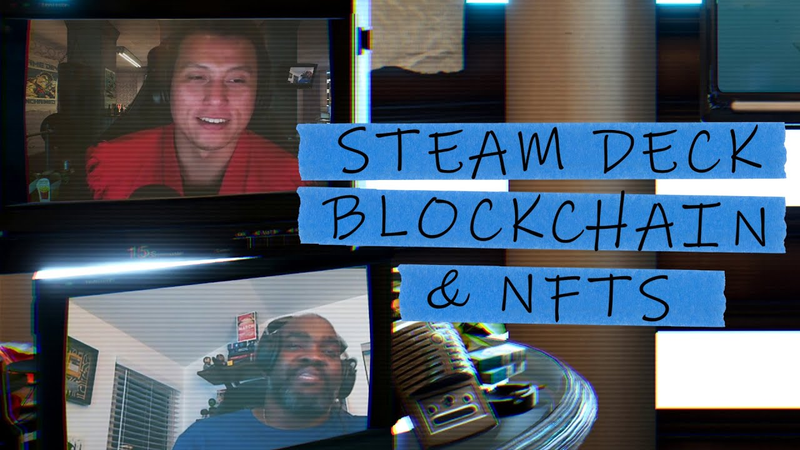
Steam Deck, Blockchain & NFTS is bad for gamers, game developers?
Key insights
6 takeaways- 01The gaming industry remains deeply divided over blockchain and NFTs, as critics argue these technologies offer no functional improvements over existing centralized systems like loot boxes or auction houses.
- 02The long-term viability of blockchain in gaming depends on whether developers can move beyond speculative hype to provide genuine value that does not alienate the core player base.
- 03Environmental concerns and the potential for financial exploitation remain significant barriers to the widespread integration of NFT-based systems within the gaming ecosystem.
- 04Industry adoption of blockchain is currently facing high levels of player resistance, mirroring the initial backlash against loot boxes before they were rebranded into more acceptable formats like season passes.
- 05While proponents claim blockchain provides digital provenance and scarcity for artists, skeptics view the technology as a vehicle for speculation and financial extraction rather than gameplay enhancement.
- 06A primary concern is that play-to-earn models commodify leisure, effectively transforming gaming into labor and raising significant ethical questions regarding predatory financial schemes.
Ask AI about this video
Transcript
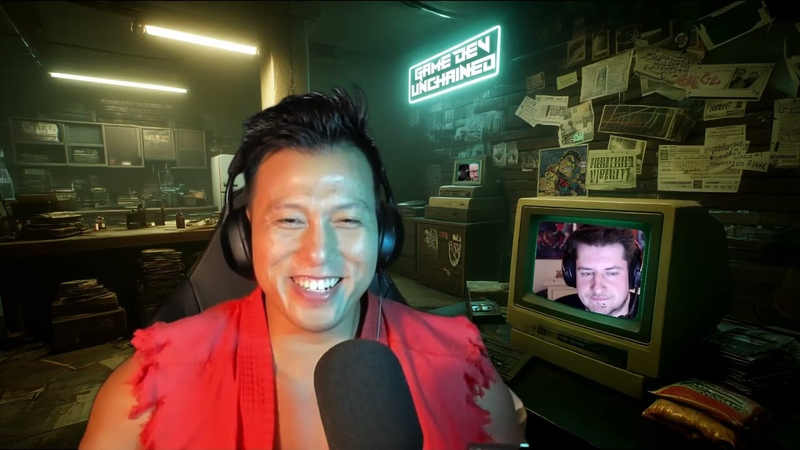
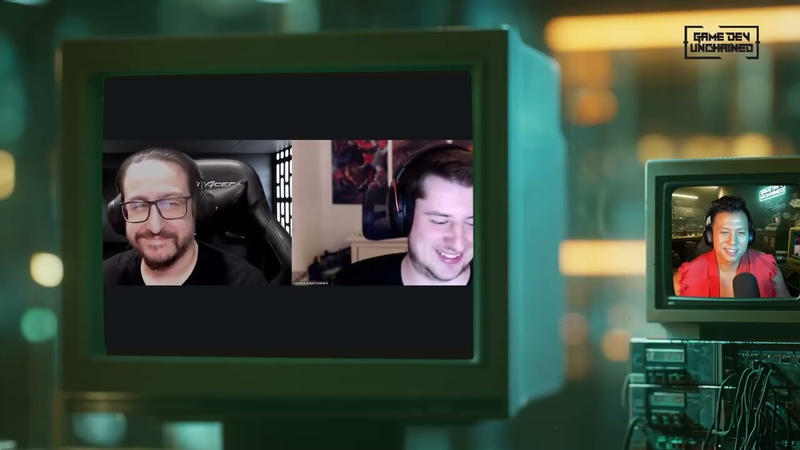
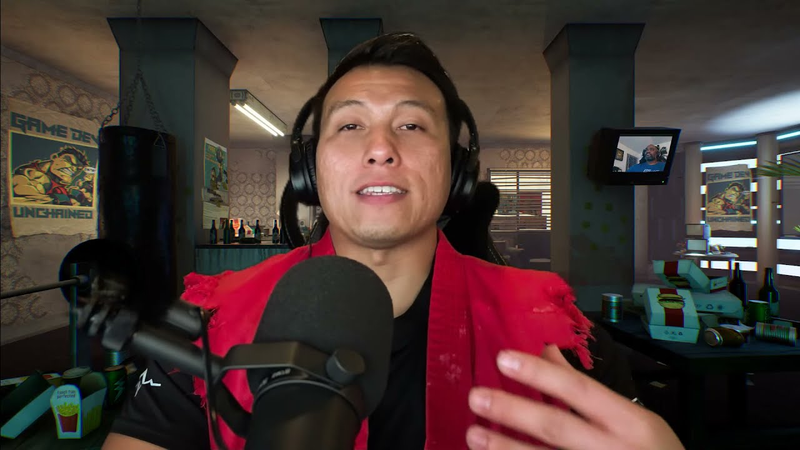
[Music] what's up everybody welcome to another episode of game dev unchained the number one game development podcast about game development and the lifestyle thereof i am your host brandon fam and with me ray graham how you doing ray hey what's happening what's going on man i've seen this this raggedy ryu looking shirt you're wearing like i don't know oh i have an undershirt today feeling kind of clutch but flashing but uh if you haven't read the title we this is a roundtable news episode [Music] as always these are ours of our own please do not try to get us fired at first uh there was a huge amount of hype at least from this side that i liked about the steam deck it's interesting because they have people saying that
like they're like oh a lot of the reviews are good a lot of the reviews are good and then i see a review the title from the verge and the title is the same deck is a glorious mess part of what is exciting about this whole thing is that i think the potential of it outweighs a lot of those shortcomings because it's not like people are being delivered bricks at their doorstep right it does work consoles contest like with these the devices the contents came with completely and if people get value out of it that's what's going to tell the story it's a drag sitting in front of your computer to put you it is on top of everybody's mind and leading up to that point it was all about blockchain and nft right so before you groan before you shut this podcast episode off right i am actually very surprised to a certain degree how people are so turned off by this subject
i'm actually like i'm actually torn on it actual physical art there's a whole process of providence who owned it and keep track of that so that you can know whether it's a legit piece of art you know right so you can track the owners and and know that it is from this set of artwork and all that kind of stuff so there's there's a whole notion of that and that's what makes it a unique piece of art right like on fortnite you can buy special skin that doesn't affect gameplay because there was a a scenario a phase there where it was affecting gameplay and nobody liked it and we were pushing against it pretty damn hard right so to me i equate that little phase of pushback to now with this blockchain and nft right hey let me be clear right i get so much flack every time i kind of talk to people about this on the podcast or like just researching on it right they're like oh you're just you're just a pr firm for blockchain and nft is like bro
i have i am the cheapest mofo when it comes to buying anything extra dude i am the default skinned dude in fortnite or anything because i refuse i grew up in the pc world where everything was free in counter-strike right where custom skins was made by this kid in a garage and you just download it and locally you change the skin like that's where i come from the modding days all the leaders and the think peace uh people and all the people in this space are starting to start saying like you know there's a whole new gaming segment the whole playing to earn segment yeah and i'm just like bruh that sounds like a job like like you know like games games used to be fun used to be about fun now we're talking about playing to earn not to say that that's you know like you know game industry is very broad and we should allow different things in right but we're also allowing something in that like again is harmful to the environment
doesn't really necessarily serve any sort of practical purpose the technology itself doesn't provide any practical service other than speculation and and taking money from people and there's a lot of ways to create like we've talked about already right there's a lot of ways to create scarcity in a marketplace and unique items in game worlds we've been doing it right loot boxes auction houses like these things have existed right and now we try we have this nft thing that we're trying to shove into games because this is of course we are if this has been the case for the last six months of the year and no one's touching right however you have friends i have friends and they're making and they're selling it to people who wants it people are touching it and i'm forever a friend that's our artist he's all about it right yeah people are doing it because they are making money yes right that is the driver right it isn't about
the usefulness for no but some artists some artists are doing it because yeah they really do believe in like my art is a thing i want people to own i make digital art and there was no mechanism before for me to to guarantee ownership and and decrease its value and to create scarcity yeah there was you could just make 10 different images put it in a server give if somebody who buys it a login to download the picture right and that's their picture and if they choose and if they choose to have someone copy it or make a copy of it yeah but you can still have nfts entities are not uncopyable you can still copy them right you just right click save as right but then they say oh but it doesn't have value because it doesn't have the blockchain attached it's all digital art yeah and i steal your art and i i meant it i've now decreased the value
of your original creation because now does it though it doesn't it doesn't if it doesn't decrease the value of the physical art because there's a lot of printed version i'm just xeroxing it over and over and over right if it doesn't devalue the original art the digital version shouldn't be devalued either because it's being copied right there is there is a bragging right and traceable bragging right saying that now there is an original digital art that someone does own and you can trace it back to history there is if you are into that type of world then it should have the same there's no difference to giving you a password to a server that's hosting that image okay now you're talking about kind of windows pc and valve steam deck only a few will do that they need a third party to handle the same thing there's no difference yeah to me and i'll end it with this the timeline is very similar with how loot crate went about it right it took a few years for
us to figure out the formula and part of loot crate is existing right now with these downloadable packs or season passes right to me those are loot crates but done in a very tactful way and it took us a while to get there i mean i hate the fact that people forget that and they say well we fought loot crates and it died it's not didn't die it just got repackaged in a way that was acceptable and i feel they they they found the business model yeah that wouldn't have people in the uproar yeah it also blue crates never never never never never were claimed to be sources people hated on them but nobody said hey you're destroying the earth from from the computing technology
existing nobody has said that nobody has said that your loot boxes are only for criminals to run ponzi schemes right like nobody has said these things about loot boxes right so so so the vitrol is like it's there's a little bit extra layer to it more than just hate on it yeah but i feel nowadays people are a lot more uh uh unphased with these level of threats that are happening as the day passes right it's less people are less shocked uh than they were back then so when you say things like that it just like washes off me like a repellent right it's like yeah yeah i don't i'm saying [Music] [Music] you
Summary
The integration of blockchain technology and non-fungible tokens (NFTs) into the gaming industry has sparked significant debate regarding their utility, ethical implications, and long-term viability. While proponents argue that blockchain provides a mechanism for digital provenance and scarcity—allowing artists to verify ownership of digital assets—critics contend that the technology offers no practical improvement over existing systems like centralized servers, loot boxes, or auction houses. The discourse highlights a fundamental tension between the desire for digital ownership and the perception that these technologies are primarily driven by speculation and financial extraction rather than gameplay enhancement.
A central concern involves the shift toward play-to-earn models, which critics argue commodify gaming and transform leisure into labor. Furthermore, the industry faces intense scrutiny regarding the environmental impact of blockchain technology and the potential for these systems to facilitate predatory financial schemes. Despite this backlash, the industry continues to experiment with these models, drawing parallels to the evolution of loot boxes. Much like loot boxes, which faced intense player resistance before being repackaged into more socially acceptable formats like season passes, blockchain integration is currently undergoing a period of intense friction as developers attempt to find a sustainable business model that balances monetization with player acceptance.
Ultimately, the industry remains divided. While some artists and developers view NFTs as a legitimate tool for establishing value in digital art, others remain skeptical, noting that the technology is often redundant and susceptible to the same criticisms of greed that have historically plagued game monetization. The current landscape suggests that while the technology is being tested, its future in gaming depends on whether developers can move beyond speculative hype to provide genuine value that does not alienate the core gaming community.