Key insights
6 slides
The platform
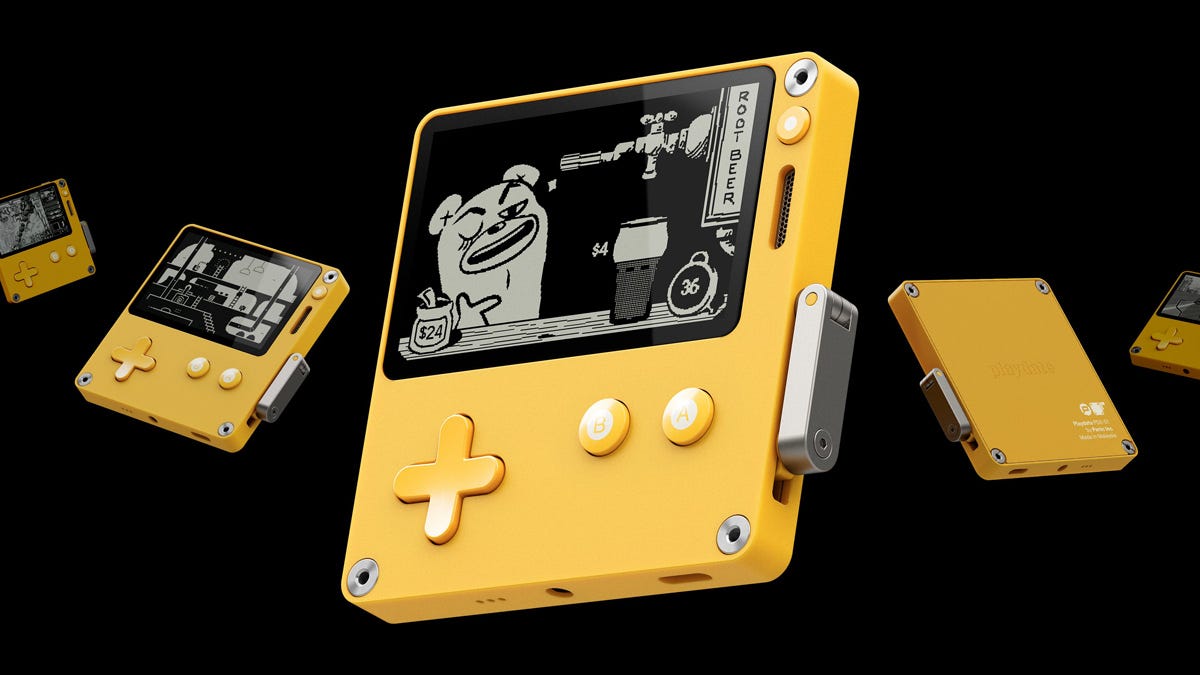
The Playdate is a small handheld console with a crank.
It features a black-and-white screen and a manual crank. Developers use these constraints to design tightly focused gameplay.
Modest scale. The Playdate has a 70,000-unit install base and hosts approximately 150 games.
70,000
Playdate install base in units
- games on the platform
- 150
Technical constraints
Some Playdate games function on less than 40 KB of data.
Developers create significant experiences within extreme technical constraints.
Design philosophy
Developers prioritize elegant gameplay over graphical spectacle.
The lack of market pressure allows creators to focus on unique mechanics. They emphasize emotional expression rather than broad commercial appeal.
Market contrast
The Playdate offers an alternative to quintuple-A development.
The modern games industry is defined by massive budgets and long cycles.
Viable alternative. The Playdate serves as a viable alternative to the high-budget 'quintuple-A' development model.
Future direction
Next game design evolution may emerge from smaller boundaries.
Embracing hardware limitations uncovers new mechanics untapped in the mainstream. The next major evolution may come from developers working within focused creative boundaries.
Creator community
A growing community of creators prefers unique mechanics.
The Playdate serves as a growing hub for creators. They prefer artistic freedom and unique mechanics over market pressures of broad commercial appeal.
1 / 6
Ask AI about this report