
The decline of literacy in modern society poses a significant threat to individual cognitive development and professional efficacy. A central thesis holds that while artificial intelligence tools may offer temporary shortcuts for communication, they cannot replace the fundamental human necessity of reading and writing well. Relying on automated assistance for basic tasks creates a dangerous dependency that leaves individuals vulnerable when they must communicate or think independently in real-world scenarios.
Data from a recent global study by the OECD highlights a concerning trend, noting that literacy rates are declining across many regions, with approximately 30 percent of Americans reading at a level expected of a 10-year-old. This shift toward a post-literate society is exacerbated by a long-term cultural pivot toward image-based entertainment and video-centric media. The consequences of this decline extend beyond simple reading comprehension; they manifest as a diminished capacity for critical thinking, complex expression, and effective navigation of the modern world.
The analysis suggests that the widespread adoption of AI-assisted writing tools creates a false sense of competence. While these tools may help users appear more professional in the short term, they fail to address the underlying lack of skill, leading to second- and third-order effects where individuals are exposed as incapable during direct, interpersonal interactions. To combat this, the author advocates for a return to deep reading and rigorous writing practice. By internalizing complex texts and mastering the logic of language, individuals can cultivate the cognitive tools necessary to think clearly and maintain agency in an increasingly complex environment.

Push to Talk · 2026
Push to Talk · 2026
Push to Talk · 2026

Push to Talk · 2025
Push to Talk · 2025
Push to Talk · 2025

Push to Talk · 2025
Push to Talk · 2025
Push to Talk · 2025

Push to Talk · 2025

Push to Talk · 2025

Push to Talk · 2025
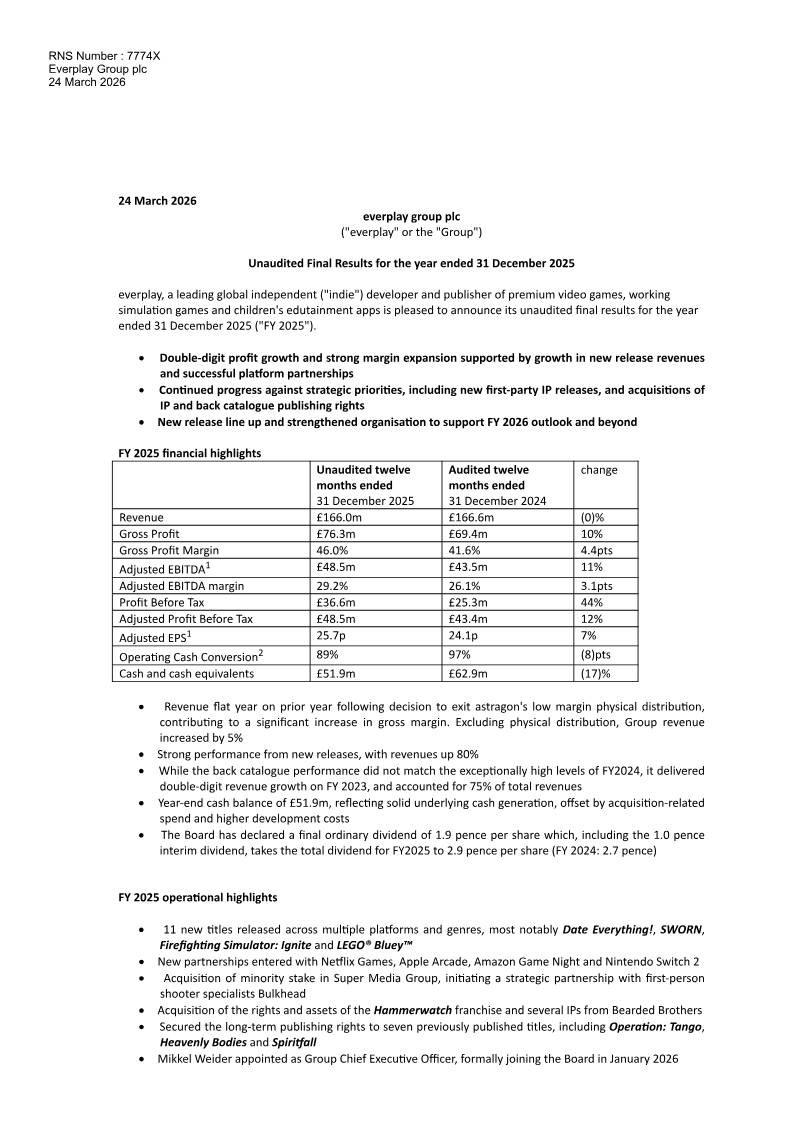
Everplay Group · 2026
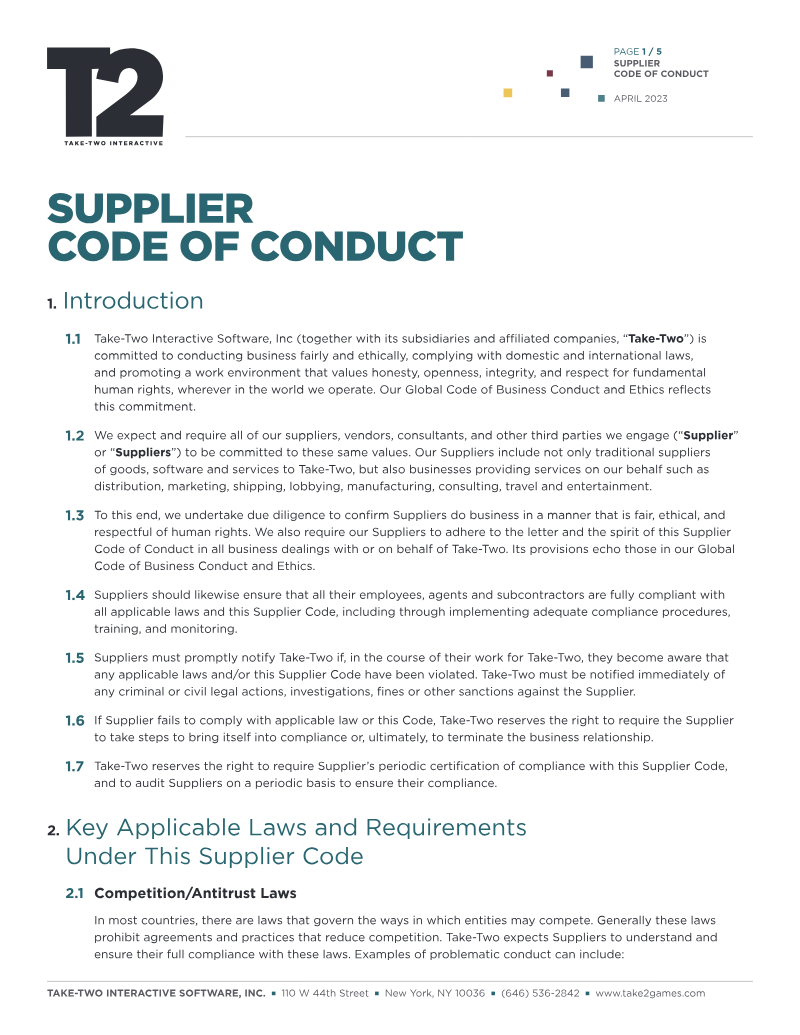
Take-Two Interactive · 2026
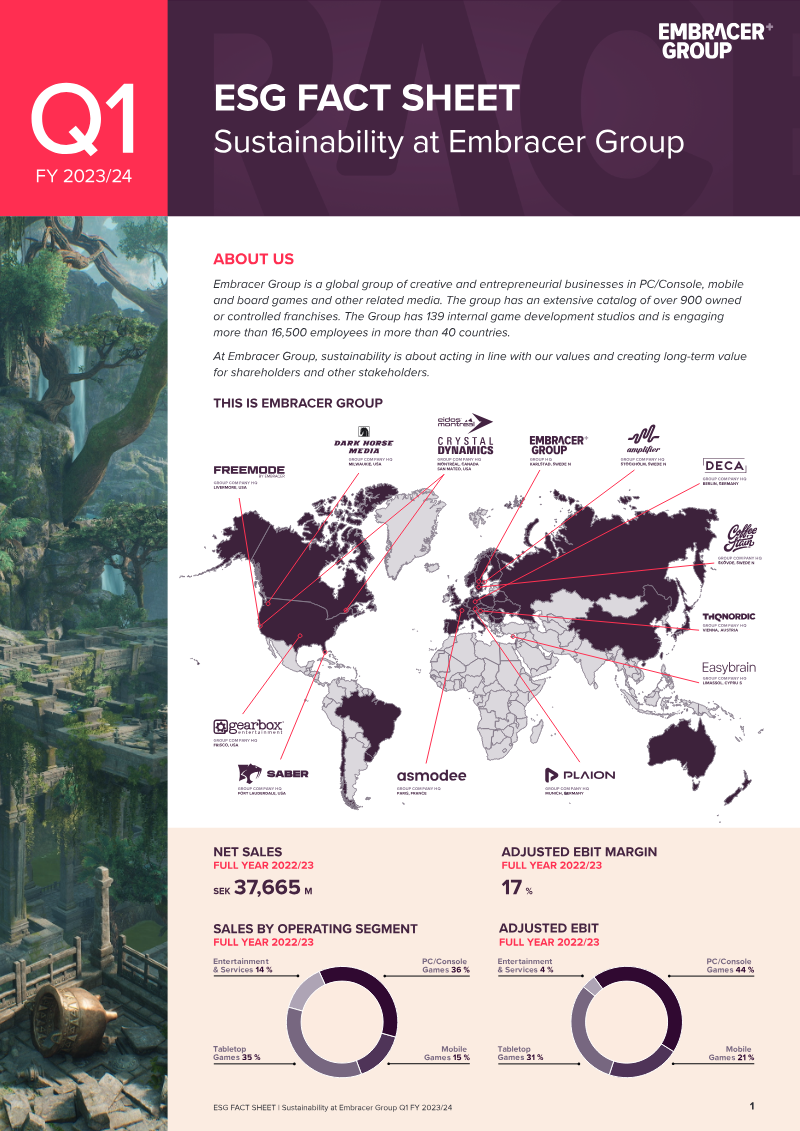
Embracer Group

Playing for the Planet Alliance
Bandai Namco
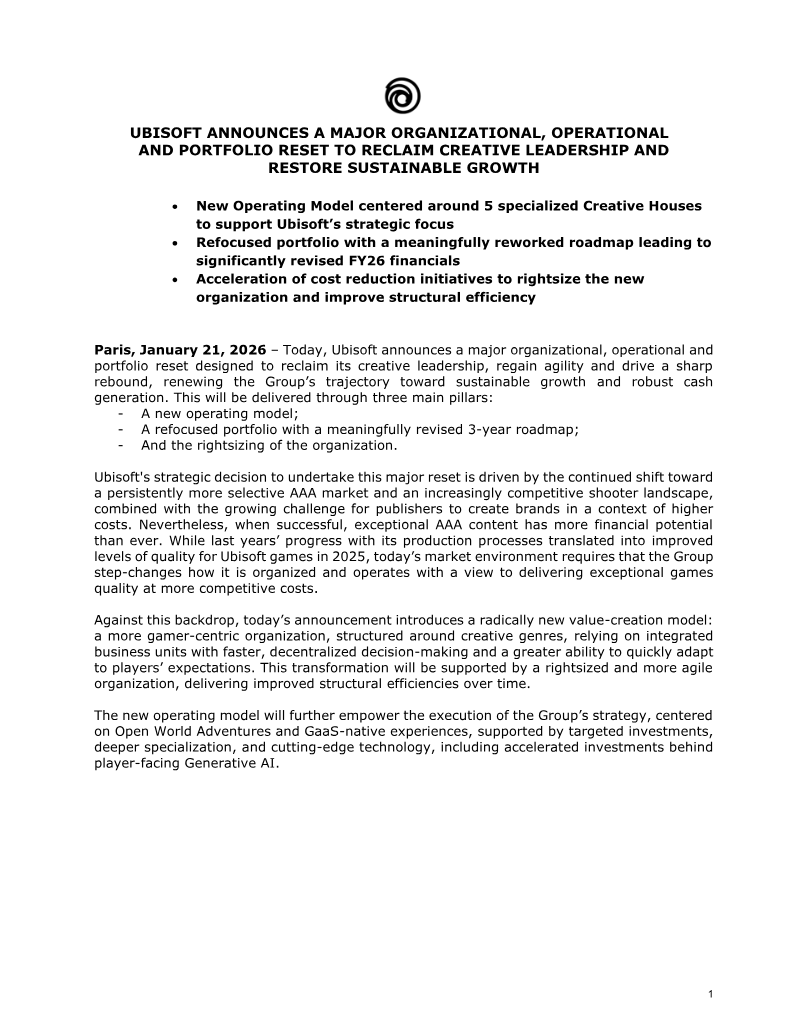
Ubisoft
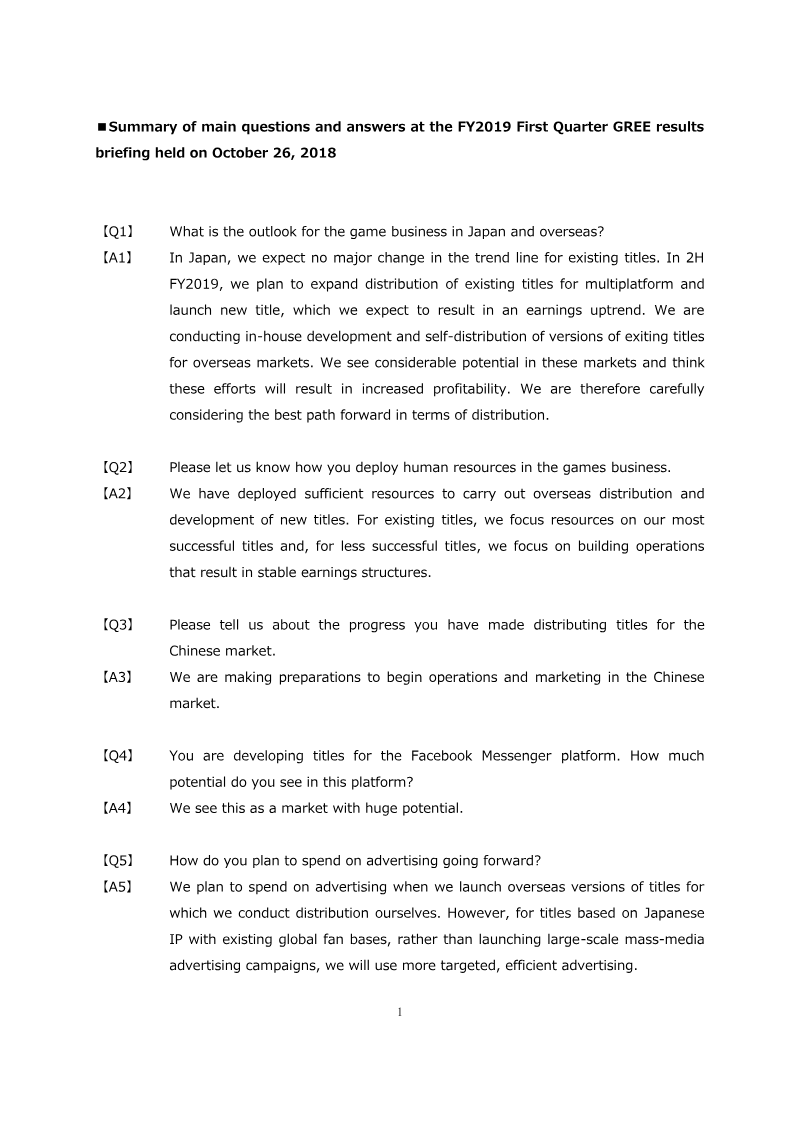
GREE
GungHo Online Entertainment

Thunderful Group
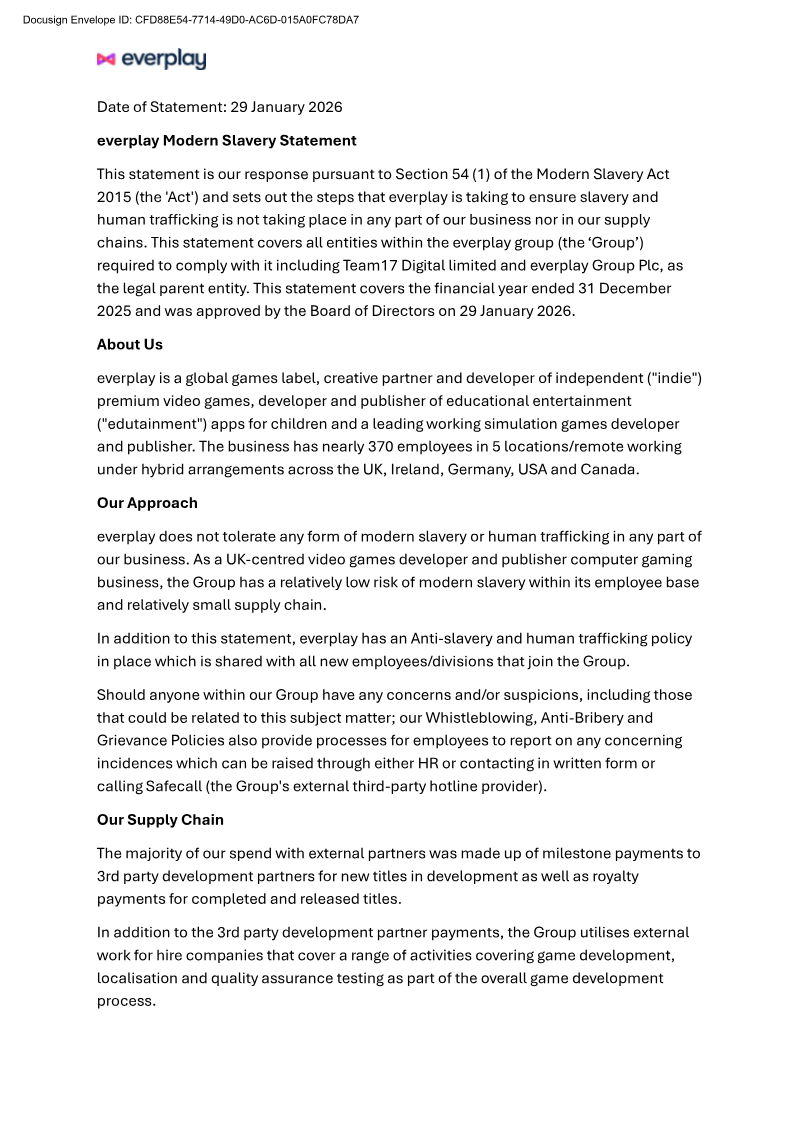
Everplay
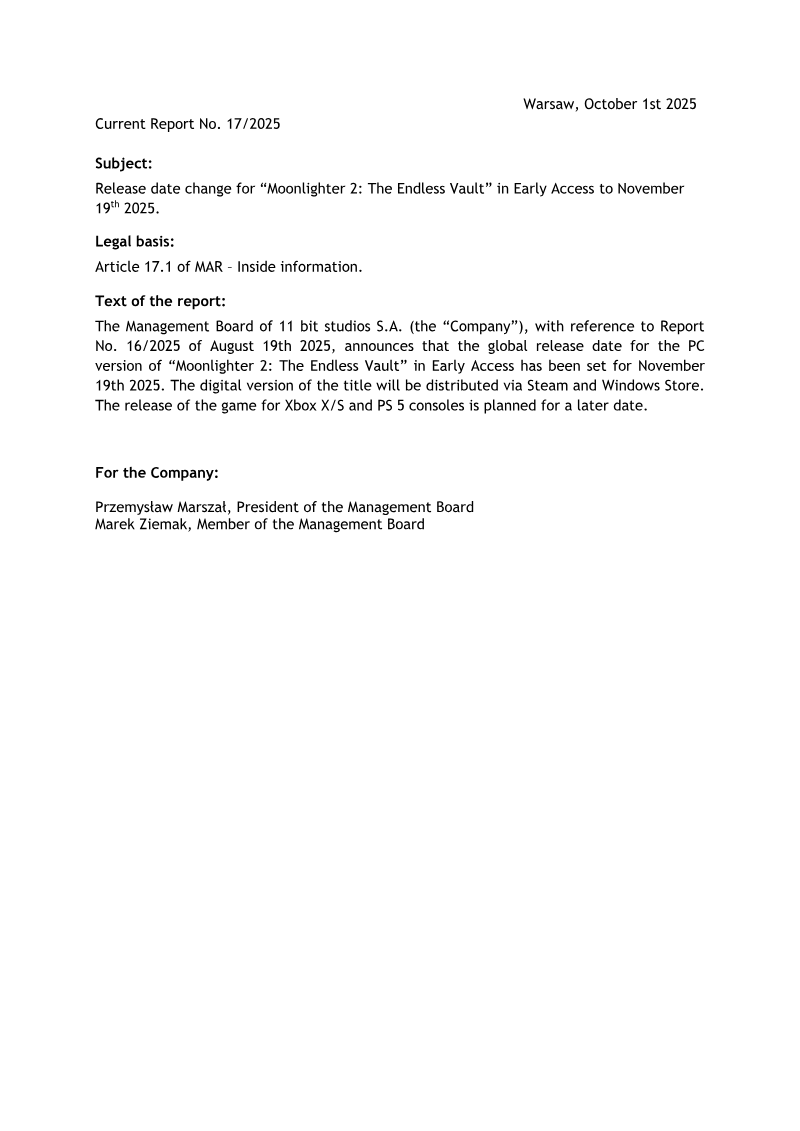
11 bit studios
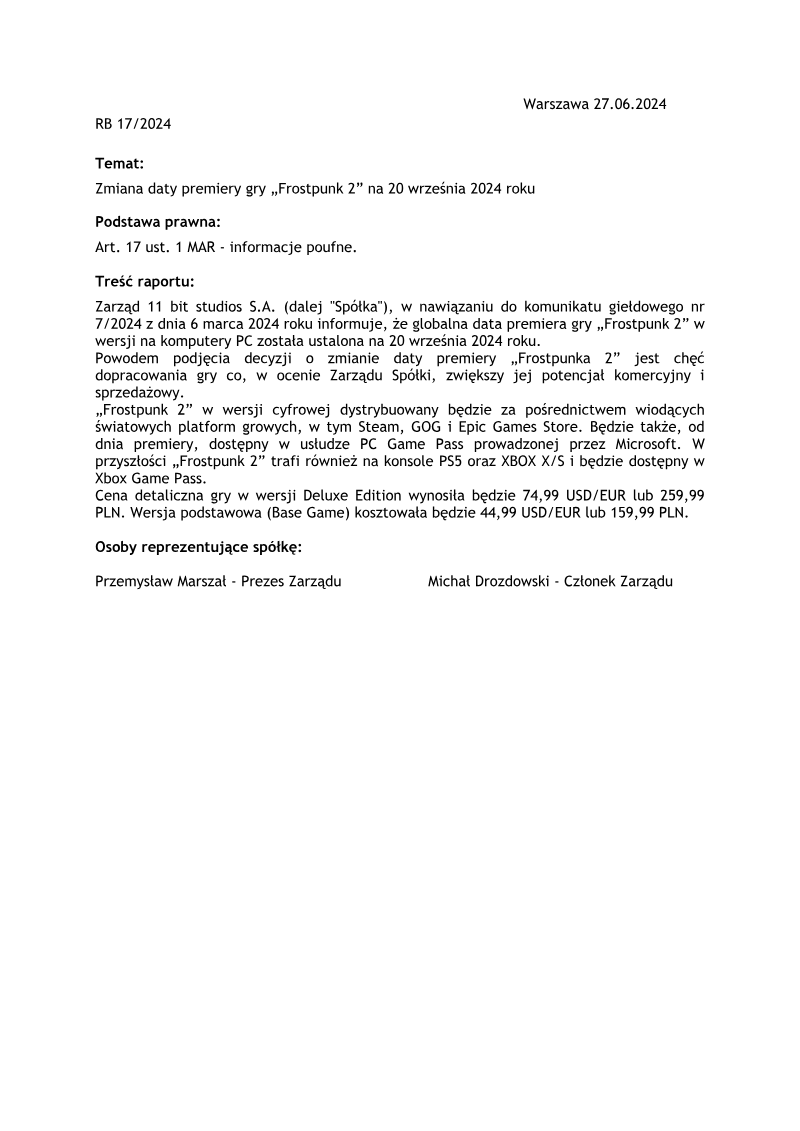
11 bit studios