
The current discourse surrounding artificial intelligence in the video game industry is characterized by extreme, polarized viewpoints that hinder a nuanced understanding of emerging technologies. Public debate often oscillates between apocalyptic visions of AI as a destructive force for human creativity and hyperbolic claims regarding its potential to replace traditional development entirely. This binary framing prevents observers from accurately assessing the practical utility of new innovations, such as world models, which represent a shift toward probabilistic rather than deterministic interactive entertainment.
Recent technical developments, including Google’s GameNGen, the Oasis simulation, and Google DeepMind’s Genie 3, demonstrate the rapid evolution of world models capable of generating interactive environments in real-time. Rather than viewing these as replacements for existing game development workflows, industry leaders like John Carmack suggest they should be analyzed as sophisticated power tools. These tools are increasingly integrated into existing software stacks to assist with tasks such as 3D modeling, rigging, and animation, effectively augmenting human capability rather than rendering it obsolete.
The primary challenge in adopting this perspective is the lack of adequate mental frameworks to categorize these technologies. Because world models do not fit neatly into established definitions of software, they are frequently misunderstood or dismissed by critics who rely on rigid, pre-existing biases. A more productive approach requires evaluating these advancements on their own terms, acknowledging that while current AI tools are not yet capable of producing high-quality, standalone games, they represent a significant, novel branch of technological development. Moving beyond doomerism and reactionary skepticism is essential for fostering a more informed, curious, and professional dialogue about the future of game production.

Push to Talk · 2026
Push to Talk · 2026
Push to Talk · 2026

Push to Talk · 2025
Push to Talk · 2025
Push to Talk · 2025

Push to Talk · 2025
Push to Talk · 2025
Push to Talk · 2025

Push to Talk · 2025

Push to Talk · 2025

Push to Talk · 2025
Game Developers Conference · 2025
Google Cloud · 2025
modl.ai · 2025
Informa · 2024
Drake Star Partners · 2024

Perforce · 2024
Modern Times Group
InvestGame
Poki · 2026
Sensor Tower · 2026
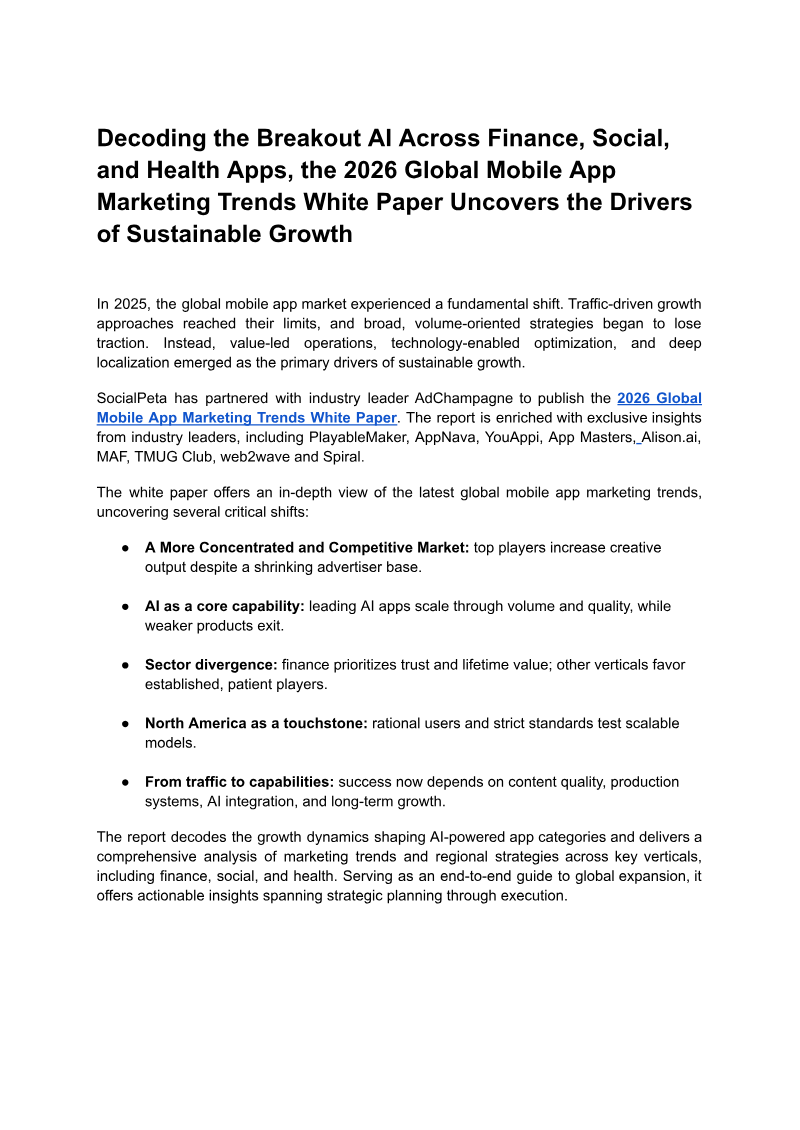
SocialPeta · 2026
GDC · 2026