
ArticleGameDiscoverCo
What 1 Million (Immediate!) Wishlists for Dear Passengers Says About Discovery
17 Jul 20261 pages~9 min full read
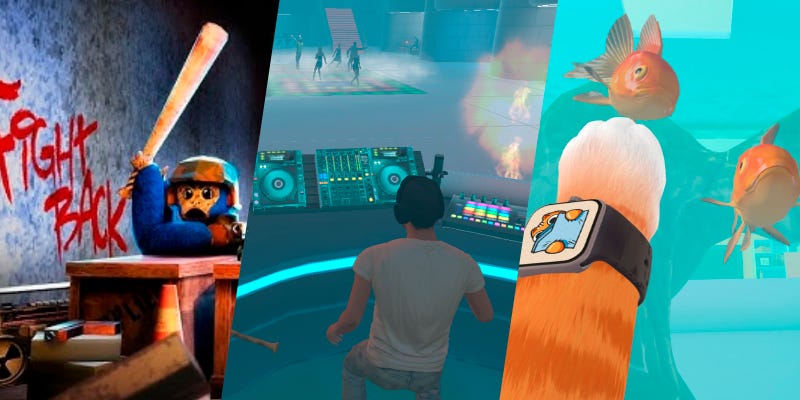
The rapid accumulation of one million wishlists for the upcoming title Dear Passengers serves as a case study for the current market viability of "friendslop" games—multiplayer, social-focused titles characterized by chaotic, shared-world gameplay. This trend highlights a growing consumer appetite for low-cost, highly social experiences that allow players to rotate between different titles frequently. The success of Dear Passengers is attributed to a highly effective marketing hook, specifically a trailer designed for virality through "clippable" gameplay moments, relatable avatar-based humor, and internet-native meme references.
The developer, Flexus, leverages its extensive background in mobile user acquisition to drive this initial interest. However, the disparity between Dear Passengers and similar, less successful clones underscores that while the barrier to entry for this genre is low, the requirement for precise execution is exceptionally high. Data indicates a significant difference in audience quality between such viral hits and more traditional titles; for instance, Dear Passengers maintains a 35x follower-to-wishlist multiplier, suggesting a high volume of casual interest, whereas niche titles like Rogue Carrier exhibit a more stable 11.8x multiplier, indicating a more dedicated core audience.
The broader gaming landscape reflects a shift toward fragmented attention and stagnant time spent with media. While "friendslop" games may effectively fulfill the original promise of the metaverse by facilitating social interaction through shared tasks, they represent a high-risk, high-reward market segment. Developers must balance the pursuit of massive, viral wishlist numbers against the challenges of expectation management and the necessity of delivering polished, functional gameplay to convert casual interest into long-term engagement.

GameDiscoverCo · 2026
GameDiscoverCo · 2026
GameDiscoverCo · 2026
GameDiscoverCo · 2026
GameDiscoverCo · 2026
GameDiscoverCo · 2026
GameDiscoverCo · 2026
GameDiscoverCo · 2026
GameDiscoverCo · 2026
GameDiscoverCo · 2026
GameDiscoverCo · 2026
GameDiscoverCo · 2026
Video Game Insights · 2025

Almedia · 2026
Gamesight · 2026

InvestGame · 2026
InvestGame · 2026

Rokky · 2025

Sensor Tower · 2025

GamingReport · 2025

Video Game Insights · 2025
EA · 2025

Sensor Tower · 2025

VG Insights · 2025