1 free read left. Create a free account for unlimited reading + AI research.
Create free accountArticle GameDev Reports
1 free read left. Create a free account for unlimited reading + AI research.
Create free accountArticleGameDev Reports
The unexpected performance of solo-developed titles exemplifies a broader market trend. Players are increasingly gravitating toward lower price points and diverse, high-quality indie experiences.
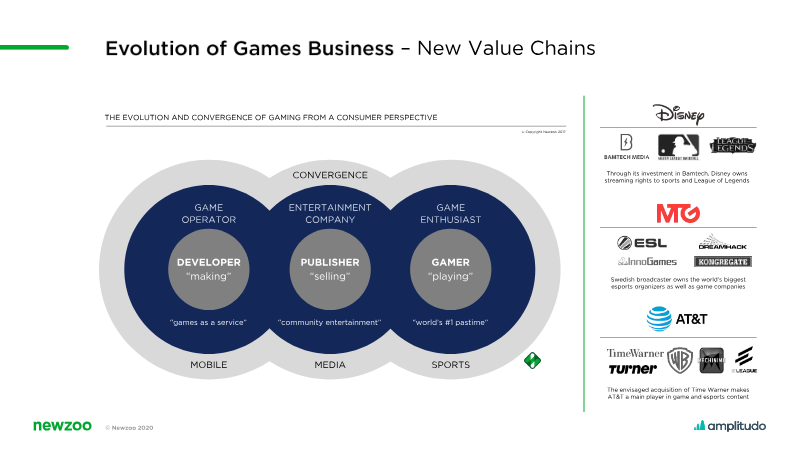
The global gaming landscape in mid-2026 reflects a period of significant structural transition, characterized by shifting monetization models, evolving consumer engagement patterns, and the continued dominance of independent creative successes. While established mobile giants like Honor of Kings face revenue contractions, the market is simultaneously buoyed by the unexpected performance of solo-developed titles, exemplified by the 11.5 million units sold by Meccha Chameleon on Steam. This indicates a broader market trend where players are increasingly gravitating toward lower price points and diverse, high-quality indie experiences rather than relying solely on traditional blockbuster releases.
Strategic shifts are also evident in how studios approach distribution and accessibility. Direct-to-Consumer payment models are gaining traction as a potential alternative to platform-controlled ecosystems, though most developers currently lack the internal infrastructure to execute these strategies at scale. Simultaneously, the web gaming sector is expanding as a viable platform for multi-platform users who prioritize accessibility. Despite this growth, technical barriers regarding porting and optimization remain a primary hurdle for developers looking to capitalize on browser-based gaming.
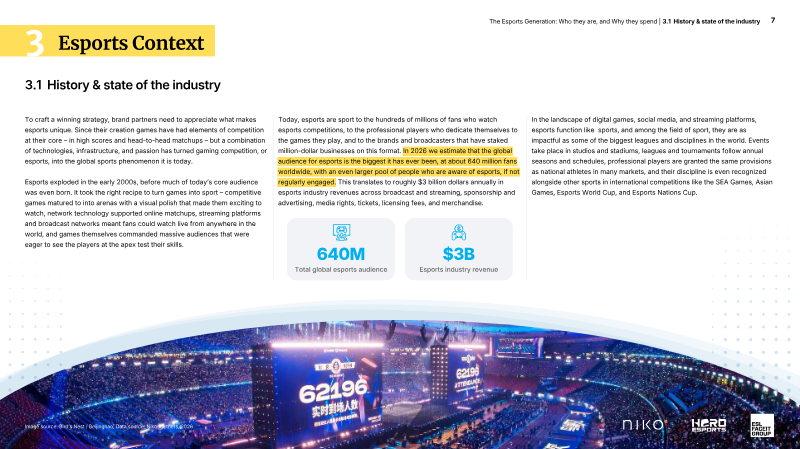
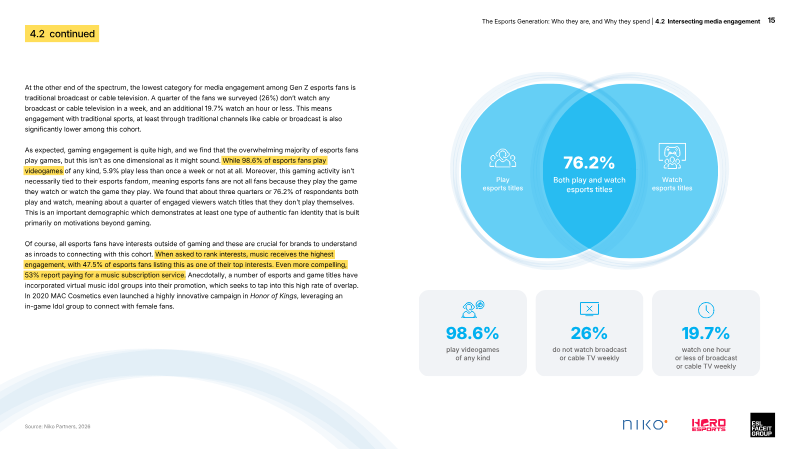
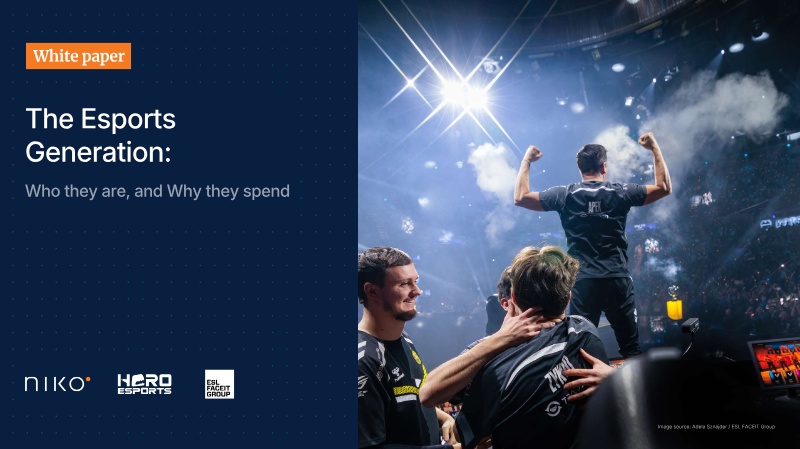
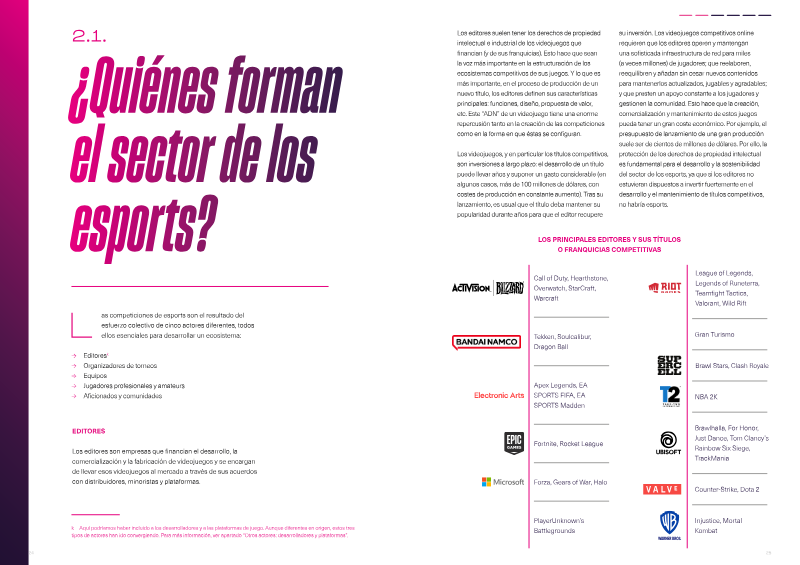
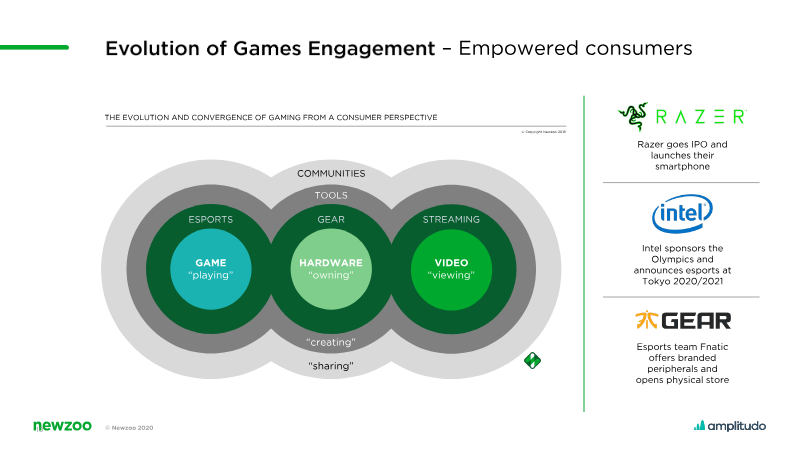
Esports continues to serve as a critical pillar of industry growth, particularly among Gen Z audiences. With a global reach of 640 million viewers generating $3 billion in annual revenue, the sector is undergoing a demographic shift marked by rising female participation and a move away from traditional broadcast media. Engagement is increasingly concentrated on short-form and social-video platforms like YouTube and TikTok, where branded content effectively captures the attention of a diversifying fan base. These findings underscore a market that is moving toward decentralized distribution and platform-agnostic consumption, requiring developers to prioritize technical agility and community-focused engagement to remain competitive.
GameDev Reports · 2026
InvestGame · 2026
Circana · 2026
GameDev Reports · 2026
GameDev Reports · 2026
GameDev Reports · 2026
GameDev Reports · 2026
GameDev Reports · 2026
GameDev Reports · 2026
GameDev Reports · 2026
GameDev Reports · 2026
GameDev Reports · 2026
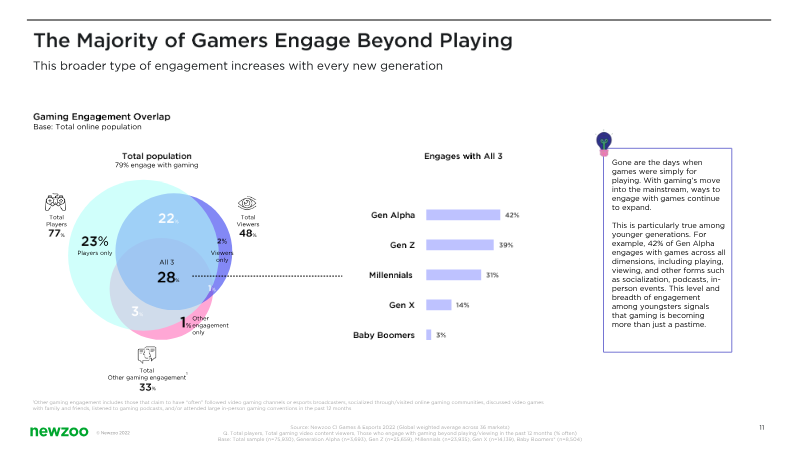
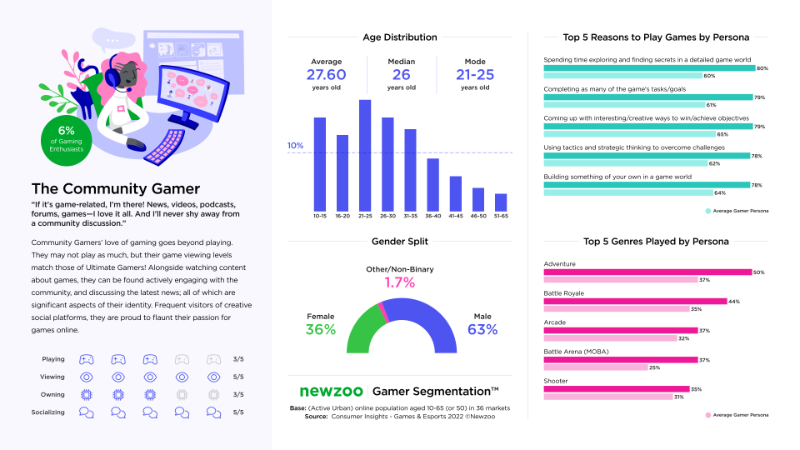
Newzoo · 2022