ArticleGameDev Reports
Weekly Gaming Reports Recap: August 3 - August 7, 2026
7 Aug 20261 pages~22 min full read
Key insights
4 slides
The rising bill
Studio spending on contractors grew 55% globally between 2022 and 2025.
A significant majority of developers report higher earnings and increased demand for freelance work compared to traditional full-time employment. This labor evolution coincides with a mobile sector that remains largely stable.
55%
Global growth in studio spending on contractors, 2022-2025
- Europe
- 63%
Key number
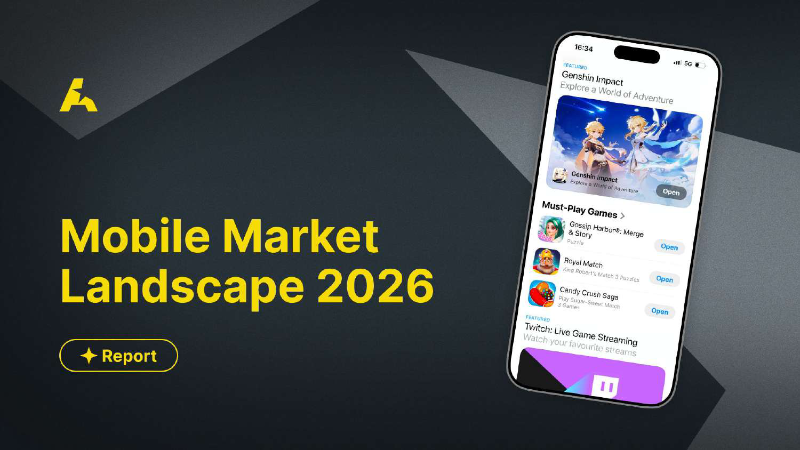
The Merge-2 genre nearly doubled its revenue to $1.24 billion in H1 2026.
Gossip Harbor, the market leader, reached over $100 million in monthly revenue by March 2026. Puzzle games remain the primary revenue driver in the mobile space.
What changed
Scopely acquired Loom Games for over $1 billion following Pixel Flow!'s success.
Pixel Flow! generated more than $125 million in IAP revenue in less than a year. Hybrid casual block puzzles experienced rapid growth in H1 2026.
The flat line
Casual gaming revenue remained flat at $11 billion for H1 2026.
The Casino genre saw a 9% decline in earnings to $3.3 billion compared to H1 2025. Growth is increasingly concentrated in hybridcasual puzzle titles.
1 / 4
Ask AI about this report