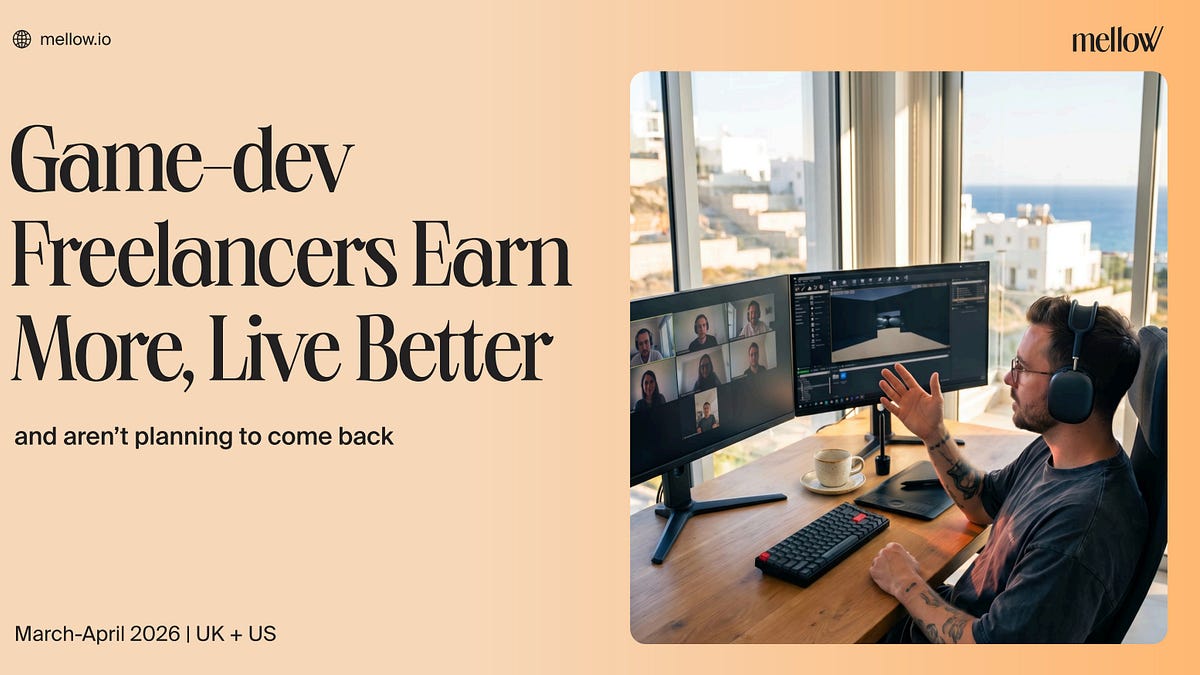
The 2026 landscape for game development freelancing reflects a significant shift toward independent work, driven by improved quality of life and higher earning potential. The industry is experiencing a structural transition where studios are increasingly relying on external contractors to maintain agility. This trend is supported by data from a survey of over 1,000 active freelancers in the US and UK, alongside platform metrics covering 2,000 contractors and 150 studios across the EU, Cyprus, the UK, MENA, and North America between 2022 and 2025.
Freelancers report high levels of satisfaction, with 95% noting an improved quality of life after leaving full-time employment. Primary motivators include increased income, project autonomy, and flexible scheduling. Financial gains are substantial, as 91% of freelancers report higher earnings than in previous full-time roles, with 62% earning at least 50% more. Notably, only 14.9% of these individuals entered the freelance market due to layoffs, while the majority made a deliberate career choice. Most freelancers are not seeking a return to traditional employment, with over 50% actively working toward launching their own studios or independent game projects.
Studios are mirroring this shift by increasing their reliance on external talent. Global studio spending on contractors rose by 55%, with European studios seeing a 63% increase. On average, studios now engage 10 contractors simultaneously, and 72% of freelancers reported working with three or more studios over the past year. This data confirms that the move toward a freelance-heavy model is a strategic, long-term adjustment in the gaming industry rather than a temporary response to market volatility.
GameDev Reports · 2026

GameDev Reports · 2026

GameDev Reports · 2026
GameDev Reports · 2026
GameDev Reports · 2026
GameDev Reports · 2026

GameDev Reports · 2026
GameDev Reports · 2026
GameDev Reports · 2026
GameDev Reports · 2026
GameDev Reports · 2026
GameDev Reports · 2026
CESA – Computer Entertainment Supplier's Association · 2025
Square Enix · 2025
GDC · 2025
Konvoy · 2025

Duamentes Gaming · 2025
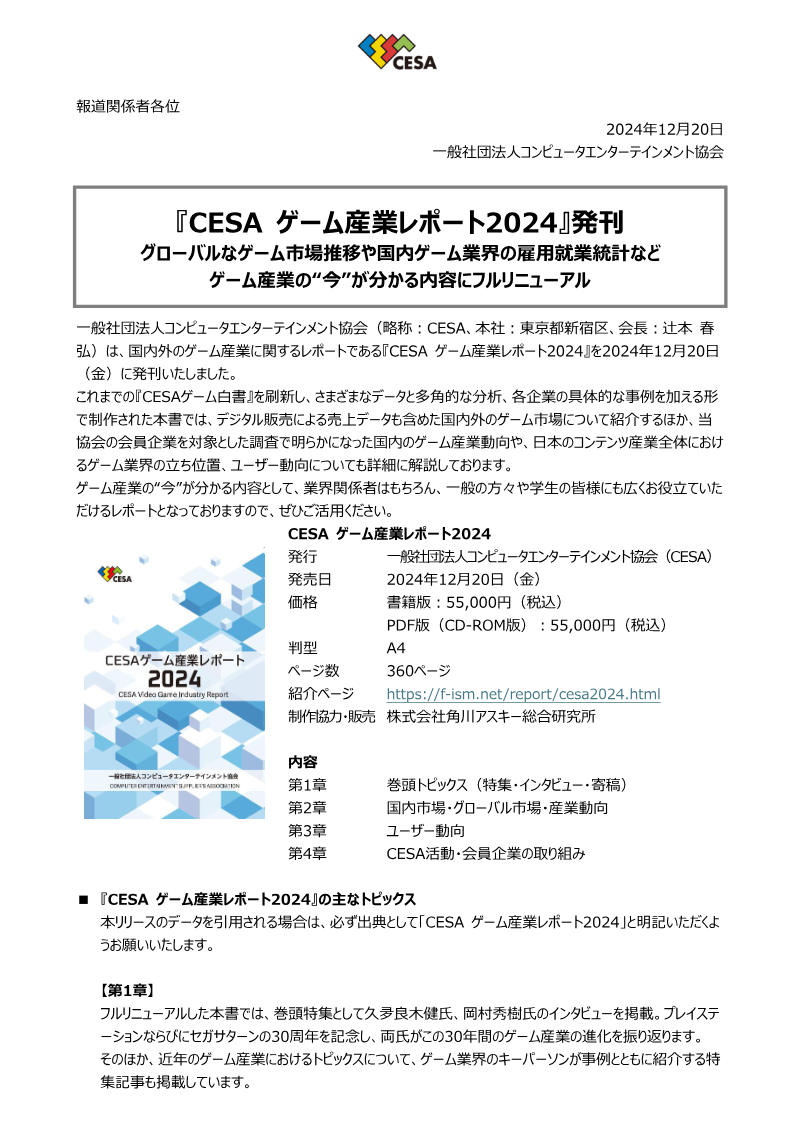
一般社団法人コンピュータエンターテインメント協会 (Computer Entertainment Supplier’s Association) · 2024
Informa · 2024
International Game Developers' Association · 2024
Koei Tecmo · 2024
Game Developers Conference · 2024
80 Level · 2024
Bandai Namco · 2023