ArticleGameDev Reports
Weekly Gaming Reports Recap: August 17 – August 21, 2026
21 Aug 20261 page~30 min full read
Key insights
8 slides
The global shift
Mobile gaming revenue and downloads both declined in H1 2026.
The mobile gaming market experienced a 2% decline in in-app purchase revenue.
Mobile decline. Mobile IAP revenue declined 2% and downloads dropped 11.9% in H1 2026.
2%
Decline in mobile IAP revenue in H1 2026
- Drop in mobile downloads
- 11.9%
Regional contrast
China's domestic gaming market grew 12.17% year-over-year in H1 2026.
China's market reached approximately $27.9 billion. Growth was driven by increased revenue per user rather than player base expansion.
12.17%
China's domestic gaming market growth in H1 2026
- Player base growth
- 0.82%
Labor instability
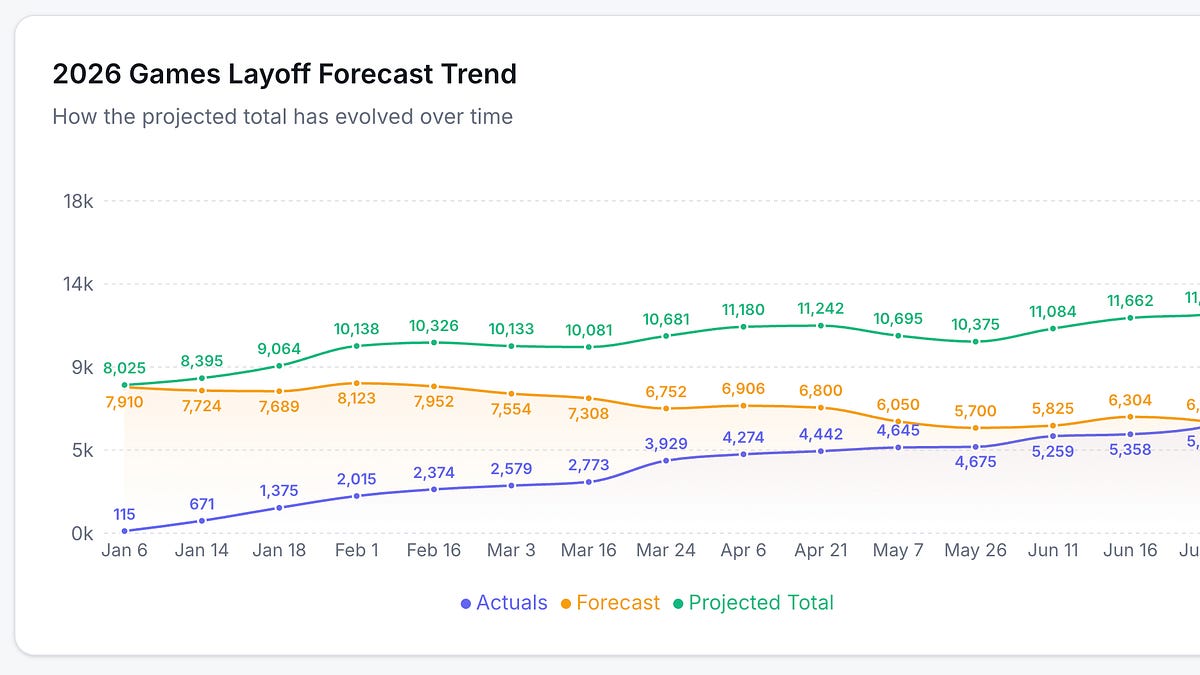
The gaming industry is projected to see 14,666 job losses in 2026.
This is on track to reach a record by the end of the year. The forecast increased by 788 from the previous month.
Ad consolidation
AppLovin and AdMob control nearly 65% of mobile game ad revenue.
Market dynamics reveal a clear consolidation of power among advertising platforms. Paid acquisition remains the dominant strategy in this landscape.
Top performer
Honor of Kings reclaimed the top spot for IAP revenue.
Last War: Survival and Whiteout Survival both experienced 16% revenue declines.
$1.078 billion
IAP revenue for Honor of Kings
- Revenue decline for Last War: Survival and Whiteout Survival
- 16%
Regional decline
Mobile IAP revenue saw significant regional declines in H1 2026.
US Casino lost $648 million, Korean RPG lost $297 million, and Japanese RPG lost $229 million.
India growth
Strategy games in India added 36.5 million installs in H1 2026.
Strategy games were the only major category to see significant download growth. The broader global market for downloads remained flat or in decline.
Hardware paradox
The US market saw a 29% drop in hardware sales.
The United States market struggles with a 2% year-to-date decline.
1 / 8
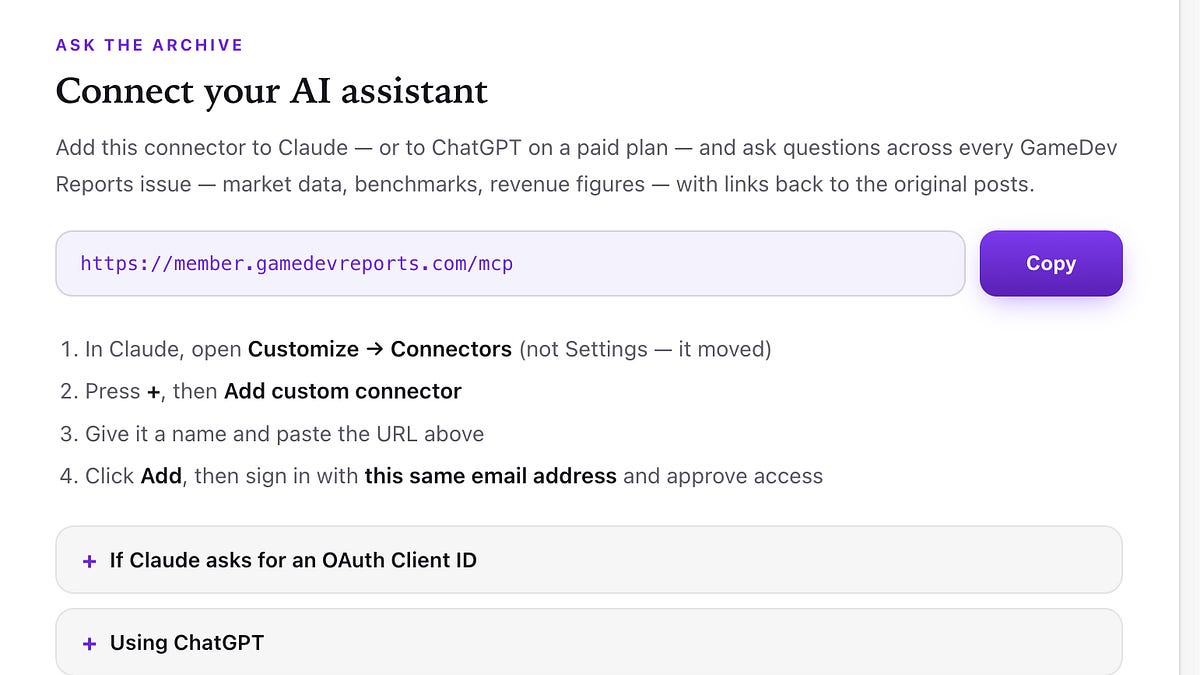
Ask AI about this report