1 free read left. Create a free account for unlimited reading + AI research.
Create free accountArticle The Game Business
1 free read left. Create a free account for unlimited reading + AI research.
Create free accountArticleThe Game Business
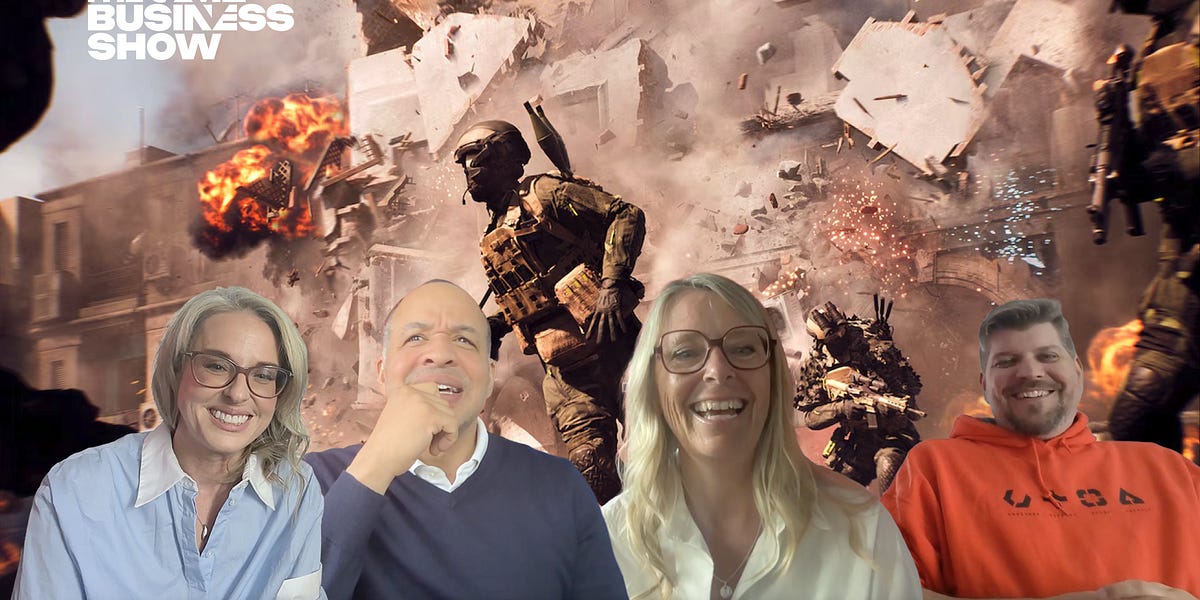
Governments are using game iconography to influence public discourse. The game industry must actively defend its content against this political co-option.
The video game industry faces an urgent need to defend its content and creative autonomy against increasing political manipulation by global governments. As video games become central to digital culture and social discourse, various regimes—ranging from autocratic states to Western administrations—are co-opting gaming iconography and platforms to disseminate political messaging. Industry experts argue that developers and publishers must proactively resist this trend, even when doing so is commercially or politically difficult, to prevent the erosion of their creative values and the unintended weaponization of their intellectual property.
Beyond the political landscape, the mobile gaming sector is experiencing a significant shift toward greater openness. A proposed settlement between Epic Games and Google aims to facilitate the global availability of third-party app stores on Android devices. This development is viewed as a positive step by mobile developers, who have long criticized the 30% commission fees and restrictive policies of dominant app stores. By enabling alternative payment methods and direct-to-consumer sales, this shift promises to improve developer margins and foster more direct relationships with players, though the current regulatory environment remains an uneven patchwork of regional pressures.
Additional industry data highlights broader trends in the market. Nintendo’s Switch 2 has emerged as a historically fast-selling console, with shipment estimates raised to 19 million units for the current financial year. Meanwhile, the market for remakes and remasters remains robust, with $1.4 billion in consumer spending recorded across major platforms in 2024 and 2025. Conversely, the inaugural Olympic Esports Games, originally slated for 2027, have been canceled due to governance disputes, underscoring the ongoing complexities of integrating professional gaming into traditional international sporting frameworks.
The Game Business · 2026

The Game Business · 2026
The Game Business · 2026
The Game Business · 2026
The Game Business · 2026
The Game Business · 2026
The Game Business · 2026
The Game Business · 2026
The Game Business · 2026

The Game Business · 2026

The Game Business · 2026
The Game Business · 2026
Deconstructor of Fun · 2026