1 free read left. Create a free account for unlimited reading + AI research.
Create free accountWhitepaper DiGRA
1 free read left. Create a free account for unlimited reading + AI research.
Create free accountWhitepaperDiGRA
"What We Take With Us" combined an online alternate reality game, a physical room-based game, and workshops. The deployment ran from February to June 2023.
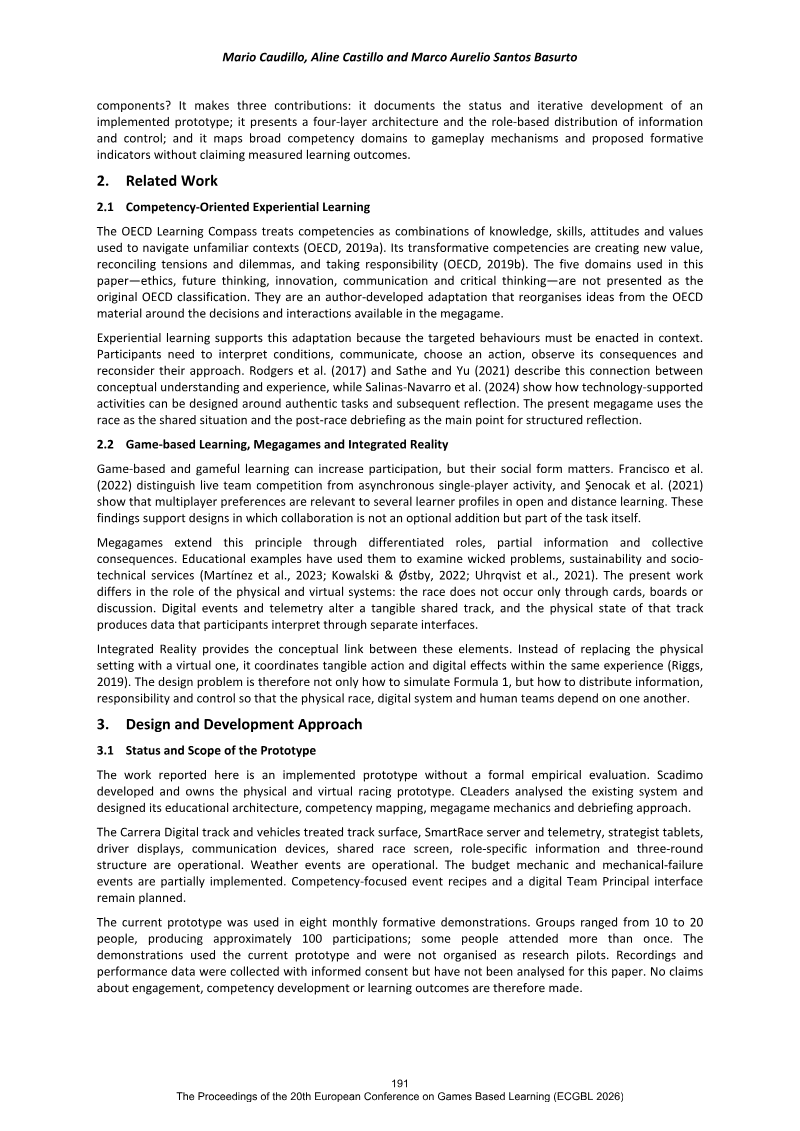
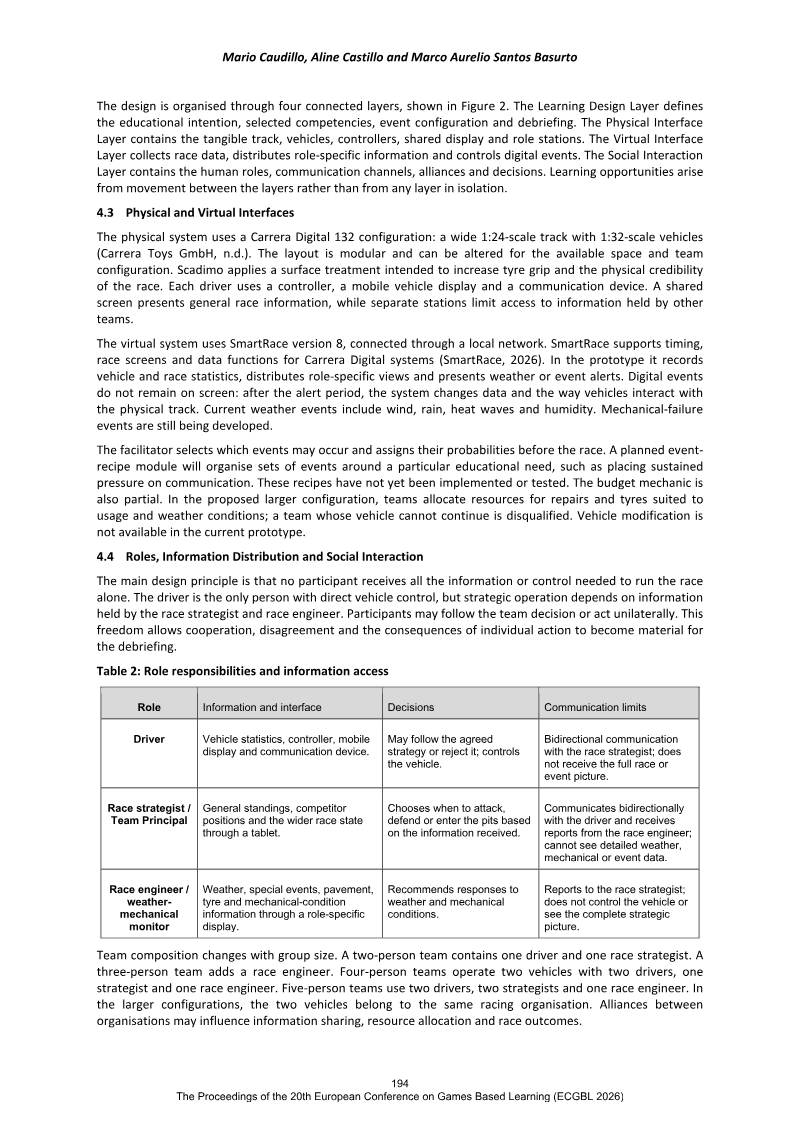
This autoethnography examines the real-time deployment of "What We Take With Us," a wellbeing-focused, poly-pervasive game created by Adam Jerrett in response to pandemic-era experiences. The game combined an online alternate reality game, a physical room-based game, and workshops, and the study was conducted from February to June 2023. Its central aim is to surface the practical and emotional challenges of deploying personal pervasive games, a area that remains under-examined in post-pandemic game design. Framed within values-conscious design and "design bleed" frameworks, the work positions the three-format structure and the lived process of deployment as valuable sources of insight rather than as incidental background.
The findings point consistently to weak participation. Recruitment efforts across Reddit, media pitches, university marketing, and enamel-pin incentives reached roughly 1,000 people but converted only about 2-3%, yielding 26 active players. Engagement was concentrated among friends and a few late-arriving participants, a pattern the author links to earlier struggles with the Nomad ARG and to the time organic community requires for niche experiences. Players also frequently overlooked narrative cues in the room-based game and needed substantial technical assistance, exposing usability and onboarding as practical barriers. The author attributes low uptake to the complexity of the hybrid format, audience mismatch, the high labour demands of pervasive games, shifting post-pandemic priorities, and cultural differences among player communities.
The study's conclusions are practical as much as analytical. Designers are advised to prioritize player-centric approaches, estimate labour and scope realistically, target existing communities, and treat modest reception and failure as meaningful data. The author also argues that convenience sampling is not inherently illegitimate in games research when relationships are professionally managed, since voluntary play self-selects interested participants, and presents the game as evidence that games can pursue social good even at small scale. The limitations acknowledged include low participation, the introspective nature of autoethnography, and the absence of stakeholder responses. The project's website and Discord server are set to remain active indefinitely.

DiGRA · 2026

DiGRA · 2026



DiGRA · 2026



DiGRA · 2026



DiGRA · 2026



DiGRA · 2026



DiGRA · 2026



DiGRA · 2026

DiGRA · 2026



DiGRA · 2026



DiGRA · 2026

DiGRA · 2026



European Conference on Games Based Learning (ECGBL) · 2026



European Conference on Games Based Learning (ECGBL) · 2026



European Conference on Games Based Learning (ECGBL) · 2026