1 free read left. Create a free account for unlimited reading + AI research.
Create free account
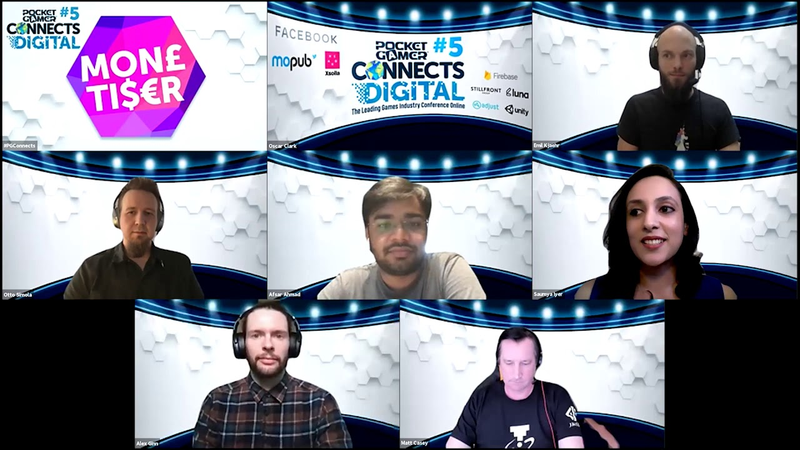
Panel: Lessons Learnt in Game Monetisation
Key insights
6 takeaways- 01Modern monetization relies on hybrid models that integrate in-app purchases, subscriptions, and advertisements to cater to diverse player behaviors rather than relying on universal industry benchmarks.
- 02Long-term profitability in live-service games is best achieved by fostering social, multiplayer-driven experiences and user-generated content rather than using static monetization tactics.
- 03Sustainable monetization requires balancing aggressive revenue targets with an ethical duty of care, specifically by integrating non-intrusive ad placements and skill-based mechanics.
- 04Developers should prioritize iterative testing and data-driven insights to balance complex in-game economies and maintain long-term player retention.
- 05Technological tools for revenue optimization must function as supplements to human-led creative design and strategic decision-making rather than as replacements.
- 06Machine learning and automated bidding systems have replaced manual waterfall management to improve the precision of user acquisition and targeted offer delivery.
Ask AI about this video
Transcript
we are going to talk about well we have a panel a lot of people talking um so emil from funday factory i think you're there i'm going to um you've got a great okay i'm going to let you know i'm going to let you introduce your your uh team but um should we get everybody on uh at the same time and then we'll get you so good so you're gonna talk to us about um lessons learned in game monetization so i will uh listen in and i'm sure i'll have a few things to chip in at the end but i'll try to keep myself from you know on mute so i don't interrupt so guys emil over to you uh talk uh share with your uh share with our panel and uh thanks oscar uh and welcome everyone to
this panel where we'll be talking about lessons learned game monetization we have an awesome lineup of speakers uh the panelists represent uh tons of years of experience within this space uh across a wide array of um of professions so we're going to start with a quick round of introductions so afsa do you want to start oh yeah sure uh so hi guys uh this is absar from gameberry labs i'm the co-founder of gameberry um and we have been into board games in the last uh four years we have built ludo star in purchasing star and our games are doing like six million daily active users right now and and we like to build games that people like to grow with it's a it's an awesome way to look at it uh games to grow with otto how about you hello my name is otto uh i work as an ad monetization manager at fingersoft and i have a huge urge to answer all the questions illbot just got since since uh we are
working together with ill plan uh very closely he's a good friend of mine but also i've been working for fingersoft uh i think almost five years now and as an administration manager uh one and a half years i started as a uh software engineer and then i smoothly warped to the uh business development side since i was working two years with the at sdks and all the things elbows just described over there and the earlier speak on the technical side and now and the business development side so so very excited to be here thanks for having me thank you also i think there's a running joke that everyone in finland knows each other this supports that theory quite nicely samya how about you hi i'm samya i'm a producer for mobile games uh and uh varyingly across all the games and companies i've worked for i've either been directly responsible for live ops and monetization or work really closely with
product managers and vp of sales and analytics uh to sort of um get done basically that's my job nice and alex hi everyone i'm alex ginn i'm the director of sales advocate and advocate are a leading in-game ad tech platform that enables publishers and developers to add a new stream of revenue uh monetization to their platform as well as helping brands that are desperate to get to reach gamers we give them a safe and really powerful way of reaching uh reaching their audiences excellent thank you and thank you matt hi everybody um i'm matt casey i'm product director at jagex where i've been working in monetization and product management for about six to seven years on um our mmorpg runescape which uh just hit 20 years old so happy birthday runescape most of the time i'm working with live ops and content teams
more recently on some of our kind of growth stuff like uh last year we we went out on steam for the first time this year we've got uh full launches on ios and android the mobile versions so yeah plenty of lessons learned and plenty of mistakes made and happy to talk about any of those some of them anyway thanks man and my name is emil i'll be the moderator today i work at funding factory where i'm a product manager and partner and i've worked with games for about 10 years i want to ship the game to the ouya so don't take business advice from me please uh i sincerely have gotten a little bit smarter with the help of other smart people at our company so we've been doing a lot of free to play games as well as work for hire projects for lego but really excited about this as i think there's a ton of stuff that i also want to ask you guys so let's get started so there's a ton of different games out there there's a ton of different genres should your approach to monetization also take that into account um there's ads there's ip there's
subscription there's even other types of of monetization starting to sort of knock at the door which which do i pick and and how do i determine um other do you like how do you guys approach it in finland yeah uh that's a very good question and it's it's really really up the uh rare but i i would i would say that uh be be like brave and try different things for example uh the hillcrema embracing games which we are developing uh is uh uh they are like eight year uh the hill combat original you can praising is eight years old so uh it started with only only like banner ads the monetization and now if you try the heel clamp bracing too you can find the ads and iaps and uh season pass and vip subscription model so uh we have been like expanding and trying to find the good solution and and it really depends on the on the game also so that if it's like a great variety of ways of playing the game then you should have like
multiple ways of monetize it if it's a very simple game it's easy to choose uh certain uh monetization method but i just i encourage people to experiment and find the solution suitable for the game and take some data out of the game and rely on it so basically start small and then sort of from from a small focused core built with on top of it yeah i would say is that something that that you can recognize somehow um yeah for sure i think that uh certainly there are some game genres that lend themselves very well to a particular monetization model uh for example hyper casual games you know ads are the best thing uh i think you'd be hard-pressed to find a way to make subscription you know work over there but i think in general the trend um in the entire industry is towards hybridization uh for most games you won't find a pure iap or a pure ad or pure subscription or i should say
subscription lite i don't think anyone does uh you know absolute um you know subscriptions in the way they've always been classically done it's more about getting more rewards or getting more um you know bang for your buck if you put down something for the long term uh and i think given my background i would also uh you know like to plug uh community management as one of the support systems towards monetization um you know especially vip management you know building that long-term relationship with your players as well is so critical because uh as we are seeing the lifetime of our uh you know mobile games extend into years and years and years uh we're coming to realize more the importance of that long-term retention as well um so yeah so in term if you can dig a little bit deeper there you're touching on something very interesting um in terms of community what sort of approach would you recommend taking to building a community and when when should you start going down that path as sort of uh using it as a measuring stick for monetization i guess right um that's a good question and in
terms of um you know directly measuring the impact of your community activities on monetization it does get a little bit tricky uh i would say that it the the amount of effort that you put in uh depends a lot again on the kind of game that you have and the kind of genre that you have uh for example games that have a very strong pvp or just a commun like a communal component i should say you know whether that's um competition or cooperation uh every single player matters uh so it's good to have wide-ranging community activities whereas there are some genres where it's just a single-player experience you know i think about casino games and hyper casual as well uh so there you may not need to put in so much effort uh but i think it's really important to take care of your vip players most of all uh and that's not just um you know your top spenders but also you know maybe your social influencers or players who have been around for a really really long time even if they haven't converted yet
uh because i think i've seen you know some data or there were some studies done that showed that players who converted after one year at like d360 uh in fact turned into the most valuable you know players overall uh so it's it's so critical to sort of keep that relationship alive and maintain uh you know good relationships and and show your players how much you appreciate their loyalty and the time they've spent in your game and i think you know as you as you talk about day 360 i'm getting a little bit dizzy over here thinking about the payback windows and the time to recoup whatever investment and i've got you know executives breathing down my neck and it's like you know when when is this going to pay off is that something that you can recognize after as a founder i'm guessing you know payback windows and actually getting revenue and investment back must be top of mind for you yeah absolutely absolutely uh i think a lot of companies uh not just us but a lot of companies look from their product strategy from the point of view of the payback window itself uh some of them have
six months payback window some of them have 12 months some have 24 months as well and some have a very portfolio model of payback window where what they do is they they move player from one poor game to other game and they think more from a portfolio perspective that what if my this user has spent significant amount of time across my games how much is going to give me at the end of the two years so so that's pretty critical and it's very game dependent and it scares me uh if the payback winner is coming on d365 that's good good to hear that you're you're scared as i am how about you uh matt are you guys scared for long payback windows in orpgs and runescape oh you're mute sorry never um yeah i guess we're a bit of an anomaly because our average uh player lifetime is something crazy like over seven years so um all the normal metrics for us are just out the window but um i mean we kind of started out with you
know to sami's point um we were originally kind of an ad model way back when we were a browser-based kind of game you know 18 years ago we actually have uh we introduced subscription and been running a subscription model ever since which has worked really really well for us um more recently we've kind of hybridized it again um and brought in other kind of paid features monetization through mtx and additional kind of services so now we have a really kind of strong kind of hybrid model but personally i i find it really interesting how things are kind of coming full circle and and there's a lot of conversations happening around subscription again now things like you know software as a service driving that games as a service and and you know from a business point of view for us um it's a really really you know good position to be in to have that kind of annual revenue locked in you know and we have a lot of our vip players who who are paying us a subscription you know in large upfront chunks which is you know really good from roster you know from a business protection
point of view so um yeah that makes a ton of sense i think um so basically you know the you're saying that you started with that transition through subscriptions and then now you're in the surface to samuel's point in in sort of hybrid territory yeah and i i think really it's about you know finding the right model for the right customers rather than just having a you know the list of stuff that we sell you know how do you build that service around what the player actually wants so that that's kind of where we're thinking you know these days we're trying to are you seeing the same thing alex sort of a need to build build the right tools and the right type of monetization systems for the for the customer depending on who they are yeah absolutely i mean so what we you know what our business what our main value is for publishers of all sizes but you know really we see a lot of uh we see a lot of services provided for medium to you know medium to small to large-sized publishers that are looking to monetize um you know their their their games in a very quick way in a very safe way and in a brand safe way as well so you know we're helping
we're helping to bring brands that desperate to reach wide audiences and you know obviously within the mobile gaming space it's super easy to to do that and to enable that reach um we're making sure that the ads that we're showing protect the user's experience because you know for a small developer or for a small game that's you know only maybe been out for two three four months or something it's so important to hold on to those day one users and to protect those guys and keep them on board for your journey as a game and as you develop so uh we make sure that our ad placements are completely native non-intrusive non-obstructive it does not interfere with the player's experience whatsoever so uh we know that you know we've done tests before over you know two week period where we worked with a very large game publisher and were able to see that there was absolutely zero negative feedback on any of the app stores uh we were able to see that there was no retention losses that were you know against you know off the normal grain of what they would tend to see um so yeah we we basically want to position ourselves as a way of making sure that we're providing general revenue that you know a constant stream of revenue in a safe way that you can feel confident that you're
going to be monetizing every month but also if you're not having to worry about the retention side of things too i think that's that's actually a good point and a good segue into sort of the the next part here where you know when you look at benchmarks and and sort of trying to work out you know what conversion phase should i hit i in the previous panel that was discussing around fill of rates um like what's what's considered good or bad um do you guys have any sort of pointers in terms of you know is it super game specific are there no such thing as you know uh rule of thumb type metrics um or other stuff where you're willing to sort of put your neck on the line here in this panel and say i don't know about all these other shackles but for this one it's definitely 50 conversion rate also are you guys seeing 50 conversion rates uh sometimes yes sometimes no so i can answer whatever bit with zero and 70. nice and you could like argue or you could agree and it's it's so much like so it's so specific number that i would i wouldn't
pick any any number and i couldn't say that we see this one is good and which one isn't and then if you have like a hybrid monetization you could have like ads at monetization then the conversion rate can be completely different than in the uh iip monetization it can be that when they buy someone buys one iap it's much more valuable than ever they can like generate through ads but still we also have this but very very long tail in the in the like the ltv and that's that's like a big pain for our ua analytics also that uh how to how to work with that so so i i think and also we have the huge organic user base so i have to say that whatever i think it's it's like with with most things and games this is like there's no there's never an easy answer it's never like you know do this thing and then everything is like the game is going to be fun if we just do these two things every time
everything is complex every single layer of that process is also complex abstract i think um in terms of industry benchmarks i think the last stats i read were in terms of conversion i think one to three percent is average seven to ten percent is good and of course some of the top games have 50 or more but i think at base um as long as you're making more money than you're spending i think you're in a good place you know so whatever i think it's good to look at industry benchmarks just to sort of measure your performance generally but if you're doing well you're doing well it's fine you know uh i agree or pretty much with uh swami on that um i i can talk a little bit about uh board games as such because uh if you see in in market you'll see a lower really low board gear conversions in case of board games and that's very much ideal for us as well and we we don't get a really good conversion but let's say
if you start comparing us or spain market with with columbia market and panama you'll see a huge difference over there so even in the same game you across the country you are seeing a lot more difference but at the end of the day what swami is saying that uh if on an on a large scale at the end of the game you have enough money that that you're making uh which makes you profitable enough i think it works so you know now we've we've sort of set out you know the rocket is starting to take off and we worked out how to scale it we found like the perfectly scalable audience what do you sell and how do you determine like what is desirable for players how do you guys approach that um matt do you wanna do you wanna go yeah i see i see you nodding there so that's well it's something we we we do think about a lot um i mean one of the the questions is you know when do you introduce the monetization and i always find it it's far easier to do that straight away and and
and take it away rather than add something to an existing feature or system um so you know and then how do you you know work out what it is that players really value so we've got a you know loads of data on things that we look at pay a conversion rate engagement content we do a lot of you know a b testing ltv um but probably the most important thing for us is just like engaging with the community listening to the feedback because quite honestly we've got such a like a loyal hardcore uh player base that they they're very vocal they'll tell us what they think they'll tell us if they like stuff and if they don't like stuff um and it's probably equally as valuable as any of the data we get it's just really you know having that that kind of you know feedback loop with the players so that's probably one of the most important things for us yeah i think that that i'm we're seeing the same thing uh we we did a we did a battle royale game um a couple weekend and for that game we definitely also were able to to work closely together with the community
not only with you know working out what's desirable but also asking them you know what what type of content they're looking for to sort of guide the assessment because when you're in soft launch and you're starting to build your game you have one idea of where your game is going to land but then as users start pouring in they can become like gravitational force that pulls it in another direction we also you know spend quite a lot of time looking at things that we can use to add value to things like our subscription service or our vip service so there'll be things you know in the past that we've asked players to pay for separately that now will roll in um and just build out that that kind of all-round service package so you know that that's something that you know we're spending a lot of time looking at at the moment so how about you know balancing the economy also um in terms of do you need a perfectly balanced game to start or um how have you guys approached it i know you have you know hill climb racing one hillcomb racing two so you know those two games entitles were
there different approaches in in the development there yeah very much actually the hillcreme berry one has a quite uh bad economy you can you can grind the coins as much as you want so there's no point of selling like for example coin packs you have to come up with new things that uh might be desirable and that's of of course in the racing games that's that's easy easy to say that you you create new vehicles and new stages and you open those with some somehow so that's that's one and then then we learned learned from the pilgrim-basing one economy and we we made it much better in the hillcraft racing too so that uh things there are more desirable things to uh people to get and there was also a good question uh we're touching about their community and that's that's something i i also would like to add that i think that uh we also have have a huge community and they are like they are giving us a lot of feedback but one thing i've learned that uh we shouldn't make
like commodities and decisions according to community don't let them do that but uh they have like great ideas and we can we can like learn from those but i think the monetization and the and the core game uh like the core game design has to be come from ourselves and then we can like adjust things uh with community feedback and on and the overall feedback yeah i just like to concur on on that point about community feedback you know there's a limit uh to how much you need to rely on it as well uh and one thing that you can do is be open and honest about with players about the limits of how transparent you can be you know because there will always be things that you cannot tell them they appreciate that as well um and uh you know it's on in terms of balancing actually to get back to your question and not turn this into a panel about community management email um i think that you know one thing that's really important is to look at
your entire game as one cohesive system uh you know where your iep your ads even your time uh are all you know things that you have to balance uh so if you're adding a new feature or event that is suddenly a source of you know a lot of rewards you have to balance your sinks as well uh such that you know it is all in in um all in harmony uh you know so to speak so it really is sort of a systems design or an economy design problem even when there's iap involved iap is just a sort of uh almost infinite source of currency except that of course um it's not fully infinite you're getting cash money when players are using it so basically you know when we're talking about like a systems design and i think it feels almost like a combination of of chaos and game theory like there's so many moving parts here that it's it's hard to navigate do you need like a psd in mathematics and economy to navigate this space um or is that some like also i know
um you you guys have maybe someone with that uh that title or job description right yeah yeah hilbert just spoke there he has a phd in physics and i have mastered science in in physics so but uh i say that it can help but of course uh you can have must have other other ways to so is is you know it can start small i guess after how many phds of economy and physics do you guys have to none answer the question i mean i'll go back to the question that you asked uh and i firmly believe on this particular point that it is more important to push your game out test it with the users rather than getting the economy and sinks and sources right you have to get the user feedback you have to see what is happening in the system and it will never be perfect it has been four years we have been making constant iterations on our systems
and we still feel that it is not in a perfect state the moment you get deeper into it you start things you will start to think about personalization you'll start to think in lot new ways of doing it so you'll balance it differently for some players and differently for some other players so so you'll never get that balance right i'm pretty sure that is up with even the best of the phds also it will happen matt 20 years is the balance right um it's a good question we haven't always got it right i think we've we've been pretty open about that we've we've you know we've sometimes pushed it quite hard sometimes we've pulled back um it's a really interesting kind of slant on it though because it's not always about you know how deep can you go with the spend but you know we've been asking some really sort of tough questions recently what what is the right thing to do by our players um even things like if we detect anomalous spend patterns so players spending more than normal we've introduced things recently to even let people know and just check you know
are you okay with your spend um even things like you know you've been playing longer than normal just stuff like that we see it as part of our kind of duty of care to to our players to to make sure that we're kind of balancing both both sides of the scales a little bit i think that that makes a ton of sense um samya in terms of economy depth you know how do you how do you determine like how it should be and do you have any tools in terms of evaluating whether you're on the right track or whether there's you know room for improvement is there any sort of you know hands-on tricks that you you can impact um i think to answer this question probably the answer is going to be like like for so many other things it really depends it depends on the kind of game that you've made uh you know what your um what what the genre is um but just in general some some quick tips i think um if you can have an economy that has that is based on consumables uh more than uh you know uh permanent
content i think that is that is uh you know way easier to sort of keep that depth going on and on um and um you know i think pvp or communal games tend to monetize much more than uh you know single-player experiences uh but apart from that it really is about it it totally depends on your particular game your particular genre just keep experimenting and don't be afraid to try new things is what i would say how about you alex do you agree is experimentation the the way ahead you shouldn't commit too much to one you know shining idea ideal of you know game x is is doing this thing i should totally just do that thing and then i'm going to be made yeah absolutely i completely agree with sonia's point i think as you know one foot does not fit every shoe it's it's not going to work for everything for every single game out there i mean for example you know our fundamentals of so our foundation as a business was very much a branding business where we put out of home styled ads within the game
that doesn't work for every single game because not every ad sorry not every game will have an outdoor environment so it's you know what it doesn't fit every single solution and you know that from a personal experience you know i i absolutely love rewarded video ads i i find them a really great way to connect with the with the game as well as build a relationship with the advertiser but some other people absolutely to test it so you know it's it's you're never going to get that that clear balance and you know going back to the last point that i've said as well actually you know it's very hard to kind of you can make one group of people happy and upset some others and sometimes it's too hard it's too late to find out that you've upset them because it's really hard to get them back into the game again but i do think experimentation is key um i think adopt as many sdks as you possibly can see what works and then cut the ones that don't so sdk integration auto as a previous developer are they always free does do they are they as easy as the documentation always says
well it's getting better i would say so things are getting better but uh it has been quite a struggle but i have to say that things come forward that makes it i think also alex to your point like as matt also talked about earlier you know it's about finding the right model for the right customer and if if you offer a hybrid or large lineup of different models you know there's less risk that a user will feel like there's nothing that fits them there's no offering that they can see themselves in absolutely i mean we see some some of our game publishers that we work with that have in-app purchases they have uh seasons you know so you you buy yourself into a season uh they have video ads and they're currently trying to work out you know obviously they're making a great deal of money from all these different revenue streams but they're also trying to work out which which streams they can remove to to better the retention of their own players so it's yeah it i would say the experiment experimenting probably never really ends uh you know even if you feel like you're at a comfortable level and you've got an eq you know a strong level of
monetization whilst the retention is you know is on a nice level playing field you're still going to need to to adopt and evolve as as the industry does and as more games come out you've got to compete to keep the loyalty there and i think it's yeah experimentation is definitely key i think i'm gonna i'm gonna grab that and sort of say you know being able to adjust and move in different directions depending on where the industry's moving and i really wanna just in a specific sub subject here is is machine learning and sort of the the advent of the ability to see what's happening or not being able to see what's happening and understanding what's going on and i know uh somehow this is something where where you have maybe have some concerns with in terms of how much of a black box it is and the need for control and understanding what's actually happening is that something that you're you're okay to go in depth with yeah i mean with the caveat that i have not really had that much experience directly using machine learning so i'm certainly you know open to seeing more data on that as well um i don't have so much of a concern it's just that i think that uh you know first of all you need lots
and lots and lots of data to make good predictions uh and the other thing is um you know when you sort of have this black box that takes uh you know past behavior and sort of makes a prediction on future behavior uh i think it's it's also really critical that we use our imagination to sort of take those leaps of faith and come up with some you know crazy new idea that that maybe machine learning or ai maybe it isn't quite there yet maybe one day it will be you know uh so that's the extent of my experience with machine learning and also i know you guys i use machine learning are you telling the machine like design a cool car or is there still space for your uh your creative designers yeah as i said in the beginning that uh you should like always have the game design in your hands and that's that's something that the machine learning thank god can't do yet still and i think it shouldn't shouldn't but uh the machine learning is a good tool when you try to adjust uh how much to sell
to whom to sell and and so on but of course like in a rating game the vehicle is something that the machine learning can't decide it might be like the 10 wheel will track if it just decides so so right you you first must have something to sell and then you adjust it with the with the amazing learning so in that sense it's a good tool yeah i think to otto's point there as well as lots of data you also need lots of inventory right um and i know we've spent you know lots of time looking at uh recommendation systems and you know machine learning kind of amazon style you know delivery to our store and things like that but ultimately you know i've not seen huge amounts of success with these things just simply because we don't have the you know the inventory it's too shallow to really make use of it um where we do get a lot of um benefit though is you know with the kind of directly targeted offers and and you know we work with our analytics team you know to to on the predictive
modeling around that and that's very very effective um and i think you know it's okay to you know be quite generous with those things they work really well for us so um you know we have to keep track of things like unspent currency um making sure we're not cannibalizing and you know you can't be a really good analyst when it comes to that stuff so yeah we rely very heavily on our our you know we've got a really solid team of super clever guys there i'm sorry is that uh is that something you're seeing as well have you have you dipped your toes in the the muddy waters of machine learning yet not yet uh we but we have we have been trying a lot of things in user acquisition especially um and i think uh some of the insights are pretty interesting over there uh for example the the all the data that we had a few months back we grabbed all those data had talked with google's team and tried to understand what is something which can help us understand uh and a particular small event that can help us define what can be
a good who can be a good player in our game so we came up with few of the events happening in the game and those events are very critical in nature and you can see that there is a pattern between the conversion getting converted to a pair and doing that event so it gives you a lot of insight of how you can approach as a product person uh about the about the whole game maybe try to do make the users do that particularly even on day one uh and see if it works for uh for you so that way i think it's pretty interesting to to utilize it yeah we we tried uh football league we had a we also used machine learning for some of our offer systems but to otto's point we needed to work out what was desirable for the older players that we were trying to pull in and ensure that you know it hit at the right time so there's definitely i also see it like asset balance and it's definitely something where if you're not careful you can easily get sucked into not just the hype about it but also just the time spent taking like that it takes to set it up so
it's definitely something that you need to balance how about you like machine learning and uh and advantage is that something where you guys see uh seen into don't i don't think we've touched machine learning as of yet i know we play with artificial intelligence all day long but on the machine learning side of things not so much now we're still very much focused on on the good old fashioned focus groups to find out what people are really thinking and uh and and getting yeah getting testimonials and feedback straight from straight from the from the gamers point of view just to what to work out if you know we're we're making a solution that that pleases the the player um that was the most important thing for us is when we when we started to make sure that you know first of all our offering was was legit and we you know our roles weren't redundant in the market you know we weren't bringing in a product that no one no one liked um so i'm glad to say that you know i'm still here it does work it does a great job um but yeah you know we stay away from the from the from the machine learning side of things for now and kind of just rely on on you know straight from the face feedback i think that that's sort of you know on
the stepping stone of machine learning straight into the future uh what are you guys seeing in terms of is subscription models still where things are headed i mean uh ml arcade is still a thing google play pass is definitely still a thing also but it's also some you know to an extent it's a little bit of a walk garden um where where do you guys see sort of the the industry moving as a whole it i'm sort of sensing a trend of hybridization being sort of the the common theme the that we all agree that that sends to be where things are are going but are you seeing anything interesting on the horizon or something that you've already maybe started experimenting with in your studio um matt do you wanna yeah sure um yeah i mean like you said you know things tend to become homogenized over time great ideas you know are imitated and you know and then if they work you know they get blended with other things so it's a kind of you know it is a natural progression i think um for me it's just really
interesting you know how we you know build out that kind of service for our players um i think really smart um developers will be looking at how they can line those services up with other service providers um i would love to get free pizza every week with my runescape subscription for example and that would make my friday night i also think you know in another direction there's probably huge untapped potential still in in ugc um i think um you know going a bit further than things like user design you know hats and guns etc um but how do you build like real value and let players kind of create their shared experiences in in the worlds and you know experiences that we're helping to create and i think that that's something that again we're looking at quite closely and we see you know big potential in the future is that the same three guys sorry sorry oh no i was actually gonna say it's so interesting that you mentioned uh ugc
matt because that was something that was on my mind as well i think that's you know probably something that we can explore because when i think about uh you know that the some of the top games right now are roblox and minecraft and that is a you know forum for players to sort of express their creativity uh and share it with the world and i think it's just a continuation of the sort of trend uh that we're seeing across the industry generally you know from single-player games to multiplayer to you know mmos and now that is the next big step and i think it's just a question of technology being able to support that on a wide scale you see the same thing apsa is it also you know the is this kind of approach that's pretty interesting although uh we haven't uh i mean looked into this particular thing but it's pretty interesting um and going forward i think more and more people would like to be more synchronous more multiplayer in nature and that's how the web has also kind of developed in in past we had
documents that we typed in in our own pcs and then we moved to a more collaborative approach uh so so why not games why not games can have that collaboration between players and they can do stuff like that so i think that will be constant evolution and it is going to happen somewhere i think the the the the part of user-generated content is also also balancing it in terms of moderation and and finding a good approach where you're not inviting a world of trouble in terms of you know legal cover rights trademarks and uh upset players i think we're about here to ready to hit into q a so otto there's a few questions for you in there i don't know if you i think um while you can open up the qa panel and pick the ones you you think are for you alex you you picked out a question specifically yeah sure and i saw one come through that's asked what sort of impact do you uh do do completely seamless and native
ads have on a gaming experience versus ads to disrupt um i mean i can i can give two answers i can give a professional and a personal experience for this and so on on a personal level um if i if i see an ad if you know if i'm playing say for example a first person shooter game on my phone um which i play a lot of i should say um and i run past the bus stop and i can and i knew that last week that that bus stop had a fake ad you know by designed by the publisher and then this week i see that it's replaced with the mcdonald's ad it will stop me for a second and it won't it won't take away from my experience in the game but what it will do to me is make me is is kind of add a little little bit of uh legitimacy to the game it kind of makes it feel a bit more real for me um so it doesn't it doesn't stop me in my track and you know fill me with anger i actually i actually look at it and go oh that's really cool because that's something that i would tend to see in real life rather than rather than you know as i'm about to get in the game you know i'm excited i'm hyped and then boom i have to watch a 30-second advert that i didn't know was coming out of the blue and then i sit there with a big frown on my face for a second so it's uh you know it's it's
the way that i that we're seeing it with brands and brands feedback is you know brands don't want to have to interfere with the with the user they they don't tend to they don't like the feedback that they get with for example you know advertising on youtube where you're forced to watch a couple of ads before you can get to see the content that might only be 11 seconds long that you've waited for ages to watch but they buy it because they know it's valuable you know what we're doing is we're providing a solution that is valuable but also doesn't upset the player it actually builds a relationship in a positive way and that's that really should be the main thing that that both game publishers and brands consider going forward is to build a happy relationship with everyone so uh you know so that no one's got anything bad to say about your product no one can boycott it no one wants to boycott your game because of the way you've done something like that and i just think it's just a it's just a level of respect and i think that the sort of the impact that we see from it we've never had anything negative and it's something that you just it doesn't sound truthful coming from my mouth but it's so true we've not had a single complaint so yeah it's it's a it's a really good
position for us and we're very pleased with our ad solution and our and our product so it's uh it's it's working really well for us excellent um other have you ever found the qra box yeah actually actually it took the last one from there there's a question about the uh uh what what's the uh the successful feature difference between the hillcraft racing games and there's the biggest f uh like the difference in those games is that he'll competing the original hitchcock racing is a single-player game and the hillcrest ii is a multiplayer game and it has team feature and it's more social and it's more competitive and i think the competitiveness is something that it's making like the biggest difference in in the sense of monetization in those games but uh for example here compressing the one is is still having like a huge dau in in in terms of dau it's a bigger than her compass in tucson
so you can also see from there that the uh single-player games aren't going anywhere even though we have like the massive multiplayer games and they are monetizing very well but still there is a like always demand for the single player games where you can play if you can play without with a bad internet connection or without internet connection in some like all over the world so that's that's that that's the one one big difference between these two games how about the the rest of the pen have you guys sort of seen specific i think this is worth diving a little bit deeper into as well because it's a really good question and and there's different features and obviously underlying uh motivational behaviors that that you know as monetization designers were were working with so other specific systems the signs that you've seen work well um in in your experience somehow um it's uh it's gonna be a little bit
controversial to say probably but you know luck always monetizes more than skill uh you know it's something that we always know because it sort of feeds into the whole uh you know the the loot box system question as well uh of course i would never say that i think that we as developers do have a responsibility to you know remember that we're here to design fun experiences and not addiction loops um so you know we need to keep that in mind as well uh but generally you know when you have a game that's highly skilled based skill based uh you do tend to sort of cap the amount of revenue you can have which is why uh you know i think i i think about art hero for example you know it started out as a hyper casual game and uh you know now they've got you know they've turned it into an iap game very successfully um but you know there is still that that sort of luck element that goes into that as well so um yeah i think that there's a you know yeah i think again it really
depends from game to game yeah but i think also matt you you kind of touched upon this earlier as well that the approach that you're taking is also one of you know it's a balanced approach as with all things right um that you're you're taking the role also of you know prodding a player and asking hey are you okay if the spend pattern suddenly change rapidly or time spend changes um yeah i mean we're we're we're trying to keep a close eye on that but but also you know we are using a lot of data to track things uh like the performance of display ads um we did a lot of a b testing around the impact on ltv and retention from display ads even in the free version of our game um actually turned out it was detrimental to the kind of the the the day 14 retention so we've experimented taking that out and that seems to work pretty well for us but as you said it's very much specific on the game and the models that you've got so yeah it's uh what's right for your for your community and your players i think there's uh there's a few other
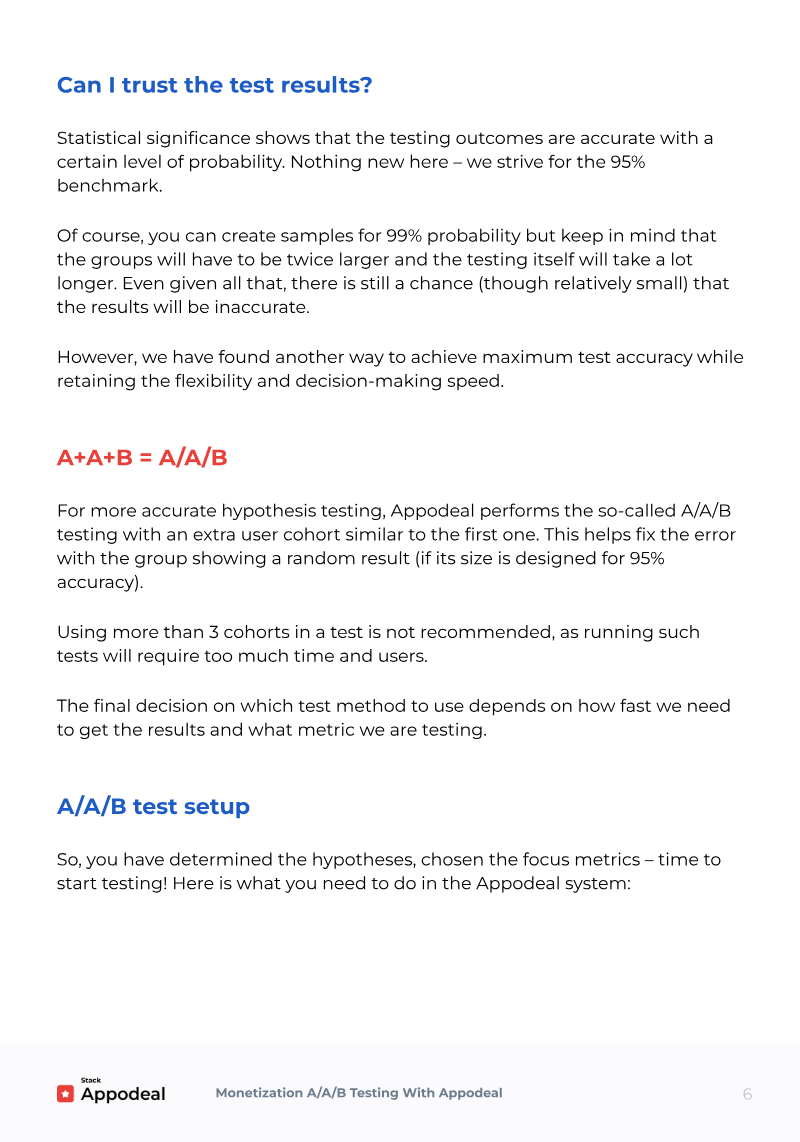
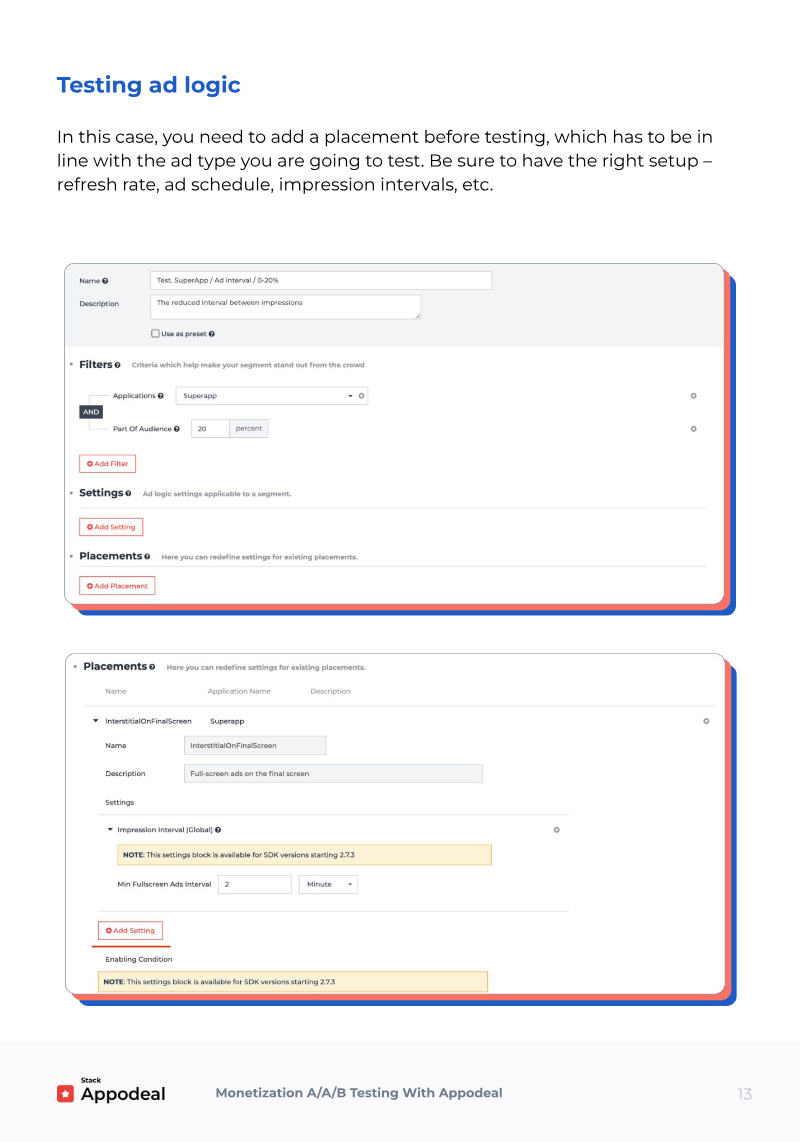
questions that were grabbed from uh out of there's another one for you uh between hill climb racing and hill climb racing 2 what percentage of increase have you achieved in ltv for pairs and non-peers this is pretty specific probably even nda breaking yeah a little bit uh some something that i have to say that i don't i don't have the numbers in my hand so i and i'm not good with the numbers even so i i have some degree but yeah all right um let's see um there's uh how can programmatic ads increase the scale revenues for developers efsa has have you have you guys experimented sort of at gameberry with programmatic i so we have experimented with an auto bidding system i'm not very sure about programmatic ads about that but the auto bidding system which was recently launched in few of the mediators i think it worked really well we it got
us a additional revenue of 20 something like that from that so that order bidding system really worked for us yeah so that's like in-app header bidding i think programmatic inappropriating automated yeah it feels it feels like the same thing but they're calling it different things but i don't know is that alex yeah you're nodding there's so many different names for exactly the same thing in the in the ad monetization world but yeah basically i mean you're as i've said you know programmatic and ad bidding can can massively increase your revenue you know if you've got lots of brands wanting to be wanting to buy your users data and reach those their eyeballs they're willing to bid and bid and bid so you know from one month that one user might be super valuable the next month they might not be as valuable but another target group might be so it will fluctuate but you'll always have at least a decent constant with the programmatic side of things and one of the things that we do as well is rather than having on the open market we we have a private marketplace so what we tend to
do is work with brands exclusively that will outbid each other for for as a user's eyeball so which tends to see much much higher ecpm that you'll be receiving on the publisher will receive at the end result yeah i think that's in general as a small developer just the fact that i don't have to go and manually you know adjust waterfalls with five to ten percent increases on a daily basis makes my life easier yeah leave that to us we'll do it for you um i think we're heading into the end of the panel uh unfortunately um there are oh wait there's one final question we might be able to get in what is the typical payback window for 100 admin sites casual games very specific anyone any takers would you no i guess like it depends right like that that tends to be the the trend for for the panel as a whole so is you know look at your game and uh it depends on on what you as a business are capable of handling as well
if you're a massive studio you're you'll probably be okay with payback windows of 720 days if you're not probably uh probably a bit shorter and generally i think hyper casual at the payback windows tends to be set at around five to seven days right yeah but i would say in that that get your monetization or at monetization like in in good shape uh in that sense that if you are like and follow also the numbers uh between how much you pay for the user and how much uh for example you can like check for the the same network that how much you're paying for them for the users and how much you're getting from them in in terms of for example ecpms there's there might be some connection between those so uh make sure that you are like optimizing also the ad monetization if you have the hundred percent and i would say that the uh bidding or programmatic ads is is very good way for that yeah we've been doing some work recently with a couple of
people doing ua financing uh and we're typically kind of looking at around 120 percent uh os by 90 days as the kind of outer edge because after that point it starts getting less cost effective because obviously if you're using a ua loan you've got to incorporate not just the revenue for the game and yourselves you've also got to incorporate you're actually incurring costs in that process so it's really difficult to get a good judge but basically if you're not getting you know your os in 90 days i think you're probably at risk of under mummifizing the game anyway anyway that's just me i do i do think you know some i think someone also covered that you know there are games where you know it hits its day 360. that's where the most you know valuable players make their first conversion so there is yeah i mean actually the data we saw historically was the the kind of um the first kind of point where you indicate who those people are going to be is around day 14 so you should be able to
somewhere between day 8 and day 14 you should be able to have some indication but the you know different games of different beasts and like you say some are a lot further out but you know in terms of you know planning and what it comes down to me is we i'm maybe this would be mentioned i don't think so um i'm just saying play a life cycle for your game and i i look at segmenting your player audience based on the life cycle that they're in so when they are at discovery like matt said earlier we need to clarify to them that monetization is a good thing that it's not about scraping them for money that it is about providing them with things that they care about and i think then when you get to learning stage where they're kind of understanding not just the game play but how it fits into their daily routine it's a completely different conversation eventually you get to the point where they're engaging and looking for ways to super-engage them but at the end of the day it to me you know a term that jagex exhaust coin the living game for me is what this is about
so finding more users doing more things more often and for longer and i think for me um auto open really hard with the phrase be brave try different things start small and grow bigger i think um that's kind of where when i want to park the panel um thank you to all the panelists for joining you've been a pleasure to talk to both preparing this but also in the actual panel um i think we've covered a ton of ground um and we even managed to answer a few questions so thank you that was brilliant and everyone thank you so much for taking part in that there's so much uh of in a huge area to cover when we're talking about monetization and you know i think the range of teams that we've had uh on this panel has sort of demonstrated kind of the differences between some more hyper-casual end and you know the long-term sustainability that you're going to get into something like you know rudescape and i mean i'm thinking about you know the the what are the value propositions for the players for it's that immediate
kind of give them an ad to give them a break in the middle of this intense type of casual experience or if it's thinking about the next battle pass or the next update and how you encourage people to care about that long before we even release it so that they are looking forward to handing over that clash and i think there were some cases about where you were talking to me once about how people um basically stock up on in-game currency to biting knowing that the next thing's coming out that's me that's all of you oh i'm sure anyway guys thank you very much and obviously this has been the monetization track and um it's always a pleasure to be part of that um great panel thank you very much guys for participating we've had a great range of speakers talking about all sorts of aspects
you
Summary
Modern game monetization is defined by a strategic shift toward hybrid models that integrate in-app purchases, subscriptions, and advertisements to accommodate diverse player behaviors and genre-specific requirements. Rather than adhering to universal benchmarks, which are often misleading due to the vast variance across markets and game designs, developers must prioritize iterative testing and data-driven insights. This approach allows studios to balance complex in-game economies while maintaining a necessary feedback loop with their player base to ensure long-term retention.
Technological advancements, particularly in machine learning and programmatic advertising, have become essential tools for optimizing revenue and operational efficiency. Automated bidding systems have largely replaced manual waterfall management, allowing for more precise user acquisition and targeted offers. However, these tools serve as supplements to human-led decision-making and creative design rather than replacements. The industry is increasingly moving toward social, multiplayer-driven experiences and user-generated content, which foster deeper engagement compared to traditional, static monetization tactics.
Success in the current landscape requires a careful equilibrium between aggressive revenue goals and an ethical duty of care toward the player. While hyper-casual titles often focus on short-term payback windows, live-service games benefit from long-term community management and non-intrusive ad placements. By balancing luck-based systems with skill-based mechanics and prioritizing the overall user experience, developers can sustain loyalty and profitability. Ultimately, the most effective strategies are those that treat monetization as a cohesive, evolving system rather than a collection of isolated revenue streams.