VideoTwo & a Half Gamers
two & a half gamers honest interviews #4 - Erik Gloersen (Why is the company vision important?)
27 May 202447 min video
Transcript
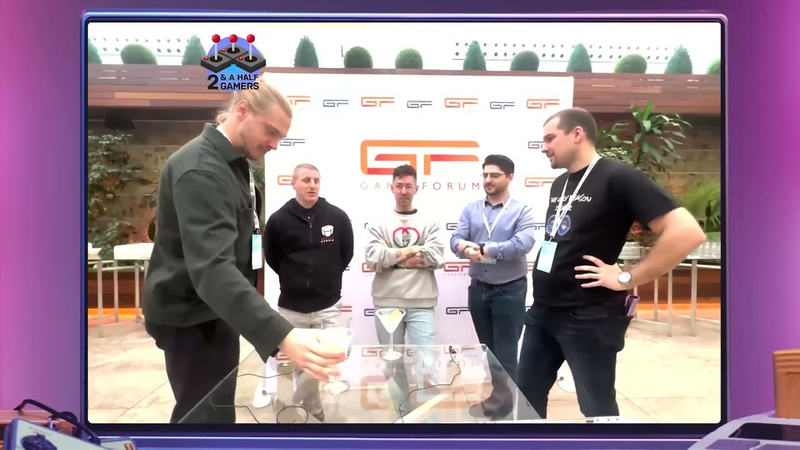
[Music] uh welcome everybody this is no podcast 2 of Gamers with honest interview segment we're back uh with with interviews we're asking tough questions having fun but also dropping knowledge within gaming industry people and today we have Eric from cisu Ventures over here welcome and myself mat ler on the mic so uh yeah let's uh well how are you Eric first in the first place doing great loving it uh it's it's crazy times right um a lot of changes in the industry we can see macroeconomic changes change you know changing for everybody inflation so I think everyone's a little bit concerned and uh on the other hand they're in in times like these that opportunities present themselves that are normal not there so
I think most awesome companies are built in uh these yeah yeah defin yeah definitely a lot of opportunities out there for sure um can uh yeah let's let's start uh with like brief introduction on your side can you can you tell I mean we know each other for some time but can you can you tell uh the audience uh a little bit about yourself yes so I'll I'll try to be brief it's not so easy because I've been in the industry over 30 years now so it's going to take a little bit of time to get through it but I'll I'll I'll go quickly so okay okay okay perfect I I started in the late 80s uh making games on uh on the Sega Genesis and Super Nintendo where we had to re uh work the Genesis to get access to the code we weren't a licensed developer or anything like that uh so this is back in Norway where I'm from
originally um which then turned into funcom which you know is still around I was the founder and CEO of of funcom and was I think was sold to 10 cent last year took them private and and acquired them so I'm I'm very proud of the fact that a company that I started uh 30 years ago still making games uh today that's really cool even though I'm you know I I know the people there but I'm not you know I'm not that much in touch with them but um after after funcom I moved to the United States um and was uh co-managing director of Looking Glass Studios uh which is back then was a pretty famous Studio it's kind of nostalgia these days with the thief series and System Shock 2 and some of these games that I think are still considered some of the uh games in the top 100 of all time so at the time you know very Innovative and unique title so that was a lot of fun and and then I spent a couple of
years learning what not to do in terms of being an entrepreneur working at EA um very large teams very short development Cycles a lot of wasted resources but on the other hand going through kind of like a car wreck in slow motion teaches you a lot of uh and it's difficult to explain how hard it is to run a really big team with a really short development cycle unless you've been in the middle of it so I think that was that was really useful and then in 2008 I came back to Europe uh working with Somali one of the co-founders of cisu uh for the first time he had a studio that he had started um that had gone a little bit sideways they were struggling so I helped him turn the team around um and then epic uh Came Calling they had a studio in Poland that had been in pre-production for a really long time on awesome title called
bullet stormm um and they were looking for someone who could come in and and turn that studio around so I was a studio director there which was super fun I mean that was a really fun game to work on and I loved working with people there um and then after that I started noticing that I was playing more games on my on my phone than I was on my console okay and I felt like free to play was something new and weird I didn't necessarily like it um so I felt like I needed to expose myself to it to learn more about it so I became the head of Disney's mobile division um that was based in Prague which was which was very interesting because when I when I talked to them I pitched this idea of being like the Pixar within the Disney yeah uh organization where coming up with really awesome original PS and great games
right and they were like yeah yeah that's exactly what we want and then when I got there it was more like hey can we tie can we take like the top three top grossing and reskin them with Disney IP perfect so you know it wasn't it wasn't as an exciting opportunity as I wanted it to be but I learned a lot about free to play and it sort of had a big impact on on uh what I ended up doing after that but first um I had one more big turnaround operation in me and that was take two um they hired me as the president of 2K check that was working on Mafia 3 which was similar to uh Bullet Storm in that it was a really big team been in pre-production for a really long time they hadn't figured really out what the game was all about and that was kind of the one thing that I saw throughout my career in broken Studio
is that they they lacked Clarity of vision when it came to what the game was that they were working on and that's really hard when you have 200 people working on your game and you walk around the hallways and you're asking people so what's our game about and you get like 200 different answers then it's impossible to make something great so the one technique that I used for all of the studios that I helped sort of turn themselves around was to get that Clarity of vision um narrow it down as as much as possible even into like a short sentence or a few words so that when you would ask 200 people they would all have the same answer so that when a team that makes hundreds of decisions per day are making them cohesively towards one uh big and Clear Vision right so that was the number one element the second element was this concept of giving people autonomy
um but that's really hard to do when nobody knows what you're making right so but as soon as people understand what kind of game they're making and then uh autonomy becomes the rocket fuel for Studios so after shipping Mafia 3 which took a really long time took six years a lot of people big budget um I decided that I wanted to try something very different so I helped four new Studios get off the ground I helped them clarify their Vision awesome company culture um find co-founders and then I helped them raise money and um get their game started help them with publishing and and and basically everything so that was super fun and it was interesting because since I knew somaly uh I pitched it to cisu and cesu was first money in on two of those companies okay um and then they were
like hey Eric we have a portfolio company over here it's kind of struggling I remember you really helped out on one of my previous students can you go there and and help them out a little bit and so I did that and I thought that was really fun so I became an investor in cis2 um and then when cesu decided to do the third fund which is a much bigger fund it's like a 10 times bigger fund than the previous funds they asked me if I wanted to join as a general manager and it was obvious because I I love starting companies as you know yeah um and when you're an investor you kind of get the enthusiasm and the excitement of being an entrepreneur because cesu is so early we're usually first money in sometimes like pre PowerPoint right there's like two guys that we know wants to company yeah and we're like here's the money um
then we help them with the deck we help them find co-founders we put everything together with them and then we get to share in that level of excitement multiplied by the number of portfolio companies which you know in cisu has over the years invested in more than 70 companies yeah so it really is a dream job nice see but besides uh you know uh the helping uh companies uh from the start from the ground up like what different skill and requirements do you need for like you know being a general partner at C Ventures being able to execute well in that position I think cisu is one of the oldest uh funds in in the game Space that was 100% uh investing in in in games but was always doing it like a side project because um Som was starting companies you know Som is a Serial entrepreneur right in the gamees space I think he
started like seven or eight companies and Paul Was a Serial fund Creator stting funds here incubators there nice so cisu was always kind of like a a sign thing but it was doing so well like the the amount of money returned to investors and the kind of companies they invested in it had amazing uh results so they decided to like do this full-time and bring me in and I think they saw in me what they saw in themselves which is a studio operator like an ex CEO yeah of game studios and cisu is very unique in that respect there are very few funds that have Studio operators as a general Partners um it's more people with Finance background that come from the fund side they're like hey games are hot let's invest in games um but for those funds I think it's a little bit harder to pick the winners based on you know
pre-product Prem metric pre everything yeah but then like how do how do you choose these These People based on what because you know like someone someone Close to You comes and like hey so we have this idea and it's like yeah there's here's the money and uh let's see what happens yeah no exactly I mean so there there's some repeat Founders that come to us that we have worked with shoulder-to-shoulder on really tough projects we know that they were carrying the project on their shoulders to the Finish Line yeah and since then and we known them for 20 years right and since then they've had a couple of exits and they've started other companies and they come to us and they go we're thinking about starting a new company and we're like yes 100% that's that's the easy part because we already know them we know they're going to be successful yeah well to put it this way we don't know if
they're going to be successful but we know we want to work with them because we know they're awesome there's no there a higher chance of being Su successful because they've done it before yeah okay um other times we we run into people that come through our Network that we didn't know before but we get to know them we spend time with them I've been sitting in on production meetings and standup meetings and people that we didn't know just to get to know them better to understand company culture the Team Dynamics uh and then we do obviously do more due diligence and we talk to a lot of people and things like that but ultimately um most of the deals that we do come from people we know Network because we've I think I've hired in my 30 years in the industry hired over a thousand people and Som similar Paul knows everybody Paul is like a human
okay um so it's sometimes it's like you have a big network but also after hiring that many people you do get a feel for people and their personalities and and how they would work together and how you would work with them and sort of in being able to talk to people so in particular with cisu I think to become a general manager you actually do need to have that uh Studio operator back background I think at least that was that's the case for all three of the partners in the studio okay and uh when you mentioned the well you do the do deligance of course well you should you should do that but how how do you do your homework like what's the what's the exactly the process well you said that you're sitting on the or well having the the daily standups and trying to be on the product meetings what else this is interesting well it it's kind of a uh it start starts with a Clear
Vision um and you can see that in the deck yeah first time they show the deck they will say you know this is what we want to achieve right and if if it's not clear that's a that's a bad sign so usually what we would do then we would ask we would drill down deep and see do they really know what kind of company they want to build and what kind of games that they want to make because sometimes um you can have a mediocre team come up with a really great idea and even get some early metrics that looks pretty promising yeah but you know that they will find a way to screw it up versus a really good team with a mediocre idea you will you know that they'll find a way to to Pivot away from that bad idea and and find something that works so I know that's a cliche that everybody says well you know the team is important but it is
important so of course yeah 100% so the the deck is kind of a reflection of the team um you you would like to see 10 slides 12 slides Max you would like to see a Crystal Clear Vision a a large Market uh some homework done on um what's unique and how they're going to defend their unique aspect and you give me like like like example of very clear Vision that you've seen in the pitch decks they're like okay so this is it this is what I want to see in the pitch decks like this is uh exactly the vision the I want to I want to see what the companies so I don't know what was the like the best line uh in in that deck that you said you thought that this is it this is uh this is really strong they know what they're talking about you know that's almost impossible to answer
because okay everyone is different like everyone is uh attacking a particular aspect of the industry but I would say lately there's a theme in the companies that we like when it come to come to us with a vision especially if it's in Mobile and that is they're they're tackling the UA challenge right okay they're saying um because of the changes that Apple made and Google are about to make targeted marketing is now much more difficult and a lot more expensive so we are trying something different like we are collecting a bunch of free-to-play games and making them into a subscription like a meta Game Pass where you can earn uh bonuses and rewards across multiple games and there's a share from
the subscription right yeah they're they're trying to sort of work around this whole concept of UA is tough UA was always difficult yeah exactly but now it's it is and it's not going to get any better but it's like uh everybody can make this excuse like well we can't scale because well UA is is hard uh these are the changes that Apple made and Google is going to make so you know mobile is dead but is it is it really the the case we don't think so okay good because I'm I've been hearing this uh especially when I was B PGC hink conference everybody was talking about well mobile free to play is De well I I think so it's not that but uh I would definitely love to hear your perspective on this well I think a lot of people said mobile free to play is dead in the beginning even even before it started there were a
lot of people that were saying oh look these are just Skinner boxes nobody nobody with their in their right mind will actually play these games you only pay to like reduce the pain of how terrible the games are yeah but we worked around that right we started making great games that had um aggressive but worthwhile monetization like players felt like they were getting value out of the great games that did uh free-to-play monetization correctly and I think the same thing is happening now I love the fact that a lot of people saying oh mobile free to play is dead we are now only investing in PC and console or crossplatform and and we're like perfect yeah there more opportunity for us Believers in the freeto playay space in the mobile especially yeah exactly and if you remember um when freeo play blew up there were some companies that were Pioneers in that space that have uh uh
that made great games and it's not like in console and PC you make a great game and then you have to do a sequel like in a few years to continue to make money it's the same games that are still there still making money still you know being number one they they've kind of found their uh Fort and they're and they're able to defend it and I think the same thing will happen in Mobile free to playay when people find the new way to scale uh great games um it's the jury is still out on what that is is it some kind of um viral ability uh is it something that is related to a different um way of valuing uh players input um I don't I don't really know so we're kind of hedging our bets on investing in several mobile Studios that are doing things differently they're
like hey we're doing it like this and we're trying this and and we' be like hey that sounds kind of cool yeah let's try it great yeah that's great I'm I've been hearing this uh well since I'm well the UA guy obviously I'm hearing the the the UA challenges and everybody says that you know targeting Wells and The Big Spenders is hard and now it's mostly like impossible well the traditional way of targeting is that for sure I mean from interest look likees and whatever you you would use in the past you can't use it on iOS most probably won't be able to use it on Google in a couple of years but it's everything shifting into like data and event based targeting where you can do the most probably like the similar stuff that you did before it's just like you need to find the workaround and I'm always optimistic about the the UA landscape and uh I found it really really interesting like how everything is changing uh so yeah I'm I would always say it's it's hard it's not going to get
any easier but it's still possible to to scale the game but as you said finding new ways how to do it yeah so uh but you know is the is the new way also like uh like blockchain gaming that's a question are you investing in like games uh in like web free space or planning to to do that kind of Investments we do um a couple of Studios we got into to web 3 because we had already invested in the companies because we loved the team and the games that were making that were free to play for mobile right so and they were like hey actually our game is perfectly suited yeah for web 3 and uh we would like to build um a layer that is uh it's not it doesn't feel like um like incompatible with the game in any way it really enhances the game so we've done a couple of uh those we've
sort of fell into it backwards um we've also made some investments in um web 3 companies that were um again you know our investment thesis is we invest in uh great Founders so they just happened to be great Founders that we knew and wanted to work with and they said to us they want to do web 3 and so we were like okay yeah all right you know and you know it's interesting because when we were raising money for the fund yeah I think I think most entrepreneurs forget the fact that the VCS that that are sitting on the other side of the video conference have been doing exactly what you're doing right now like going out asking for money you know coming up with a pitch Clear Vision how are you going to earn money what is your investment thesis and our investment thesis was a little bit difficult for some uh uh LPS or investors to understand
because we said well we go where the founders go and they' be like well what if they want to do VR and then we said well then you know they'll do VR we support yeah we support them okay yeah um so in in some cases that turned into an amazing company like resolution games um have is one of the market leaders in VR publishing now and they were profitable every year through the VR nuclear winter because they were a good team right so that's kind of how we look at it when it comes to web three as well okay we probably wouldn't invest in a web 3 company just because we were like hey this is a quick Buck you know this is a speculative awesome uh web three economy um yeah let's let's jump in and out we're thinking you know seven to 10 years uh Horizon so but we do think just like free to play didn't make
any sense to people when it started we're thinking that nfts web 3 blockchain play to earn whatever it is uh you want to call it does introduce A New Concept that is compelling like if you would ask any person that plays a lot of games today you would say would you want to pay for a game or would you want to make money playing a game most people would choose the latter if it if the game is good if that was the two competitive elements one you have to pay up front or pay after you started playing and the other one you can earn money if you're playing that is enough to me to say there's something there even if it hasn't been done the right way yet which free to play wasn't done well in the beginning either of course it's a it's an evolution that's how how it goes needs
to start somewhere it's it's super new but so so you're not looking like for companies but rather than like Founders is would that would that be right okay and uh so what kind of well what are you looking for when uh you know trying to invest in different stages I mean or is it only like the pre PowerPoint or you are investing in in different stages afterward in the companies so we do pre- PowerPoint we do um preedee okay preed is usually they they've created their own deck yeah um they have a co-founding team um and they have an idea for what they want to do right that's a preed round the the pre PowerPoint round is what we call built by cisu which is almost like a incubator in a way right okay it's just it's just one or two guys with an idea and then we can add like another
three four five co-founders to that team we will help them recruit their co-founding team we will help them put the deck together and we will help them raise the money um which I think we're the only Fund in the world that uh does that I think um we also do seed rounds where we are not the first money in or even the second round you know sometimes people do like a pre preed or a preed we do seed rounds we also we can also do um a series a which is you know after seed yeah but that normally doesn't happen it would be because we want to we we have a Founder that uh we that was outside of our network but really wants to PE be a part of the cesu family because they've heard from other Founders that holy crap this is really cool like a bunch of people helping each other within within
the portfolio uh that they want to be a part of and they they reach out to us and say hey can you do you want to write a small check and be part of our journey and then we're like yeah we we can do that nice okay then so you're working very close with founders with this like pre U PowerPoint stage like what would be the advice for for these guys even you know if they're not in the cisu family yet like what should they do just to be the prepared for well the best prepared for for taking the the VC money or just to start a company yeah um most important thing I would say other than Clarity of vision would be a balanced co-funding team okay as a UA expert if you wanted to start a company you know a lot of UA people you would be very tempted to recruit some of the best UA people that you have no way no way no way course well why would I do that I mean it's it's uh
it wouldn't be like you said very balanced I I would need uh well let's say well I would start with the like CTO I guess and then uh then the product guy and then who else would I need well you'll be surprised to know that you do need a business guy and often oh yeah okay I guess right okay often we see uh programmers if it's a programmer heavy founding team they they like to hire other programmers they're like oh he's a he's our product guy and we're like we're looking at his background he's like well he's been a programmer and he was a director of Technology where's the product experience oh but he also you right um artists are very familiar with other artists they tend to you know if the if the CEO is an artist they tend to be very art heavy so well the number one thing we remind people of of of how important it is is to have the business person UA the technology the design and the art
you need to have all of those and you and it is a good idea to have them all at the Lev at the same level okay um that they all why why why is the same level important because if you're let's say you feel that UA is not that important and you but technology is so you have a CTO and then you have a a a manager of UA yeah right all of a sudden you're showing by titles and responsibility within the organization that technology is much more important but if you have at the C Level same level or director level they're all the same level that means every single part of the disciplines they balance each other out and they're equally important but you could argue that the UA is not that important in the in the like first stage because well you could hire someone on the UA side I mean and
then just help out with that the rest of the the founders with any like marketability test pre or research or whatever well that's why we like it when a team does have a UA a senior UA person from the very beginning because it it signals the fact that a they take it seriously yeah and they think about how to make it work yeah and and it's you you can't you can't replace uh uh marketability testing with a prototype that's live and that you can that you can get better measurements from but you can get an idea you can get a hint on whether the theme or the concept or the core gameplay or the progression I mean a lot of this stuff can be faked in ads yeah and can be exposed to your target audience or different audiences so you can make a lot more educated guesses on
where it is that you're going and you therefore can get a lot of answers much sooner yeah I totally understand but I usually see companies and Founders it's more like like you said either like programmer or a product team and then uh the UA comes afterwards they build the the Prototype and then afterwards they see like oh well now what now we need to get someone from the outside to to help us with the UA then then they find out it's like cpis are super high because well they have an N game and they didn't think about the you don't the exactly the market options yeah well uh okay but then um what would be um can you explain like how the you know the gaming VC model or business works like how many many home runs do you need to hit to like per failure and like how
how do how is that the ratio looks like well it's interesting because every time we invest in a company we think that that is the company that's going to pay back the whole fund of course uh which never happens obviously yeah nobody's betting a th000 um but you should invest and only invest in companies that you do think could pay back the entire fund with one exit yeah um and that becomes a little bit of a filter for the kind of companies you invest in because there's so many cute companies they are cute and cozy and you can tell that the founders they are in it for the lifestyle yeah they they want to make they want to make a game that makes enough money that they don't have to grow and makes a nice profit and it's
just it's a pure um Love Project yeah and I think it's amazing I think the industry needs those games and I love that they are uh existing and that they're able to make it the wheels turn on that but it doesn't fit the VC model um so there are quite a few companies that we have to say no to because we're like hey we want to play the game and we love what you guys are doing we just can't invest uh in you because of of the way that you see the world um so it's very important that we that we invest in companies that we think can be a billion dollar company um cisu one I think invested in a company that did become a billion dollar company by the end which was small giant yeah um I think by by the time all the earn outs were paid out by
Zinga it was just over a billion I think so it is it is possible and that's that's kind of how we look at it but we know that most likely if we invest in 30 40 companies in this fund there's only probably only one that can have that kind of returns but then the hope is that only 10 or so will fail y uh 10 or so will be plugging along but you know maybe just like an Acu High 10 of them will be very successful and then one you know will do like some crazy number yeah great number and when do you think it's uh it's better to to take like VC money and when is the better to just bootstrap the the company I mean like what are the the pros and cons if you can
bootstrap if you can find money somewhere or do some other jobs on the side and and build your company with your own sweat it's always better to a point yeah okay um if you if you come to a VC and and all you have is a deck and everyone else is everyone on your co-founding team is working somewhere else they didn't quit their jobs yet yeah they didn't put any skin in the game it's not super attracting of course um but if you've been like hey I've been working two jobs on the side and we've been working on this for six months we have a playable prototype that has uh and we only focused on day one retention we didn't care about anything else and this is what we got and now we're thinking this is a unique opportunity we
would like to scale we've we've found like five people that we would like to bring on we'd like to scale the company and we would like to build a real business around our unique skill set whatever that is that's very attractive okay and it's the right time to um to to raise money I I don't think there are many examples of Studios that were able to uh soft launch then launch without out raising money or Worse doing publishing deals like the worst thing you can do in my opinion is to work with a mobile publisher because they you know with Milestone payments which is probably what what they would give you they take over control over the project even the even the best ones that are that are trying to be nice to developers just because
you have a milestone deliverable with a check attached to it you're going to develop the game according to what that Milestone says and not the things that you notice when the game is being built that it needs so um yeah I hear horror stories uh from developers smaller midsize uh doesn't matter that much that work with mobile game publisher because they were not experienced enough and they you know they listened to them got some well interesting numbers on paper but then uh eventually got screwed because like you said they took over the game and then eventually they wanted to start self-publishing and they then they started self-publishing because well it didn't make sense and they they wanted to divorce from this relationship as soon as they you know we we do make some premium uh uh game Investments as well and in that case what we will do is that we
will invest money into the game they will build the game until maybe pre-alpha with a couple of rounds of investments from different VCS that we would usually start the process and help them raise the money they get to pre-alpha we take them to um Sony and Microsoft and uh sometimes to Epic and we say uh are you interested in the timed exclusives 6 months for X millions of dollars depending on how attractive the game is which then should be enough to get to Beta probably and at beta when you have the exclusive uh deal done with uh with the platforms and you've raised enough money to you know build out the entire game only then do you talk to a publisher you're like six to nine months away from from the release date and then you take you talk to Publishers but you you pitch them against each other and
you say these are the terms are you willing to do it or not they're basically becoming Distributors of your game at that point um and they have to pay an upfront fee a minimum guarantee if you have a really good game you could get like some some pretty nice um funds from that that would fund you like halfway into your next game so at that point you no matter what your game does in in terms of sales you're already ready for your next game um in Mobile it's a little bit different but in in in console and PC that is kind of what the Publishers are useful for in my opinion yeah yeah for sure I mean Publishers are very uh very different topic to to unpack uh I think it's uh it's always interesting to to talk to small on midsize developers about there uh experiences uh but is there uh from your side is there like a
a regret or biggest regret uh of a company that you actually passed on and didn't invest uh and now it's like oh well we should but we we pulled all pulled out is there a company like that no um there was one company that looked like it should have been uh that we should have regretted not investing in them yeah uh I think that I can't remember the name exactly I think was 1047 do you remember that yeah yeah they did that um uh it's a shooter with the portal yeah yeah yeah and now they're closed the game as well yeah so but when they I think they raised a bunch of money at a 100 million valuation or something like that in the next round we were we were looking at them in the previous round and thought about it but decided in the end not to do it not because we didn't
like the founders we just didn't know them that well okay and um it was very early uh in fund three so we were still like trying to figure out exactly um what we should be doing but at at for for a couple of months there when they were like shooting up the it looked like they were Unstoppable and you know millions of downloads at that point we were a little bit like you know did we miss something was it you know and and it could it could still be that they're going to be incredibly successful because they raised a lot of money uh they completely reset and they're starting from scratch which may turn out to be a very smart decision right so I think that would be the only one that we passed on that I would like keep an eye on for the future to see if maybe we' been maybe we missed one yeah okay okay so I have like two last questions or well well one last
question and then there there is the the rapid quiz segment I I like to do so the question is like what's your favorite book favorite book and why well it's it's a little bit difficult to choose I will I will give you my three favorites and then I'll pick one of them okay so um creativity Inc mhm by the the CEO Pixar it's a very good book um 0 to one Peter teal it's a very good book and then uh built to last is also a very good book and and they're all kind of around the same theme of organizational structures that work really well and part of the reason why is that in cisus in invested in some companies that you would you would
almost call them social experiments more than mobile game studios uh lightheart is an example of a company where it's extremely flat organizational structure they're basically is none um people can check in changes to the game if they want to they can ask they'll ask for advice they have the advice model but if they feel strongly that this is going to make the game better they just they just do it and a lot of stuff around you know like extreme openness around financials and salaries people pick their own salaries things like that which is very different so we we like when um companies are trying different things like teal organizations or extremely flat or uh experimenting with not just making great games but making great organizations that can make great games um but if if I had to pick a favorite of those
three it would be creativity Inc I think okay I thought it would say a build to last but okay that's that's definitely my favorite book oh okay cool it's a close it's a close choice between those three okay yeah yeah yeah pretty much all right so this is like the the rapid quiz I I I like which is like a set of multiple questions not wor it's like five questions you need to answer in like one or two seconds so if I ask you like what would you choose like black or white and you answer white okay perfect so okay for what would you choose uh it's or yeah what would you choose console or mobile mobile okay Bullet Storm or Mafia 3 Bullet Storm okay smaller teams or bigger teams smaller teams okay Czech Republic or United States Czech Republic okay Disney or cisu Ventures sis Adventures okay okay that's see uh
thanks thanks a lot for uh for the discussion uh yeah well uh can you share like uh any contact details for audience so if they can or they want to reach you uh where they can yeah you can go to our website which is uh cisu dovc uh that's a good place to start uh we we tried to explain kind of what we're looking for and what's important and what we believe in like Clarity of vision right I've been saying it a lot today we expect that from portfolio companies but it's the same thing for cisu we follow great entrepreneurs we support them and help them in any way we possibly can um that's our singular Vision try and help the industry be a better place um so that's a good that's a good place to reach out and and and get in contact with us from there perfect again thank you very much for coming uh I really
enjoyed it all right thank you so much it was great nice thank you byebye byby [Music]
Auto-generated captions from YouTube — names and numbers may be misheard.
Key insights
Distilling the key insights…
Ask AI about this video
Cite this video
Citation
Generating citation…

















Comments