1 free read left. Create a free account for unlimited reading + AI research.
Create free accounttwo & a half gamers honest interviews #1 - Joakim Achren
Key insights
6 takeaways- 01Investors now prioritize founders who demonstrate humility, realistic business assessments, and clear capital allocation strategies while avoiding those with poor time management or conflicting ventures.
- 02Venture capital is most valuable for its ongoing support in navigating scaling, fundraising, and internal team dynamics rather than as a simple financial instrument.
- 03Founders must prioritize operational discipline, team composition, and business education over premature prototyping to ensure long-term studio sustainability.
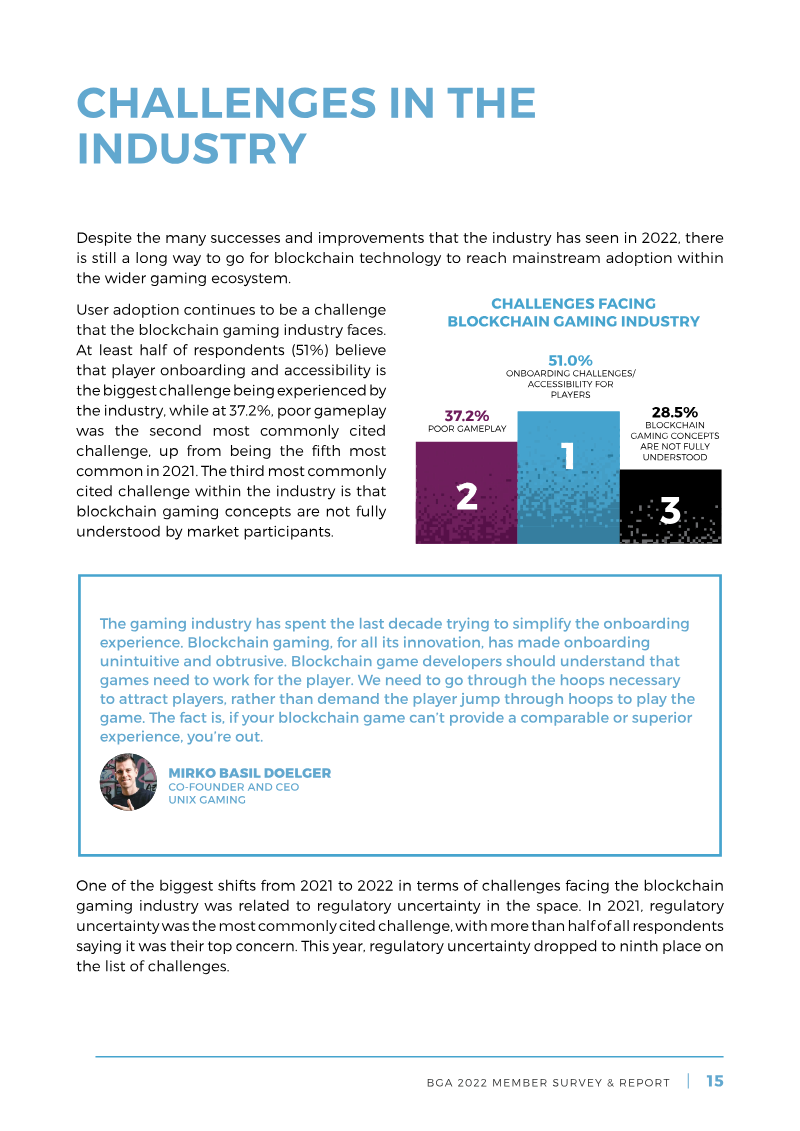
- 04Blockchain integration in gaming is only viable when embedded into games with robust, genuine economies rather than speculative mechanics lacking core gameplay value.
- 05Studios should utilize angel syndicates to streamline funding rounds and improve efficiency in the current post-pandemic market correction environment.
- 06New studios should internalize user acquisition teams early to master the technical nuances of A/B testing and creative optimization.
Ask AI about this video
Transcript
[Music] here listener and this is a two and a half gamers podcast and this time we are bringing a new segment which is called an honest interviews we are asking tough questions but also having fun and topics of knowledge with the industry cool people they happen to be also a really a big expert in the in the field and today it's a it's a pleasure to welcome you aki macron welcome akin thanks mate thanks for having me on the show yeah this is amazing this this is a new start of our segment so let's see what happens definitely want to have a lot of fun and i have some some really like burning questions that always come into my mind when everybody is talking about the investments but uh before we jump into everything even though you are very very well known
um in the industry could you just give us a little bit of a like brief intro about yourself so we can we can start with that yeah yeah so my background is that i started in gaming as a programmer probably like over 20 years ago um in late 90s and then gradually went that path of you know becoming a bit better at programming and getting better jobs but then eventually i wanted to do my own game studio i wanted to because i think i had this kind of entrepreneur bug from early on as a as a kid doing doing a lot of projects where i was creating software on my own and then that happened in 2005 when i started my first game studio called ironstar helsinki which did like like a mobile virtual world for like
symbian java phones very early days uh tried that for several years and it didn't work and then we pivoted to facebook games and that worked quite well for a while until facebook started asking everybody to buy ads and we didn't know like how to do that profitably um then ended up closing the studio and i went to supercell puss there for the time when they went from facebook to mobile to launch clash of clans heyday left again to start the new studio uh called next games in this is early 2013 and and we raised a lot of money did an ipo 2017. i left 2019 i wanted to get out of like this crazy ride it was very i had like a
burnout experience from that it was it was very intense uh i just needed to do something else and i started elitegamedevelopers.com which is a website targeting uh people who are trying to start a game studio like every sorts of material that i could find i've been trying to put there also newsletter uh i have wrote a book as well right yes a book which came out two years ago called long-term game how to build a video games company and then i have a podcast as well 138 episodes so far with entrepreneurs and investors as guests and and also like i've been doing a lot of angel investing uh part of uh play ventures to bc fund as a venture partner so there's a lot there yeah i just love spending time with games companies uh
and the founders and and all the problems that they might have yeah nice yeah so i wanted to ask like why did you start the led cam developers and uh not the new gaming studio but i guess you already answered that it was a really intense experience after just you know leaving the next games and i wanted to do something else but still like remain in the industry yeah it felt like for me podcasts were something that felt really amazing as a way to content create content so i was a long time consumer of podcasts started listening to them probably 2009 2000 nice 10 not back then it wasn't wasn't a thing right no it wasn't but there was a lot of entrepreneur podcasts already and they always felt like hey this is so interesting people are sharing what they're learning what they've learned advice everything
but then i had to do next games and it took a while to get back into like thinking about hey maybe i should do a podcast as well i love the format and but i also love just create content uh what i'm like things that i've experienced that's why i i i just wrote the book like in in two months and then i had uh a person who helped me proof read it and edit it and then put it out and yeah i'm i'm actually spent last week and just working on the second book oh can you can you share a little bit more uh is it a surprise it's about team work oh nice i think the thematic but like i'm still figuring out like the scope of how i want to approach this okay nice well uh uh i definitely share um the love for creating content and uh
if it's uh if it's a blog or a podcast or whatever just you know sharing the experiences and the knowledge to to other um people from the industry that's super powerful and i mean you know you you have that really powerful thing going on in finland it's not that common like anywhere in the world honestly that like you know people openly share everything here in slovakia even though it's like five game developers here uh they definitely don't share as much as they should and uh that's what i've been you know seeing around as soon as i started like bringing numbers to the actual presentations everybody's like oh wow we've never seen this before it's like yeah how is that even possible come on we are here to share so yeah in a way the finnish finnish mentality is kind of like if you think about the spectrum of naivety like we are super naive [Laughter] we just share we don't really understand if we should be or not sharing we're
just naive and it's fun but you know like that that's the thing like even if you share some some data or anything that you experience and uh you can learn from it but you will even though you do exactly the same thing you will have very different uh you know process experience everything it just won't work exactly the same for you as it did for me that's the thing yeah it's it's the background everything everything relates to everything yeah yeah you mentioned also um you are a part of the play ventures um company and i know you just well not just but you became a partner like it's a it's a recent thing so how how can you just become a partner at the vc vc company i was actually talking with them when i was leaving next games that this is something i would really want to do not getting into the investing it felt like a great way for me
to be involved with gaming startups um i think like the the whole process went that way that i started doing angel investing i started writing about like what i'm thinking about startups uh how to help startups what kind of help do they actually need where do they need structure things like that so just putting out a lot of things that i'm thinking about and i actually got like contacted by several funds this was 2020 like late 2020 to join us a venture partner which is kind of like a part-time role uh where you're not full-time but you're kind of one leg in the pc world already and and that felt like the right choice for me uh as i'm still figuring things out so the the options led me to pick play adventures because
it was kind of the best feat yeah uh regarding like how they think about gaming how they think about startups and also i knew the guys from way back in the finnish industry so it was a privilege to get to work with them nice are there any any like you know skills or requirements that you someone need to have in order to be uh like a good venture partner or like uh like you said one like part-time uh vc uh partner because it's uh it's definitely not an easy job that's uh something i can tell even though i've never done it before yeah i think being an entrepreneur is one way to approach becoming a vc uh is just going through that path and seeing what happens there and experience because like applying the money to startups that pcs do is like just one percent of what you can add to a company the 99
is navigating all sorts of troubles with the founders that come up the problems everything that's internal external everything and if you have been seeing things like that happening in your previous career it if you can help and apply that knowledge i think that's one way to get into this is just okay you know be that kind of person nice okay yeah yeah all right well uh it's an interesting uh well definitely interesting uh let's say drop position um maybe i can i can put it into my uh bucket list for uh later stages in my life yeah but maybe it's there's many other ways you can approach becoming a vc like other ways to just you know be fanatical about like where the market is going and uh being this kind of like
seer of how markets are changing and then you know coming in to actually give that advice to the vc portfolio companies but i think it is always like hey what can you actually bring to the table after the cash has been put into this startup so yeah yeah and what exactly can uh can you bring into the table i mean like you are just uh becoming a like best friend with the ceos or um like how does that work yeah it's it's there's different kind of roles like you can be a board member where there's like official board meetings where you're meeting uh once a month twice every second a month having having that kind of role or you can have a lesser role where it is weekly bi-weekly catch-up calls like just getting getting to help the founders in what their problems are okay so i guess okay so that's that's
how your linkedin is able to be full of uh being an investor and then board member in a like multiple companies right so yeah okay nice yeah it's it's kind of you don't necessarily spend time with the companies doing the actual work but you take up sessions where they need help and where you can help out and then do actively approach the companies or they they do it like you know like so for example ceo just you know see some kind of problem within the within the team and then they just approach you or you are trying to be you know proactive and try to see the problem before it actually happens um it it's both actually uh i would say that there's some proactivity that i've applied when i'm helping founders
but then there's a lot of these situations that aren't really evident until the founder brings them up okay um yeah so yeah it really depends i think one of those areas which are interesting is like when you need to raise another round uh that's like the earlier the better usually is the the way to approach that and it's not evident to founders who often more than not are sensitive about diluting their ownership because when you when you raise more money you need to give out more equity to investors but the investors know that the the cash that you're getting into the company is always also putting the company to the next level so the the quicker you can go to the next level the better with this these venture-backed companies because then it
means that there's there's maybe even an exit coming in the future and the companies as well doing much better versus like they're they're using their 12 to 18 months runway and then like if that happens only in 18 months it's going to be very problematic and it's going to be less easy to get the right terms and everything so it's it's yeah okay and just maybe a quick uh quick question about like could you explain what like the pre-seed seed and series a and series basi whatever uh actually means like how do you define those uh those stages yeah the precede is the first money usually in from like vc or angel investors where the the amount would be like few hundred thousand two to a million in that range um
or even two million is now now they still said it's precede uh so it's the area where you don't yet have any anything happening in the business that would say that hey we're gonna this is gonna be big okay yeah or there's no evidence of that besides the team and the idea and maybe some prototypes or something but then like you go from there uh to the next stage where you're graduating is that you have if you're talking about the game studio that is raising raising funding it is that you're going from that idea stage to actually having executed uh some some part of the the the project to a place where you can show that things are working that we've progressed and maybe there's kpis already um some early indicators and then you're raising that seed round which is the next stage of
like depending where you are at but like a few million uh to actually go through to the stage where you show that okay this is going to work and this is going to be a big big business when this game goes goes into global so even with the seed funding you are not going to be scaling the business meaning that you're not going to be hiring a lot of people but you're not also going to be spending a lot in the user acquisition or into other marketing activities so then that stage this is just of course like an optimal way of approaching yeah yeah it's never usually this way like strictly then then you get to that a b c d whatever that that means that you're growing something that works you've kind of with the series a you're
already shown that it works and this business is going to work okay uh like you know 30 percent likely that it will work there's still two thirds but it won't um but yeah it's it kind of works that way and each stage becomes more likely that the company will become huge and successful and that's why the valuation also goes up because it's more valuable to come into the company later okay so what you're saying is that in in the precede um stage you're basically looking at the team mainly as a as a kpi and uh in the in the seed more about like uh mvp of the game rather than like the first uh playable and then if that works then um you are looking at the long term plan of how to scale or grow the company in the game
yes okay okay okay so uh so we talked about the the k different kpis in the different stages and there the question is then like how do you actually you know decide to invest in companies like what is your due diligence process because obviously it's not that easy to just you know deploy some money into into the gaming company and if it's uh if it's like unknown company or like there is couple of just you know dudes uh starting their own small studio like how do you how do you go about that yeah it's constantly evolving and like i think i'm mostly spending time trying to figure out what the founders want to actually do nowadays like what is okay what is what do they want to actually do with the company like
why do they believe that their product is a good idea uh how do they believe that they can execute and build something amazing um and also talk about how much they know about uh capital allocation kind of if you raise now like one million like do you know already what you need to do in the next uh 12 months if all goes well what do you need to do after that in the next one okay and after that so i'm just trying to figure out how knowledgeable they already are about what their need what they need to do if they're doing a game studio um and it's fine if they don't know all the yeah the question is that's my next question because i think it's like it's great if they say that they don't understand like if they admit versus they they come up with something uh yeah and they pretend okay so we we definitely know what we are going to do
what but they they don't know a about them and there's some good things there as well so it really depends on so many context uh related things so it's kind of hard to say like what i'm looking at but maybe one thing that i am looking at this red flags yeah okay like i ask a hundred questions and i want to discover the red flags that come up organically uh sometimes they just come out uh when i'm asking something they say something that really like points out that oh this like yeah that sounds like a problem later on like it's it's quite like you're interviewing somebody for a job because you you want them to be um kind of good for the thing that they're they're signing up for which is to run a venture-backed company and uh and that's the job
so then the job has a lot of nuances like what i really like about founders if they're very uh not ego driven so that they're they're kind of they want to build this company because it feels like it needs to exist and not that hey i need to be a founder because i always want to be a founder so that's not a good motivation to actually do a company yeah do you have like any red flags that you could point out that okay so if you see uh these i don't know whatever okay so we have one million we are going to buy lambos for it but yeah something like that where the founder has a side business that they will continue okay uh but you cannot you also said i think in an interview interviews or even in the newsletter that you know like all the
the founders need to have like something on the side i know you mentioned like blogging and writing and doing the podcast but you know what what's the difference between the side business and like doing this for you know basically free uh there's also uh something to keep your mind uh pretty much uh yeah i see yeah i i have this article which talks about the side project i think to a limit it makes sense like writing as a father is very important because it brings your you get to process your thoughts yeah into writing so putting up like releasing a blog for instance is excellent for any founder you should think about that because that's communication also towards your team and your organization your investors everything future investors um it's also like it's about communication but it's also
kind of marketing as well about the style of communication as well like how you write and if if it's also something that everybody can understand quite quickly and not too complicated okay i get it yeah i think podcast isn't a good thing for a founder to be honest because it's because it's then you're you're the journalist and you're not the creator probably like too exposed to a lot of a lot of people and not everybody is obviously a fan of podcast and then sometimes you say something stupid and you never know who is going to process that and how that's true it's it comes from a different different reasoning it's already like a business of its own versus what the writing can be but like why is that like the business problem and writing as a you know non-profit um activity not a problem um there is a certain amount of time that you can
allocate to work in a day which is like healthy and like i would want you to look work five hours and nothing else that would be healthy and if you can spend that five hours on the startup that's great and the rest of time with your family uh loved ones friends everything that helps you recover for the next five hours the following day so include that writing into like a way of processing your work that's great but if you start doing like a podcast uh whatever kind of media business next to next to your startup then like that's dangerous okay yeah it can be uh a little bit overwhelming if you if you do a lot of stuff it was a time when i was um having like definitely more projects that i i would need let's say
that way because i was like okay so let's uh let's try to get this many things done as possible and then i i found out like okay so this is probably too much yeah yeah let's let's not do that anymore and in that case i always you know try to have like two or three projects buffer and don't work on the full capacity like anymore and ever will be because yeah hey i want to spend the time with my family and i just want to work as you said like a couple of hours a day like six maximum eight hours a day and then everything else is just going to to family and focusing on the relationship i can have with my daughter and my wife and the rest of the family as well yeah yeah that's really true yeah okay okay uh interesting interesting and uh so there is you you mentioned i think uh well on twitter and linkedin as well like now is the time the best time to start a gaming company like why
why now is the you know never been a better time to start a gaming company well there's few reasons i think there's never been this much capital outside from outside investors available like if you just look at the the recent fund yeah easy fund announcements the griffin gaming partners makers fund uh a16z yeah and there's there's more for sure coming like just like i think three years ago there was so less amount of vc funds doing gaming like five years ago even less so this all happened so quickly so in the grand scheme of like 20 40 years of games industry now the last few years has been super great of course it might get better and better but it's never been as good as now yeah and also we're getting so much more
sophisticated as an industry where there's more companies that have gone public in the gaming sector like the from different geographical uh like locations as well so there's more more knowledge about like how do we how do we grow companies like big game studios then like also the exit possibilities are more numerous than before like consolidation bodies like embracers what not who are buying studios so it's like that path from thinking about starting a studio if you're capable in making games it's kind of a no-brainer to not try it because it's such a an interesting time to do in like spend time in your life just thinking about how do i do a business okay okay so hypothetical questions so i want to start a gaming studio and um in apple
you said there's no no better time than now but i still have like some some money and some cash left from my previous companies and drugs let's say half a million so what should what should i do should i do you know should i use this money and bootstrap the the company or should i get an investor you know just in case i would need more money like i know there's probably no like one answer to this but i would i would definitely want to hear more more thoughts yeah there's a probably a very contrarian uh advice for this which would be that look for people who want to be founders and give them equity instead of salary find people who want to do that kind of project at least start off with that for let's say six months where most of the work doesn't go into hey let's code this prototype let's you
know try out quickly some game concepts but rather sit down and talk about what kind of company want to build and read these books that uh that give you insight into company building because like most of the time the companies that i'm looking at don't have people who've done games companies before i would say 85 of the the companies that i'm working with uh are first-time founders which means that they don't have the experience of doing a company before but if you if you read books like good to great uh from jim collins and there's my favorite bunch of yeah there's a bunch of other similar great books now i'm i'm reading this uh why startups fail which is by a professor from harvard business school it's a really new book that came out i think last
last year um like those kind of books really give you that insight of okay this is what i'm going to be expecting from this job of being an entrepreneur and that helps you already like get past one point where you're going to be surprised about issues because there's going to be so many problems coming up that will surprise you and also in a negative way surprise you like let you down in a way so getting used to what are the common problems helps a lot for somebody even though you would have the cash you would have the money to to start prototyping testing doing stuff uh i think having that discussion is great because then you build the foundation that you can build a company on um and then you can think about like do do we start spending the money that we have do we raise money what we do
yeah i definitely um believe like people are the cornerstone of all the companies and if you have the right people on in the right seats then um everything is possible basically it's just it just takes time and dedication i would say and then yeah there's a like it feels often with this game studios is that they're so anxious to do the company that spending six months trying to find even better co-founders is something that they're not willing to do because they're so anxious to do the studio and as soon as possible yes i think that that would that would already like if you're thinking about first-time founders raising from venture capital if i would see a company where the team has spent two years or a year planning putting together a team and now they have a few ideas that they're going to be approaching that
would already be very different from what i get pitched usually and that would really like open my eyes okay like this these these people are really thinking about how to approach this company thing yeah and uh and you know uh going to uh a slightly different topic uh we know nowadays all the hype around uh the crypto and and the web three like why do you think a lot of company gaming companies get some like decent results or mediocre results uh trying to pivot quickly to to the web 3. is it like because of the technology or free money from investors or the train is already gone yeah web 3 craziness is ongoing for sure there's so much interest there like now we saw this uh board ape yacht club uh racing this yeah 450. yeah yes
and they're going to build a metaverse with that ip everything yeah and all the you know buzzwords like land and everything up there and and like if you look at their numbers like they made 130 million in revenue last year and their profit was 120 so it's pretty yeah amazing how good the margins can be in this web 3 which definitely is interesting i think there's the problems here are quite similar to what were in the the late 90s internet bubble where there's everybody who can code something in crypto can get funding like you know you could code a website you could get funding um there's something some of that happening uh you have an nfd project and everybody throws money into nfts yeah i don't know how sustainable that is to be honest like it's
like there's when we're coming from gaming i think virtual goods is something that we're so used to seeing having utility having long-term value uh but like most of this industry that is coming to nfts is not coming from that kind of background where they've they've seen value in virtual assets they've suddenly seen that the profile picture can be worth 2 million and that's it's kind of the analogous to the virtual goods in gaming there's more in gaming than what these profile pictures currently can offer and that's why they are all expanding into this land projects into these metaverse projects whatever ugc yeah because there's a there is definitely like what is next yeah like how many pictures of monkeys can you really sell until it becomes too old
um yeah so like that i think with gaming like if you know and if you study and if you really pay attention to to what crypto is providing and also spend some time in the decentralized finance you know do some guild farming what not kind of participate in those activities it will tell you a lot more what is it what it is all about because i i think the whole web 3 is so much about just believe that there is wealth there's this value in these virtual assets uh because they are on the blockchain and because enough people like millions hundreds of millions people believe in that value um it's kind of hard to to let go it's kind of like like you know there's just a dollar u.s
dollar there's billions of people who believe that there's value in that as well so it's not too different from that and um and if you have a game that has virtual goods people already believe in their value like you have a roster you know rpg game of great characters and gear and if those would be on the blockchain and you had something that is very scarce in in the game it would have value uh it would have meaning uh so yeah okay smart teams smart teams will win okay smart teams okay okay okay yeah i mean it's uh it's definitely a huge opportunity of course uh to jump on the jump on board and try to create something quickly and obviously last year was all about raising the the money and uh yeah like i
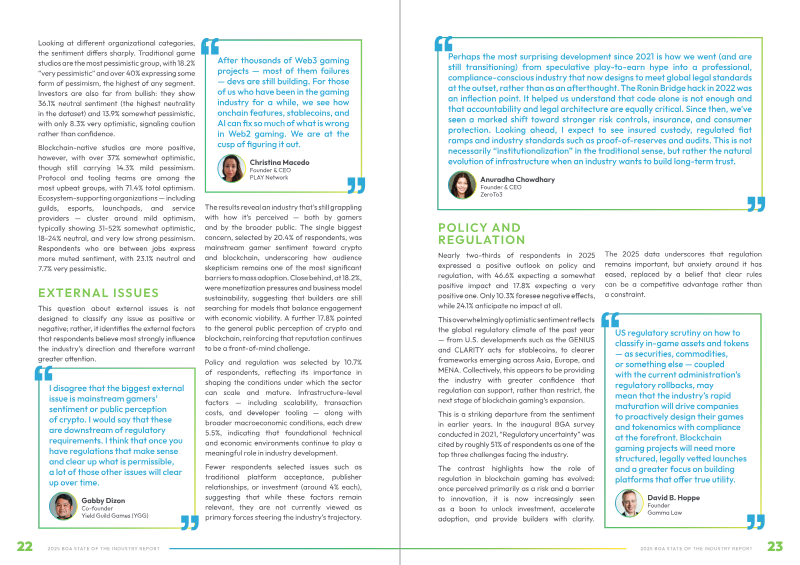
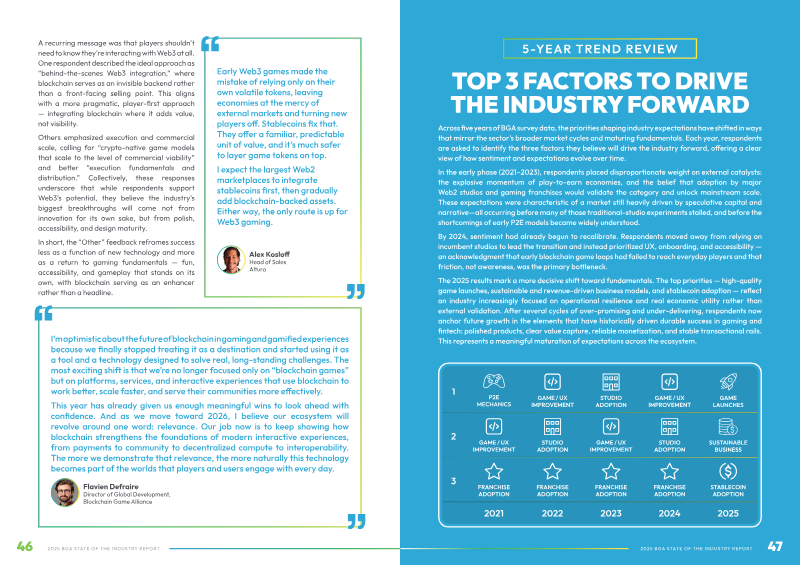
said they were just some of the buzzwords like uh web 3 metawars what else ugc nfts and if you had all of these in the pitch deck then everybody was throwing money at you but now like yeah at that you know sorry buddy that's already already gone now everybody's looking at how you can actually build games with a proper economy that can have a like crypt or like web 3 well crypto layer on top of it and not like starting with crypto and then try to duct tape the game around around that yeah yeah because that's what the the ape board ibat club did is like they released the ape versus mutants game which is an archer cologne there is no monetization nothing and they just you know they released it and said oh this is the game where you can just have your ape uh as an nfd and then play with nothing else so how is like why like there is no value added in this
game really yeah yep yeah yeah so yeah i think like the the existing things like the cool thing about gaming is always when these new platforms emerges you can transfer a lot of the knowledge from the previous platforms to the next so it's the strength for the games industry which kind of you you pull in people and the people stick there because the knowledge is always valuable and like it's cool that new technologies when they emerge gaming is sort of the first thing that gets adapted with these new new technologies so um yeah that's why i i think the industry will continue growing and growing and yeah web3 feels like it's just one of the new platforms getting really good adoption uh also i i would say that the money is there like with the margins that we can
see so yeah investors need to be getting burned a bit uh with projects that don't work so yeah because how how do you do the due diligence for uh for this type of you know companies and games i mean there is no data yet so is it like driven by the you know team again or like feeling or like okay so you know this is a huge opportunity but i still know like a lot of games will die eventually but what if there is this one percent of games that i invest in that will become a huge hits yeah i look at the linkedin of the founders of them like of these projects the problem is that these projects usually don't have like they have a team slide that doesn't have real names of people it's very hard to do they're very hard to do listens on the founders like who are they actually um yeah that's that's a huge thing in in in blockchains i i work with one uh one
guy and one company and they're like so why do you use like a very different name like oh well you know that's that's the thing in the in the crypto will you will uh you will understand afterwards like ah okay well all right then what do i know yeah yeah but in these like all uh like is um you know important like the the token allocation like pre-drop or like how do how does that that work yeah i've been thinking about that a lot as well and i think it doesn't really like is it an nft drop token sale what not like you're you're putting out some sorts of uh crypto assets assets that are on the blockchain um that have perceived value in future earnings which could be airdrops that come in where you get more nfts because you are
an owner and they have a tradable value as the project starts scaling and you can sell them for for you know stable coins and then cash out if you want into the real money so yeah i think all the projects are doing what they should be doing because the model works really well where you have this kind of public market that is willing to trade assets quite quickly for these projects and i don't think that's necessarily going to go away because it feels more like pre-seed investing or angel investing in a way it's still like with the tokens and uh in coins it's uh it's a bit tricky i would say you know for uh for the the regular stock it can take like what 10 years to to get some some money um but in in terms of the tokens or coins as soon as the drop takes place like you can just
pump and dump everything and then adios yes which happened with the with the ape coin basically so they started on like 30 or 40 dollars and everybody who just received an airdrop of these these coins like started selling immediately because you know why not and then the price dropped to like four dollars or something so this is kind of dangerous right yeah yeah i think there's mechanics there that we could think about like vesting for instance you cannot like release everything immediately yeah the dynamics are are quite similar i would say from from public market when you think about it okay like you know a stock is appreciated or overvalued and suddenly the market realizes that that is true and it wasn't it was uncertain but then it's like 100 percent true
uh and you start selling it um like like airdrops are interesting because they're they're kind of like bonus rewards that come so like better air drops something that people don't want to sell because the the current utility uh isn't yet utilized yeah and it will be at a later stage in future um yeah there's yeah that's actually the artifact company they um they were acquired uh by nike i think nike and uh and they did a really interesting airdrop basically dropping a monolith and that monolith started to be what i think selling around like 30k or something but they said so if you if you actually hold it for a long period of time it's it's going to get unlocked and you can get a rare item which can have even higher price or value
and everyone who actually holds the monolith they um it can get a little like more extra bonuses in the in the future which prevented obviously like for from selling a lot of uh a lot of these monoliths so that can be here that can be one mechanic how to prevent these pump pumping dumps yeah and of course like also like setting expectations that like hey we're gonna release this at forty dollars but we know that it's gonna go to like 100 percent less of that that it's just an expectation that this will happen that it's not a surprise to anybody like when you know you're giving your team as well these coins bonus and and things like that the team gets pretty demoralized yeah uh if if their bonus of uh ten thousand ape coins went to 100 april yeah exactly but like if you if you just know that
that will happen if you if you level that with your team that this this is definitely what will happen um that's much better if you can model out like what you believe will happen in the market when you when you do these air drops when you put out these item assets that can be traded so i think that's also like part of the the reason why like if you think about the gaming industry stock that went up when the pandemic hit like all the yeah the the publicly traded games company started going up and then there's a correction uh last fall 2021 when everything started gradually going down and it still continues if the companies would have internally discussed with their teams that hey this is most likely going to happen during the pandemic there will be a correction and we go back to pre pandemic
uh i i think that's that's kind of expectations also like what is going on that we're overvalued or the dynamics of the market don't yet support like higher like high enough multiples for game studios or companies um so yeah i think there's there's so much there about just setting the right expectations yeah that's that's that's really important and um i know you uh you mentioned it at the beginning and then obviously i'm a part of the the syndicate as well but you know uh can you tell tell me a little bit more about like why you started the syndicate and and then there's the connected question because i know i again the right somewhere you mentioned that you know having only one line on the cap table is is way better than like having like 20 names in there like why why is that yeah so the angel syndicate that i have it's a
group of close to 170 people now on a slack nice uh workspace where where i've where where i started with this was that i i wanted to get into like allocating other people's money into the deals that i was seeing because there was so many cool stuff startups coming up constantly and i didn't want to raise a fund and also i didn't want to go full-time vc so what was the model uh the model was angel syndicate so i was reading this book from jason kalakanis who's uh he has this podcast which is huge now called all in podcast he wrote the book four years ago called angel because he was a he started doing angel investing like late 2000 like 2008-2009 he was in uber
um and he made like 120 million with his uber angel investment and the book kind of like goes into like what he's learned in the 10 years of doing angel investing and one of the things was the syndicate that he he runs called chase and syndicate it's it's an ongoing thing and you can join that as well nowadays so i thought about that model how could i do that and i started like asking people there's a finnish angel business angel network and i i asked like tips for how to set up a syndicate and the legal structure like tips that i got were for setting up a holding company structure in finland did that for a while with the group um and it was very very cumbersome like there's so much legality in finland regarding all sorts of reporting and everything so now i've been recently
doing a lot of this stuff in the uk with the cindy like these special purpose vehicle providers there it's much more effective where they take a lot of the work and and reporting as well but yeah the yeah the motivation was to actually start trying to allocate other people's money and learn from that uh to be a manager of money okay and then yeah your question about the 40 people on that yeah and then there's the the other part of the question like why why is that like why is that the difference uh from the one well like you have yeah you have one syndicate instead of like 20 people on the cup table as an angels yeah there's there's definitely the the benefit of any future investor looking at the cap table and seeing like who are the owners in the company
when you have a syndicate group it sort of means that there's some structure behind this group where the decision making is more centralized versus 40 people where the decision making isn't at all centralized it's decentralized which in a in a bad way often for making shareholder decisions that's one then the other thing is like if you're raising another funding round you can just ask the syndicate lead for like hey are you going to participate in this round with your syndic versus going to 40 people yeah okay are you all going to you know participate in the new round and then you need to start organizing that so it's tricky okay
how do you how do you like find companies for the for the syndicate is it just uh you know opening up linkedin in your messages i guess you are getting millions of them or is it just you know uh like inner circle somewhere in uh in between the busy companies yeah um probably half of them come true friends who introduce me to them um and the other half is quite organic that people reach out um i think it's even higher like how much of the deals that happen come true friends so probably two-thirds come from mutual contacts and then the the last third comes from uh just organically looking at linkedin and seeing somebody saying hey i'm going on this startup
inventor uh or i'm going to do something else next but i won't tell you what and then i just ping them and ask this is how things happened actually with one of the the companies that i invested in which was really interesting because the the father ceo just messaged on or sent the linkedin post that he's he's leaving king and he's nice uh doing stuff and then it escalated to an investment because i just asked him if he's doing a startup nice yeah and that's happened several times in the other context as well yeah i know eric suffered also mentioned he mentioned this uh he's just you know looking at the linkedin and uh trying to see who is leaving what company and then offering them like a startup money because okay but that's an interesting strategy yeah
it feels like it works yeah yeah yeah definitely uh so i have a couple more questions and uh and this one is um is really about like the the ua because i know and i've been hearing this for for some time like every time there is an investment going on like you know investors are really keen um for the companies to have like internal ua ui people so like why why is that like is it because well no why is that yeah i think there's there's an aspect of like if the company is already at the seed stage where the next stage is tend to start scaling i think the the money that you're raising at the seed stage should be there should be an allocation for thinking about building a team that will take care of user acquisition and this is for free to play uh studios yeah so like
like you know there's there's going to be optimization there's going to be a be testing there's going to be creatives that will be tested like making those creatives changing those creatives like trying different you know cuts out of those creatives so it's like somebody on top of that stuff i think you want to have that in-house at least in the seed stage afterwards like to see it happens so yeah i i i think it's like the earlier you go to pre-seed yeah it doesn't matter really because you then then you can do a lot of external stuff but like after seed yes everything yeah everything should be internal uh okay and i guess it definitely adds value to the company a little bit when you have a like a little senior ui person in-house but you know also even if you have an internal internal
team everything can change and you know that can live so you know it's uh it's also a bit tricky these days when the remote work is uh is pretty much common thing you can have and you can work with a lot of companies uh from different parts of the world and you know it's uh yeah it's tricky but like i i totally understand hopefully you understand and um and there is like one tricky question so if you can discuss anything you know like an anti-portfolio if you have like the biggest regret that you've done in the past or like any failure that happened that you know you can you can share obviously if you can then it's okay yeah because i haven't invest been investing for more than three years and the only company that i could have possibly invested in is reworks
if i would have been looking at companies immediately when i started but i wasn't really like actively doing that process um and i don't know if i've would have gotten the chance to invest to be honest i don't know the founders that well um so i i would say like i'm probably going to be more educated on this area into two years or a year when i look at all the rejections that i've sent out to founders and just you know look at the ceo's name and then look up the email so yeah well yeah well reworks yeah that can be painful a little bit yeah but it was like i didn't have any chance to invest so if i would have started a bit earlier then possibly so yeah i don't have that those kind of okay nightmares yet
yes okay they will come don't worry i know i know i know so many people who have these stories so yeah very good definitely definitely won't want to hear them out but there is um so there are two last questions basically the first is uh like what is your favorite book and why and this is uh from our mutual uh interview we did in the in the past which i really enjoyed and i really liked this uh this question so what's your favorite favorite book and why is that yeah i've been thinking about this once in a while as well um i think it's getting to a point where i'm more keen on reflecting on the the books that talk about like how uh how you can live a better life um
so ryan holidays stillness is the key has i think the the best uh the best stuff for me personally um where i am in life where it's so much about hey you've done so much uh stuff in your career uh a lot of interesting stuff then what like yeah and uh and his book is really good at like bringing like balance into life so stillness is to keep right holiday okay nice well and in that case we have our bond segment which i came up with which is a like a set of multiple questions and you need to answer in like one or two seconds so i didn't share this uh like beforehand so you don't know what
i'm going to ask but it's very simple so if i ask like okay so what's your favorite color blue or yellow can you say blue okay so so let's let's do that uh so where do you play games it's it's mobile or console mobile and do you prefer books or movies books um what's more important for the founders writing or podcasting writing okay and uh and two last questions uh next game was supercell what would you choose next game was supercell choose for what just you know whatever if if you are if you hear these two um two companies and what uh what would you prefer i mean for example joining let's say joining i mean you you found its next game so it doesn't next games yeah okay
okay and uh and the last one that's a tricky one so so what's uh what's more important uh elite game developers or uh or the syndicate elite game developers nice okay okay perfect that's it man you put me on the spot there yeah yeah [Laughter] i'd say you know we we need to have a little bit of fun uh and obviously we will have fun next week uh when we are in istanbul i'm looking forward to to meet you in person yeah until that happens thank you very much for coming uh and then sharing all the all the knowledge with me and with the rest of the listeners thank you man thanks mate this was fun nice see you thank you
Summary
The modern gaming industry requires a shift in focus from mere creative output to rigorous operational discipline and strategic business management. Venture capital serves as more than a financial instrument; its true value lies in the ongoing support provided to founders as they navigate the complexities of scaling, fundraising, and internal team dynamics. Success in this environment is predicated on a founder’s ability to prioritize team composition and business education over premature prototyping, ensuring that the studio is built on a sustainable foundation rather than speculative trends.
Investment criteria have become increasingly sophisticated, with a clear progression from pre-seed concepts to seed-stage execution. Investors now prioritize founders who demonstrate humility, realistic business assessments, and a clear capital allocation strategy, while actively avoiding those distracted by conflicting ventures or poor time management. While the industry has faced post-pandemic market corrections and asset valuation adjustments, the ecosystem remains robust. New studios are encouraged to utilize angel syndicates to streamline funding rounds and to internalize user acquisition teams early to master the nuances of A/B testing and creative optimization.
Regarding emerging technologies, the integration of blockchain into gaming remains a point of contention. Sustainable growth depends on embedding technology into games with genuine, robust economies rather than relying on speculative mechanics that lack core gameplay value. Ultimately, the industry’s future is best served by a culture of radical transparency and knowledge sharing, a philosophy that has historically defined successful gaming hubs like Finland. By focusing on long-term utility and operational excellence, studios can better position themselves for diverse exit opportunities despite the current volatility in the global gaming market.