1 free read left. Create a free account for unlimited reading + AI research.
Create free account
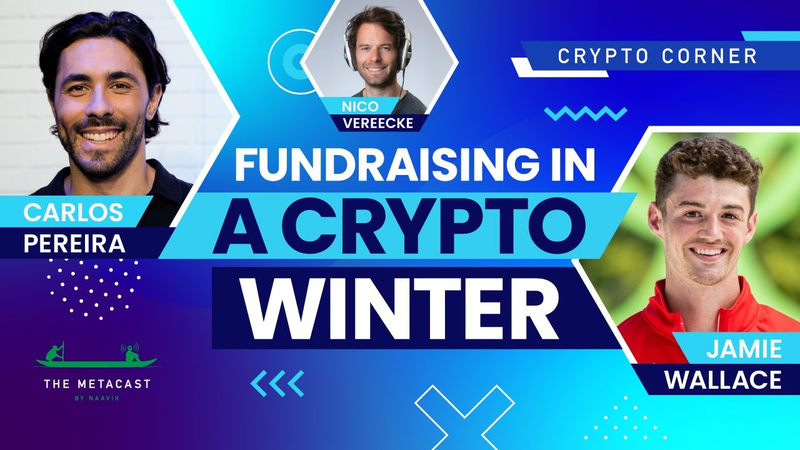
Fundraising in a Crypto Winter - The Metacast by Naavik
Key insights
5 takeaways- 01Studios are encouraged to treat early token or NFT sales as debt against the community and should delay public launches until the product provides genuine entertainment value.
- 02Investors are prioritizing core game quality and execution risk over complex tokenomics, as blockchain integration is no longer viewed as a substitute for an engaging product.
- 03The Web3 gaming industry is shifting away from speculative, high-valuation, low-float token models toward a focus on sustainable game design and operational discipline.
- 04To succeed, developers must compete directly with the high production standards of Web2 titles by using blockchain technology to provide tangible utility rather than speculative economic incentives.
- 05The industry is moving away from unsustainable play-to-earn mechanics toward player-centric business models that generate exogenous cash flow.
Ask AI about this video
Transcript
[Music] gm friends and welcome to the metacast crypto corner brought to you by navik this is brought to you live from sunny spain which is why i'm wearing sunglasses if you watch this on youtube i'm joined by my friends and colleagues with jamie wallace and then carlos pedera was that good it was fantastic i'm practicing that brazilian r um and today the topic that we will be discussing and talk about talking about is um game fundraisers or web 3 game fundraisers during a crypto bear markets um one of the reasons we want to talk about this is because a lot of web 2 like non-crypto native game developers got really excited about the opportunities that web 3 brings this new technology technology stack that we can do some very exciting things with um they got started everyone was super excited about blockchain prices were
going up everything was going to the moon and now uh they suddenly face a crypto winter as they call it um you know some of us here um have been through a couple of those and what can we learn right the three of us we get regular pitches by games teams and um yeah how do we look at games companies today um what do they need to be mindful of uh how are things shifting what would we what would we recommend teams to focus on when they're pitching to investors and all that good stuff um so yeah let's dive in um maybe first first question um and carlos you can take this one fundraising in a bear market what are the main changes do you think that companies didn't need to be mindful of um i think that the the clarity of how companies can overcome the issues that basically are top of mind for investors right now right like posinomics excessive inflation just as a different
way i guess of saying ponzonomics budgets that were too fat that needed too much money valuations that require the public markets and tokens to be extremely efficient and well priced in order to work i think you know if you work backwards and say here's the projects that have not performed well in public markets and to be fair the majority have not right but we can certainly see one or another where they've performed particularly worse perhaps because of how the economy was designed or something to do with the product um and and change that right and and i think another place where um it's worth thinking about is um when companies issue tokens right so versus coming to us and saying hey we're going to raise a seed and three months later we're going to raise a pre-sale in four months after the the first dollar goes into the business we're going to go and we're going to issue a token or sell nfts really thinking about the concept of tokens and nfts as a debt that you take against your community right the moment that you take money from your community in the public markets who have less insight less long-term conviction more
volatility um you know the the liquidity is thinner on those ideas um that you do it with intent um i think one thing that we had been pushing our portfolio companies for a while was to try to avoid launching a token or pre-selling nfts into an 18-month product gap if you're trying to develop a complex mmo for example um and i think that in the broader market that's that's a place where there's um significant focus needed so that companies aren't incurring that debt until they're ready to deliver against it otherwise you get these shark fin looking charts um which is not not just bad from an investment perspective because it sort of makes you question will this thing ever go back again but from the community's perspective now a bunch of people are down a bunch of money um and uh you know it's going to be tough to get them to re-engage yeah um we i've been talking to a founder of a very decentralized project they launched a token at the end of last year
and now they want to go for a fundraise but the value of the token is so low and the liquidity is so low that they're almost like they need to double the price of their token in order to be able to raise money at a like a valuation that makes sense and so um yeah it's it's important to keep keep in mind the the worst outcomes when you launch tokens um definitely agree jamie what are your thoughts here yeah i would definitely say sort of the landscape of six to nine months ago being a very founder-friendly market where founders could set terms uh have a lot of flexibility in terms of who they want as their partners is sort of shifted to more of an equilibrium where you have i don't think you have that access like carlos mentioned to the public capital so as part of your financing strategies you won't probably be able to raise as much to an nft sale have that all that race as much through a token sale so you have to rely more on private investors and partners which obviously sort of complicate the the fundraising strategy means that
you're gonna have to raise more by either selling more of the token supply so i expect typically we've been seeing 40 60 50 50 community investor models i wouldn't be surprised if invest if projects start leaning into their treasury their staking rewards pool and it ends up shifting to 60 40 investor community just to get them through the bear market i think as well for founders uh i think just the expectations on growth probably have to be scaled back a bit we don't know what it's going to be like the next two to three years these are still very speculative assets and a nascent industry so i think rushing and putting a much money in to get a product out 12 months from now might not be the best strategy with we don't know what the market's going to look like in 12 and 12 months if you're going to have that same sort of public um speculation anticipation that we for these products that we had 12 months ago so it's more just being able to stay lean being able to focus on products without sort of you know and being able to survive i
guess that's sort of the main thing so i would say uh the biggest thing for me is a shift from a very founder-friendly market to probably a more equal market where the investors have a bit more power to you know have a say in pricing rounds being able to dictate terms a bit more and founders are having to make compromises where you know they didn't have to make six to nine months ago i think the uh the compromise on the split of the token tables um is important to go a little bit deeper on um there may be an initial reaction when you hear of it flipping from 60 40 towards the community to 60 40 towards the investor a like oh my god this is like anti-community whatever but it's important to remember that when when companies have sized these play to earn rewards or inflationary awards stake rewards whatever they may be they sized it with a first generation terms of market understanding of how much you had to reward the users in order to get their attention
we have i think been consistent for the last several months before you know whatever happened last two or three months of saying you should treat your tokens as you a and if you're over distributing ua or overdoing ua through the tokens you're paying more than you should you're not getting good data on product market fit you're incentivizing the consumer the wrong way and i think that the market will mature to a place where um it understands that that that it there's an amazing opportunity to bootstrap networks and to overcome the cold start problem by issuing tokens early on and rewarding your first consumers we're good with that we love that in tokens but you can't overdo it and i think the overdoing it part is what is going to ultimately free up a lot of the tokens that have been reserved in treasuries that will allow investors to for example do flat rounds or not as much markups as people were expecting while not destroying the distribution hacks that exist within the products through token so when it comes to um
when it comes to teams that have issued tokens and nfts and have expectations by their community like and now see the valuation of both their fungible and non-fungible tokens you know a tenth of what they used to be um before this this bear market what would you say to them what would you advise them what you'd say to those teams yeah i mean i think i think on one hand you are a bit uh limited in the sense that you know you're not you have a public market price there is a market price for your token we can all see it um so you're kind of you've got a valuation that's set for you you can offer sort of a discount with a lock up to sort of entice investors to be long-term aligned but um really you're sort of at the mercy of your token so um that's that's sort of one issue uh yeah i would say i don't know carlos if you have any points on it while i sort of double back and think on it but that's sort of the one thing is you you definitely lose a lot of flexibility which is sort of i think going to hurt a
lot of these teams who might have gone out a bit early with a token have set high expectations and are now sitting at a token uh market cap ftv that's not very favorable or not very doesn't give them much flexibility for a raise and unfortunately you know it's hard to convince an investor that you know your token you want to raise a double when your token is trading at half the valuation so i think that there's a there's a relationship between the price of the company and how much they have to raise to fund runway that sometimes it gets too inverted and it's really hard to come back from because in the end of the day the companies have to raise how much ever they want to raise the first thing that you can attack is reducing the amount that you're going to raise now that means being more discretionary with who you hire perhaps marketing that you know the timeline that you push the product the usage of outsourcing versus insourcing building an in-house team that would be cheaper versus
outsourcing it um you know there's all sorts of things that you can do to take the amount that you have to raise to as low as possible but after you reach the you know the minimum available raise then unfortunately there's a level at which the market cap just dictates what you can do because you just get over diluted and it's hard to climb out of a hole after a certain point i think that one area of market activity that will continue to grow are investors doing these publicly locked public tokens as a way of investing in teams so in traditional venture markets you have the concept of follow-on rounds you haven't really had much follow-on activity in the token markets because of the speed that companies go public um so we have always treated a portion of our capital as potentially going in and investing after companies or public just buying the tokens in the open market or more likely buying them with the direct agreement with the management team where we lock them for two or three years and
buy them at a further discount that requires again for that relationship between burn right which was going to dictate the amount raised in market cap to still be at a healthy amount but i think that there's going to be venture investor activity in those markets as well for the companies that have the metrics above the minimal viable product from from the raised perspective and then one one also note on that is i think sort of what became standard over the past six nine months is you could raise at your fully diluted valuation um so a lot of rounds were happening at what the tokens are discount to the fully diluted valuation but and that was a concern and issue i always had with it but it was just the way the market was sometimes you need to go with where the market's at but effectively when you look at it if 10 of the token supply is available it's trading at a 100 million market cap so a 1 billion valuation basically what you're saying is by the time 100 of the token supply is available in liquid you're going to have in a 900 million dollars in basically
bid coming on to the demand for the product coming on to the token to basically justify that price where it's at so when you look so i think something that's going to shift is i think teams are going to have a bit less success raising at their fully diluted valuation and it might sort of fall either in between the fully diluted and where the current circulating market cap is or even trend towards teams having to raise up raise their circulating market cap because you know you can make an argument that your circulating marking cap is effectively what the value of the product is today whereas the and sort of i think that i also think that's another thing i think we'll see is we'll see these low float models sort of go out um just because it i think it creates it and just bad is bad for price action right because the price of a token at five percent of the float available versus 100 it's very likely very unlikely that they're able to sustain some of these multi-billion dollar 30 billion dollar valuations like
even if the long tail of the product succeeds and i think ultimately that's just going to leave a bad taste in investors retails mouths because you know effectively like if you look at these model you'd anticipate the probability of the highest price occurring sort of in the 5 to 10 percent float area versus 100 percent when all the tokens are liquid so when you say um the amount of tokens that are public and floating does that include the tokens that are reserved for investors or are they are those just the ones that were you know given out or assaulted the public yeah i just mean sort of like the tokens circulating that can be bought so i guess the investors wouldn't be included in that i'm not actually sure how many of these exchanges and um websites do their circulating market cap calculation but you look at if you go look at most projects especially in the game five metaverse space you'll see sort of a circulating market cap that is less than a tenth of the fully diluted valuation so it's very tough to be like you know
you're having 50k a day in trading volume you've got a 10 million circulating market cap but your tokens trading at a 500 million valuation like it's very fully diluted valuation it's very hard to justify right now that 490 million dollars a bid is going to come in in the next three years to sort of keep your price the same because that's effectively what you're what you're betting on at least the way i've i always looked at it i don't know if carlos has any uh differing opinions yeah i mean i don't think it's unusual for early on in the project for the amount of circulating tokens to be less than the fully diluted tokens it's it's actually what you target right you have a two or three year vesting schedule you have lockups so early on the the amount of circulating tokens will always be smaller i think that the mistake happens when people when people forget about that when people don't look at analysis like jamie's and they say okay like what is it what does it actually mean to be priced at x or y versus 10 percent of the float or twenty percent of the float to the amount of demand that has to come
in to match the token supply as the token supply gets unlocked right so if you think over the next two years i'm going to go for 10 distributed to 100 distributed there's 90 of tokens that are coming on the market each one of those tokens they have to get bought right if i just think about it as a two-sided pool you know did they have to get bought if there's no bid and they're just accumulating accumulating um you're gonna you're gonna impact pricing um and that's that's where the the mispricing mostly happens it feels like uh every startup needs to have someone on board that's basically a cfo that can manage all of this stuff because um if you're a traditional games team uh building a game it all sounds you know pretty hard to think about um i guess that's that's the extra challenge um that comes with the extra benefits that you get from web3 technology so i also think well just on that niko i just also think we'll see projects go public a lot later um i think there is a benefit to sort of leaning into the community aspect but i think we've seen sort of what happens when you go public
too early and you know i think retail has a significantly different investment experience and understanding of what an early stage investment the problems the issues that i guess like a we we would have being um you know investors full-time so it's i think projects will find that it's really tough to deal with a community with expectations of you know every project being successful when in reality one out of ten less than that are successful and basically what we've done is we've shifted the private market ability and opened it up to retail and i think a lot of retail were sort of unsuspecting or just unaware or naive just the risks the problems people are expecting profits to be distributed you know you've got major companies like amazon not even paying a dividend yet so i think i think sort of all that expectation part of its education on the retail side and then part of it is also um just companies being a bit more cautious about leaning into the going public too soon
one of the questions i've been um thinking about quite a lot recently is what are you guys actually looking for when a team comes to you in terms of tokenomics i've talked to teams that come to me and say look we don't know what the like blockchain gaming landscape when it comes to tokens is going to look like in the next year so we can't plan on you know issuing a token during that time because you know it could look wildly different so we're not going to spend time on you know working out to economics exactly how that's going to look um while on the other hand i can imagine you know some investors saying like look we want to know how you're thinking around about this and we expect like a kind like a detailed plan on how you're approaching this um what are you guys personal opinions on this what are you what do you prefer to see um and yeah what are your thoughts carlos you can go yeah uh jimmy goes first i need to think on this yeah definitely so i think i think the biggest lesson we've learned through this bull cycle is
tokens cannot fix a broken product right and ultimately we can look at tokens now as more of an enhancement to a product and a better means of distributing ownership of a network or product to the community because i think the blockchain allows very effective coordination tools you can transfer all this value trustlessly you can then coordinate with that value in very efficient manners through some of these snapshots dow voting so i think we've sort of realized that you can't just release a product lean into some ponzinomics and expect you know it can buy you time for sure and there's merits for user acquisition like we talked about that make using tokens effective and leaning in some of those ponzinomics effective but ultimately um the token is sort of an enhancement versus a core piece of the product and i think a strong product even with average or subpar tokenomics will still you know be able to operate effectively i think we've seen that in a few scenarios of some products having tokens um and i think
sort of this idea of over fixating over indexing on tokenomics especially on the game side came down to a lot of investors in the space in the game 5 space not being core games investors not feeling super comfortable being able to underwrite the actual game design risk i think part of the reason for this overweight over-indexing on tokenomics from an investor standpoint on the web 3 side was investors are coming from investing in d5 being generalist and now sort of being opportunists going into the space which you know any investor would that's what you do as an investor you find opportunities but games are really tough to invest in as i've come to found for my sort of eight months at bitcraft and it takes a lot of experience to be able to feel comfortable underwriting that game to risk underwriting the game execution risk there's so many variables that i think uh generous investors might miss out on so you know instead of basically trying to develop conviction on that rit on that side they go to where they're more comfortable i think humans were just like naturally seek comfort so they went towards sort of the tokenomics and
that's sort of where they focused and it was more just a flight to comfort um because they felt unable to underwrite that that games risk so i think that's going to change i think people are going to either not feel comfortable and sort of resort to if they want exposure to the space going making funds investments versus direct ip investments um we've already seen and this is common from a bunch of crypto investors in the space web 3 investors is they've they've sort of shifted from ip bets they don't feel comfortable underwriting that anymore they're going to more infrastructure which makes a bit you know they just feel more comfortable um there's less execution risk so i think on on the other side that opens up the opportunity for investors for those games dedicated firms the the firms who that's their mandate is to invest in games to sort of excel in this next period because it's going to be a battle of who can underwrite the best games risk who can find the best gaming projects the tokenomics can be figured out later i think there is i think it's something to keep in the back of the mind and not just be like we're going to throw slap a token on this thing once
we're done building it because you know as we've seen there are some fundamental differences to token based games and web3 games where it's important to design the game with that in mind and be able to build certain features build certain coordination tools build certain gameplay features that bode really well to tokens and and make sense for a token there's also the whole tech implementation um but i think we'll see sort of this transition from like if you're looking at if you're waiting it from an investment standpoint going more from more 50 50 to slightly overweight token towards quite overweight game and product just across the board um i honestly think that although there may be a market shift it's um it's it's a lot about the the d5 generalist market appreciating the difficulty of shipping product and in particular game product um i think that you know from our side we've been fairly consistent on um on really respecting that you're at the
at the edge or at the intersection between gaming and crypto and and both those things are super important um i still attach a lot of value to the tokens um or to the tokenomics i think that you know in the end of the day you still have to have an economy that that's balanced right it still has to work as a currency or as a mechanism for value accrual because that's what you're investing in you can't invest like if this were a debt instrument you would understand you know what um what assets does the debt have claimed to where does it sit on the capital structure like the analysis of what you're investing in in this case the token necessitates a very thorough analysis of how value accrues to the token right so you have to remain highly focused on that but it is going one step beyond and so someone gives you a token chart and they say oh the player buys the token to do x and stakes the token to do y and sells you know earns an nft and sells at nft to do z and sort of like that flow and saying okay but but why would the person do x why would
the person do z like are the actions that require or are the actions laid out in the flow of tokens fun and something that the user wants to engage in right it it it requires investigating the action and investigating the content and the product to understand and to make sure that it enforces that action or at least incentivizes that action right you can't do this without a strong understanding of how the value approves the token but the value ultimately can't accrue to the token if it's not being used in a legitimate fun way and that like in the end of the day the the art of due diligence in games or product generally is harder than the exercise of looking at you know basic math effectively on a tokenomics chart and saying oh yes it looks like there's more sinks than faucets right so there's a section of the market that wasn't even looking at sinks and faucets but the market more broadly i think eventually gravitated to a place where they were like yes we should care about sinks and faucets and we should have more sinks and faucets but then it's like now take the step beyond that and say like are these things fun um you
know and are these faucets not fun basically um to to ensure that the usage actually makes sense if i would summarize uh jamie's earlier point in one sentence it would be if you're going to use the issuance of tokens as a ua mechanism as a user acquisition mechanism that you better make sure that your game warrants uh good retention and so that you that the gate that the players that you acquire actually stay because of your game um so uh i would i would summarize that then that way and then um you know it seemed for a while that people all agreed that tokens were a great way to kind of crowdfund to get players that are excited around the game concept um allow them to like invest in the game grab ownership of that game and now it seems that you know whenever everyone starts panicking that actually turns out to be a really bad idea where you know the token value that we all agree on that the market agrees on goes down so much that it actually inhibits the team from raising another round do
you think that concepts won't come back anymore that we've you know that there's a reason why we only allow institutional investors to back these early stage projects um and you know that this is something that we shouldn't do for like with with public with uh public money um or at least not without like a significant lock-up where they cannot like negatively influence the token price um that fast what do you guys think not at all i think i think risk seeking behavior um is cyclical across all asset classes and across people um whether they're retail or institutional investors i think we have shifted from a global macro that was highly risk on to a macro that's highly risk off and i think that in times like these people fly to safety and you know whether they hold cash or invest in bonds or whatever it is that that pendulum between risk on and risk off happens at the institutional level and it happens at the individual level and i think that when the market shifts back to risk on people will take
advantage of a market that's back to risk on now hopefully you learn lessons over time and you start doing these things in a way that's um more thoughtful more due diligence the same way that post the 08 crisis i think people started looking at for example credit ratings a little bit differently and you know you weren't just blindly buying aaa credit and you sort of you know you try to underwrite it um you know you're you're you're being mindful of i don't know um derivative risk of how much amount of derivatives exist in the market like there was a big lesson in the 08 market um and people came out of it and even though they were still risk seeking i think there were some lessons that were absorbed into the system um but you know i forget who's the the traditional finance writer that talks about this but it's like it's the animal spirits right at some point the fomo yield seeking behavior becomes so high as yields compress on the risk-free rate that people go towards more and more risk they go farther into the risk curve to try to capture yield and then eventually that collapses and the risk-free rate moves up people fly back
to the risk-free rate it's the it's just how markets work i still think that tokens are a good way of crowdfunding but i think that the expectations around the crowdfunding have to be set the right way you know if you go into a kickstarter for example you pay a hundred dollars for a product and maybe they tell you like yeah it's gonna take six months and take 12 months you know they come here and they give you the the the blog posts and sort of you know there's uh the expectations are set low and the management is done around a reasonable set of expectations i think that as long as you're doing things in a way that's honest with the community you're living true to the debt that you take against them where it gets out of whack is when you start fundraising and you say i'm going to ship a full scale mmo in the next three months it's like no you're not right um it's like no chance um and so i think that that's that's where the mistake is um as long as the companies have an honest relationship with the consumer i don't think there's an issue with pre-sales or crowdfunding
or token funding or whatever it is it really comes to expectations and and really when you see large-scale market corrections like what you're doing there is you're repricing a new set of expectations right you're like looking at this you're like ah it's not worth a hundred anymore it's worth five because there's no growth because i was i was wrong in my assumption of growth i was wrong in my assumption of when the product would come out i was wrong and like whatever right as long as there's an honest relationship between issuer and the person buying it or investing in it holding it whatever i think that it's all fair game yeah i completely agree with carlos's point i think um humans are human natures where humans are naturally greedy there will be a time when we shift back to risk on people are willing uh to take those risks i think you know there's going to be bad actors there's going to be people i would be surprised in the next cycle we have similar amounts of rug polls to an even higher degree just because you know that's just the way humans are um they're greedy and i do think on the retail side being i think we've seen sort of covet pre-covered with
mobilization gamification we've seen the amount of retail investors like increase dramatically and the amount of people now who realize if they want to you know they're not they might not get the life that they've always dreamed of by working their nine-to-five so people are seeking additional yield additional risk and i think slowly through covid over time through this bear market people are getting battle scars that will deter some of them away but i think on average people are going to just be become more and more informed as investors more and more aware and i wouldn't be surprised if we saw a in addition to companies managing expectations better doing that might have better regulatory oversight but we even seen equities markets this sort of similar things happened with i can't remember the name but that electric trunking trucking company um you know so these things still happen and yeah these things still happen in regulated markets um i do expect the class the next retail crypto class to be significantly more informed battle scars larger uh and i
think that'll in some ways limit that people will be a bit more understanding of the early stage risk and actual success of these products but i fully expect us to reach higher euphoria more madness if not more should we get another cycle in the next sort of five to three to four five ten years apes get smarter every cycle let's remember that yeah okay now i'm curious to to get your thoughts on more on the game model what you're looking for today i think you know everyone agrees that when the moment there's an urn inside a deck we get a little bit less excited by with what we've seen and maybe you disagree i would love to do that as well uh but what are you like in the blockchain gaming space excited about now what are you looking for what do you like to see regardless you can go first yeah same same as last time we spoke man um economy changes are deep no change nothing that's like you don't get into the business of venture investing with
funds that are ten-year funds to to shift your conviction six months on price volatility right like when you make the decision to raise a vehicle to have investor capital to go into a market to deploy it has to be done with long-term conviction especially because you can look at crypto and it's wildly volatile right so the like whatever is happening now um i don't think should come as a surprise um it happened fast right it happened super super fast in terms of like the luna collapse and then celsius the systemic risk it was it was faster than maybe i would have expected it to be um but the magnitude of the of the delta between all-time highs and where we are now i don't i don't think is without precedent um and so it can't shift long-term conviction um when we think about the usage of tokens what makes tokens special fungible or non-fungible i think on the on the fungible side it's deep robust economies with plenty of sinks and faucets um a reason for the player to exist in that environment and spend that currency and use that currency and if we
can see single token models that allow some governance to accrue um to the to the token as currency and as governments at the same time even better excited about things that are working with that idea in the market so you know deep deep complex economies that merit a currency within that ecosystem um you know that that that area remains super interesting and then on the non-fungible token side i view them as fundamentally status goods right i've burned a lot of money on you know non-fungible non-tokens um and i think that i think this stuff has value i think that the moment that you start living in a in a digital environment the moment that you migrate towards a synthetic reality where you attach as much value to the digital world as you attach the physical world um i think it's natural that you will want to buy status goods like for example i was never a big buyer like a transaction person in gaming until i started playing warzone with my friends in traditional
modern warfare that i was playing uh like multiplayer by myself i wasn't buying skins the moment that i started playing with a bunch of friends i cared i wanted to have a cool skin i want to have a cool weapon right i was vain i get it i'm a vain person but like that's that's the machine right there's there's status goods that exist and i think that people will buy status goods to show off to to to represent themselves in digital environments and i also think that there remains another thesis that remains is this notion of the the nft as the millennial country club or the gen z country club that to me was actually quite clear nftnyc last week where you know there was one day that i went to three different parties that were attached to nft things and um one of them was with a lot of traditional finance people that were getting into generative art and all that and like that group that coalesced around an nft looked very similar to sort of the world that i come from of traditional finance with some new faces from the nft world there looked a certain way and then i went to
another event that was an outdoor concert by an outdoor magazine and they were talking about conservation and nature and culture the crowd was a little bit older mid-30s to older probably on average and it was very clear that people were trying to use the nft to galvanize a community around the idea of preserving the world of exploring nature etc and then i went to another thing that was like a 90s hip-hop super heavy like street fashion and culture and it was young and it was super ethnically diverse and these are three different places that have created communities around a status good that is both a status good and a ticket to admission into into experiences be them digitally or physically um i still believe that those things have a lot of value can they get mispriced in a bull market of course it can get mispriced in the bull market but it doesn't it doesn't strike me as crazy that the best non-fungible tokens will have values comparable or even higher to um the best non-fungible non-tokens right like the art market broadly
and so there's absolutely no change in long-term conviction um or in the things that i was interested in for the past i don't know several months before i i asked jamie the same question carlos does that mean that you're um on the fangirl side like how are you thinking around more casual games and and fungible tokens are around those i struggle with with tokens on casual games um i think that they can maybe work and we've certainly invested behind that thesis for ecosystems an ecosystem of casual games where you sell both nfts and tokens as a way you know as assets that players transport across different games and as a common currency that links a bunch of different minigames casual games together i think that there's an opportunity for on the non-fungible side on the casual games because they're generally dictated by whales in web 2 and whales just want to buy fancy stuff and so i think that there's a space for for the for the nfts
i think tokens on casual games are are harder to make work i think you can use them on for example um tournaments best player gets you know some you know turn for example something like a skills in the public markets where you're rewarding casual games within an ecosystem and i think that you can use them to push the um to facilitate because casual games people get tired of them pretty quickly oftentimes because it's like it's it's boring right you do it a handful of times and you master it um and maybe you can use the token plus the nft to capture that user and instead of them him heard them churning out of your ecosystem churning out of your game into something completely different you say hey you have all these coins here whatever play this other game and you're sort of you know doing that that whack-a-mole of new casual content so that they churn inside your ecosystem instead of outside of your ecosystem but if you say it's a single casual game single ip casual game and we're gonna have a fungible token attached to it um i'm generally deeply skeptical but you know
open-minded i'm sure there's people that can probably prove me wrong out there and if you can call us call us man yeah you pitch at bitcraft office don't talk to carlos talk to me or jamie there you go where are your friends jamie yeah just on that last point carlos i completely agree that's the one thing i've really struggled is sort of these hyper casual casual games introducing a token economy and the analogy i always use when i sort of try and justify why i can't come to terms with it making sense is a town wouldn't really a town it doesn't make sense for a town to have its own currency right but a country makes a bit more sense because you have an ecosystem and i think large-scale mmos sort of have the depth and breadth to to justify having their own currency you've got enough different parties that want different things whereas in a casual game you probably have whales and players who sort of i just don't think you have enough like different player types and different player motivations to sort of support um
basically a currency or token around the thing that being said i do think for casual game studios the nft aspect proves to be a super interesting and promising aspect of monetization and tool to coordinate within the economy and i think i wouldn't be surprised if you see a casual game be super successful they release a line of games and the long tail they end up making sense for them to release a token into the ecosystem but i struggle for um tokens to be like native to these casual games um and then going back to your other question nico i think another back to analogies because i love analogies but um one of the analogies i've always used to sort of describe the past nine months is as like investors in general just retail private um it feels like everyone's been investing two to three beers four beers some maybe more beers deep and now everyone um like woke up in the morning we're sober so in terms of expectations around some of these grandiose
to earn schemes i think a lot of us are sort of like okay this doesn't make a lot of sense you can't like blockchains are incredible tools for transferring value and maintaining value reducing leakage but i'm still not convinced that it creates uh extremely positive some systems and networks where you can have the majority of your player base earning consistently uh for an infinite amount of time so i think that's just like one expectation um in terms of what what i'm personally looking for is i'm personally excited about people who understand that sort of the the tools and the capabilities that blockchain check enables so they're not you know they're not merely copying ponzinomics or doing like that but they're like okay we can build something really cool here we don't exactly know what but we have some ideas of like how we can facilitate new game loops new game designs how we can use the blockchain in a different way to create a better player experience um
so i'm personally looking or excited about people who come with new forms of monetization paths i think there's we've talked about it like carla said i think our sort of thesis as a firm and on the crypto side of bitcraft is we sort of think it's going to trend towards the developer acting as a government taxing transactions with the added flexibility of being able to alter slight things in the economy to sort of push primary sales to maybe support the need to not have to do what governments do which is inflate currency to be able to support economic growth so i think you have a bit more flexibility as a game developer versus a government to be able to introduce more primary sales monetize it further to maybe support the fact that you know you're not going to have the same sort of economic scale that the government does um but just looking for people who are inspired by the space excited um looking through the noise a bit seeing a bit more clearly and they're just like i think we can build really cool things these are some ideas that we have to
sort of sk skeptic bullish skeptics i would say would be the exact um exact you know sort of people that get me excited those founders who are like i think everything in the space doesn't really work um i'm not convinced of it but i do think there's really cool things that can be done with the space i'm not exactly sure what yet i want to explore that um so those are the sort of things that i'm excited about because now you have the time to experiment you've got no expectations you're not going to have to be comping to anything successful or pumping to 40 billion market caps so that the copycat trend and phase which is common in bold mature markets of you know you're going to copy what people copy success right and right now besides a few projects you don't really have that thing to look up to to be like that's what we want to be that's what you want to imitate you're sort of navigating uncharted waters now again which is i think super exciting and i'm so excited to see sort of the primitives the business models that come out of this this bear market period mm-hmm
yeah when i echo that last point um i'm looking for games or game developers that are using the blockchain to enhance gameplay more than add an economic layer on top of on top of a game so if you're doing something like that let us know um let me know love to talk to you and then you know the final point of discussion i want to have with you guys um is around the first point that carlos that you guys made where you have a very deep mmo with a very deep economy and their tokens in fungible tokens specifically makes sense so my thoughts and i've my like i was fully on board with you guys but talking to people that have been building games um blockchain games for a while now um and so this example is chris clay i had him on i think two weeks ago we talked about his game god's unchained and so one of his biggest headaches is designing the game um knowing that what the only thing that players will do is try to maximize the amount of value that they can extract
and so i i've my current feeling is that um this is most of the players in the blockchain gaming space and so even if you develop an mmo today i think you're going to struggle balancing it in a fun way because most of the people that are currently going to play it are going to be trying to get as much out of it as they can right if there's any loop that like has a net positive return i think that's going to be abused and so either you're going to have to like solve for that specifically um but in my current thinking and i'd love to have your thoughts as well it feels like sustainable deep blockchain based economies which are by the edition open because they're in the blockchain um are still uh ways away yeah so so my sort of answer to that would be twofold first being i think if you look at the users the what current web 3 users i think their propensity for risk and their goal of profit maximization is probably significantly higher like the distribution of people of people who want to play and people who want to
maximize profits would be significantly higher just given the current web 3 demographic so you're going to have more players in the game who are there because they probably were in d5 or they probably ethereum looking for returns and now they're playing games and they're gamers so they're aligned but their end goal is sort of to make returns and again like despite this being uncharted waters i think end game we talk about these being governments we can see countries there's a lot of data to sort of see and you can see in in a regular economy like there's people who are very ambitious they're capitalists they want to make money and they want to maximize the return and the quality of life they have and then there's other people who are you know they're comfortable not earning or you know you've got like people who are comfortable as living in a van and traveling the world or you know just experiencing stuff living in cheap countries sort of you know they don't they're not motivated by money and i think as the web 3 space matures what you're going to find is this distribution that skews vary towards profit maximizing um return maximalists
are going to sort of you know equalize a bit and you're going to have a better balance between players and participants of the ecosystem and economy that are less motivated by money and more motivated by fun and stuff like that and they're fine to put money in they just want to be there have a good time and there's always going to be the profit maximizers like you just i look at these things as if our end game is to reach what an actual physical economy looks like just digitally you're going to have a way more diverse like i think if you took like if you said everyone's a profit maximizer that's clearly not true because i can i know i've got friends who you know they're motivated by completely other things than money and i think just the current web 3 demographic is a misrepresentation of the end game population for these games and that's sort of the issue that people are running into so it's part of a market maturation phase which is why i think games launching in sort of the next three plus years are gonna have probably a bit more advantage because you're gonna have a bit more um equitable
distribution of player types um and yeah it's just like that that's sort of the way i always looked at it i just think everyone in the space ultimately is i would say as much as we say you know but most of the people here majority of the people here here to make money at the end of the day or they came here to make money and they're that's sort of their primary motivation so it makes sense that when they're playing these games they might be gamers they're there to make money right and i think it's just a market maturation expectation phase which should iron it all iron itself out over the next few years so i'm not too worried about that element i think that's just sort of a present state issue that isn't reflective of a future digital economy world i think that uh the complex games that make it and and that i'm excited to see will provide an earning opportunity alongside two main buckets one would be something akin to
blue collar labor whether that's mining if you look at something like eve like the person that drives the ship pilots the ship from point a to point b like low relatively low skill and i think that to the extent that you're doing these things on global servers um the hourly wages that you can get for performing blue collar labor tend to collapse towards the minimum wage of the the cheapest minimum wage of the country that has players in it there was an article by ralph coster um from playable worlds a number of probably a year ago at this point talking about that as a challenge um of play to earn games i think the other place where you're going to have significant opportunities for earning is at the intersection of ugc um it's actually extending the world creating a mod driving value to the platform and all that stuff um i'm pretty sure i have the skill to perform the menial labor stuff i don't i don't think i have the skill to like build a digital world and like do that stuff myself right so when i think about i want to play a great web 3 game my default is to assume that i'm
going to be net negative financially and the reason why i'm excited about it is because every now and then you drop a really rare item or you churn right you decide to leave the game and you can still sell i can think of several mmos that i've played over my life that i really invested hundreds of thousands hours into and two things uh you know happened in them in common one over time i dropped for example a really rare staff for a mage class when i was playing a brewed class and i had no use for it and i was selling it for digital currency that just bought me more digital goods but like that sort of went nowhere i was never willing to go into paypal to transact in the black market um you know and and um the other thing that's common with it is i turned i don't play any of them anymore um and so i know that i left significant value on the table um and and i look at it as a pers as a as a high chance of some recovery if i churn and a low chance of good earnings if i get something rare if i do something you know nice
and and i think that that's the default behavior that we have to believe is there ultimately i don't think you know i i wouldn't be doing the the work that i'm doing if i thought that everything that we do and all the time that we spent is to go after a million wallets you have to believe that you're working in gaming right it's not like you're not working in crypto gaming you're working in gaming you're working at the intersection of crypto with gaming and and crypto is there to to make it better to solve my pain points as a consumer to magnify the experience to do you know amazing things to open doors to show a new form of gameplay but it is gaming and i think that when you look at the prototypical gamer or the stereotypical gamer i think stereotypical gamers is playing for fun and i think that they are spending money to be there um and if you're not producing products to have an exogenous cash flow into that economy um then it doesn't matter if it's a deep mmo or a simple cash or whatever it is like if you don't have money coming in the thing doesn't work it's that simple so um no no change to my thesis on deep mmos still highly excited
and i think i would just add on that point carlos that as founders game designers i think um it's pretty clear now that when you sort of look at your competition and you're a dressful market um i think the web 2 side is increasingly more prominent because the only way these games are going to work with now us realizing that this token isn't going to unlock this major value source and major game experience at least yet is you're competing against web two games and i think that's really important and i think the quality of of games of games if people are willing to write a if like well let's put a standard web 2 game uh as a 10 out of 10. i think you know typically over the past cycle people have been comfortable underwriting like five out of ten six out of tens seven out of tens maybe even lower and i think what we'll see is a trend towards 9.5 and above and it's just going to uh become a more like the the crypto element isn't going to be
as much of a factor it's more so like the the time advantage but we should trend towards 10 sort of over the next few years fantastic if you're building a 10 out of 10 game third time the charm get in touch we'd love to talk to you all right um this was awesome discussion guys thanks for the insights um i really like this um so yeah carlos jamie thanks for joining listener thank you for listening um i hope you learned something um if you're raising it's not hard it's not easy today um and if you wanna yeah if you wanna raise you can contact us if you want to you know get some takes uh get some tips or or have some feedback you can also contact us happy i'm happy to talk to you about it and then with that we're out and we look forward to speaking to you in the next episode cheers [Music]
you
Summary
The Web3 gaming sector is undergoing a necessary maturation process as the industry transitions away from speculative, token-centric models toward a focus on sustainable game design and operational discipline. The current market environment, characterized by reduced capital availability and heightened investor scrutiny, has effectively ended the era of high-valuation, low-float token models. Founders are now expected to prioritize lean operations and demonstrate clear product-market fit, moving away from the unsustainable play-to-earn mechanics that previously dominated the landscape.
Investors are increasingly prioritizing core game quality and execution risk over complex tokenomics, recognizing that blockchain integration cannot compensate for a fundamentally unengaging product. This shift reflects a broader consensus that tokens should serve as secondary features—enhancing asset ownership and liquidity—rather than acting as the primary driver of user acquisition. By treating early token or NFT sales as a form of debt against the community, studios are encouraged to delay public launches until their products are sufficiently developed to provide genuine entertainment value.
Long-term confidence in blockchain gaming remains, provided that developers move toward player-centric business models that generate exogenous cash flow. As the demographic shifts from profit-seeking participants to traditional gamers motivated by entertainment, the industry must compete directly with the high standards of Web2 titles. This period of market correction is fostering a more robust environment where innovation is measured by the ability to create complex, sustainable economies that enhance the player experience. Ultimately, the path to success lies in rigorous due diligence and the development of high-quality games that leverage blockchain technology to provide tangible utility rather than relying on speculative economic incentives.