VideoDeconstructor of Fun
Peter Levin on Transmedia Trends, the Future of Global Gaming and Finland’s Gaming Legacy
21 Oct 202473 min video
Transcript
Peter Levin your 55th time in Finland. Indeed. Welcome to the podcast. Thank you. Thank you for having me. Much appreciate it. Yeah, so so Peter, you're a co-founder and managing director of Griffin Gaming Partners, the biggest fund in gaming. Precise, $1 billion. And that's interesting, but then it also I want to talk about like how come you've been in Finland for 55 times? And And And And you told me just before the the start of the podcast that you represented all the top MMA fighters. So, I don't know where to start. Um you tell me where we want to start pulling this thread. Um most of our audience is not interested in MMA, so that could be part of that. about that later. That could be off-line. That's a different podcast. Yeah. But uh but you being 55 times in Finland, that's That must be a record. I don't know if it's a record. Um I do know as as we've talked about before, um when I started coming here, when I was on the board of Sulake, and for those of
you OG Finnish gaming folks know that Sulake was um uh their their big title was Habbo Hotel, Mhm. uh which was I think the first virtual world of its kind for teens and kids, kind of pre-Club Penguin. Um and uh I was put on that board by Balderton or Benchmark Europe at the time. And then I was coming out here every 8 weeks for five-ish years. And you know the Finns, they were pretty regimented about those board meetings, and so um I would hop on over on uh Lufthansa or Finnair. Yeah. And I think it was about my 40th-ish trip where I had to get that extension to your passport. You know, where you got to go, and they staple on an addendum to it. Um and at that time I was going to Japan a lot for the MMA stuff. Um I was going to Finland a lot for Sulake, and then other things over the years, and we can maybe touch on that, you know, Rovio and Yeah. um spending a lot of time with our mutual friend Teemu Huuhtanen who I who I did
most of this stuff with. But about that time when I got the extension put on the passport, that's when I started counting. Yeah. And I was right around 40-ish. I was like, "Okay, I'm going to count from this point forward." And I'd been to every Slush, you know, except for I think one or two in the last few years. Um we had other team members go and I was conflicted out. And so it adds up, but I do consider it my home away from home. That's that's awesome. Now you just mentioned Japan, I want to talk about Pride, but I'm going to not talk about Pride. on Pride. No. Um okay. So let's let's talk about There is a subset of our cohort that likes MMA and gaming, and it's a shame that there really hasn't been a great MMA game. Yeah, that's that's true. It is a shame. has not done a great job. They do a great job marketing it. I mean, Dana does a phenomenal job marketing it. Best promoter. But the game isn't great. No. And that is a shame. Yes. All right, so let me even though I don't like I'd prefer that that avenue, let's go back to you're off-topic fast. So uh so let's talk about let's talk
about Sulake and let's talk about you were in you were with Rovio board or or like what's your connection with Rovio as well? Um well, when I I started spending a ton of time over here with Sulake and and at the time, you know, one of the things that I did as an active board member, um they were very interested in collaborating with third-party intellectual property. Um and they wanted to do that geography and then macro to to the the Sulake to the Habbo Hotel platform. Um and I I just fell in love with the aesthetics. You remember the game? It was a very unique aesthetic. So 8-bit type of uh yeah. Yeah, 8-bit plus. And they had these wonderful mini games. I remember the snowball fight. And um but it was unlike anything we had seen in market. We had seen a lot come from Asia uh with, you know, Nexon and and products. Um you know, we had seen Club Penguin once they'd entered the market, but again, the and we can get to this too, but the content and the intellectual property and the aesthetic,
the unique aesthetic that was coming out of Finland was something unique. Um, and so, one of the things I wanted to do was partner with third-party intellectual property and at the time, the two biggest pieces of IP really in the world from a film standpoint and a publishing standpoint, it was Twilight. If you remember, like it was Oh, I do. Yeah. I do. Right? You couldn't go to like a pool or be on a plane without people reading Twilight. Yes. And then on the on the television side, it was American Idol. And they were taking that format and they were pushing it out all over the world. And so, I helped them directly and indirectly bring Twilight and American Idol onto the platform. And so, we put partnerships in place with at the time the studio that owned Twilight. Um, and then with the production company that had the rights to American Idol. Mhm. And so, I spent a ton of time during my board tenure putting relationships in place, putting discussions in place, helped manage their relationships and
partnerships with folks like Disney and some of the leagues, NFL, I remember we were having a bunch of conversations. Um, and so, being so proximate to this market and spending so much time here is you know, it's small. Very. It's a super fraternal market. And I remember flying over for a board meeting with Teemu Huuhtanen who at the time was living in the States. He was living in Hermosa Beach. A shout-out to Hermosa boys. Mhm. I thought he was Manhattan Beach, but that's close. Oh, dude, no. You don't want to go there. It it it is close, but so far away culturally. Um, and so, he and I would fly over for board meetings at times and he said, "You got to play this game. It is blowing up in northern Europe." And it was Angry Birds. And this was really before it was a thing. And then for the next 7 hours, we were just on the plane. I remember, you know, passing the phone back and forth, talking a lot of smack and and I said, "Hey, let's let's meet with the guys while I'm there." And so, um I met with Mikael and Niklas. Um and we spent time and they said,
"Hey, you know, the things that you can do and the waters that you can help us navigate over there, we would love it if you would be an advisor." And Teemu signed on and to be an advisor as well. So, that was a a bonus to be able to do yet another thing with him as I served on the board of uh Sulake. Um and so, from that meeting in the next, I think probably 6 to 8 weeks, it became Angry Birds. Yes. And um I remember they came out for their first E3 in Los Angeles and you know, they were the kings of the court. Um everyone wanted a meeting with them. Um and it became a very hands-on advisory role. I actually helped shape and put in place um the individual and the and the the platform that shaped their licensing and merchandise program globally. Which within a year of that that being put in place, that was a billion-dollar licensing and merchandise program. It was amazing. I I rem- I vaguely remember those times, 2012, 2013. I remember when Teemu joined Rovio. I was working already there. He doesn't remember. We
were just lowly monetization managers. So, he doesn't remember that, but I remember him. He got the nice office and everything. So. Yeah. Sounds about Although, you know, monetization I was like, that's where it's at and that's I hope he treated you well. Oh, yeah. They they did. Shout out to Rovio. Um You've heard of Heroic Labs by now and we keep talking about them because you need every edge to be successful in today's market. Heroic Labs GameStack is built like a brick house. You got the Nakama, their backend game server, Hero, their game development framework, Satori, their live ops service, and last but not least, Heroic Cloud to provide massive scalability. Heroic Labs is a battle-tested partner and their tech enables you to be flexible, creative, and scale for success. Focus on your game, avoid tech risks, grow your product with scalable live ops, and save a big chunk of cheese, all with Heroic Labs.
Two avenues we can go to. I really want to talk about IPs and transmedia because that that you kind of were you were the OG of IPs and transmedia, I would say. Mhm. So, but let's park that a little bit cuz while we're still in Finland talking about Finland, like what do you think makes Finnish companies Finnish gaming companies successful? And vice versa, what do you think they are lacking in the current environment that has, you know, that has changed quite a lot from the early mobile days to 2024 where are right now? Well, yeah, I mean there there are certainly some things early on um that led to, you know, an incredibly small country, relatively speaking, um thriving the way it it it has in gaming. Um they're like the, you know, like it's like when you watch Norway in the Winter Olympics, right? And they're just cleaning up all the medals and it's like 7 and 1/2 million people. I think I think there was a confluence of events that that led to some of this early on and uh I think a lot of it had to do
with the early DNA at Nokia. Um when you had I mean they were really the first, you know, handset manufacturer that looked at this device as something other than something just to make phone calls with, right? You remember when the Series was it Series 40 and Series 60? It had Snake. Oh, yes, I do. 3310 was I think the phone that that introduced it. I can't quite remember though. So, point is, you know, that that I think they were the only ones that you could have a sophisticated conversation early on about that. And then again, I think you couple that to some of the, you know, the early DNA in market that was wildly successful, um you know, relatively speaking at the time Sulake was a big deal globally in terms of that virtual world space. Clearly Remedy, you know, stood out. Um and then um you had folks leaving exiting environments like Nokia and Sulake and either starting up their own companies or starting to teach at university. And I I I feel like in these um you know, somewhat self-contained smaller markets
um you have to from go contemplate how your product is going to work globally cuz your market locally isn't enough to sustain it. Right? So, if you look at markets like Israel, if you look at markets like Turkey or Korea or Australia and other form factors of media, they're subscale. And so, they can't develop a product necessarily that can only work in their own backyard. And so, from go their orientation towards go-to-market is, "Hey, this has to work globally." And I do think that that's a you know, that's that's something that is advantageous to to smaller markets. Um I also think you've got to learn early on how to play well with others. Because, you know, you're not the the market the size of China. Right? And so, you're going to have to figure out, "Well, how do I create marketing partnerships and publishing partnerships and localization and culturalization um of my games, you know, in these markets?" Um but what I've loved from early on is the conviction. You know, they are stoic and they are driven
um and it's not an arrogance. I don't think it's there's a hubris to it. I just think there's a you know, don't really tell us that we can't do something. There's a lot of white space out there. Um and we're going to try to figure it out. And I've loved that about, you know, the Finnish entrepreneurial spirit. Um there's no getting in their way. Now, when presented with a better set of data, you know, they will pivot too, which you know, I respect, right? Cuz if you don't if you can't move off a position when presented with a the set of data, then I have issue with that. Yeah. But I do think that they're able to do that. There's an ambulatory nature to what they've done. I mean, I think Supercell is the best in the world at that. Yeah. They will take something to the nth degree, and if it doesn't work, they will put it on a shelf. And they have they have had more discipline doing that than anyone within the industry I mean, the entire industry looks at them, you know, as the North Star of that. Yeah, this is the the interesting three points. Like, uh basically that Nokia DNA, I would say, uh working with a small screen has become advantages for like like an
advantage for these companies. I worked at Digital Chocolate. That That was my startup in my career. So, like, it was, you know, doing games for Engage and so forth. I wasn't part of that. I came in when the company was transitioning from the feature phones to uh web-based games and then back on the phones when in-app purchases were allowed on on on iOS and that, you know, created the whole new in- industry. But But yes, that's sort of a background of of not pushing high production values because people were used to these incredible limitations became advantages on a new platform. So, I would say that's definitely the other Nokia DNA was huge. Uh global from the start, that was an interesting point that you made because I remember I was coming out of the business school. I was still studying when I started uh at Digital Chocolate and I felt Are there Are there offices here? Uh Digital Chocolate? Yeah. Yeah. Yeah, there were um No, I know they did have them there, but they had multiple offices. But you were in the office here? the Helsinki The Helsinki office. Yes, the Helsinki office that became essentially Supercell. Yeah. Yeah. And the uh the Barcelona
office became Barcelona King afterwards. So, uh so yeah, those are kind of like the the two main offices. Um but yeah, I remember that that that global from the start because you're studying in a business school, you're like reading about all these cool companies, like the most of them American and so forth. And then you realize that you're in the tiniest market of the world, like 5 million people. Like, are you going to go go and sell beer to 5 million people? Like, when, you know, you have these top brands selling to hundreds of millions of like billions. And like no matter how successful you would be in in the Finnish market working from Procter & Gamble or Unilever or even name it, like you're still nobody. Cuz like it's it's like a smaller than a state. Like it would be it would be like, "Oh, you're big in Mississippi? Good." And exactly. I bet the market is booming. I'm proud of you. Yeah, exactly. And so that that that got me super excited about gaming cuz I'm like, "Wow, we're making games here, but then the whole world plays them." So we are like I think that was like the the biggest driver for me is that that's sort of a Yeah, opportunity. I could totally see
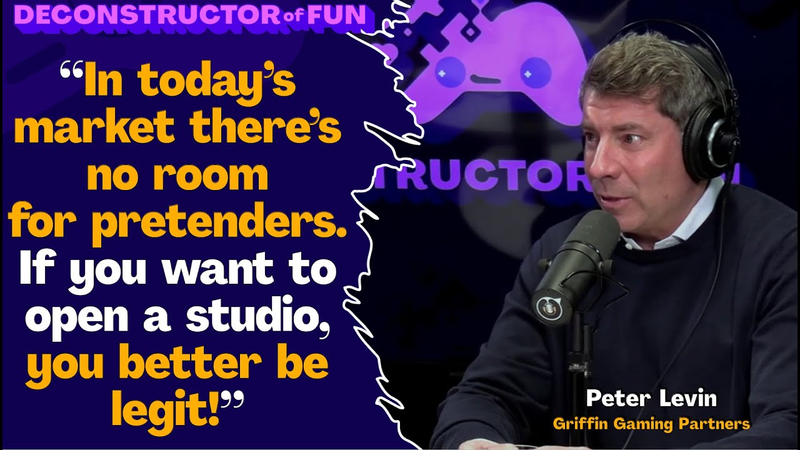
that. And it also became like um the dynamic in New York if you open up a restaurant, right? The competition is so steep. It's a very sophisticated consuming constituency out there. If you open up a sub-par restaurant in New York, you're going to be shut down. And I do feel like Finland now has that you know, the emperor has no clothes. If you're going to open up a studio, you better be legit because people around you will call it out. No. And there'll be a lot of, you know, not sure, maybe, you know, and I think the tourist capital that has gravitated towards our industry um you know, for I think several years back um they would see a slide and they would see, "Oh, founders." And they worked at some of these, you know, glorious Finnish companies and you know, not necessarily triangulating on cross-referencing everyone's backgrounds and making sure who actually pushed product and touched product and Exactly. who came on after the fact. And I think some companies that probably wouldn't have received funding did during the hype cycle. And I think now that the world has kind of leveled off, that tourist capital has retreated to some
degree. But it's such a competitive market and it really is a market where the emperor has no clothes. There's just too many successful smart people in gaming here. Yeah. Yeah, I think um Jussi Hakkinen who also worked at at Next Games, the co-founder, he wrote a interesting piece about the sort of a uh we'll say the maturity of the Finnish gaming market. I remember reading that kind of like that we've crossed the peak and we're kind of decline and and our uncertain level and he had certain reasons why why he was he was talking about like do you think that the the ecosystem here has peaked and now is in maturity kind of looking for the next peak or like what what do you think is the current stage? You know, I mean he's so close to the market, right? And I mean I'm I'm I'm super close to a lot of the allocators here. You've got some great sources of capital here with play and see soon the guys are are are wonderful and they've got discrete insights into the market but I think sometimes if you're too close to something it's tough to have an
outsider's orientation to it and and no I think I'm ever the optimist. I I mean I'm I'm over here for my 55th time because I think there's so much ceiling left in this market. I think markets are cyclical. And I think you know maybe there's a we're having a maturation moment in the Finnish market. But I don't think it's a market that you know we would be willing to spend less time in and pay attention to because I do think some of the most innovative minds some of the most successful entrepreneurs continue to propagate from this geography and you know I think the surrounding environments have done a lot as well. Yeah um yeah talking to to VCs who operate in this market and and also VCs who have more global presence but have invested in Finland as well as in other regions like one of the things that that has come up during the past years is sort of a they have different words but I would say kind of put it in together as like a
lack of hunger of of many of the studios like people have found a certain level of success and they're fine with it and that's that's part of the Finnish culture not of course not with these super founders like the Ilkkas of the world that just have no ceiling and just pushing it to the but when when it comes to majority and the culture of Finland is kind of um it's not about boasting. It's it's very as you said stoic, but it's also not about flexing and you kind of people don't push for that wealth as much as in maybe other cultures and then when you kind of achieve um a a certain amount of it, you're like, "Why do you more?" And that was the sort of a sentiment that was given by by some of the investors because they are comparing these teams to let's say teams from Turkey that are working like it's their last day on Earth every day. And and so that's that's been a the kind of like that sort of a comparison as and and of course the Finland has had already a good amount of success and
Turkey has been coming up and then so as these investors have been comparing and especially looking at that sort of a drive it seems like the capital has been going more towards like these more up-and-coming areas. You know, look I hear you. Um I I I'm not comfortable making that kind of a generalization. I'm just not. I I think there are reasons why Turkey is now you know, um spinning out as many successful startups and and we're in a few there and we've been early there and it's been incredible to watch but Spike. I mean Spike and then you have the success of Dream and there's a couple of others that we haven't yet announced that I'm not going to announce here. But again, when you saw the success of Gram and you saw the success of Peak and these companies sold to Zynga and you had folks that were locked into you know, agreements with the company and so you know, they had to stay for a determined amount of time and then they left and they spun out their own studio. So I think these emerging markets have their moments and so much of it if you
forensically parse through why um more often than not it's around M&A. And so you know, there was a a portfolio of companies you know, that got gobbled up and then those folks stayed for a period of time and then they spun out and started their own thing. And I mean, if you just look at markets like the US, let's look at the West Coast. Look at the Los Angeles. Like Los Angeles become has become a hub of gaming that it was not a decade ago. It really was if you looked at gaming in the US, it was Seattle. We had, you know, Microsoft, you had Valve, um, you had Nintendo at the time, and San Francisco was huge. It had its moment. No longer. No, definitely not. Definitely not. I need a big guy like you as an escort running around San Francisco. Well, I left, so like they even got scared of me, too. Yeah, it's a shame. That's another conversation cuz I I do think it's going to be on its way back. But, you know, I it it there there is something to if you look at the amount of unbelievable teams that have spun out of Blizzard and Activision and Riot. And that's why Los Angeles has now
become this hub of, you know, dozens and dozens, if not hundreds, of startups in and around platform and infrastructure and content, whether it's developers or publishers or picks and shovels businesses, or even adjacent companies to gaming. Los Angeles has definitely become, and I'd say Los Angeles and the greater LA footprint, if you look at Irvine, even proximate to San Diego with, you know, Sony down there, and even some of the chipset manufacturers, right? You've got Qualcomm proximate as well. So, I think a lot of it has to do with that. M&A, you know, teams maturing out of of the the acquiring platform and starting up their own businesses. Yeah. Yeah, I would I would add to that maybe kind of like looking at this ecosystem as well as with the market. It's, as you said, Helsinki especially is very small town. Like we're talking about half a million people. Greater Helsinki might be a million, but we're really talking about half a million people. So, that's not a lot. And then when you have the effect of the big studios, like Supercell, we got Netflix over here nowadays, your former company,
Next Games, became a Netflix. We got the EAs, we got the Ubisofts. So, we have few big studios that are hiring people and paying very good salaries that American rate that that that pulls a lot of key talent inside them. And then at the same time you have the maturity of the uh the mobile gaming industry that that kind of presents two things. Like capital is retracting, so not everybody's getting funded because they have a small team and they could do mobile game. And at the same time they're probably detracting also from these teams because you need a bigger team in order to find a success in the mature market. And then at the same time like when you need a bigger team but then most of the people work at the incumbents, it's kind of hard to build that big powerful team and then through that it's harder to get that capital. So, I feel like there's multiple different elements playing together that are maybe slowing down the startup part but benefiting the incumbents in Finland because it it has matured to a place where Supercell is hiring like 10 people every week. Right.
Well, I I mean it's a very valid dynamic, you know. It's Again, I think it will ebb and flow though. It's inevitable that people are going to leave these large even I don't you know even if you're paid a lot. Yeah. Um they're going to have that entrepreneurial spirit and they're going to recognize, "Well, wait a minute. There's still wood to chop out there. I can still go out on my own and make something." And the good thing in a market like Finland is you will have if if if if you're a Peter Pan, if you will, you know, Pied Piper and you can get people to follow you, um there's the talent. The talent is here and it's affordable. Yeah. Very. And I think that's just a huge um X factor that you don't see in the larger, more mature market. So, again, I do think it ebbs and flows. I do think you're absolutely right. You you see these bigs coming in. But I you know, the fact that we're referencing Netflix as an incumbent, right? Is phenomenal because they were so not an incumbent, you know, 2 3 years ago and that's the other thing that you're seeing globally um are all these non-endemics, I call
them new actors that have entered the theater that have recognized that interactive storytelling is where the most elusive and the most attractive demographics in the global media landscape are. And how do we capture them? And by the way, that that includes carriers. If I'm a carrier in any market, I'm giving up what, 60 to 65% of all my revenue is is spent on gaming. I don't touch any of that. Yeah. I don't have any relationship with that consumer. And that's wild. And so I do think you're going to start to see um some of the bigger telcos and some of the bigger geographies start to embrace, "Hey, how do we authentically, how do we from the ground up uh create a relationship with this demographic, with this particular consuming constituency?" And like what this could look like, like carriers not entering gaming for the first time because it used to be part of that whole feature phone. Oh god, yeah. So this is like the the the loop is closing. on the deck. Remember that? So exactly. Like Like what do you mean by carriers
sort of a finding new interest towards games? Like how do you see this happening or in in practice? I I think the same way you're seeing folks like Netflix invest in the ecosystem, I think you could easily see, in particular in emerging markets where consumption patterns are different than they are in the West, you know, some of the bigger telcos in Middle East, North Africa, Africa proper, Indian subcontinent, um I think you could see them ingesting capital directly into some of these games businesses and creating exclusive content that would be featured on their hardware. They could be bundled onto the hardware. Um you know, they could I'm not saying they should circumnavigate the existing markets marketplaces, you know, iOS and and Android, but it's nuts that they don't have a voice. Yeah. I mean, they've kind of self-commoditized themselves into being a big fat dumb pipe. It's like the more successful they get, the more um removed they are from from the end user. And I think I think that's going to change cuz there's some very smart folks at these carriers. And you know, they're going to want to figure out how to have a seat at the table. And same thing with legacy media. Yeah. You know, when you see Disney put
a billion five into Epic. And they were already in that deal, right? I think that was one of the original deals through their incubator a million years ago. Um, but you know, they did recognize, "Hey, this is where a very core demographic, you know, to our Disney brand is living and breathing. You know, we've got to get smarter about this. We can't continue to just license out our intellectual property to third parties." And yes, they can make good money doing that, but they're leaving literally billions on the table. And I think as importantly, they're also leaving that relationship with the customer. With the fan. This podcast is brought to you by AppsFlyer. In today's digital world, understanding your app's journey from discovery to download is more than just insightful, it's essential. Enter AppsFlyer, the leader in mobile attribution and marketing analytics that allows you to measure the full potential of your marketing efforts, making every ad dollar work smarter. With AppsFlyer,
that's your new reality. Dive deep into data-driven insights that reveal exactly where your users come from and how they'll interact with your app. AppsFlyer, where your app's potential meets performance. Step into the future of game monetization with Xsolla, the premier partner for game developers seeking to expand their reach and revenue. Xsolla provides robust suite of tools designed to enhance user acquisition, manage subscriptions, and streamline payment solutions worldwide. Unlock new markets and maximize profitability through their customized, secure payment architecture and dedicated support team. Xsolla, powering game developers to achieve global success. Yeah, Disney is a whole different story. Like they seem to invest and divest, invest then licensing, then they invest again, then they again divest, then they
again go to licensing model. But kind of like Yeah, but I'm super bullish on that model. Yeah, well, yes. The brands that they own and control they're the biggest ones. It's amazing. So, so I wanted to kind of like now we're going to the one of the main topics that I want to talk about is is transmedia. So, that has been of course a huge trend with the success of of of the movies last year. We're we're talking about Mario or or um See, I'm blanking. Gran Turismo, Five Nights at Freddy's, three of the top grossing films last year So, based on games. Yeah, Teenage Mutant Ninja Turtle came out. Um You've been doing transmedia like you've been doing transmedia before it was known as transmedia. Yeah, I mean, definitely. I have sat right at that apex, you know, that that the nexus, if you will, of gaming, media, and sport my my entire career. You know, I was the uh I know we skipped the background part, but I I was the CEO co-founder of Nerdist Industries, you know, for God's sakes. And and in my early days, the first company I ever invested in, which I mentioned to
you earlier, back in '98, first check I ever wrote was into a company called GameSpy Industries. And you know, it was definitely part and parcel of that you know, the the Warren Buffett thesis of invest in what you know and what you use. And you know, I was a rabid GameSpy consumer cuz if you wanted to play, you know, Quake or Doom or Half-Life or Duke Nukem against anyone else in the world, you needed that software crawler to help propagate that experience unless you were playing at a LAN party. Was that Damon Dennis Fong's company? That was not. This was Mark Surfas's company. Oh, got it. Dennis Fong was Thresh, right? He was like the professional Quake Yeah, yeah, that was Dennis. Like Dennis was the man. Dennis was like the first guy. Like he's still legendary. Yes. Anyway, sorry for for that. Okay. I'm I'm a fanboy and he's a friend. Yes. But I'm I'm a fanboy. Um and you know back then when when I invested in GameSpy, I remember, you know, everyone was kind of looking at me sideways, in particular in LA, like never heard of this thing. You know, you know, you closet gamers,
this was back when the tropes were, you know, you're in your mother's basement playing World of Warcraft and and the whatnot. Um but the truth of the matter is um if you just look at, as you mentioned, you know, through the top 10 films last year um and the last 3 years running now, this year, you know, the number one streaming show will more than likely be Fallout on Amazon, which I was proud to play a big role in helping to architect it getting there during my role at Lionsgate. Um the year before you had The Last of Us on HBO Max, which was amazing, based on the game. And then the year before that, it was The Witcher Mhm. on Netflix, you know. Sad ending. Originally Sad ending. Originally was the graphic novel, then became the game, and it was really the game that helped propel the IP to um to Netflix wanting it to become what it became. And so, we're seeing more and more of that, and when you look at our industry, and it's larger than film um music and publishing combined. Um that's something that the global media,
you know, landscape and ecosystem is going to take note of. And as parts of their business, the legacy businesses continue to shrink, Mhm. um and the streaming platforms continue to dominate, um they're going to have to figure out how do they play more directly um with these demographics. And when you look at the success of titles like Marvel Snap, you know, we talked about Disney and and Marvel, right? And you know, Second Dinner, it's it is I'm Yeah. I'm now shilling for Second Dinner, of course. But those guys are amazing. I mean, these are the the OG Hearthstone guys, like no one's better at a TCG than than these guys, a CCG. Um and as someone who owns close to half million trading cards, I can relate. Ooh. Um the you know, the fact that they have executed so well with that intellectual property and you can go, you know, up and down the charts and look at these games that are based on third-party IP. And then if you look at 10 years ago and and beyond, there were very few. And I think that the model used to be um, and I think Disney was guilty of
this. Um, hey, who's going to write us the biggest minimum guarantee check? Um, we're going to grind you in the negotiation as the IP rights holder cuz we don't really understand gaming. So, we're just going to really put this thing out to auction. Whoever's going to write us the biggest check, we're going to grind you, which means your development cycle is going to collapse. Mhm. So, we're actually handicapping the game from go. Um, and we're not really going to support you much because we're not at all angling for the back end cuz we're probably not going to see it because we've already done damage to you. So, it's like a self-inflicted wound. Yeah. And I think what happened was you started then to have people on the legacy media side grow up in the industry that grew up playing games. And so, they weren't treating gaming the same way as they were treating a license to, oh, you're going to make the lunchbox, right? And you know, you're going to make the Halloween costume. And oh, my next licensing deal is with this gaming company. No, they started to look at it like, hey, how can we put a relationship together where our interests are much more
mutually aligned? Mhm. Um, and this is what we do a lot of this and I've done, you know, a ton of this, right? I Yeah. I helped, as I mentioned, Fallout get to Amazon, uh, which was super fun to help architect that at at the beginning and Candy Crush to CBS, which is an unwatchable game show. Please don't watch it. It's it's it's a longer story and it's it's unwatchable. But it's there. It is there. And I And I did help get Borderlands to Lionsgate, Let's all talk about that either. I was I was way gone when they decided to do with it what they did, but I I was instrumental in getting it there. But the point is you're going to see more and more of these intellectual properties get adapted well. I mean, brilliantly. I mean, I thought Fallout was so fun to watch as someone who's obsessed with the intellectual property, you know, obsessed with what Todd Howard was able to do with that that property as a steward of of that lore, of that canon. And Last of Us was, you know, amazing. Um you're going to see more I mean, Super Mario was so fun to watch. Um the reason being, it's the folks that are now, whether they're directors or
they're the writers or the producer or the showrunner, they grew up playing games. Mhm. And before, so much of these films and these television series and these streaming shows um that would be developed and produced were based on, you know, articles in The New Yorker or, you know, the LA Times or the Wall Street Journal or they would be, you know, the origin source was a book. Um and the folks who would make some of the films that were based on video games really didn't grow up playing them. And so, they were suboptimal, like Warcraft. I mean, but for, you know, China as a market, Warcraft was a disaster movie. But Chinese loved it. You know, thank god for for Legendary who who made the movie uh and bought my company Nerdist. But that's changed. And now when you, you know, I was on that first call where Jonah Nolan, the showrunner for for Fallout, um was on the phone with Todd Howard and you could hear him talking to Todd about his passion and affinity for that game. And I mean, this guy knew, you know, every little nuance, every little
detail, loved the soundtrack, understood even the color palette, right? And they were just he was all about it. Um and that unique vault culture and it you could tell this guy had spent thousands of hours playing the game. And you're going to see more and more of that. Okay. And so, this is really interesting because this is what I was trying to understand. It's like the the history of transmedia with games is just so so spotty. Like like you have, as you said, Fallout followed by Borderlands. You got, you know, uh The of Us. you got World of Warcraft. So, it's kind of like either a hit or a absolute disaster. And and it's interesting that you're pointing out it's just like one of the key reasons why something becomes a hit is because of the people working on the uh the adaptation are true fans and and really understand the intellectual property of that game and have been inside that culture for decades before before venturing out. Is Is that one of the key elements why the success occurs or has what other
elements there are in transmedia that have to be taken into account? I I think it definitely is. I I think it it it it makes all the difference in the world, but you're still going to have flops as you do in any form of media, right? There's There's no way to avoid that. Um but it's a it's a absolutely it's a huge driver. I think the other dynamic and and the the power shift that has occurred it used to be this hub-spoke model where you had at the hub was a piece of intellectual property and you had the stewards of that IP look at film or television as primary drivers and everything else as cursory and ancillary, almost a hobby. And now it's completely inverted. Cuz if you look at the sales of Hogwarts Legacy, right? That game did $800 million in that first week. Huge. Yeah. And for someone, you know, huge fan of the IP, right? We've all read the books. You'll read them to your kids. Well, well, kind of read it. Well, I read them to my It was my son was at that age. young. They're too young. Yeah. Well, they'll get there. But, you know, I remember, you know, that was the thing
at the time, reading them and falling asleep and then I would fall asleep reading them to him, but we all wanted to explore Hogwarts. And we finally had the opportunity to do so in Hogwarts Legacy. And the fact that that game was able to do 800 million in a week, you know, David Haddad, who runs that division of Warner Discovery, you know, it's incredible what that guy's been able to do. Um and it and it's it's happened because his benefactors recognize and it really started with Kevin Tsujihara back in the day um hey gaming is bigger than and will continue to grow at a clip that no other part of our business will. How can we create a a friend zone a friendly zone if you will safe harbor for our executives our team to um propagate these types of experiences without just being an extension of the marketing of a film or a television series. And until that happens I think legacy media is going to continue to stumble. Yeah. Um but what you can't ignore are these
numbers. Um and when you look at you know the sales uh for Fallout after the success of the series and this this the sales of the soundtrack to Fallout you know after the success of the series. And so you have people like myself who played the game for decades who are now rediscovering it and having fun with it again. You have people who never played the game who found the series like I want to explore this. So you're going to see a lot of this crossover you know going going back and forth and um it's fun to watch cuz it can drive tens of millions of eyeballs going in either direction but going back to Disney for a moment and I think this is one of the things that you know they're having their aha moment. For example if you're going to release a film or a series on Disney Plus um or you know even a theme park attraction if you can tie that into what you're doing in your interactive storytelling um and you can make that cohort aware that these things are coming out versus having to reacquire them and every time you want to message to them you have to invest in
that messaging versus um if you owned and controlled that relationship with that end user you could do a heck of a lot more with them and for them. And I think that's the other thing. Um you know this mutually aligned interests um I think is super important and you're going to continue to see these legacy media businesses want to have more skin in that game. Mhm. They're just leaving billions on the table. Super interesting points. Um let me thinking about where to dive in. So, let me dive to this one. So, you mentioned something about conviction with with the legacy medias if you will. Um you know, David Haddad and Warner Brothers, they've been in games for a long time. That's one of like the long standing where you can really see their you know, for over a decade like like with the DC, Mortal Kombat, you name it. Like they Lego, uh Exactly. Exactly. So, they they've really built that conviction and it is a and it is a you know, legit division, a business unit standing inside the organization. But,
what Shining star. Yeah, exactly. But, what I've seen happening with with some other uh large entities in the same businesses that they kind of want to have that in about 2 years. And they build up quickly the organization, they hire the people, but as they're forming and storming, they basically close everything down. So, what's your sort of advice for these the big IP holders? Like how should they build the organization so that they can have long-lasting success that goes over the flops and the successes and kind of produces value through over longer time? I think first and foremost, if you look at the the legacy media businesses that are um in multiple form factors, film, television, music, publishing, you know, location-based entertainment, if you just look at the quality of the executives that are running those businesses for them respectively, I think you have to at the helm have executives that match um that gravitas
in gaming, right? And traditionally, they've assigned someone from oh, corporate development or a licensing or merchandise person or someone who's maybe adjacent to gaming, but hasn't really built their career up to the point where their CV would, you know, um um, line up with some of these others in film or television or music or publishing. And I think that's the investment of time, but also resources. Um, and I think David Haddad is a great example of what Kevin Tsujihara and the rest of the the hierarchy at the time at at Warner Brothers allowed for this business to flourish. But you're right, it it took a runway. It took a long time. Um, they allowed acquisition, like really contemplative, smart, strategic, global acquisition. ones, yeah. A bunch, including Playdemic, which they ended up selling off, um, you know, to EA for, you know, a billion four. Mhm. So, it's a good result. Golf Clash, I was very addicted to that game. That game is super addictive. Fourth Star, your portfolio company. Yeah, here we go again. Mobile Gooch. But again, come on, he's like He's one
of the best. He's amazing. Guy's like one of one. But again, I I think you're going to see more and more of that. And I don't think it's just going to be, you know, the the seven or six or eight film studios, depending on who's buying what. But you're going to see, like I mentioned, I think you're going to start to see, you know, the telcos getting active, um, and the carriers, um, and you're going to start to see a lot of the adjacent businesses, you know, try to figure out how can we collaborate and cooperate together. You're going to see, and you're seeing it. You're seeing the sports leagues around the globe, whether it's a Bundesliga or um, uh, you know, Serie A or Premier League or the NFL or the NBA, they're all starting to invest into these businesses. You know, they want to be a part of the conversation. They don't want to just be in this dynamic game where they're just licensing their IP out, um, banking a minimum guarantee, not seeing anything on the back end, but I think more importantly, just giving up that that relationship. Do you think you can I mean, of course you can, but do you think there's visible some over investments from these platforms, like
where they invest too much earlier for their appetite, and then they start kind of getting antsy because of that? Should there be some sort of a ramp up to the investments, or should you just go all in like Netflix style, like billions invested right away? Look, I I you know, As a as a of course as a venture capitalist you say billions of course. We have plenty of studios for you to acquire that that can build up great business. But but If I answered that way, that would be a little too self-serving. Gajillion. I would like you all There's no cap. Yeah, and I'll deploy it for you if you feel the need, I got you. No, I do think it's it's more case by case. I do think you're going to see it's inevitable that you're going to see media businesses at scale buy at scale. Um and they're going to fill in in and around it. And I think you know, some of the smartest executives in media are at Netflix, right? They are. Yes. And these people are sharp as a tack and you know, they can take some shots on goal and they can AB test um
because they know that they have to. You know, Google and Stadia that didn't work out the way you know, they would have liked, but if you think that's their last shot on goal, like you're kidding yourself, right? They have to be there. Yeah. Um so I think you're going to continue to see um at different scale um folks investing in um and I think you're going to start to see, you know, M&A. I mean, it's it's going to be fun. It's but it is going to be, you know, um it is definitely inevitable. And I I I think you're you know, if if you're on the other side of that conversation I think there was skepticism I don't want to say cynicism, but certainly skepticism on either side. Like are we ever going to be able to really play well together and I think those days are long gone. Yeah. Yeah, both are working in entertainment products and both are entertaining millions of people and I think there's plenty of to learn from from gaming to um other source of media and then the other way around. And then we have great success cases with M&A like New York Times now one of the biggest game companies in terms of uh word games and the other ones. It's insane like their their portfolio I
mean, it's incredible what they when they what they've been able to do quietly. Yeah. Right? Through through very focused acquisitions, yeah, growing their business, not maybe building everything in-house, but building both in-house and acquiring key assets and growing them. Like I find that type of approach, maybe it's because of my Finnish background, that that is more appealing cuz it's like measured rather than like all-in cowboy style just buy five studios at the same time. Wow. I I feel you on that. I do think that's a super contemplative blocking and tackling way to go about it and it's worked out for them, but they're also self-aware, right? They know who their demo is. It's a very sophisticated audience, right? They're going to respond to that type of um of a game mechanic, and anything more aggressive than that would be a non-starter for them. Exactly. And so those things are also somewhat capped and, you know, they're self-contained. Um and I think there is a self-awareness to that kind of M&A. But I do think some of the bigger swings will come from companies that in decades past, they've
made mistakes and they're going to learn from those mistakes. You know, these are some really sharp people that are running these businesses all around the globe. Yeah. Um and they I think COVID in addition to just the pure numbers, right? And the economics, but the engagement metrics, but there was a psychological um hurdle Mhm. that transpired during COVID, which was you had a ton of people that were that typically had jobs where they were out of the house in the morning, they dropped their kids off or they didn't even, you know, get to see that and they were on a train, they were going to the city, they'd come back at night. They had no idea that their kids were no longer watching, you know, traditional media form factors. They really didn't. And they they you know, they're locked under the same roof with these kids and they're realizing they're either gaming or they're watching other people play games. Yeah. YouTube Kids. YouTube Kids, uh Twitch, um but that was a huge aha moment for a lot of folks. And in particular, that happened in finance, right? You just saw even how it impacted quarterly reports afterwards. Like they're
not directly, you know, quoting anecdotes from their home, but you could tell that just the the tone and the tenor was not so much, oh, this gaming thing that is far afield from me. It was a much more intimate conversation around this gaming thing that was taking over the world. Um but certainly in media as well. You know, you had a lot of folks realizing, hey, Sally and Johnny are not consuming things the way we think about when we're sitting in these rooms and we're talking about it. Um and you can't dictate consumption patterns. Like, there's a lot of hubris in that. You have to react to it and respond to it and find your way into that conversation. Yeah, that's an interesting point cuz if when we're making prediction in 20 23 for 24 Anyways, couple of years ago and I thought that it would be much more investments coming from streaming platforms, kind of following what Netflix was doing and that didn't happen. Only Netflix was the one to go forward to bring their IPs into other form of entertainment. So, that was a What What do you think that happened? Why is only Netflix doing that and everybody else is kind of waiting in the
shadows? Cuz I think this Good observation. I actually thought the same thing at the time. So, it's okay to be a little bit early in our thinking and not necessarily on point with regard to execution. And you don't always have to be the first through the wall. I think a lot of these streaming platforms are still trying to figure out who they are, what they are, what they're going to be. They're struggling, some of them, to figure that out. I think it's because Netflix is doing such a good job. Like, just when you count them out, you know, they're just you know, their algorithm is so much better than everyone else's. It just is. Yeah. And so, I still think that um that competitive cohort is trying to figure out who they are, how are they going to execute. They're all any of them that are going to be left standing are going to get into gaming. Yeah. Because they do not want to drive people off their platform right to go game elsewhere. I mean, that would be insanity. And I think that's why back in the day, you remember with Xbox Live, you'd have all those other apps. You could watch Netflix on your Xbox Live. I remember that. Well, I think there was their aha moment like, well, we're either going to make people get off our
platform and turn this thing off and go consume media elsewhere, well, the reacquisition cost of that customer is material. Mhm. And even prohibited for some folks. So, it's like we got to figure out a way to make this make sense. That makes That's That's Yeah, I didn't think about it that way. Yeah. Yeah, and plus now this that the streamer platforms that will be left standing will kind of be able to learn what worked for Netflix, what didn't because they're getting some expensive lessons as as we're as we're seeing them build the this business as a first streamer in that sense. But again, they're making a ton of money. So, what's expensive for everybody else is not that expensive for them. No, but I still Yes, but I still think to your point about the New York Times that these folks should And you And you they will. Um, they should They should acquire things or invest in things that will speak to, you know, who they're supposed to that discrete audience is. And they It is a different audience for all of them. Um, and I think that's going to be a lot of fun to see how that plays out. And I think to your point as well, I think a
lot of the legacy media businesses will look at well, what What did Warner do well? Right? You know, it's more Mhm. nuanced than just, you know, Jeff Bewkes and Kevin Tsujihara gave David Haddad, you know, a lot of money and said go execute. He executed. And what did he do well? And there were some stumbles along the way. And how do we not replicate that? So, I think again, there's enough history now for folks to forensically parse through it and look at that and say, okay, what can we do, you know, to make sure we don't make some of those mistakes and what can we do to make sure our brands and these these brand equities um, are treated, you know, the right way. And then on the flip side of that, you also have folks who traditionally in a million years would never subject their intellectual property as a game to, you know, what could be a self-inflicted wound as a poorly executed film or television series. So, you now have people on the gaming side saying, "Well, wait a minute. There's some really compelling adaptations of this IP that is helping to drive the sales of our game and the awareness of
our game and extend the long tail of our game, um a lot of stickiness and community community around our game in ways that we couldn't contemplate. Hmm, you know, let's have those conversations now." And I think that's a lot of fun. That that brings an interesting conversation that that we always kind of end up uh debating about on our on our weekly show, and that is the business case for transmedia. And you mentioned a couple of things like, you know, milking from minimal guarantee. So, that's the upfront cost before you can start the development can go up to 20 million for some of the the biggest IPs out there. Uh then the revenue share, which is very difficult for for companies because you have to take that into account in your user acquisition. Like if you know, they will that you know, that can be quite significant. Um and then there's the approval process that can be difficult with different brands because when you have to react, especially when you have to do a different type of marketing, that limits you in certain way, and it slows down your development. So, there
are a lot of um I would say I want to say like a hindrance when working with an IP, and there's a lot of benefits. So, how do you approach building a good business case? Like when to when to work with an IP and when to understand that you shouldn't actually that now it's it's like too hot like Game of Thrones in uh you know, I don't know, 2015. Right, too hot. Let's not touch it. You know, I think um it's it's such a great point, right? And I think if if it doesn't feel right chemically, you shouldn't do it, right? You should not just chase the big IP to chase the big IP. Because if you're not going to have a partner on the other side of that conversation that wants to be a partner and and not just a licensor, it's not going to work, right? They they have to buy into this partnership, this relationship. I remember if I could tell a war story, um That's what we're here for. Yeah, sometimes some people overdo the war stories, but this is I mean this is I think it's it's relevant to this. When I was running, I stood up the games business for Lionsgate. You know, after I sold Nerdist to Legendary, I took a year and you know, screwed around a little bit
and my wife was like, "Get out of the house. Figure out something." And and I was offered the the really fun role of doing something super entrepreneurial within a corporate environment, which was Lionsgate. And my very good friend Jon Feltheimer, the CEO, brought me on board to stand up this interactive business and one of the the the products that we helped introduce to the market was um a commercial introduction of John Wick into Fortnite, mhm, which at the time was just a huge huge thing in the gaming zeitgeist. Yeah. Um I remember the numbers on Reddit were gobsmacking how many people were talking about this, but Donald Mustard, who was, you know, the heart and soul, the brain, uh the steward again of the Fortnite brand, um he flew out and uh brought members of his team to meet with us at Lionsgate and you know, he's I remember him saying and I'm, you know, I'm I'm going to uh edit this a little bit. Uh you know, it's a revisionist history, but something to the effect of "Okay, we've done some of these things with media companies." And I'd known
Donald and the team a bit. He said, "Well, we're kind of used to this drill, so here is the 15 things we'd love to do. Tell us the one or two you're going to let us do." And our body language back in mine was I knew what I had. Like I knew I needed Fortnite more than they needed John Wick. Um and it was, "No, no. No, no. You're going to you can do all 15 of those things and maybe these other 17 could be of interest to you. But not only that, we, you know, we brought the director of the movie in to meet with the guys and Keanu met with the guys and, you know, we took them out to the shooting range where Keanu did his training Tactical shooting. Tactical shooting and it was so collaborative, but the the results were, again, just gobsmacking, right? So, I think it was something like the week before John Wick 3 came out. And this was a commercial deal, so you know, they paid for these rights and um you know, there was a lot went into this. Something like 400 million hours of gameplay with John Wick in the week before that film. So, that's a I don't know what that number translates to. I
mean, we've done the math, but I'm not going to throw that out there on this. But, it's a it's an astronomical figure for a subscale studio to get that kind of attention in the week leading up to the release of a film. And this is where Donald was brilliant. Uh what what he did was instead of announce it, instead of marketing it, he just put John Wick's house on a hillside in the game. Right? He just dropped the house in there, and then as a Fortnite player, you could go in the house, you could go down the stairs, and you remember where he took the sledgehammer, and he broke up the cement, and that's where the weapons were. And there was a sledgehammer against the wall, and the cement was broken, and just people's heads were exploding. And then a few days later, they dropped John Wick and a couple of the characters into the game, but like watching that and understanding like in a healthy partnership between a gaming intellectual property, a brand equity, and that was at their zenith. That was like right after they had done the Avengers activation, where again, I
think they ran into a bunch of friction from Disney. So, they had some PTSD coming to us. Cuz they're like, "We're not going to do the overly commercial stuff that Disney wants to do." We're like, "No, no. Whatever you want to do. We We know our place here. Um and it was so much fun to see, and I I use that example a lot when I'm talking to our portfolio companies, cuz we do a ton of this work on behalf of our port cos. You know, and some of it is at smaller scale. Skills was a it's a skill-based real money wagering company, went public. It was a very nice return for our investors in a collapsed window. But, the three of the biggest pieces of IP on their platform were Big Buck Hunter, Golden Tee, and Tetris. And we were instrumental in in bringing those uh across the finish line. I mean Big Buck Hunter, George Petro who runs the company that makes that that arc You know the game? Uh I think I've played the the arcade version with the Yeah. It's in like 50,000 arcades around It was downstairs at Zynga's offices, so So the guy who runs that company, the deal was sitting on his desk and I don't think he had any intention of signing it. He's like, "What is this skills thing?" I've known the guy for 25 years. I'd done a bunch of stuff with him in
the past and I called him up and said, "Do this. This will This will be a huge piece of business for you. It's the right thing to do." And it was it was a win-win for everyone. And that's when I think as someone who you're not just connecting parties, but you're interpreting. And some of the things that either side can get anxious about, they're not worth worrying about, but they need someone to explain to them why. And I think that you're seeing more and more people that can now serve in that role. I just happen to be doing it like my entire career. And a lot of this stuff, you know, used to get laughed at, right? Like when you're the CEO co-founder of a company called Nerdist, you know, you get a lot of head-scratching at, you know, dinners with, you know, other folks and And now we're here. And you know, gaming is a kind of apex predator. Yeah. Yeah, well, it's a better name than Deconstructor of Fun. But I don't I don't agree with that. Deconstructor of Fun is a lot of a lot of fun in that name. Let's deconstruct it. Um what John Wick was that? Three or four? It was leading up to three. It was leading up to three. Okay, got it. Yeah, I mean it's a a violent show. But if ever a film screamed gaming, it was
that. Yes, of course, and shooting. And shooting. And killing. And and killing. That's uh It also worked because you had a guy like Donald Mustard who loved John Wick. Loved it. Yeah. And so when you got these and you got him to get together with the director of the film and even Keanu, like they felt it. And there was no you know, there was no sentiment of oh, these guys are going to get the better of me or oh, we're going to get one over on them. It was like, "How can we make this as rad as humanly possible?" And that Easter egg approach of like having the house but not just telling Yeah, just telling that you really understand the brand. You really understand the IP. You're doing something right because you'd enjoy this. So So I understand that partnership angle. And that's why again, if you watch Fallout, when you see what Jonah Nolan has done with that show, you know he's played the game. There are so many little wink nods to the fan base. Mhm. What about in in some of the like when we're having debates about transmedia? There's a lot of things where the other party approaches from connection to the
audience, brand building, long-term view. And then the other part approaching more from being counting aspect. Like how what's the uplift, how much we're spending, how much we're you know, like all the costs and whether this makes sense. How do you kind of find a balance between those two? Yeah, I again, I I think um I think in years past um these types of partnerships and relationships and conversations suffered from too much of paralysis from analysis. Um you have to have aligned vision, right? And I I do. I think you have to have that aligned passion, right? We get this. We're going to go on this journey together. We're going to hit some bumps in the road. But the the the end of this journey is going to be a huge net positive financially, but also in terms of the value for this brand equity. Plus, I do think you have to be careful. Um if you own and control an intellectual property as a game that's been successful for decades, is it really worth you know, adapting it to a media another media form factor?
Like you have to run that calculus. If this thing doesn't work, is it going to be okay? You know, will um you know, the the the core audience, will they forgive us for this? Like will they celebrate that we tried if we tried to do it the right way? And I think that's that's why it can't come down to minimum guarantees, you know, squeezing each other. It's got to come down to let's put a real partnership in place. If if if that sentiment isn't genuine on either side, I think you're going to come up short. And I think the other part is just the the long-term view, not only with that single cooperation or partnership, but like when we look at Scopely like starting off with uh Yahtzee, then moving on to was it Wheel of Fortune, and then moving on to Monopoly Go. All these are Hasbro um IPs or Hasbro games. And it's not like we're going to do Monopoly Go right away, but it's a decade plus of working together with that partner where you get that leeway where where development of Monopoly Go how how many
years it took? Like if they scrapped it, they started from the beginning, but the partner trusts them. We know what you're doing. Um you take some time, but in the end It's a great It's a great It's a great example, too, of I believe Monopoly Go was the first wholly internally developed game at Scopely cuz so much of their development was done by acquisition. Yes, true. Or third-party devs. And you had Aaron Loeb, you know, who's an operating partner of ours who's just an incredible piece of talent out there. But that's exactly That's exactly right. What Hasbro um having that patience uh and a long view like, "Hey, it's okay. We can put up some singles and some doubles." I'm sorry for you non-baseball fans. I thought I thought that was basketball. Touchdown. Um the being able to put up singles and doubles um and knowing that our interests are aligned and we're going to keep taking shots on goal together uh and try to win. I I think that's the right attitude. If it's purely transactional, it rarely is going to work. Mhm. Right?
You've got to have buy-in from both sides cuz it's a long journey. Um and inevitably there going to be pivots. Yeah. And you want to make sure that someone can be nimble with you. Um there'll be some friction along the way, but it should be coming from a good place. Mhm. So perhaps if you want to work with Disney and this is your first thing, maybe don't license Marvel right away. Maybe start off with like putting Mickey in one of the events. Like like whatever is, like individual characters. By the way, the The fact that you're like saying cuz Mickey's small and Marvel's big is kind of nutty. I I've sat with Disney maybe in some meetings, so I know some pricing that that they have for their characters, so No, we could even we could even go more linearly. Like look at cuz a bunch of my team are obsessed with magic, like including my my co-founding partner. Gathering? Oh, yeah. Oof. MTG, like they're going to MagicCon in October Yeah. in Vegas. I did that when I was 12. I understand that. Okay, well. I again, I'm a huge card collector, so I like to collect the the secret layer cards cuz they do these unbelievable collabs with third-party intellectual property. Um and some of them they did
Lord of the Rings. Yeah. Um they're they have a Ghostbusters one that's coming out. Um they did a Fallout collab, which was amazing. Um they did a Warhammer collab, and I think the Warhammer collab was so successful that the folks at Games Workshop, who yeah, own Warhammer, I think they actually started to scale it back cuz they're like, "Whoa. This could actually be cannibalizing our core product." Damn. And this is a transmedia extension of an intellectual property, right? This is part of what that cornucopia of opportunity could be. Um and I think that's where it gets really fun. It's no longer about, "Oh, does it have to be a film or television series?" It could absolutely be podcast. It could go into publishing. It could go toyetically. There could be licensing and merchandise opportunities. You know, I think the conversation is is almost limitless if you have that vision and that passion and alignment. Yeah. Franchise management. Franchise Yeah, franchise management, but that's a little too anticipatory, right? Because that that to me, that hearkens back to that old hub and spoke model Uh-huh. of like, well, we have our hub
is the TV show, and then we're going to extend it into these other areas. Like, I don't think you should go into any of those those conversations thinking, "You know what? This thing is going to it's going to be siloed and it's going to be capped." Like, I don't know. This thing could end up being bigger than the kernel, right? You know, the genesis of the intellectual property. So, I don't think you have to tether yourself to to tropes of yesteryear. Yeah, very interesting. It kind of brings back times like, you know, decade or so at Supercell that was saying no to everything and that was kind of their secret power of of just the focus on the game and not doing any of these very lucrative deals what what could have grown the franchise, but they have changed since then. They started the e-sports that kind of won there's the the animations then the toy line that you know, I was back in 2013. I was going meeting with Striker Entertainment. I know they're partners of yours and other ones at the toy shows in Vegas kind of figuring out what that By the way, Striker was Russell I called Russell Binder who runs Striker and I
called him from Finland and I said I think I'm going to hand you the biggest piece of business that you've never heard of and that was Angry Birds. Yes, I know. And that guy knocked it out of the park. He put like a billion dollar program together within a year. He was helping with Supercell or Rovio in 2013 kind of like figuring out and that was at their offices in LA and so forth kind of like creating and and Supercell was very focused back then because it was able to say, "Hey, let's park this. Let's not do this now. We want to focus on what's there. What's the main thing?" And now they're kind of, you know, taken out of the park and and But I think that's right and that's what I mean about be self-aware. Like if if if it doesn't feel right at the moment, don't do it, right? There's no reason to. But there's no rush. There's no rush and I think in some instances there never will be, but if if you're a Walt the Walt Disney Company and if you look at their portfolio of intellectual property of Star Wars, Marvel, Pixar, um Disney proper, Fox, even the Muppets, right? Like you have to play in this arena with some of that intellectual property. There's no way around it. And so, I do think
you're going to see them get more and more active and aggressive um because they don't want to give that relationship away to a third party going forward. It's just too much revenue, but it's also the intimacy of that relationship is too valuable. Mhm. Yeah, so interesting. Kind of like there's no one rule fits all. Like there's all these opportunities, but you have to be conscious of what you're doing. You have to find the right partners. You have to find your own speed and play the long-term game. Indeed. Very high-level words, but uh Well, that's it. Hard in real life, easy to kind of summarize it, but A little word salad there at the end, but but I do think there's now enough examples of it working. Um and I think even in smaller circumstances and instances like I pointed out, skills and we've done a ton of this work with with our portcos and it it also um it helps collapse business development and corporate development cycles when there is that institutional knowledge. Mhm. Um but it's also knowing when to walk away. To your point to your question earlier, like, "Nah, this doesn't feel right right now. We can revisit this at a at a later time."
Very interesting. Just management books. Like they very clear, but in real life it's very hard to lead people. It is, but it's I think it's getting uh I think it's laden with less friction now than ever because there are successes and there's passion on both sides. You know, it's like every athlete wants to be an actor, right? You know, it's true. Like Do they? Of course, and every actor wants to be an athlete. Like there's so much you know admiration amongst you know, parties. I think that also exists in gaming and traditional media form factors. They go, "A lot of these guys and gals that have vision um and passion um and they've been making these these games, these iconic franchises. I definitely think that there are some of them that look at say, "I could do this. I could contribute to Or I could be at at Cannes Film Festival. Like, how come Right? not there? How come Damn it. Yeah. Sounds like a lot of fun. I want to be on a red carpet as well. Let's fix that. Somebody find me from Monaco from here.
Bingo. Yes, there's a lot of lures with the uh with the broader entertainment. Um to take it home, future of gaming. Like we talked a lot about transmedia and of course that's where your strength is. Not not only that, but that's where that's where you have the great connections and and and a lot of success. What about like other aspects in gaming like web three, real money gaming, sort of a almost seems to be as a new rise of PC games, especially like double A single A to games like indie publishing. What are you what's what's exciting for you when looking at future gaming? And of course as a as a venture capital you're very future future focused. Um, it's such a broad question. I think um, first of all, so fun to take a deep dive into IP and transmedia. No, because I've this is probably the deepest dive I've ever taken with anyone awesome. And I just flew in here last night, so apologize for the jet lag. Um, my body's accustomed to it I think, but you know for us it's um, it's never it's
not about being the first through the wall on anything, you know, you know, for example, we still haven't invested in a single VR AR company. Um, we that's not to say we don't want to. Uh, we'd love to. Um, we just need to see different type of signal um, out there. Um, you know, e-sports teams um, not venture friendly. Um, we believe in competitive gaming, we believe in the growth of competitive gaming and e-sports. We just don't think a lot of what we see in in some of this opportunity set as venture friendly. These are longer holds. Um, what's incredibly exciting emerging markets. Middle East Middle East North Africa, Africa proper um, Indian subcontinent. Mhm. Just super exciting. Yeah, population growth definitely. And just consumption patterns and shift of wealth. Um, it's really fun to to keep even parts of Latin America, spent a bunch of time in in Brazil and Colombia and Mexico I haven't been to Colombia yet, but I spent a lot of time looking at the market. Um, Mexico and there's other
like there's other markets down there that are finally um kind of lifting up the obstructions to external capital. Mhm. Uh it just made it it was really tough to invest in some of these markets. It's becoming less so. So, that I mean Brazil is an incredible market. So, I do think um that expanding geographies um and markets that aren't close to maturing is something that we spend a lot of time looking at. Um and then, you know, the the indie gaming is so fun, right? Um and we have some um internal expertise and you know, my personal proclivity is probably you know, skew more towards India actually than than mainstream over the years. Um and there's some really interesting business models that are gelling around that. Um you know, whether that's combining some forces and seeing what can be uh cobbled together. Um you know, we've always been believers in in PC gaming. So, um to see um a resurgence if you will of double-A, you know, gaming um and consumption on on PC is is
exciting. But also, you know, the I mean again, this gets talked about a ton, but it is worth mentioning you know, the female uh cohort, right? You know, eclipsing males eventually on on mobile. Yeah. Um and in particular in emerging markets. So, you know, understanding what kinds of products will that next generation um what is that form factor? You know, where is that white space that's left out there to innovate? You know, where where are the maturing products um where you could come up with an interesting mechanic um you know, and and pivot um and introduce yet another something into the market. So, these are all areas of of great interest to us. That makes a lot of sense looking at people or consumers, their consumption habits, and then uh making your decision through that rather than looking at technologies and investing in technology that then may or may not create consumption habits or or be a hit with consumers. Yeah, I mean I said it earlier and I think it it it holds true. Look, we invest equally in platform infrastructure as we do in content. We always have. I have been investing for now more than 25 years and if if I parse
through everything I've ever touched, you know, from GameSpy to, you know, Hi-Rez to everything we've done with Griffin, it's still pretty much 50/50. that good platform tools and tech report that comes every year, I think, with the the Japanese fund. The 3D engine based I forgot them. Well, I'm the jet-lagged one, so. Yeah, yeah, it's fine. I just wanted to give them a shoutout. I wanted to give them a shoutout, but I I forgot I forgot the name, but excellent report every year. Appreciate that. It's No, it's something we take we take very seriously, but it's it's such a fun time to be doing what it is that we're doing in the industry within which that we're doing it. The fact that we can have these types of Like we talked for an hour about IP and transmedia. That was unfathomable. You know, 7-10 years ago, right? It was a dream. And now we're talking about the practical application of So, I really appreciate the time and the deep dive. Well, thank you, Peter, so much. You are a true ambassador, consul, spokesperson of the Finnish ecosystem He does it in in in in California and in around the
world. Proud to be. Also, thank you so much for coming on the podcast. Jet-lagged, but you you killed it. It was so much fun. Anytime. Thank you, everybody, for listening and we're out. All right.
Auto-generated captions from YouTube — names and numbers may be misheard.














Comments