1 free read left. Create a free account for unlimited reading + AI research.
Create free accountArticleCanadian Game Studies Association
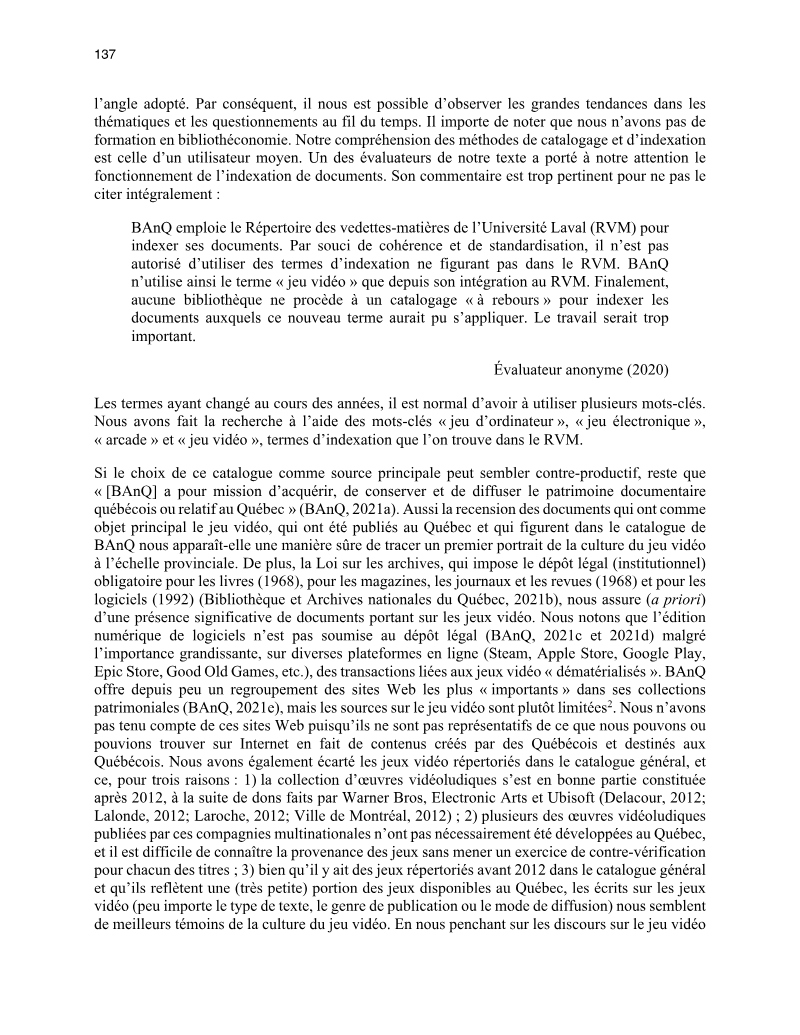
Inconsistent indexing practices, such as the late adoption of 'jeu vidéo' and a lack of retroactive cataloging, hinder comprehensive historical reconstruction.
Archival Gap. The BAnQ catalogue provides an incomplete record of Quebec's video game history due to inconsistent indexing.
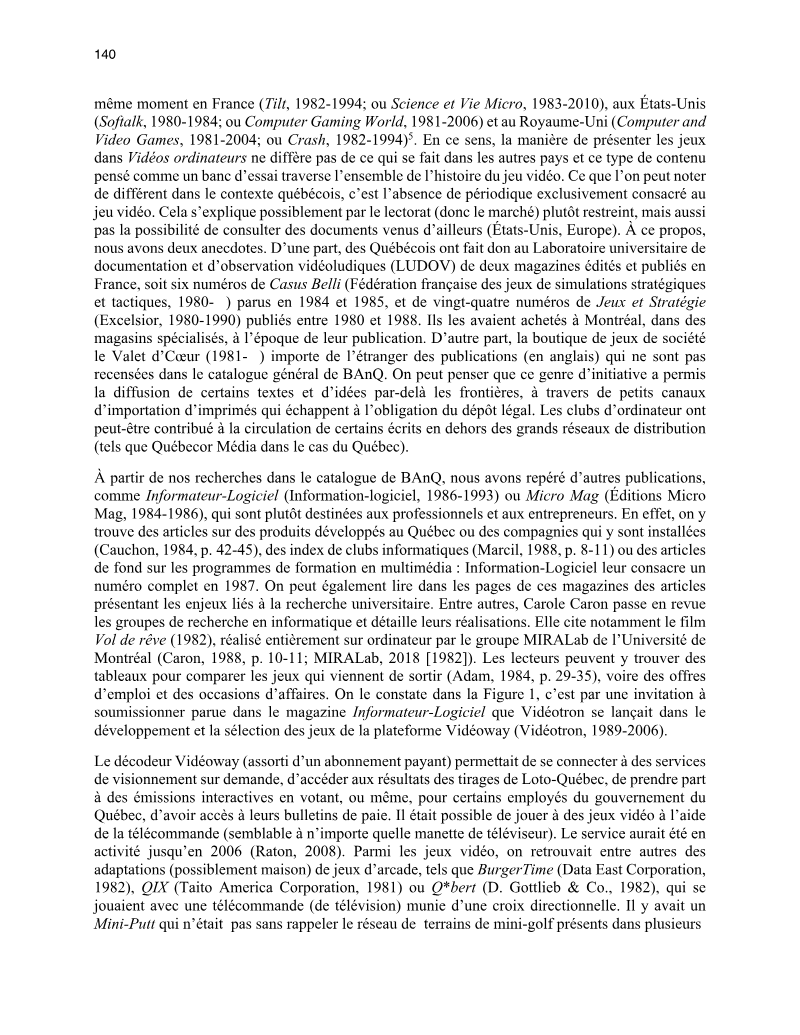
The evolution of video game culture in Quebec between 1978 and 2018 reveals a complex tension between transnational industrial influence and the search for a distinct regional identity. While titles such as Sang-Froid and Kona demonstrate an effort to integrate local cultural values into game design, the broader landscape is characterized by a reliance on imported media and a lack of dedicated, long-term documentation. The historical trajectory of the province’s gaming scene, particularly during the late 20th century, was shaped by early platforms like Vidéoway and the emergence of educational discourse, yet these developments remain under-researched due to the scarcity of specialized local periodicals and the precarious nature of archival preservation.
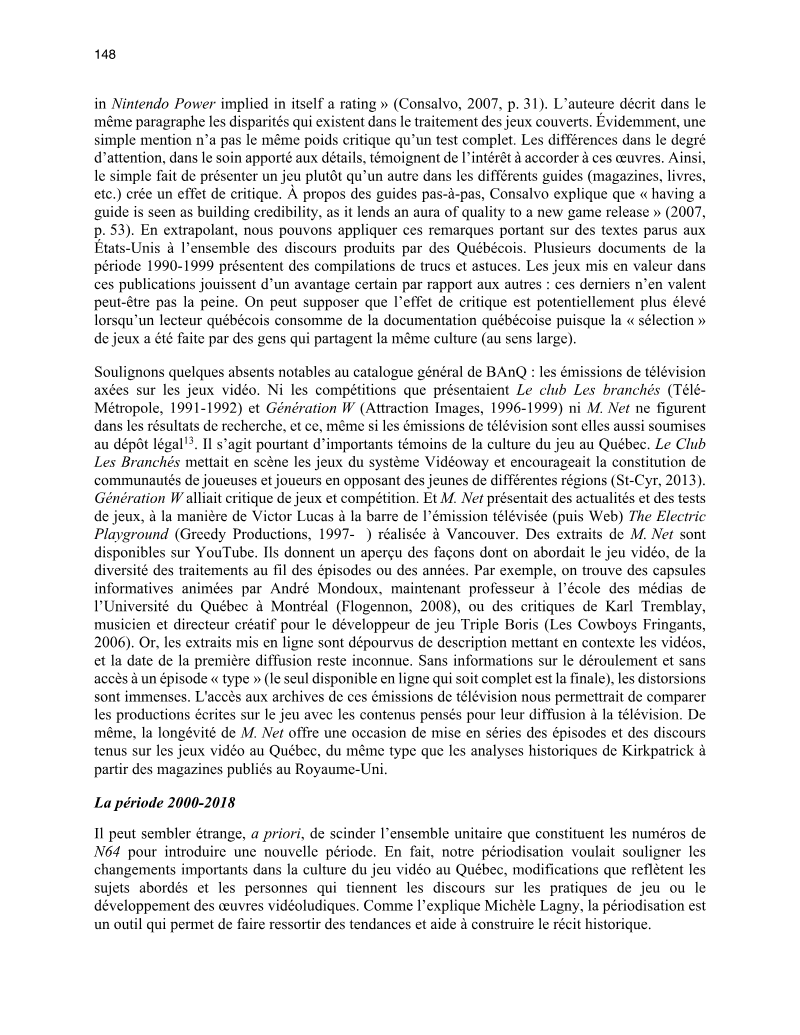
A significant barrier to understanding this cultural history is the systemic lack of independent, neutral data. Since the turn of the millennium, the discourse surrounding video games in Quebec has shifted heavily toward economic and industrial reporting, often at the expense of analyzing consumer habits or cultural reception. Because much of the available information is derived from industry-funded reports, academic inquiry is frequently hampered by methodological inconsistencies and a lack of transparency. This reliance on corporate-centric data perpetuates stereotypes and obscures the nuanced reality of how Quebecers have engaged with gaming over the past four decades.
Ultimately, the preservation of Quebec’s gaming heritage remains fragmented and incomplete. The absence of centralized thematic archives and the loss of historical media, such as specialized television programming and amateur publications, prevent a comprehensive reconstruction of past gaming practices. Addressing these gaps requires a move toward more robust, independent documentation that transcends purely economic metrics. Establishing a more rigorous historical record is essential to move beyond the current limitations and to properly contextualize the role of video games within the broader cultural framework of the province.
Canadian Game Studies Association · 2025
Canadian Game Studies Association · 2025
Canadian Game Studies Association · 2025
Canadian Game Studies Association · 2025
Canadian Game Studies Association · 2022
Canadian Game Studies Association · 2021
Canadian Game Studies Association · 2021
Canadian Game Studies Association · 2021
Canadian Game Studies Association · 2021
Canadian Game Studies Association · 2021
Canadian Game Studies Association · 2020
Canadian Game Studies Association · 2020
Kinephanos · 2025

Comments