1 free read left. Create a free account for unlimited reading + AI research.
Create free accountWhitepaper Loading... The Journal of the Canadian Game Studies Association
1 free read left. Create a free account for unlimited reading + AI research.
Create free accountWhitepaperLoading... The Journal of the Canadian Game Studies Association
This predated the modern community-based 'indie' model, which is characterized by game jams, mentorship, and organized bodies.
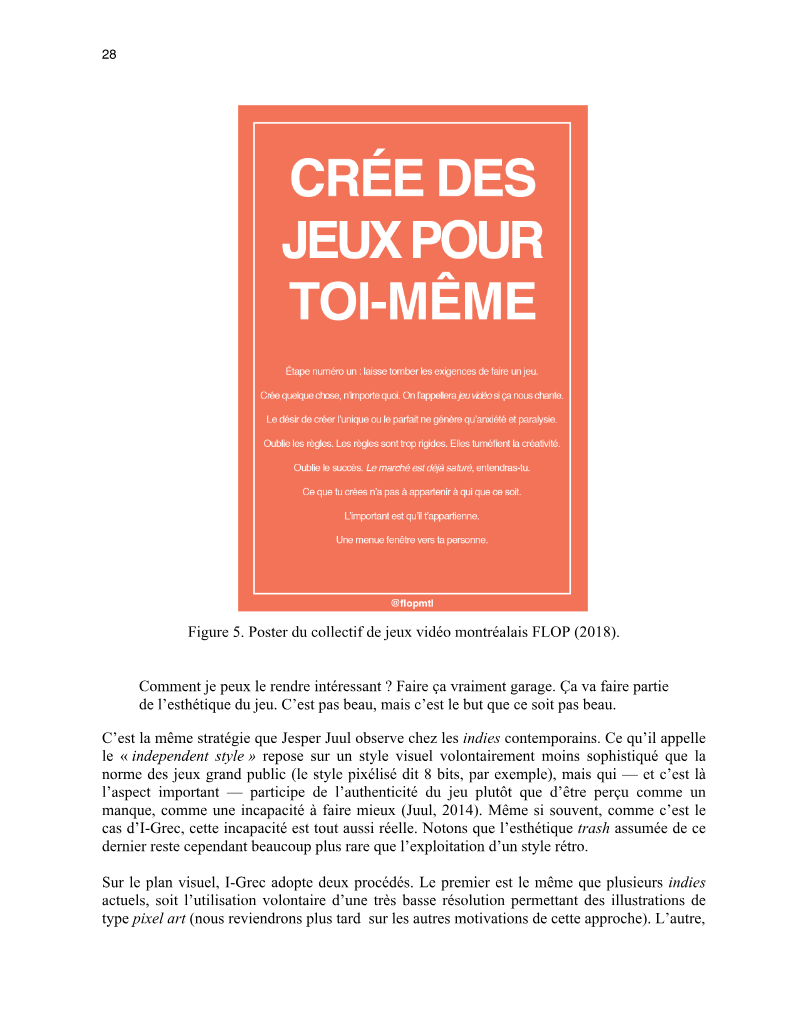
Independent game development in Quebec originated long before the modern digital era, rooted in the personal computing practices of the 1990s. By examining the experiences of early self-taught developers Christian Boutin and the creator known as I-Grec, it becomes clear that the indie movement is a continuation of grassroots technical experimentation rather than a strictly contemporary phenomenon. These pioneers operated in relative isolation, relying on manual-based learning and informal distribution networks like Bulletin Board Systems to share their work, effectively navigating a landscape that lacked the infrastructure of today’s globalized industry.
The development trajectories of these two figures illustrate the fundamental tension between commercial ambition and creative autonomy. Boutin, operating under the Oracle Software label, utilized the shareware model to compete with mainstream titles, eventually encountering the unsustainable pressures of rising technical standards and development costs. In contrast, I-Grec prioritized personal expression, irreverent humor, and anti-capitalist values, embracing a minimalist aesthetic that anticipated the ethos of today’s independent scene. His work serves as a precursor to modern indie design, demonstrating a deliberate rejection of the professionalization and commodification that ultimately marginalized early independent efforts.
The evolution of these developers highlights that the independent movement is driven as much by cultural context as by technological advancement. While early attempts to target global markets through standardized genres often led to burnout, the focus on local identity and experimental design remains a viable path for creators. Despite the saturation of the contemporary market, there is significant potential for developers to distinguish themselves by integrating local vernacular and unique cultural perspectives, proving that the spirit of the 1990s garage developer remains a vital blueprint for sustainable, authentic game production.

Loading... The Journal of the Canadian Game Studies Association · 2026
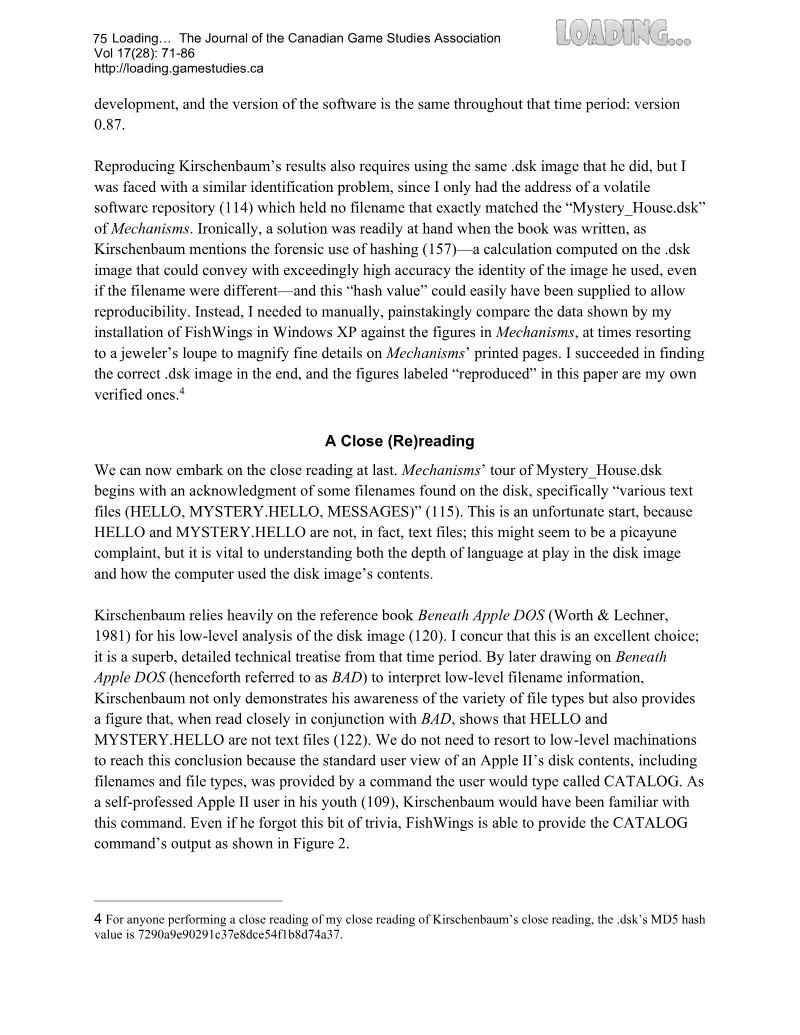
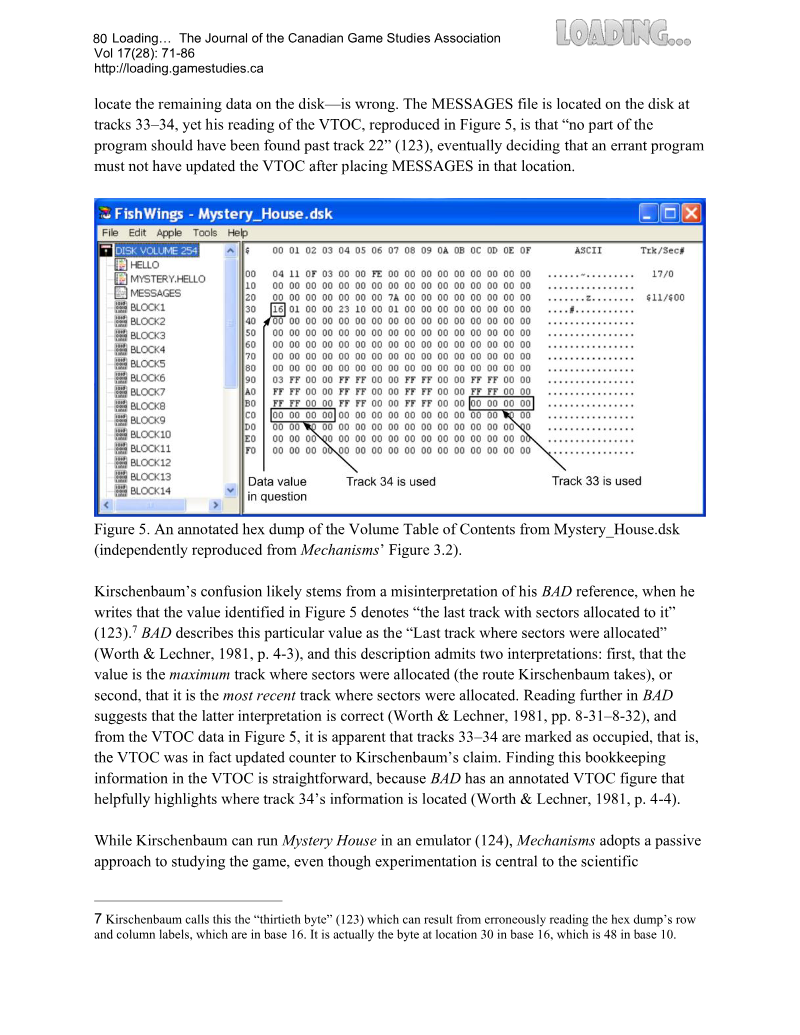
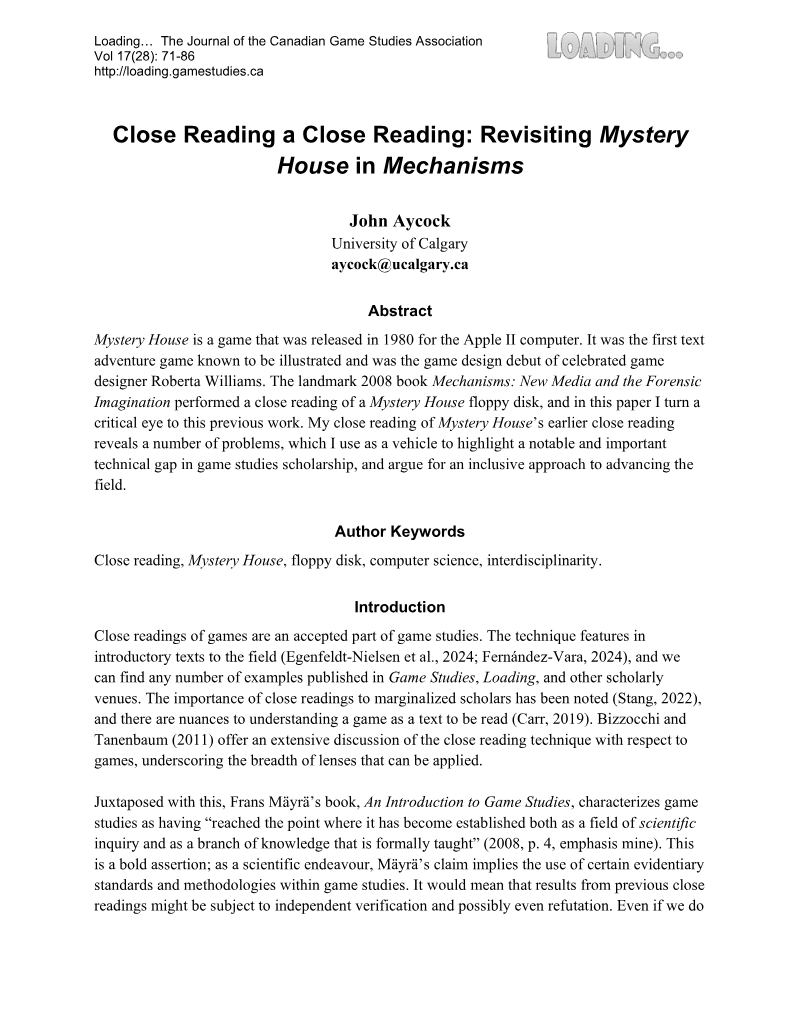
Loading... The Journal of the Canadian Game Studies Association · 2026


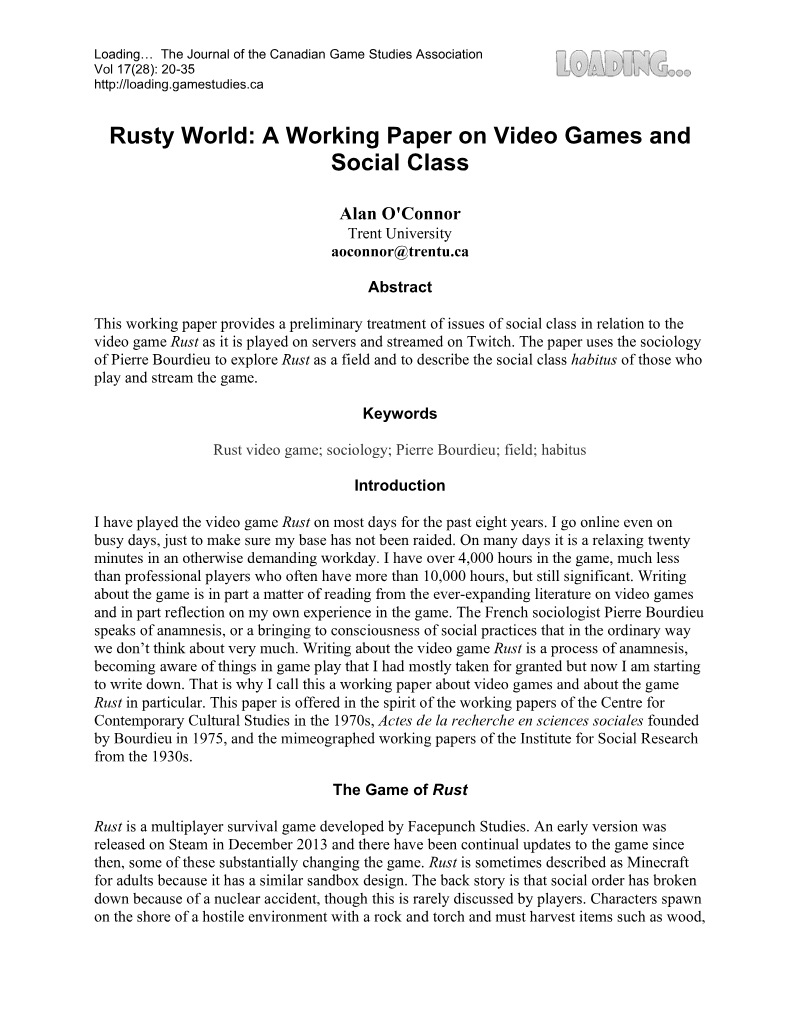
Loading... The Journal of the Canadian Game Studies Association · 2025
Loading... The Journal of the Canadian Game Studies Association · 2025
Loading... The Journal of the Canadian Game Studies Association · 2025
Loading... The Journal of the Canadian Game Studies Association · 2025
Loading... The Journal of the Canadian Game Studies Association · 2024
Loading... The Journal of the Canadian Game Studies Association · 2024
Loading... The Journal of the Canadian Game Studies Association · 2024
Loading... The Journal of the Canadian Game Studies Association · 2024
Loading... The Journal of the Canadian Game Studies Association · 2022

Loading... The Journal of the Canadian Game Studies Association · 2022
Press Start · 2026