Key insights
7 slides
Industry Genesis
Quebec's video game industry developed through three distinct phases.
These phases include an initial period of amateur exploration, a colonization phase driven by foreign capital, and a current phase of sustainable development.
1 / 7
- 01The Quebec video game industry has evolved through three distinct phases: an initial period of amateur exploration, a colonization phase driven by foreign capital and large studios, and a current phase of sustainable development characterized by independent growth.See it on page 1
- 02Government intervention, specifically the creation of the Cité du multimédia in 1998 and generous labor tax credits (up to 40% to a maximum of $15,000), was instrumental in establishing Montreal as a global hub for AAA game development.See it on page 11
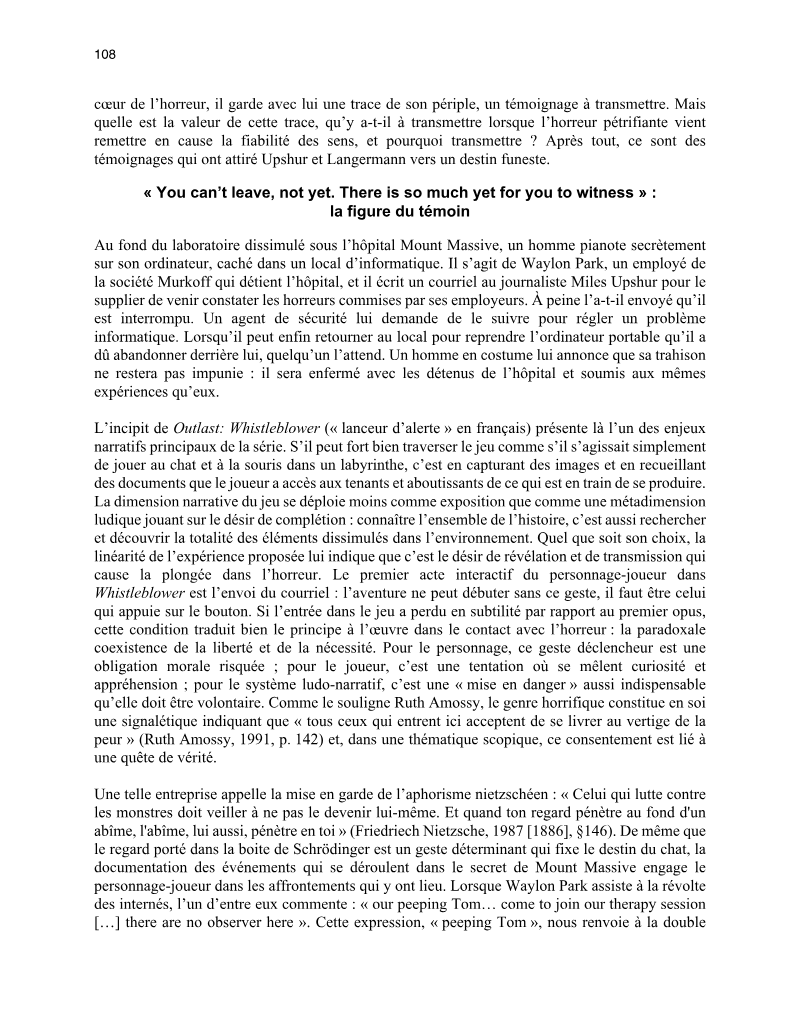
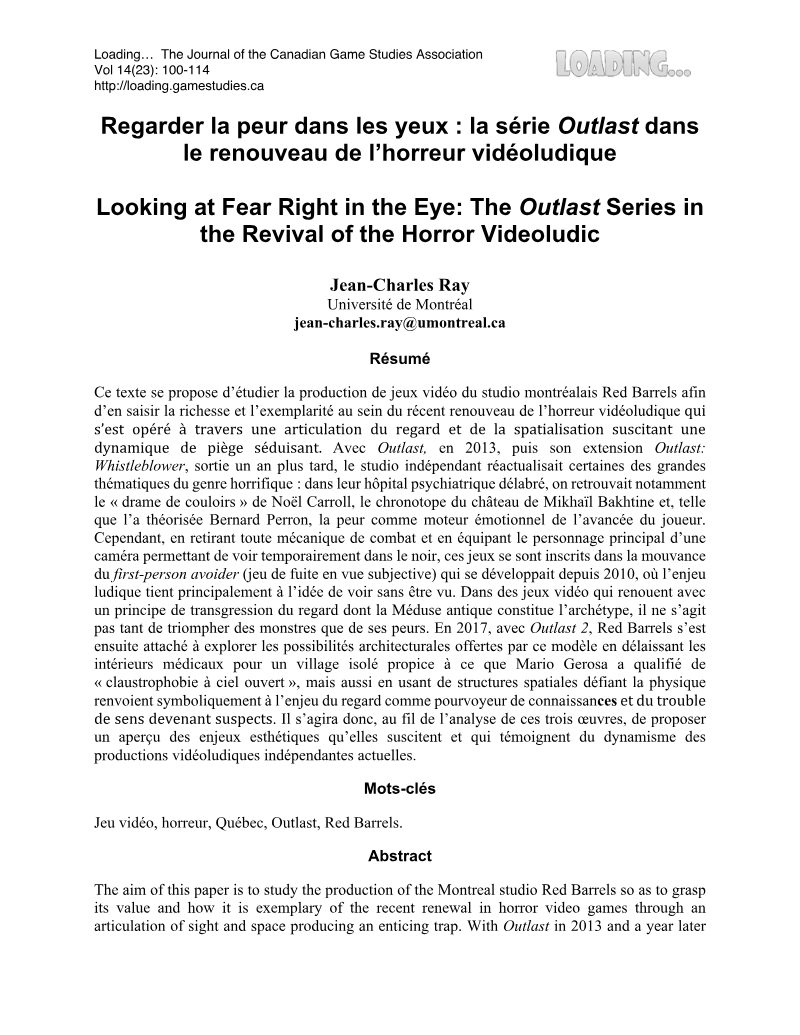
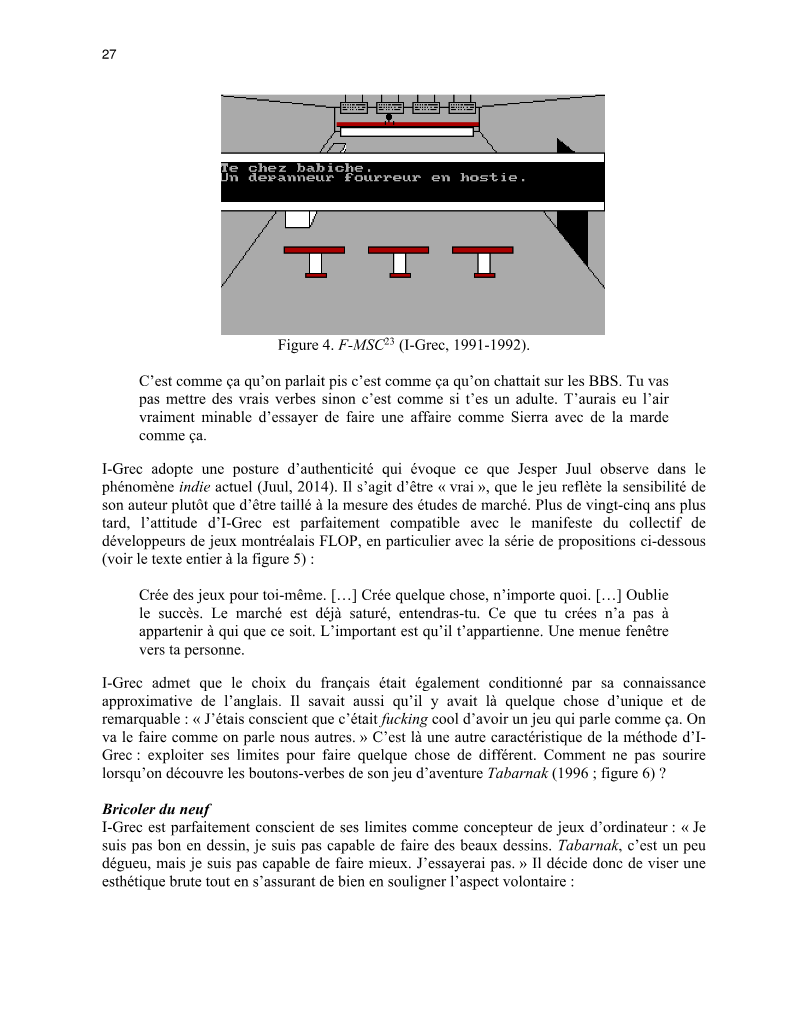
- 03The industry's shift toward sustainable development is marked by the rise of independent studios founded by industry veterans, such as Panache Jeux numériques (2014), Red Barrels (2011), and Minority Media (2010).See it on page 14
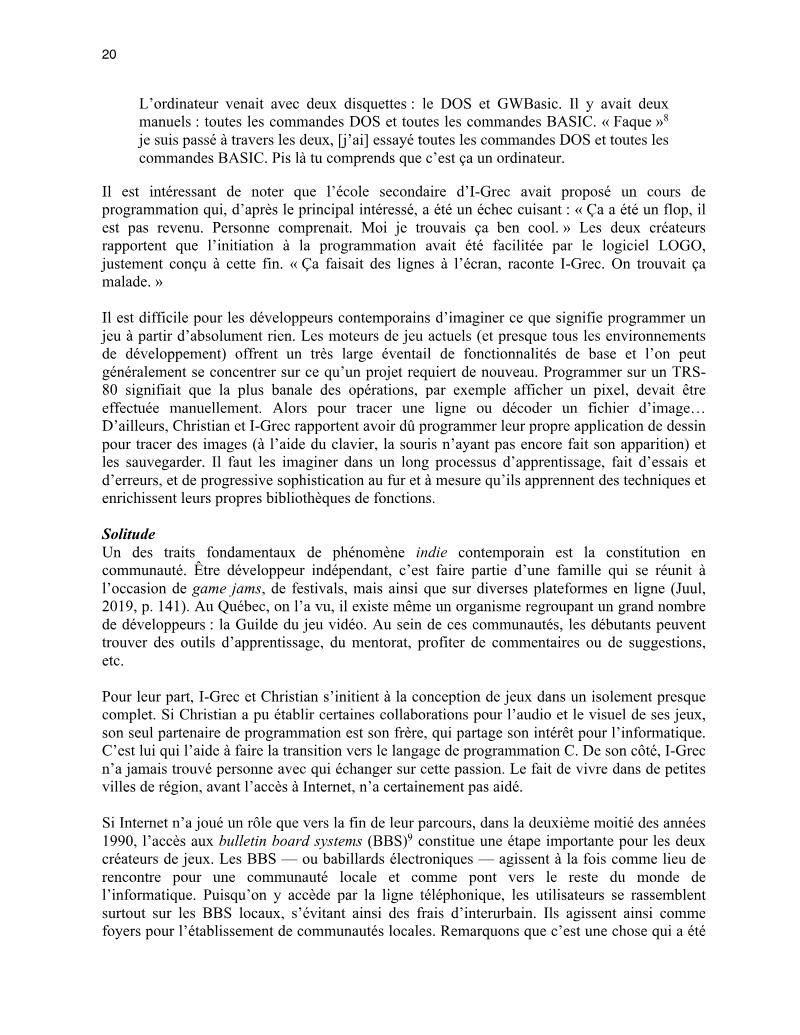
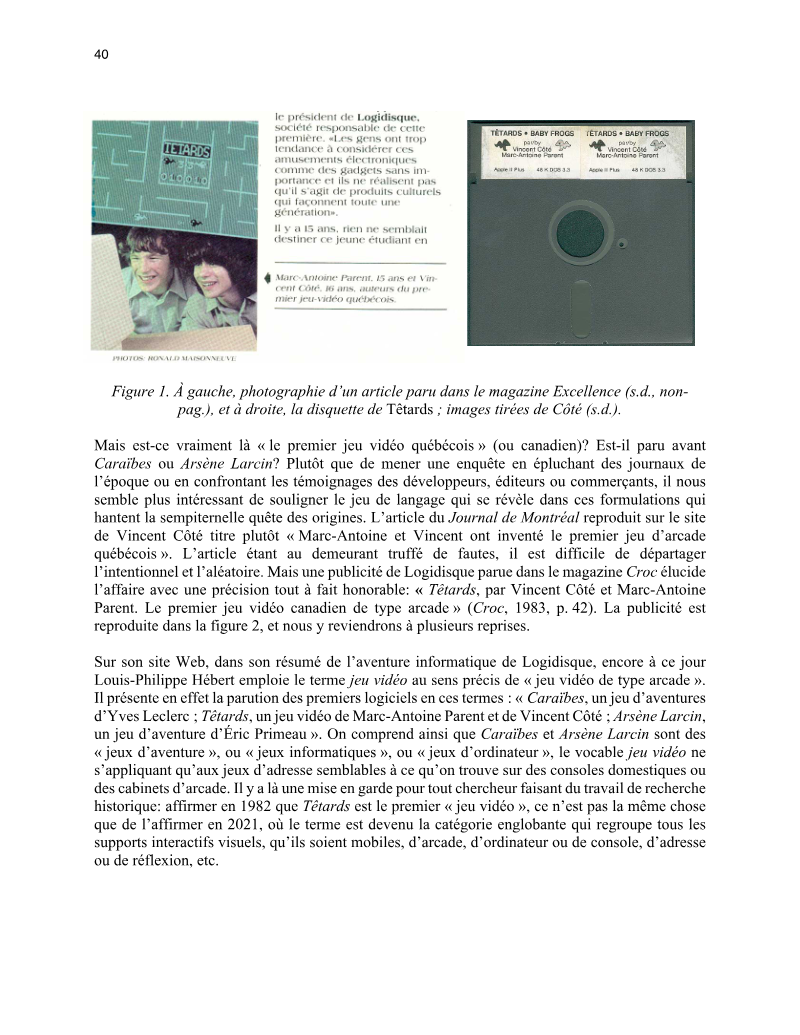
- 04Early industry milestones included the 1983 release of 'Têtards' by Logidisque, often cited as the first Canadian arcade-style video game, and pioneering digital animation work at the Université de Montréal in the early 1980s.See it on page 5
- 05Direct state investment in specific studios has proven high-risk, as evidenced by the 2017 closure of Hibernum following a $5 million investment in 2014, and the 2013 closure of THQ after a $3 million investment in 2010.See it on page 13
- 06The current ecosystem benefits from a self-structuring approach, supported by organizations like La Guilde du jeu vidéo du Québec, which fosters collaboration and reduces reliance on the volatile, incentive-driven model of the past.See it on page 14
- 07Future industry stability depends on balancing the reliance on tax-based incentives for large firms with increased support for local, independent developers who are more deeply rooted in the regional territory.See it on page 15
Ask AI about this article
Summary
The Quebec video game industry has undergone a profound transformation over the past four decades, evolving from a fragmented network of amateur innovators into a globally recognized, self-sustaining economic powerhouse. This development trajectory is defined by three distinct eras: an initial period of informal exploration between 1982 and 1997, a state-led phase of colonization from 1997 to 2012, and a contemporary era of sustainable development. While the arrival of major international firms like Ubisoft is often cited as the industry's genesis, the sector’s true foundation rests upon earlier, spontaneous innovations in digital animation and software development that established a critical base of local expertise.
The industry’s rapid expansion was catalyzed by the Plan Mercure in the late 1990s, which utilized aggressive tax incentives to attract foreign capital and integrate Quebec into the global production chain. This period of colonization successfully scaled the industry but also created a dependency on state intervention. Over the last decade, however, the ecosystem has matured significantly. The rise of independent studios, the integration of specialized academic training, and the consolidation of industry advocacy groups into the unified Guilde du jeu vidéo du Québec signal a shift toward a more resilient, locally rooted model.
Ultimately, the sector now functions as a complex, interconnected network that balances large-scale production with a thriving independent scene. While government tax credits remain a vital component of the fiscal landscape, the industry’s long-term viability increasingly relies on community-driven initiatives, mentorship, and the development of local intellectual property. The current challenge lies in maintaining this equilibrium, ensuring that the industry continues to thrive as a self-structuring entity that can withstand shifts in global economic policy while fostering continued creative and technological innovation.