ArticleAI and Games
The Steam Fest That Proves Why Everyone Hates on AI in Games
16 Sept 20261 pages~14 min full read
Key insights
4 slides
Event Context
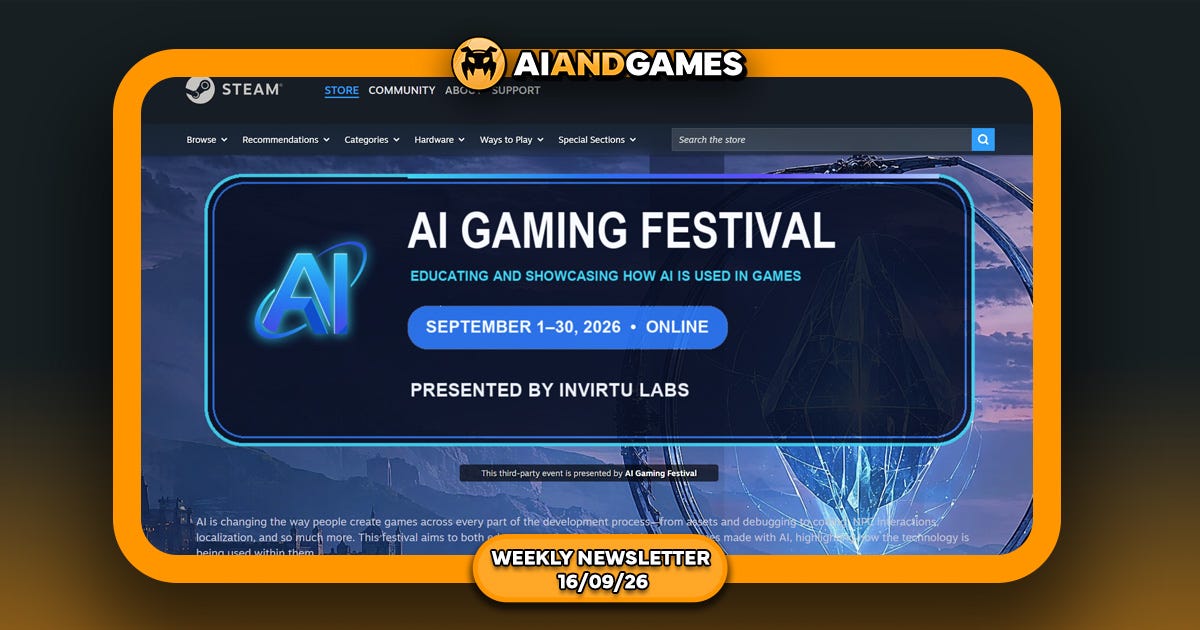
The 'AI Gaming Festival' on Steam was an independent third-party event.
Organized by Invirtu Labs, it was not an official Valve production. The festival primarily promoted the company's AI-driven distribution platform, Glitch.
Marketing Strategy
The event functioned as a marketing funnel for a ticketed, paywalled virtual conference.
This conference featured speakers who were largely founders of AI-focused startups. There was minimal representation from the broader, traditional game development industry.
Marketing Funnel. The festival served as a marketing funnel for a paywalled virtual conference.
Editorial Bias
The festival's editorial approach has been criticized for failing to provide a balanced discussion on AI in gaming.
At least one invited speaker noted their intent to provide a counter-narrative was undermined.
Community Backlash
The inclusion of meme games like 'Bad Rats' in multiple festival categories suggests community targeting.
This further damaged the credibility of the showcase.
Mockery Indication. Meme games' inclusion suggests the community is mocking the event.
1 / 4
Ask AI about this report