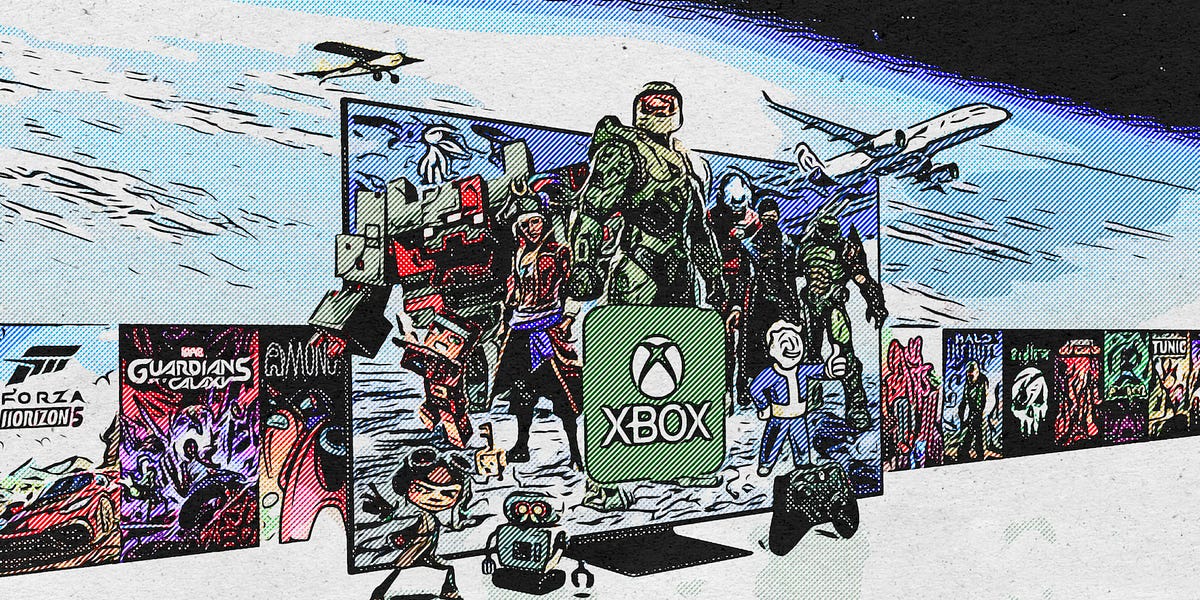
The recent appointment of Asha Sharma as CEO of Xbox marks a strategic pivot for Microsoft’s $25 billion gaming division, moving away from a content-centric subscription model toward a platform-based approach that prioritizes audience aggregation and indirect monetization. A leaked internal memo highlights that the current Game Pass subscription model has reached a structural ceiling, as recent price increases to $30 per month have failed to sustain growth. The analysis suggests that while subscriptions are effective for retention, they do not meaningfully expand the market or attract new players, necessitating a shift in business logic.
The proposed strategy draws heavily on the "Instacart model," where advertising serves as a high-margin growth driver alongside transaction-based revenue. Gaming currently captures less than four percent of digital advertising spend despite commanding roughly thirteen percent of consumer time, representing a significant monetization gap. By integrating advertising into the Xbox ecosystem, the company aims to subsidize access for a broader, global audience, transitioning from a niche premium service to a mainstream media platform. This shift reflects a broader industry trend where gaming is increasingly treated as an ad-supported media business rather than a collection of premium software products.
This transition signals a departure from the previous leadership’s focus on aggressive studio acquisitions and library expansion. Instead, the new direction emphasizes full-stack platform development, including potential storefront opportunities for third-party developers. By leveraging expertise in audience platform management, the new leadership intends to align Xbox with the financial logic of successful tech platforms, effectively treating the global player base as a media market rather than a subculture. The ultimate success of this strategy depends on whether the existing, loyal Xbox audience will accept an ad-supported environment as the platform evolves.
SuperJoost · 2026
SuperJoost · 2026
SuperJoost · 2026
SuperJoost · 2026
SuperJoost · 2026
SuperJoost · 2026
SuperJoost · 2026
SuperJoost · 2026
SuperJoost · 2026
SuperJoost · 2026
SuperJoost · 2026
SuperJoost · 2026
Ubisoft · 2026
Sony Group Corporation · 2026
Enthusiast Gaming Holdings · 2026
Drake Star Partners · 2026
Aream & Co · 2026
Capcom · 2026

Modern Times Group · 2026
Bandai Namco · 2026
Aream & Co · 2026
Take-Two Interactive · 2026
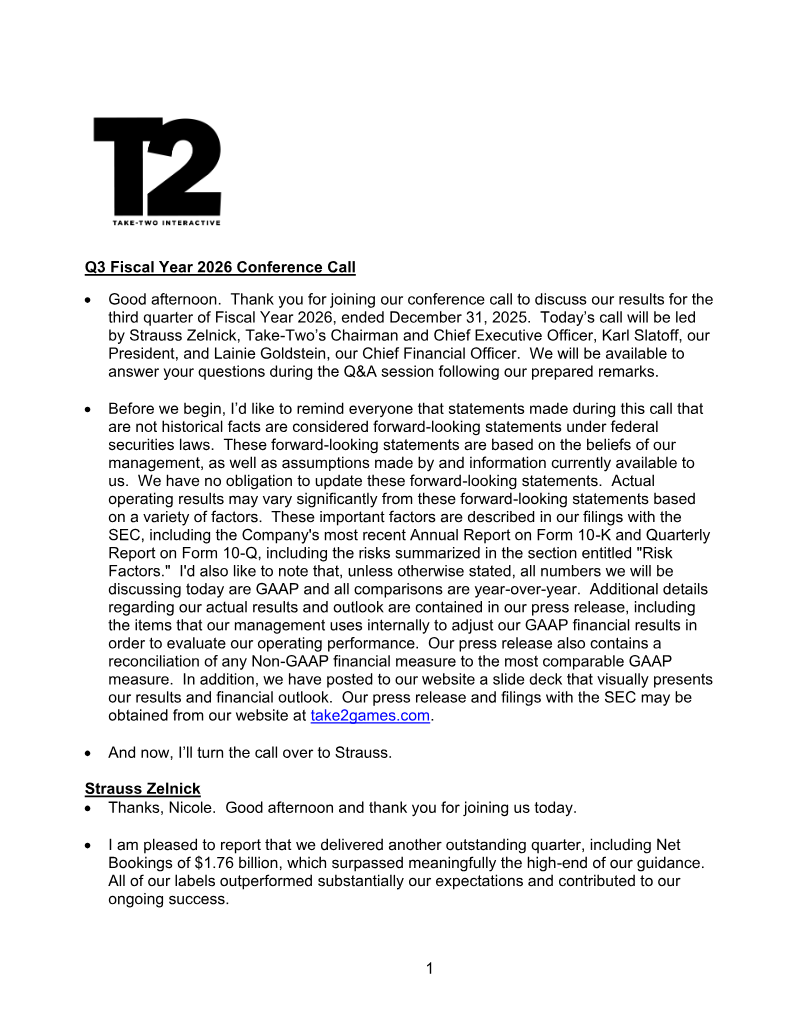
Take-Two Interactive · 2026
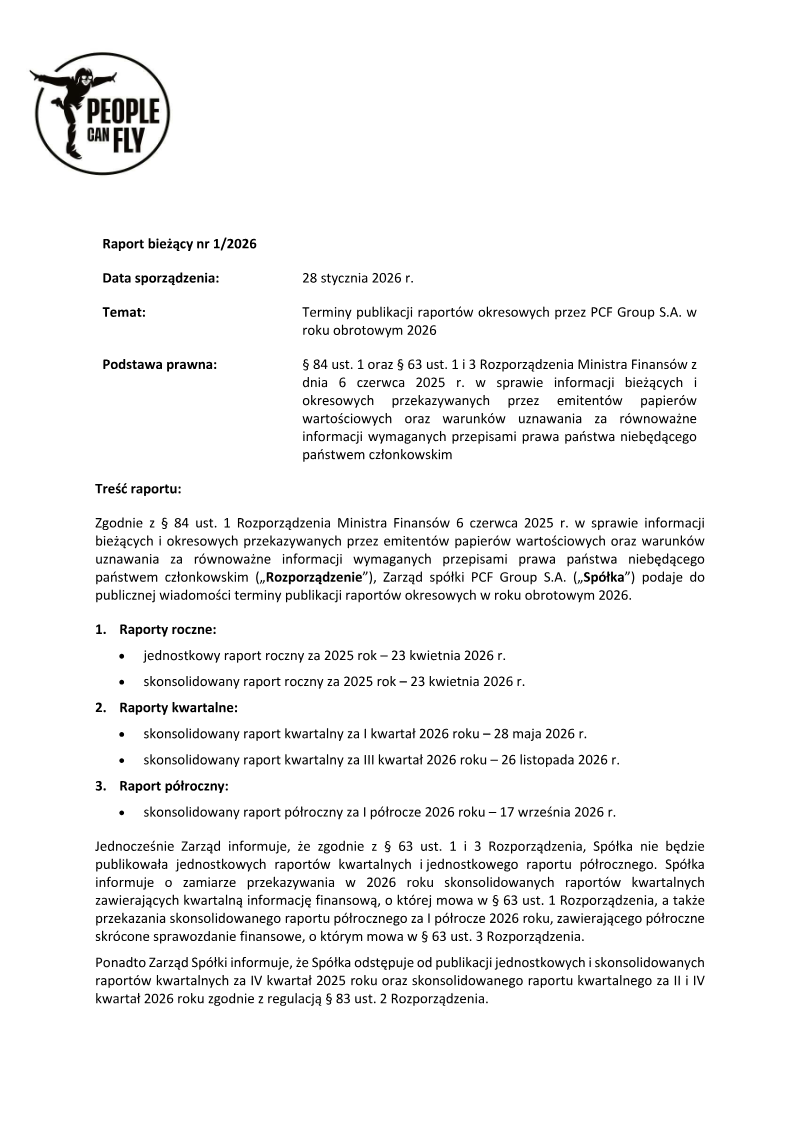
PCF Group · 2026