Loading the document
1 free read left. Create a free account for unlimited reading + AI research.
Create free accountArticle DiGRA
1 free read left. Create a free account for unlimited reading + AI research.
Create free accountArticleDiGRA
Empire: Total War and Age of Empires III: The Asian Dynasties are argued to reproduce orientalist and Eurocentric master narratives, despite claims of historical rigor.
This paper examines how videogames portray colonial history, using the British Raj in India as its case study, with particular attention to the real-time strategy titles Empire: Total War and Age of Empires III: The Asian Dynasties. Its central argument is that these games, despite their claims to historical rigor, tend to reproduce orientalist and Eurocentric master narratives of empire, flattening the plurality of Indian histories and marginalizing subaltern perspectives. Drawing on postcolonial theory from Edward Said, Ranajit Guha, Partha Chatterjee, and others, the author argues that counter-historical "what-if" play, such as an Indian faction conquering England, remains tethered to imperial logics of the nation-state rather than genuinely challenging them.
The analysis identifies specific historical inaccuracies and stereotyping across the games, including the conflation of diverse Indian groups into a monolithic Hindu identity, anachronistic depictions of tea plantations, and the sanitizing of colonial exploitation. The paper extends its critique to other media and genres, citing examples such as Street Fighter II, Call of Duty: Modern Warfare 3, and the broader pattern of Western representations of India, and situates the problem within cyberculture scholarship on identity tourism and digital postcolonialism. It also notes that the games' implied audiences are often Western, limiting the scope of their critical potential.
The paper concludes with a more hopeful note, pointing to recent works that engage Indian colonial history from alternative vantage points, including Bhagat Singh, Assassin's Creed: Syndicate and its Last Maharaja expansion, and 80 Days. The study is presented as an early exploratory contribution in a field with limited existing research, drawing on qualitative textual and game-content analysis rather than a formal empirical survey, and it calls for games that incorporate multiple subject positions and the perspectives of the colonized.
 MicrosoftCompany · United States · founded 1975 · 1,510 documents
 Call of DutyGame · Infinity Ward · 2003 · 995 documents
 Assassin's CreedGame · Ubisoft Montreal · 2007 · 444 documents
 Street FighterGame · Capcom · 1987 · 209 documents
 Sega Sammy HoldingsCompany · Japan · founded 2020 · 149 documents
 Call of Duty: Modern WarfareGame · Infinity Ward · 2019 · 106 documents
 Age of EmpiresGame · Ensemble Studios · 1997 · 56 documents
 Call of Duty: Modern Warfare 3Game · Sledgehammer Games · 2011 · 15 documents
 Street Fighter IIGame · Capcom · 1991 · 11 documents
Each row is a game or company this document names, each column a document, oldest first. A mark means that document names it. Select a row to see those documents.
DiGRA · 2026
DiGRA · 2023
Canadian Game Studies Association · 2018
Eindhoven University of Technology · 2026
Monash University · 2026
DiGRA · 2026
DiGRA · 2025
Spiel|Formen · 2024
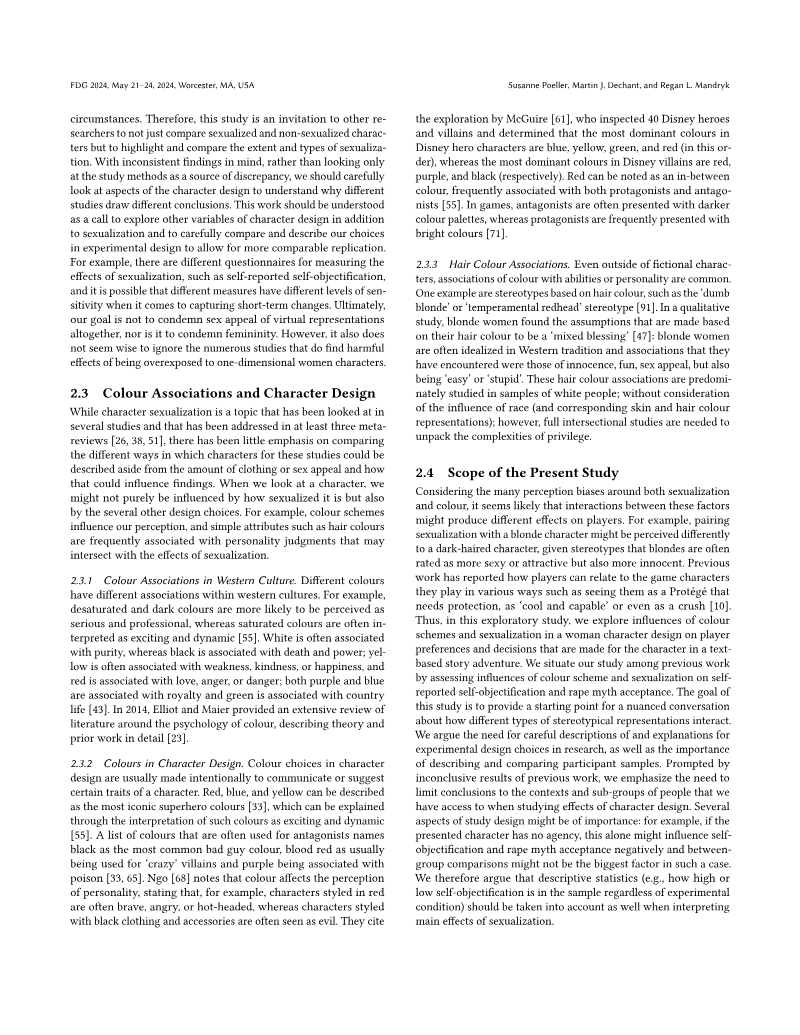
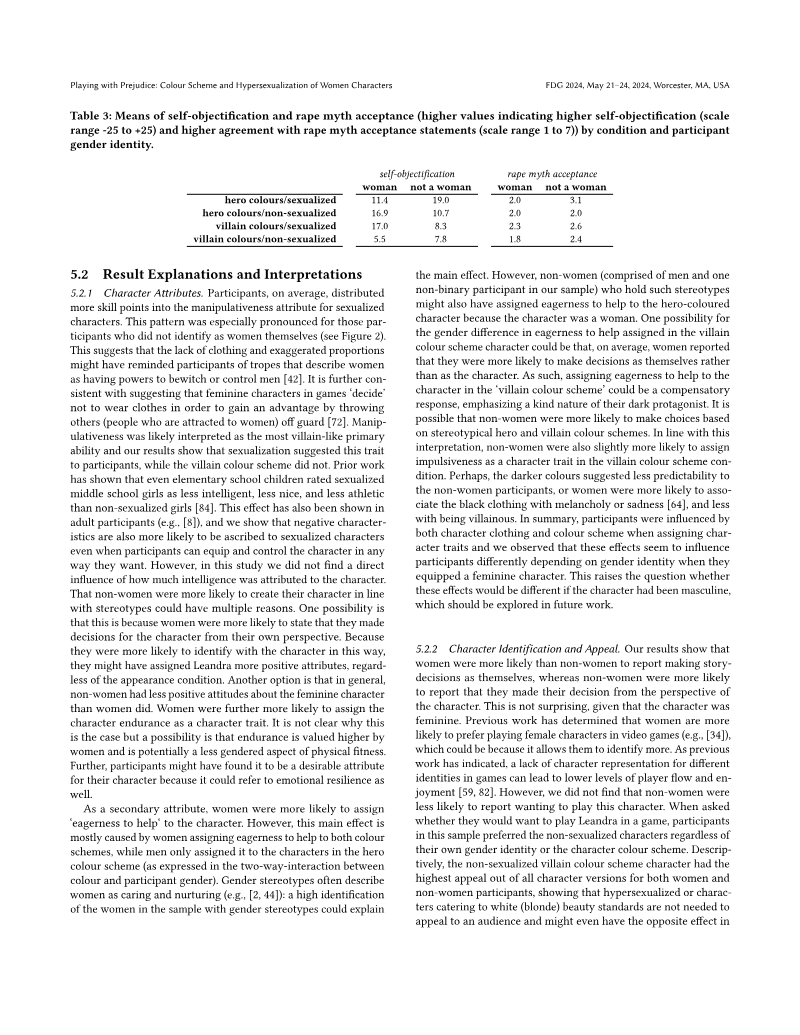
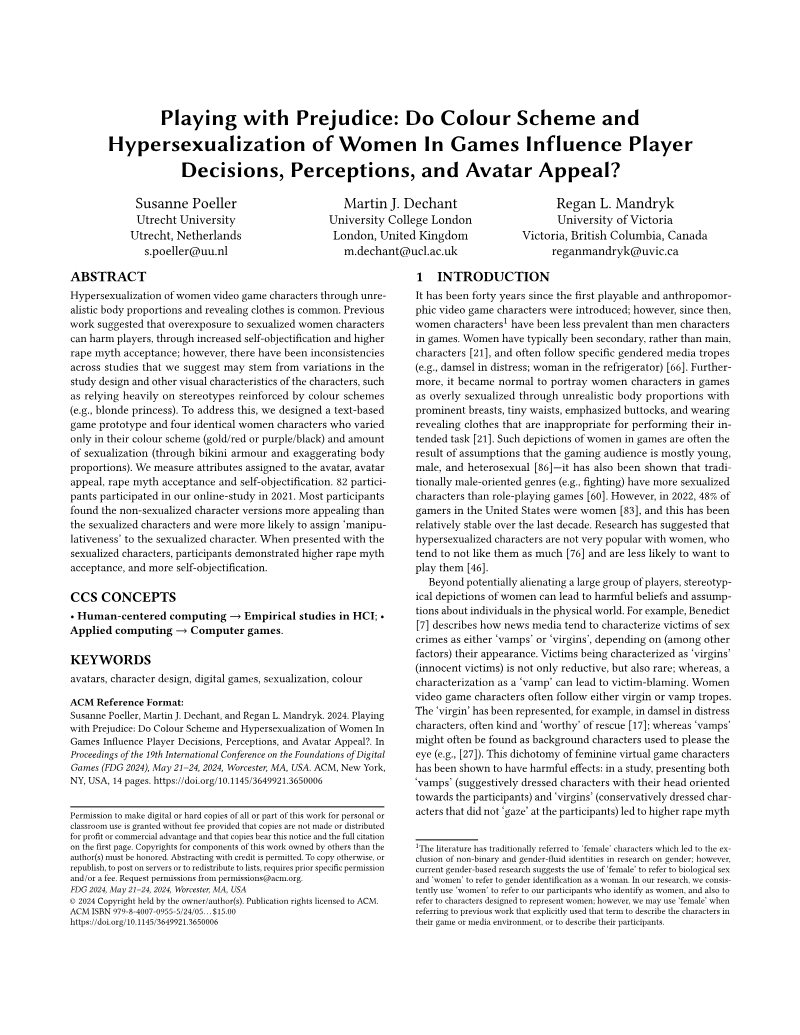
Foundations of Digital Games (FDG) · 2024
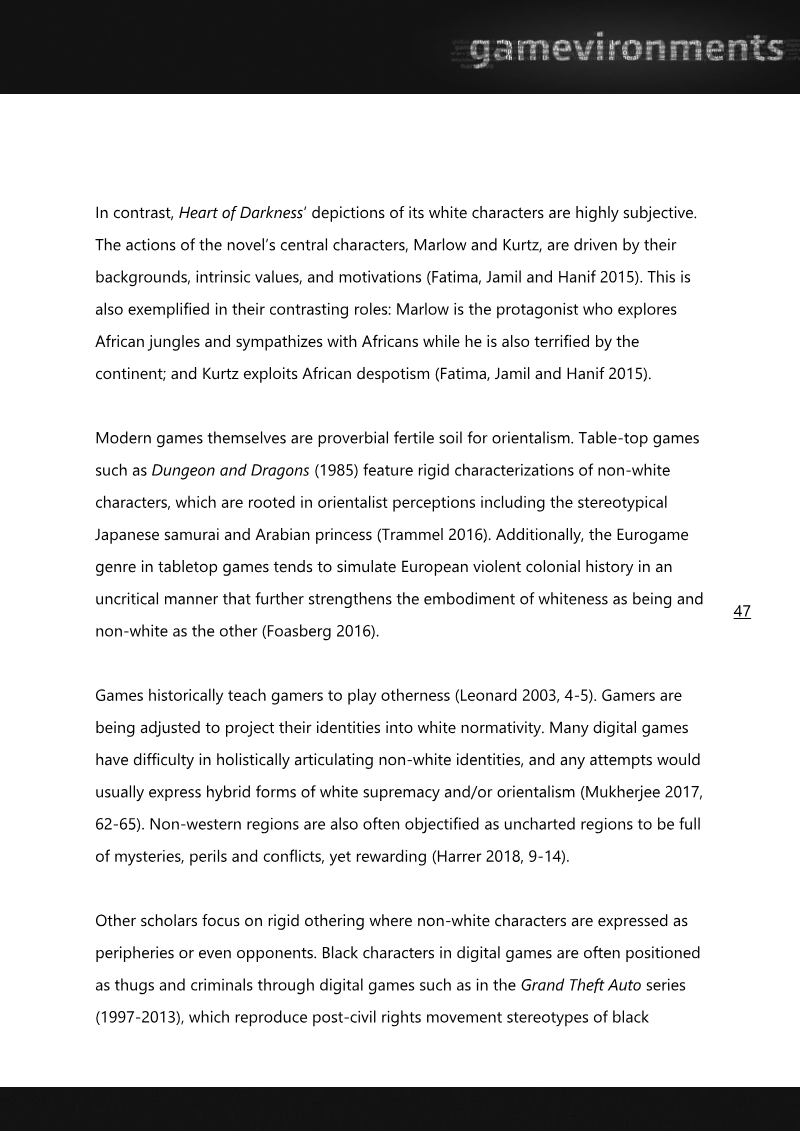

gamevironments · 2023
Games and Culture · 2023
Press Start · 2022
Canadian Game Studies Association · 2021





























