1 free read left. Create a free account for unlimited reading + AI research.
Create free account
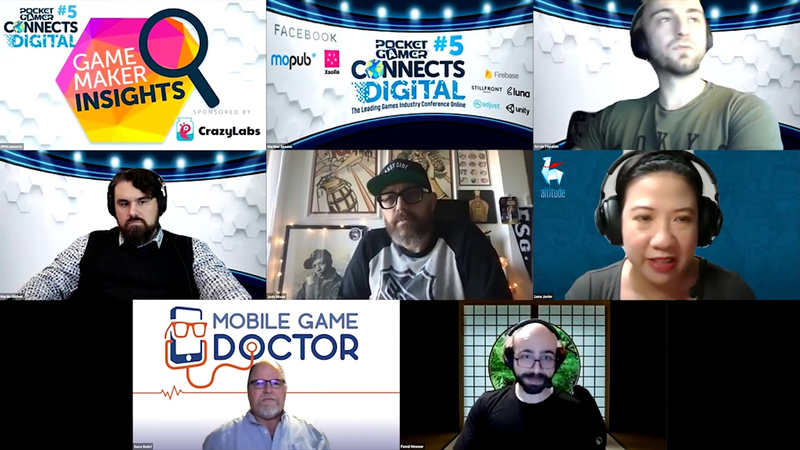
Panel: The Challenges & Advantages of Creating a Game Remotely
Key insights
7 takeaways- 01Remote development requires shifting management from traditional oversight to a model of radical transparency, clear goal-setting, and individual empowerment.
- 02Studios must replace organic office interactions with structured social initiatives, such as virtual coffee chats, game nights, and formal buddy systems, to maintain company culture.
- 03Onboarding remote employees effectively requires personalized experiences, including the use of physical welcome kits to help bridge the gap to the organizational identity.
- 04To combat burnout, studios are implementing mandatory breaks, ergonomic training, and flexible scheduling policies.
- 05Creative collaboration in remote environments is sustained by replacing physical whiteboards with specialized digital annotation and brainstorming software.
- 06Digital communication channels improve inclusivity by providing a more equitable platform for quieter team members compared to traditional, personality-driven office meetings.
- 07The industry is shifting toward hybrid models that leverage global time zones to optimize feedback loops and expand access to international talent.
Ask AI about this video
Transcript
the last session of today is a panel with quite a few speakers it's a panel about the challenges and advantages of creating a game remotely the moderator aaron i'm not sure if he is already uh on board there he is hello hello hi there just to mute myself i'm good thank you i see your your panelists are slowly joining i could have been a panelist i've been creating games remotely for eight years [Laughter] just stick around just stay here for it just have a little chat yeah no actually our um our team is like distributed all over the world so uh yeah we are following this session
closely to hear what you guys have to say about it well that's awesome that's really cool how long have you guys been doing that for them working remotely like with that kind of approach just ever since you guys kicked off or ever since we got sticked off yeah so that's about eight years now wow it's really cool i think you're uh you're complete now i will disappear and i'll let you take it from here bye martin great thank you very much thank you howdy cool hi guys um yeah so thanks very much everyone for joining me um to talk about the challenges and advantages of creating games remotely uh i figured for the sake of everyone tuning in it'd probably be a good idea for us just to kick things off with a little introduction about ourselves just to quickly say you know who we are and where we're from and uh
and sort of what our approach to remote working has been for the last while so i myself i'm aaron topalian it's great to meet you for the first time i'm a senior game designer at mediatonic i've been for about three and a half years now um and for the last sort of year now i've been working remotely as part of mediatonic's approach to handling the the pandemic as you might expect here in the uk specifically in london that's what we got uh dave how about yourself everyone my name is uh dave rural i'm in the san francisco bay area i have been in games now for about 27 years total um started working in remote development in 2000 when the tool set was nowhere near as rich as it is now but
did some external production then for games i was designing um and have worked off and on with uh internal and external design in the 20 years since uh for the last seven years i've been running a mobile game consulting company called mobile game doctor which is actually a remote team of consultants working with remote clients so i am i am doubly remote so uh and that's that's certainly been a fun ride double remote wow um uh thank you very much and is it is it fozzy is that how you pronounce it that's right yeah man yeah yeah hello thank you for having me over and great to see you about a bunch of friendly faces uh david's been vanilla luna everybody it's really good to see you all um remote remote this time around um so yeah my name is fauzi mesmer i am head of design at ea dice uh based in stockholm i am part of the studio leadership team i
look after everybody in design that includes game designers level designers ux designers anybody who's designing their title will end up proposing to me it's a pretty rushed team depending on the time of the year you speak to me i have around 80 to 100 people in my team um i am responsible for the creative outlook at the studio including all of our releases in the battlefield the franchise and star wars battlefront franchises i've been in games industry for quite some time 18 years um not close to dave but getting there um my my job is taking me around the world i've been making games for quite some time on a whole lot of different platforms in a whole lot of different countries before before coming to stockholm i worked in germany in japan in new zealand in asia and in the middle east where i'm from so i'm happy to uh to to be here and talk to you guys about how the past year has been i guess fantastic great to have you dude thank
you very much uh with josh morning everyone i'm josh uh i run these games we're uh based in vancouver bc and uh we uh remote like everyone else now and we've uh actually we're always a physical studio and um now we've decided to give up our studio we're not going back we'll figure out what that looks like when the world reopens and uh we work entirely remote so it's been a big learning curve and where eastside games is a team of uh over 100 people now it's weird when i say that i never think it was going to be over 100 people and we're not only a game developer on mobile idol games but we're also a publisher we work with many awesome studios our favorite is the mobile game doctor they're our favorite people to work with in the world um just because dave has the best dad jokes i'm sure he's going to drop a few first thing in the morning now so let him warm up and uh yeah i think a lot of people are in
the same boat as well it's about working figuring out how to work remotely but also keep the culture of having a game studio um so that's one of the things that we've been working on at eastside games and this year we launched it gets five games or six games and we have some more coming up as well so we were really busy in uh sort of a pandemic walk down well yeah i can imagine awesome great to have you man um and luna hi hi everybody nice to meet everyone except fauzi i've met fawzi so i'm luna it is 1am in manila so i apologize in advance i will do my best i am the creative director and one of the co-founders of altitude games we are a mobile and blockchain game studio founded in 2014 and we have been remote since day one we have about 43 people now i believe
and um yeah i've been working remotely since 2008 actually and i have been designing games for almost 20 years as well so i'm excited to learn from everybody today plus one they're saying that we've got a nice really broad spectrum of people of especially i hadn't expected so many of you have been so invested in uh remote working for quite so long as well so it's going to be super interesting to hear what everyone has to say this is really cool um and last but not least martin hi guys i'm martin i'm ceo of tiny hydra we do like custom tools and rapid prototyping for game companies all over the world we're remote first but i haven't obviously always worked remote um [Music] and i've been working in games for about 11 years unless you count modding in which case i've been doing it for 26 years um and yeah all that time mostly physical but now fully remote very cool
awesome thanks very much guys for introducing yourselves that was great um yes i'd like to say thank you very much all for coming along um i for one have definitely looking forward to this panel for a while um hopefully it's going to be a help um and the interest of those watching when it comes to creating games remotely um to that end as you'll know i've prepared some topics in advance um in the hope of teasing out um what i thought were some of the more interesting aspects to remote game development um which will work our way through with any luck get through a fair few number of um so yeah in the past or a year obviously creating games remotely has i think it's safe to say and more of a requirement than a choice um but regardless you know making a game and solving creative problems remotely you know really kind of is a very different kind of beast um i never knew how much i would miss whiteboards in the last year as i have um so with that in mind i guess kind of opening up the with the first topic is how would you how would you guys say what would you guys have been some of the sort of main
ways either yourself your projects have had to adapt to meet working on games remote lists probably number question people who have had to make that adaptation but it'd be great to get some insight into to kick us off sort of what those main challenges have looked like in terms of the adaptation process i'll i'll start then yeah yeah so um while altitude was designed to be remote from day one we did have a physical office and we used it for uh like co-working days which were completely optional but once a week people would come in and kind of uh hang out brainstorm we would schedule all our meetings on that day and that's been the hardest thing for us actually is letting go of the office not i mean not the not canceling the the rent and the overhead that was easy but more like uh there there was value for us in in terms of like face-to-face
collaboration and communication and certain things like applicant interviews uh performance reviews of people like things that we prefer to do in person for that like human connection uh so so that's been the challenge for us is even though everything else has been remote the work has been easy the the the personal connections i think is is the thing that that we most miss did i answer the question yeah no definitely no that makes a lot of sense so so personally i think it's a terrible terrible time to be a micromanager right in the the current remote climate for those who feel like they need to know every detail of uh how things are getting done and when their employees are in and you know they want to put their fingers in that like forget it you don't have enough fingers they're not long enough um really the kind of remote work set up um forces and management style where you
have to be really clear about what your expectations are as well as what the whys are so people can do strong independent decision making rather than relying on their ability to come tap you on the shoulder and then really evaluate them and give them feedback based on their ability to execute at the level you need and in the direction you need rather than sort of um being in their business it puts a really strong premium on communication right in your ability to sort of make yourself well understood um and on your ability to calculate time zone differences in your head um one of the things that's been interesting for us we've been remote since day one but you know everybody has always had their own sort of social orbit in whatever city they're in right we have team members in thailand in berlin in you know arizona texas uh you name it uh sydney um so we've actually started creating a lot of company internal
social opportunities we never had before because people are really struggling to get their social stimulation from outside so we have a little coffee clash we have a happy hour we have as josh might expect of me a board game night every week so that's been kind of an interesting adaptation to the pandemic in particular as opposed to a remote work adaptation i have a question about that dave actually so uh does that mean that even with you know 2020 happening and ruining everybody's lives like that people are still able to have that social connection remotely because that's what i miss personally is is because manila has been in lockdown like since march last year and so we we stopped like everything we don't get together physically every tuesday at 9 00 a.m pacific time we all you know get online with our our morning coffee if we're here or with you know cocktail if we're in thailand hang out on zoom shoot the breeze
uh fridays at 5 pm is the opposite right it's you know uh you know cocktails here and and uh coffee in uh in sydney yeah we did quite a similar thing as well i'm now i'm scheduling it in my head like online drinking sessions anyway whoa 100 actually for my next uh little company festivity i'm going to send everybody a really nice negroni kit right so you can all have the same cocktail send me one yeah i think with uh to uh just add on to what dave said uh the challenge there is also we've hired more people this year than we've ever hired before because it creates a um barrier so there's challenges in uh hiring in the pandemic that um depending on where you live um it's hard to hire so we've had before we've had to fall back and sort of hire most people in canada for for what we wanted to do for now just
because um it's just been more difficult to for example we never thought about you know setting up healthcare in the us and stuff if you don't know uh it's a bit hard uh you can dig into you can google that and look into that it'll take a long time to figure that out but and then hiring in um uh trying to get everyone in our own time zone but um what you said about getting people together it's really important for um people that were like in the office um everyone's just trying to survive and they figure it out and so if you have events we have like dj nights on friday and board game nights we've got drag shows um stuff to just like keep people entertained but i would say the biggest challenge is new people that you hire because over zoom it creates a big barrier like when we're in the office and we do have open office uh we used to have open office hours and we'd have like you know you could come and grab a beer or coffee or we go have a coffee and the founders directors would we
don't have a lot of hierarchy at eastside games so we just all sit together and talk but over zoom with titles people automatically say like oh okay maybe maybe i shouldn't talk to that person maybe i should talk to my manager and they talk to that person because that's how it was where they came from you have you have to be very um you have to over communicate that to new people a lot and so we've added two things like right now there's a monday morning coffee and then there's also a thursday open lunch where uh you know directors managers founders are there and we just talk about normal things because if not the zoom life just becomes about we're talking about uh work stuff uh and there isn't that sort of blurred line which i think games and tech is really great about that you know there isn't a uh you know you don't it's not like mad men there's not a secretary in front of a director's office and you have to book a meeting you could just pop your head in
and say hey did you watch that we like things yeah and so it's hard you have to you have to really schedule and plan that out don't assume it'll happen or we found in the first two months it just didn't happen and the new people just didn't really have that connection go for it sorry so so we actually have have had similar issues with with onboarding right so um it used to be you could have like long meetings or like long ones ones and like really do a lot of handholding with onboarding new people and in like this distributed world we've had to spend a lot of time on on that like figuring out some best practices to figure out how to get people from being like effective in like one to two months to getting them to being like effective in like one to two weeks right and and so we've come up with some stuff for that like uh low tolerance for cowboy coding and mobbed impaired programming exercises
and we really harp on reading documentation uh but but yeah there's there's that challenge one thing we we do do though um that really helps foster that connection um and that flat hierarchy is is like a weekly game jam and just like get everybody and throw them in the deep end and and play together and i think that has really helped us break down walls with with new hires since we started doing that so this goes a little bit at something that that uh martin was talking about but it's a question for those of you managing larger orgs um the nature of my company it's a consulting company it's fairly small all the people i bring in are fairly senior um so you know getting a senior person up to speed on a project they're going to work on very independently isn't very difficult but i've heard from a lot of friends and a lot of peers that it's a really really difficult time to sort of spin up more junior hires at this point and i
wonder is that an experience that you all are having right seeing that big differential between bringing on junior versus senior hires and and how you're attacking it yeah so um uh it's it's it's a very interesting thing because like um it's uh like we've had a bunch of people coming on boarded into the into the company during the pandemic and for a lot of these guys like they're coming into the company for them like the the studio is maybe five people because that's the range of the people they interact with on a daily basis and then they come into like a studio meeting or a project meeting and they go like oh whoa there's hundreds of people in attendance and um they kind of like get the scale during that project and uh uh as part of the people that we've onboarded we have onboarded uh intern team members we have boarded junior team members and uh there's the logistical challenges that you know this distributed world of like you know getting the equipment over and getting those people to kind of like
get the setup happening and all of this has been uh uh something that you know we now got much uh a lot to use to at this point it was kind of interesting to figure out and this time last year i guess or like march last year um and we finally think you know like the body system kind of works really well also within a remote environment if it's um if you feel like you know stream your day so to speak so like think of it as like you know a buddy twitch day it's like you know you're on board to the company and then people like jumping in and out and then people interacting with what you're doing like as you're working you can um your buddy or some of the more senior team members will come in uh into that room check out what you're doing um help you out give you pointers and help you in onboarding some of these things so um we found that uh creating virtual environments in which like the two people are kind of working together two people at least are working together across a longer period of time said last week um we'll enable people to kind of uh
get to know get to know like the delay of the land and how things work we have large scale onboarding sessions in which like you know a team a senior team member will host a session every month or so for a lot of the newcomers will come in so that they're onboarded into the project and what's going on and we have a bunch of virtual networking events uh there's one i do for design because we're such a large team like i said we can be up to between 80 to 90 people at some stage and not all of them have met each other in the real world at this point i do like once or twice a week i call it the virtual water cooler in which i'll hold the zoom meeting just like this one and then have everybody join in and then i split them into smaller groups like in breakout sessions and then they just talk to each other about stuff and then they come in we randomize the rooms and we send them off again and we do that a bunch of times so that you know people just get to meet and get to talk to each other get to know their colleagues and something of the sort it's a we do it to counter the tools we have but it has
been like surprisingly um useful do you find that kind of helps build up the a sense of culture as well for the the studios or companies that you work at because i mean a big part of mediatonic's sort of soul and vibe is you know kind of really capturing a sense of togetherness and culture so that when you come to the office you really feel like you're a mediatonic or you know you feel like you're part of the company and you understand what it stands for and the sort of vibe that comes with being in a physical place alongside other people and it's hard to quite put into words how that kind of sense of culture is you know is crafted as was put together but do you find like things like like that like having sort of online sessions and these coffee calls these dj nights these kind of things can help foster that sense of culture or is it a separate beast entirely that is something that's a little bit harder maybe to do remotely or can it can it be done sort of do you think just as effectively remotely i mean i personally think that um it can be done just as effectively remotely like uh
we started like um a bi-weekly d d session on thursday nights uh we have like so we partnered with um another company here in the netherlands called uh fun base um and there it's like a gaming community that used to have a physical location and they took all their stuff uh online uh during the pandemic and so like we have like our own rooms for participating in that um and like we just try to encourage a lot of those virtual sessions i mean like we're all kind of stuck but i've i've definitely been at places during my career where like the culture was not as cool now i'm biased right i'm one of the founders or whatever but i i i've definitely worked at places where i was like this is just not that great comparative to what we have today like i feel like everybody who comes in within like a couple of weeks they're like really solid excited about jamming on the games excited about d d excited about like after work play and
and just the way that we engage too um so i think that you can have that really strong culture in a distributed space and i think a lot of people have proven that too like uh get lab um obviously like they're huge remote first company uh moon studios like i think they've you know they've managed to put out the ori series and have an awesome culture and um i you know they're they're completely remote as i understand it i'd like to answer that too oh sorry josh you want to go ahead no you're good okay thanks so uh interesting that that we're defining culture here as like people getting to know each other and connecting that way but also for me um a lot of our company culture comes from our chat because our again we're mostly remote or now we're fully remote so we have all the different stack channels for all the different topics possible and i found that to set company culture like you have to kind of
you kind of have to go give the example of okay so what's funny like what's acceptable like what are people interested in that we're going to talk about what are the things that we don't talk about and so we've had to set up a bunch of rules um like we actually have an employee handbook which we have everybody like read when they when they come in and they kind of know okay this is what safer work to talk about and then obviously when you would join um you kind of get oh this is the sense of humor that people have and then you kind of find like people creating their little pockets there's a food group and there's you know a news group and like you have all these like there's a fighting game group and then people are kind of breaking out into these little channels and then everything is is open as well and for me like as a founder my challenge has always been you know how do you kind of police just to make sure that everybody feels comfortable um in these different topics different genders different everything um because in the office like it's
it's if it were a physical office like it's easier to have these kind of private conversations but in chat like everything is open and you could say something that is you know like oh that's not what the company stands for anything but i don't know if that's too serious but that's always been a challenge for me is like how how do you make sure that the altitude company culture stays no matter like who we hire and no matter what kind of issues happen in the world yeah it's it's uh specialization so we specialize in you know when we do our our uh game design we say we specialize in segment when we do ua or when we build games we have to do the same with how we ought to do operations um remotely as well so same thing you you have to have your hr really being detailed and communicate what exact policies and procedures what you can and can't say and you know it's for us it's brought up
a lot of uh training just to because we're communicating bringing up in different speakers to talk about um issues and how we're going to improve as an organization and then on the culture side you have to have somebody if you have over 25 30 people probably you probably should have somebody specialized kind of like we used to have somebody that would manage your office you need somebody to now manage the legit logistics of your culture because it's all about the small details it'll give you example if there's anyone out there that's thinking you know what they can do is one of the small things that we do that paid the biggest dividends is we would send out basically build esg from home kit so we'd have everything from wall decals to like the banners over there you can't get the crown raw picture that's custom just for me but you can get all most of that stuff you can order swag from a website that we made that looks like a old geocities website
and then each thing comes with a signed card so if i can't do the signed card because we're in and out of lockdown the person that's doing it will usually deliver it in person with signed card with treats for something those small gestures go a long way in welcoming somebody to a team because in a time when you know we don't have any physical content and contact and almost everyone is in is in or has been in one stage of uh corn uh lockdown you get a letter in the mail or you get somebody that you know safe distance drops off a new hoodie a banner uh six pack of beer and a signed card for you you see people put that card up or we'll take a picture and we'll tweet that later because you know it's there's never been a more fun time to get mail than right now it's so weird so do that as a founder you can sit at home and bang off cards for people and they'll appreciate it it's ways that we could connect until we
can meet in person i think is really important right now so you know one thing i i will say no matter what handbooks you put out no matter what your policy says right a lot of company culture comes from people observing how leadership acts right company culture descends from you know kind of the c-suite and percolates down layer by layer um you know and ideally in kind of a linear fashion and one of the things that i think is harder in you know our current like mandatory distributed environment is that visibility right i think josh was talking about some uh some really good solutions there in terms of making sure that you have some kind of individual contact between the ceo and new hires but i think it's really important for leaders to to take pains to be visible whether that's through the social engagement hours being a real you know presence in your company slack
or discord but showing people how you think about the business and how you handle the business and how you think about customers and how you think about partners and so on is going to do a lot more to shape what your company culture is operationally than almost anything you can say or document about your company culture oh 100 like um on slack like all of us in the executive team like we're just there all the time and we're commenting like everyone is commenting on everybody else's work all the time so in terms of like game development being flat right um i found it's much easier to do that online actually just because uh you'd if you wanted to comment on someone's artwork and they weren't on your project you would have to physically walk by their computer and be like hey that's cool but now you know all the channels are open anyway and so everyone's just kind of giving feedback to each other including us and um in in terms of giving like transparency
to to people online from the executive team we have a weekly meeting every monday morning that's how we all start and we kind of talk about okay these are the deals that we're looking at you know this is the current lay of the land each other people were thinking of hiring like we're all being very transparent and people can ask questions and we did hire an hr associate very early on and we're only about 40 people and and i got used to like being in a small studio without an hr but we hired someone early on specifically so people could ask her things if they felt shy about asking us things and it's been really fascinating because they would send her a question and then she'll come and say okay so this anonymous person is asking about this and we're like so who is it she's like i'll never tell i'm like come on is it so and so and she's like no i swear i'll never tell she never tells it's really impressive but like just having that kind of avenue where people understand that you can like ask
like the ceo something because in in real life it would be difficult to approach the ceo you know if you didn't know that person um but yeah i agree with with everything that you're saying yeah i did uh i did a bunch of contracting at wugo when i was starting mobile game doctor which at the time was about 300 people in berlin and you know they actually had an incredible culture of transparency right um jens beckham the ceo there i think has a remarkable style so you know every monday morning there would be a big all company you know kind of update from with stuff from a bunch of leads uh every quarter he would do a literal you know ask me anything right so people would submit their uh their questions and they would get voted up or down uh at one point i was in a meeting where he took a screenshot of the company online banking to project the bank balance for the entire company right which i thought was was pretty remarkable um but yeah having
having that kind of uh visibility i think really really helps makes a lot of sense like you sort of have it where you know people learn from example and especially when you get people into more senior or higher roles that's even more the case right is that you know you've seen people say these examples very much like trickles down that makes a lot of sense i totally get it um we've talked a lot so far about you know how to improve or sort of mitigate some of the disadvantages potentially of working remotely um in terms of people feeling a bit more isolated or maybe people especially new people coming on um [Music] you know like a piece of music it's the it's the spaces between the notes that you know make the make the tune right so so how have you found sort of i don't know if anyone else has had the same sort of like um issues with it is have you found separating your work life balance when it comes to working remotely on games if that's been a problem for you it's all like a due to
i personally tended to find that you know working remotely if anything you feel because you know you're sort of linkered into the screen um and because you're working maybe from home a little bit more as well maybe you have an office in which case maybe it's less of a place of an issue but for myself at least i've been working from home and if anyone else has had that kind of situation how have you found making that distinction between okay now because when you're obviously working in the office you put the stuff down you leave the office you come home and let you in home mode um in our city we wanted to really encourage uh encourage everybody to find a work-life balance and what they're doing but also like you know uh to to be really take care of themselves uh in this difficult time so uh we made sure that uh there's uh on a daily basis we have multiple reminders in people's calendars this is now your back reset time it's now the stretch time so i have like 15 minutes every day and it's like this is when you need to stand up and do
stuff we have guided meditation every morning for everybody to participate in and also have uh guided stretches exercises and on a regular cadence we do that um when the weather started getting better actually now we're covered in snow but when it was uh when things was starting to get better over here we uh we were we ran a bunch of uh challenges and exercise based um challenges in which like uh groups of people were encouraged to take walks or uh do jogs or do any kind of sport activity and then log it into an app that we've created specifically for this so that you can see where you stand on the leaderboards compared to other dicers so we've been encouraging a lot of like sport activities and all of that and i think we give we have gifts or rewards for people who step away from from their desk every now and then and then they uh they do a bunch of exercise uh throughout the day uh we run service frequently to make sure that everybody's has the proper setup at home for uh for
remote work so make sure that they have the right equipment that they have the right seating situation we've added as part of our onboarding uh experience and ergonomic uh training so it's kind of like you do the security training you do like all the all the kind of you know like corporate trainings that you need to do as you join the company and now we've added one that basically checks that you know how to sit properly uh without hurting your back um to part of the onboarding process i am i am terrible at this by the way like everything pandemic was terrible i cannot sit straight i i'm always touching my face it's uh it's a miracle i'm still alive um but i could try to add all of these things to kind of like encourage people to um to to maintain that uh that uh that balance we run uh service checks on a quarterly basis to uh part of the questions in that uh you know satisfaction survey to see how people are feeling but also to see uh they have questions deliberately around the work life balance to kind of keep tabs about um how that
situation is going and like for there are individuals where like because of their living situation they can't really step away from the computer at the end of the day because like um they live like in a small apartment or something of the sort and we know we we can identify how those people are so that we their managers are aware and they can manage the workload accordingly and they can talk to these people regularly and make sure that they're doing okay so we're trying to create that kind of um that kind of balance in a way that is also not too intrusive i guess but just make sure you know like log out uh go go take care of yourself every now and then i think it's important what what you're you should do all that stuff it's important that you room it's not working remotely it's working remotely in a pandemic and so we're just all trying to figure out the best way that we can keep people safe and um and get through this and it's not going to be like this forever and it's going to get better but um you just have to be make sure that
you know you're talking to your leadership regularly and say like you know one of the questions right now is uh what do you do with kids you just have to really communicate that we use slack and times in there to be do what you can if you have to go pick up your kid or you need a break take a break and we're gonna have to be flexible on work hours uh the more i'll tell you this the more uh services you can provide for your team during this time uh you might not see a lot of engagement but people really appreciate it so if you can bring in somebody to talk about ergonomics that's great um we give a little bit of money for your your phone and your internet um and people really appreciate that and we have weekly exercise programs that we've been doing since the start of the pandemic uh because we used to do that as a team and we find people with kids the best way to calm down the kids is uh do some boxing with the kids for 30 minutes or just get your kids to do that and then you get a break but it's
just all about i think it's just all about flexibility during this time and um when people uh i spoke to a bunch of kids this week um kids like grade 10 to 12 students and what i said is do whatever you need to do to get through the pandemic if it means you're playing too many video games so be it but do whatever you need to do to stay inside when you can and stay safe and it's not like this forever it's just like this for now but it's not like normal working from home it's normal it's working from home in a time when you've never had to do it before i mean we we kind of all live at the office now right so there's a lot of peril around around work-life balance for for me i found is less of a hazard for my team members that have kids at home uh especially older kids or have spouses have lots of pets the greatest hazard is for you know those folks that are single and live by themselves and and have really
restrained social life they totally get sucked in i was listening to an interview on a podcast recently actually with some folks from supergiant games with the leadership team over there and they actually have a really interesting practice they take their slack down from 5 pm friday to 9am monday every weekend they just say we're not we're going to take you know the communication trunk offline everybody can know like if there's an emergency and you're needed then you know we'll call you we'll text you you don't have to worry about checking slack it's all good i think really enforcing that is kind of a really remarkable statement about how strong those those folks feel right about sort of creating that work-life balance yeah i i we've never really thought of doing that but like that's definitely something that i'm going to consider now because like i think one of our biggest dangers is over engagement right like we live in
we're in this industry that everybody's so passionate about and um and you know there's especially with the people who live alone there's this tendency to just throw yourself completely into it and and we have like this one guy you know like i said we do these weekly game jams and i'll be getting slack messages from him at on like saturday sunday being like oh i just solved this problem oh i just did this thing and i'm like dude put it down go have a weekend you know like and as leadership we have to be really cognizant of that and really foster good habits like tell people to go take a walk if people need a hel a mental health day then like they need a mental health thing and that's okay like we're all living with this and we all just have to live our truths yeah all some really good points some of the examples as well you guys have brought up like i hadn't heard of that podcast myself dave um from supergiant but that's super interesting that's what they do um and the idea as well like gamifying
um spirit like free time and making sure you're taking breaks and stuff that's that's just super i think that's fantastic like what better way to make sure people do it i just had a prize um it's gonna it's gonna people are gonna engage uh that's fantastic um we're not too much longer left so there's one more thing i wanted to bring up um before we kind of fit into the q a which was how have you all kind of found obviously you know this industry being a very creative one centered around ideas um and designs and and that kind of stuff like how you found ways of communicating those kind of things effectively when working remotely or clearly for that matter when working remotely because obviously when you're working in an office you can sit down together you can deal on a piece of paper you put the whiteboard there whereas remotely maybe it's a little bit less friction free i'll i'll take that one because we discovered we discovered something just during the pandemic which sounds silly because again we've been doing this for a while but um so in my small team
we started using the draw tool and slack calls which is like it's always been there but it's just that we got used to you know daily standups and nobody would share their screen they would just be talking or you would be chatting or typing in a document but in our we have a small hyper casual team and so what we do as part of our daily stand-up and our huddle is we share the screen we're looking at whatever the art or the prototype is and everybody just goes and draws on things and we've become so reliant on it that when i have like a google me meeting with somebody else i'm like where is the pencil like i'm so irritated that i can't point at something but that has been like the greatest discovery for me is uh exactly that like replacing the whiteboard which is we've tried a bunch of whiteboard tools as well but it's not the same like to just like talk and point and join everyone's drawing and stuff and it's really great so that's that's my great discovery of 2020.
i'm just going to say in 2003 when i started building remote products i've done a little bit in the 90s but got more serious about it when i was building the photo download business in the 2000s i used to do you know whatever a 50 70 page gdd ship it off to all the participants right track progress and deadlines in an excel sheet that lived in my desktop that i would email out to everybody and get people together so you know thank god we're living in the future right where we can all like jump on a video call and you know uh draw on the you know draw on the screen and whiteboard stuff together whether you're doing that inside the call or in a separate window right in a google whiteboard or whatever you know that we have all these incredible documents that we can sort of jam on and edit at the same time um you know next i think we should all just jump in our rocket cars and you know sort of all park together to have coffee remotely through the windshields
i mean so we can't look over each other's shoulders or anything and yeah we don't have that shared whiteboard space but we do have the digital whiteboard tools and the drawing and slack which i've actually made use of that myself um i would say though that in some ways it's it's additive right there's there's this separation that's created by these video calls where you sort of have to listen and you can't just plow through someone else um and there's a tendency when you're in a collaborative space together for somebody to own the conversation right there their energy is just so high they're really on it that day and they're like super passionate and they tend to drive everybody else under a little bit as they like bowl through with their idea and you know like a lot of people are self-aware about that and good about working around that but i think that there's also but now
with with distributed communication the way it is distributed collaboration the way it is there's something really good about that in that it makes us give space to a lot of to to everyone really like you start to notice when people aren't talking more for some reason because the energy sort of flat um and while like yeah a lot of people feed off of that energy there's also this really good space for collaboration now and and hearing everybody which which i love yeah no i think that uh that definitely makes a lot of sense thanks very much guys um i for one definitely know what you mean like there's yeah there's a certain energy that comes from uh a meeting when you're you know physically there so when you're in a call there's a certain sort of new language that's come up where you would think you know before this all kind of kicked off you would think this would just be it would be so difficult i'm almost going to look at disaster to try and hold this thing regular everyone's going to be talking over each other it's going to be difficult to kind of like
monitor you know when how to take your turn to talk and stuff it just kind of somehow works and pans itself out and you do end up with this sort of slightly more uh you could say open space like you know easier right to access kind of space for sure yeah thanks very much guys um i think that kind of takes us to the end of it right martin are we into the q a now yeah well i mean we're already a bit over time but you guys are in luck since you're the last session so we do actually have some time to uh to also take some of the questions that came in um in the q a there's one question waiting for you guys uh it says anonymous says indeed says great panel everyone when when the pandemic is over do you think remote will stick around for those who benefit from it or will we all be too eager to get back into the office i personally don't want to go back to my daily commute i think we're going to buy a brewery and
we're going to convert the front of the brewery so you can stop by and have a beer at any time stop by anytime dave i know you'll like that uh and uh yeah which is a hybrid solution i think we can do something cooler there josh yeah i am a yeah too actually josh i am a passionate brewer i will i will come and help you with that project see see everyone right away i solved how you can get people to apply to your studio you buy a brewery and you do that but i mean i think the point of that is you could just do something really cool i think we can do something a little different we work in games hybrid solution we're going to have pockets of developers all over the world so so uh let's do that one of the one of the things we didn't talk about by the way i love leveraging time zone differences right i love being able to have like producers or art directors right that are on different shifts than the artists and on different shifts in the programmers
so that the artists and the programmers can deliver and then the feedback can be sitting there in their inbox for a full day by the time they come back right like that that kind of remoteness can work in your favor if you really think hard about how to leverage it that's really meta now in our case uh we've always been uh we've always supported the remote work we've always had remote workers on staff we've built a bunch of games with studios in different parts of the world uh we've collaborated with we've built multiple games of studios on the west coast while we're based in sweden so um remote work has always been part of our dna and that's unlikely to change after the the pandemic and uh i think that is a really good closing thought so uh i'd like to thank all of you aaron dave martin josh luna fawzi thank you so much all for a really great panel
this was an excellent way to end day one of pocket gamer connect digital number five thank you awesome thank you bye welcome thanks guys you
Summary
The transition to remote game development necessitates a fundamental shift in management philosophy, moving away from traditional oversight toward a model defined by radical transparency, clear expectations, and individual empowerment. By prioritizing defined goals over constant supervision, studios can maintain high levels of productivity while fostering a more inclusive environment. This shift often benefits quieter team members, as digital communication channels provide a more equitable platform for idea exchange than traditional, personality-driven office meetings.
Maintaining company culture in a distributed environment requires intentional, structured efforts to replace the organic social interactions of a physical office. Studios are successfully mitigating isolation through virtual social initiatives, such as coffee chats and game nights, alongside formal mentorship programs like buddy systems. To ensure new hires feel integrated, leadership is increasingly utilizing personalized onboarding experiences, including the distribution of physical welcome kits, to bridge the gap between remote employees and the broader organizational identity.
Technological adaptation remains central to this evolution, with teams replacing physical whiteboards with collaborative digital tools and annotation software to sustain creative brainstorming. Furthermore, studios are proactively addressing the risks of burnout by implementing mandatory breaks, ergonomic training, and flexible scheduling. Looking ahead, the industry is moving toward hybrid models that leverage global time zones to optimize feedback loops. By viewing remote work as a permanent strategic advantage, studios are expanding their access to global talent and creating more resilient, flexible workflows that prioritize both operational efficiency and employee well-being.

















Comments