1 free read left. Create a free account for unlimited reading + AI research.
Create free accountArticle Naavik
1 free read left. Create a free account for unlimited reading + AI research.
Create free accountArticleNaavik
Engagement is high, but monetization is deliberately constrained.
Key Dynamic. Parents control purchasing for children aged two to eight in the kids' gaming market.
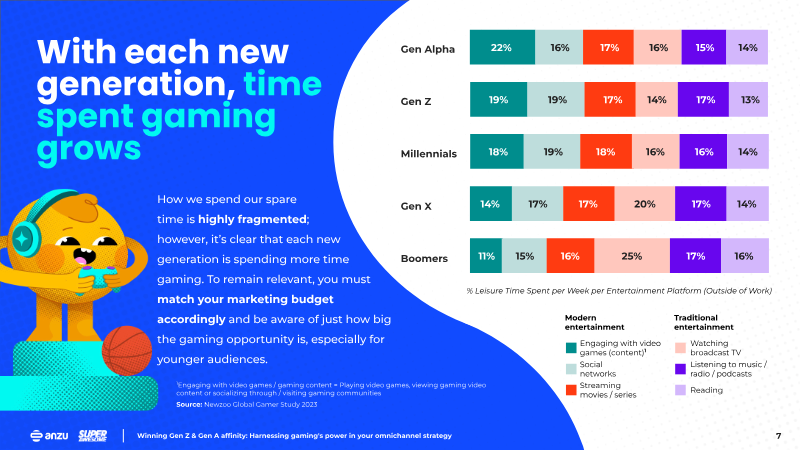
The kids’ gaming sector, defined as content for children ages 4 to 12, is undergoing a strategic shift as industry players move to capture the critical early childhood window before users transition to user-generated content (UGC) platforms like Roblox. While traditional publishers previously dominated this space, the market has recently seen renewed interest from specialist studios, big tech firms, and private equity investors. The primary thesis is that the future of this subsector lies in subscription-based models that bundle recognizable, safe intellectual property into curated, ad-free, and IAP-free environments, effectively catering to parents who act as the primary gatekeepers and purchasers.
The market is characterized by a unique dynamic where engagement is high but monetization is deliberately constrained. For instance, while leading titles like Toca Boca World achieve massive scale with 50 million monthly active users, they face significant monetization challenges, with average year-to-date ARPDAU significantly lower than traditional free-to-play titles. Because children under eight rely on parents for content selection, licensing serves as a vital trust indicator. Consequently, platforms like Netflix and Apple Arcade have evolved into primary distributors, using kids’ gaming as a tool for subscriber retention rather than direct incremental revenue.
Specialist developers like Budge Studios face a strategic crossroads: they must decide whether to act as arms dealers by licensing content to large aggregators or to consolidate their own portfolios into unified, cross-franchise subscription passes. This transition is further accelerated by increasing regulatory and legal scrutiny regarding manipulative in-game marketing tactics aimed at children. Ultimately, the sector is moving toward a model where established tech giants with existing family billing relationships hold a distinct competitive advantage, forcing independent studios to either align with these platforms or risk obsolescence in an increasingly consolidated landscape.
 NetflixCompany · United States · founded 1997 · 362 documents
 RobloxCompany · Game company · 766 documents
 NintendoCompany · Japan · founded 1889 · 1,376 documents
 AppleCompany · United States · founded 1976 · 1,427 documents
The games and companies this document names on the inner ring, other documents about them on the outer one. Select a cover to see it up close and open it in a new tab; drag to move, pinch or Ctrl + scroll to zoom.

Naavik · 2026
Anzu · 2026