1 free read left. Create a free account for unlimited reading + AI research.
Create free accountArticle Journal of Games Criticism
1 free read left. Create a free account for unlimited reading + AI research.
Create free accountArticleJournal of Games Criticism
Distilling the key insights…
Pokémon GO has undergone a significant transformation since its 2016 launch, evolving from a spontaneous, community-driven phenomenon into a structured, habitual service model. An analysis of 1,741 Finnish players surveyed in 2019 reveals that while frequent content updates and expanded social features have successfully fostered long-term engagement, they have simultaneously introduced substantial friction. The game’s transition into a complex, demanding service has created a contested relationship between the developer and its user base, characterized by a shift from casual exploration to a routine-based experience that many players now perceive as a burdensome obligation.
The data highlights a clear trend toward aggressive monetization and increased player investment. The proportion of paying players rose sharply from 37.7% in 2016 to 71.2% by 2019, reflecting the game’s move toward a more intensive service-based economy. However, this financial success is tempered by growing player frustration regarding the labor required to maintain progress. Content and gameplay mechanics remain the primary drivers of user experience, yet these elements now frequently induce feelings of exhaustion and social anxiety. The implementation of forced socialization and constant feature updates has created significant barriers for casual users, effectively alienating segments of the original community.
Ultimately, the findings suggest that the games-as-a-service model faces inherent sustainability challenges when balancing constant content delivery with the evolving habits of a solidified player base. While the game remains highly profitable, the transition toward a more demanding, high-pressure environment risks long-term retention. The study concludes that the current trajectory forces a difficult trade-off between maintaining a dedicated, strategic core of players and preserving the accessibility that initially defined the game’s global appeal.
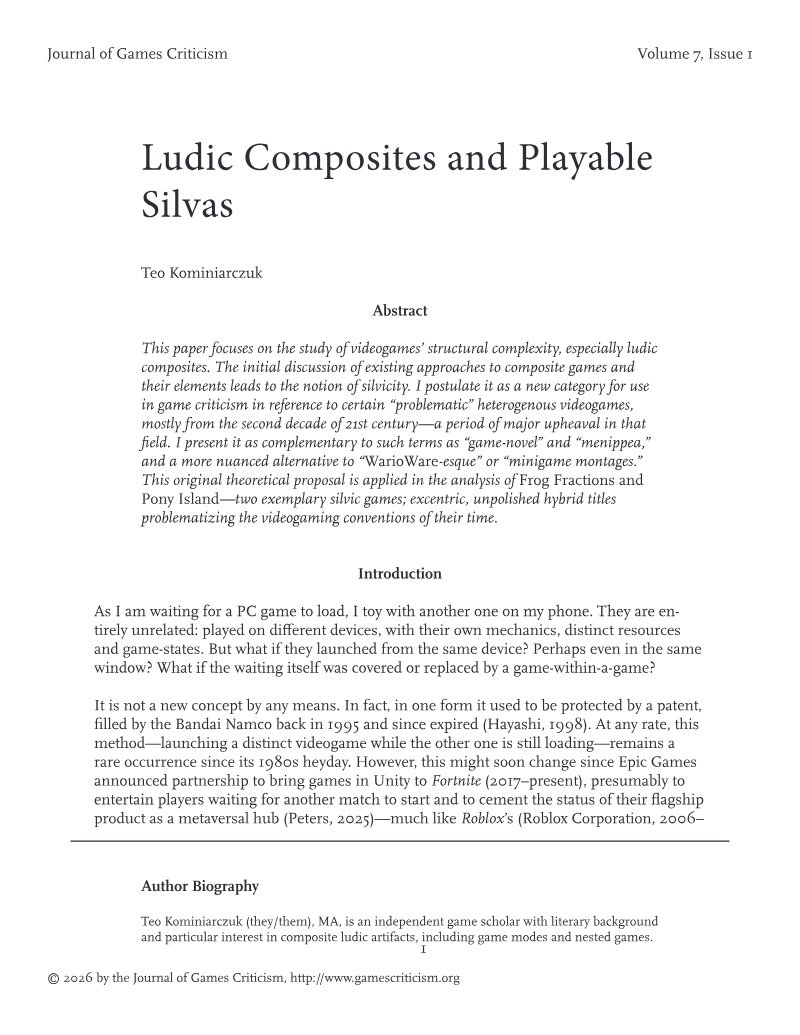
Each row is a game or company this document names, each column a document, oldest first. A mark means that document names it. Select a row to see those documents.
Journal of Games Criticism · 2026
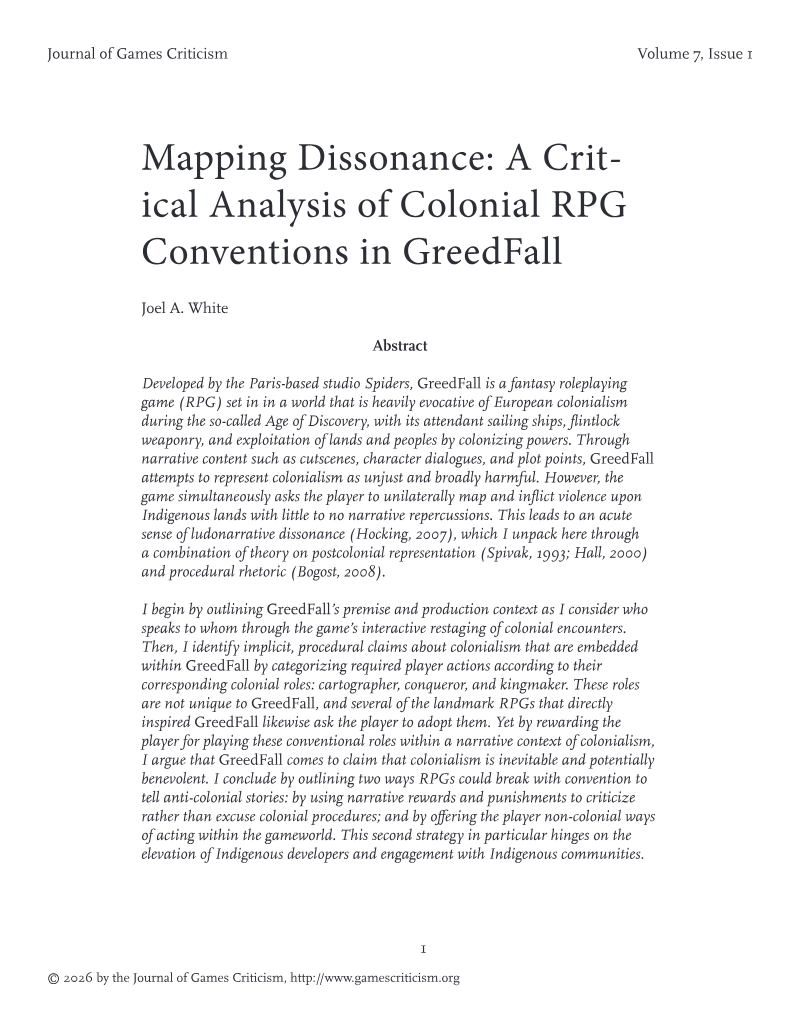
Journal of Games Criticism · 2026
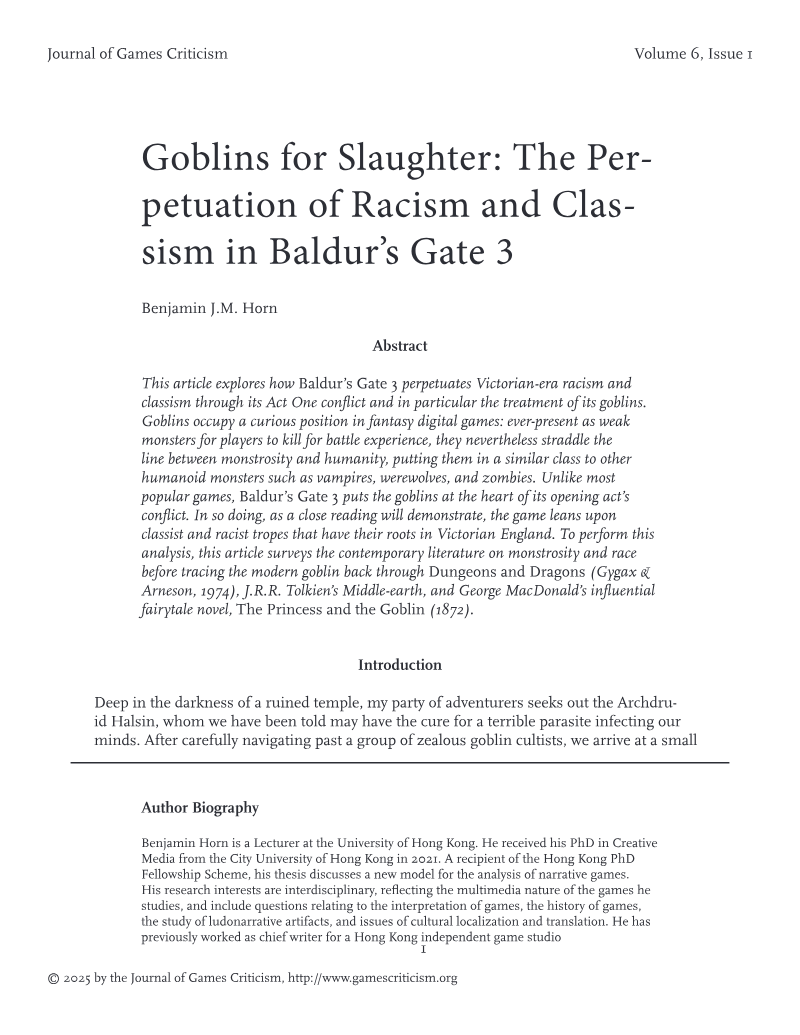
Journal of Games Criticism · 2025
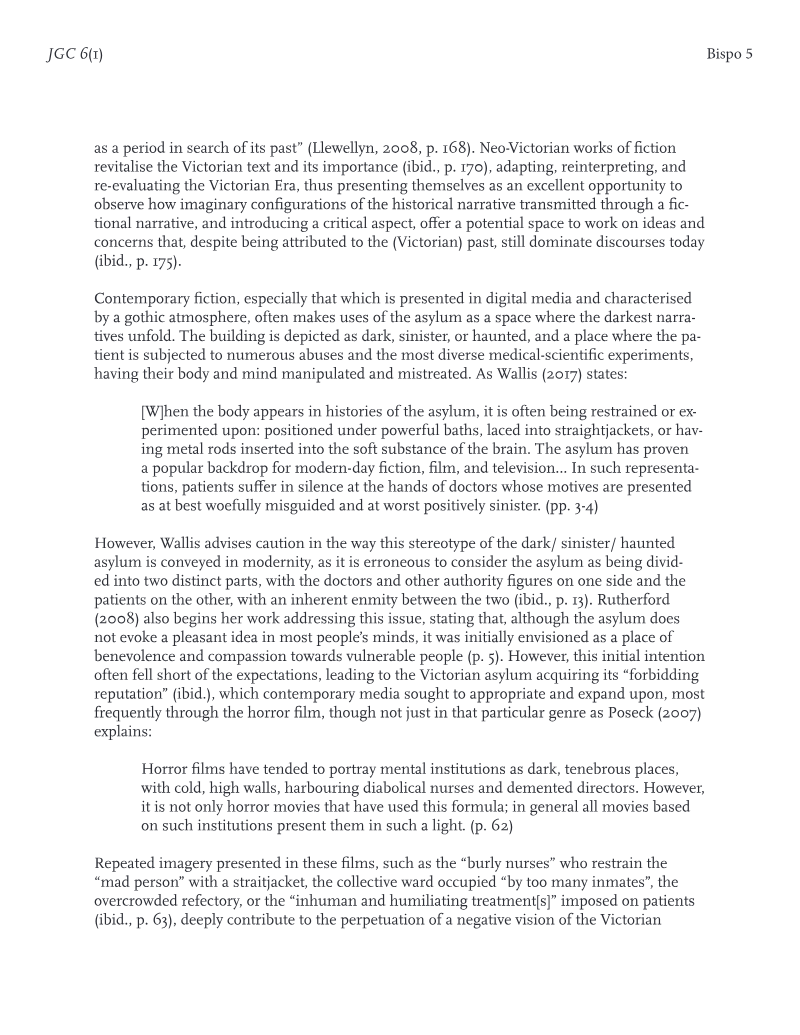
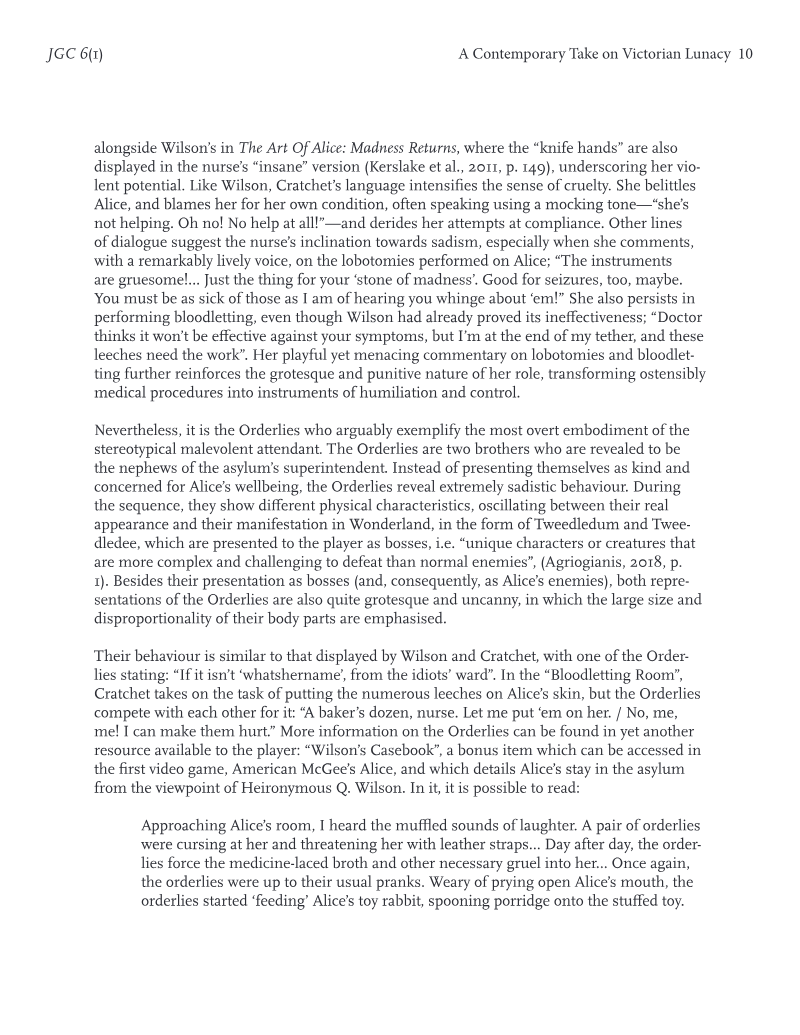
Journal of Games Criticism · 2025
Journal of Games Criticism · 2025
Journal of Games Criticism · 2025

Journal of Games Criticism · 2024
Journal of Games Criticism · 2024

Journal of Games Criticism · 2024
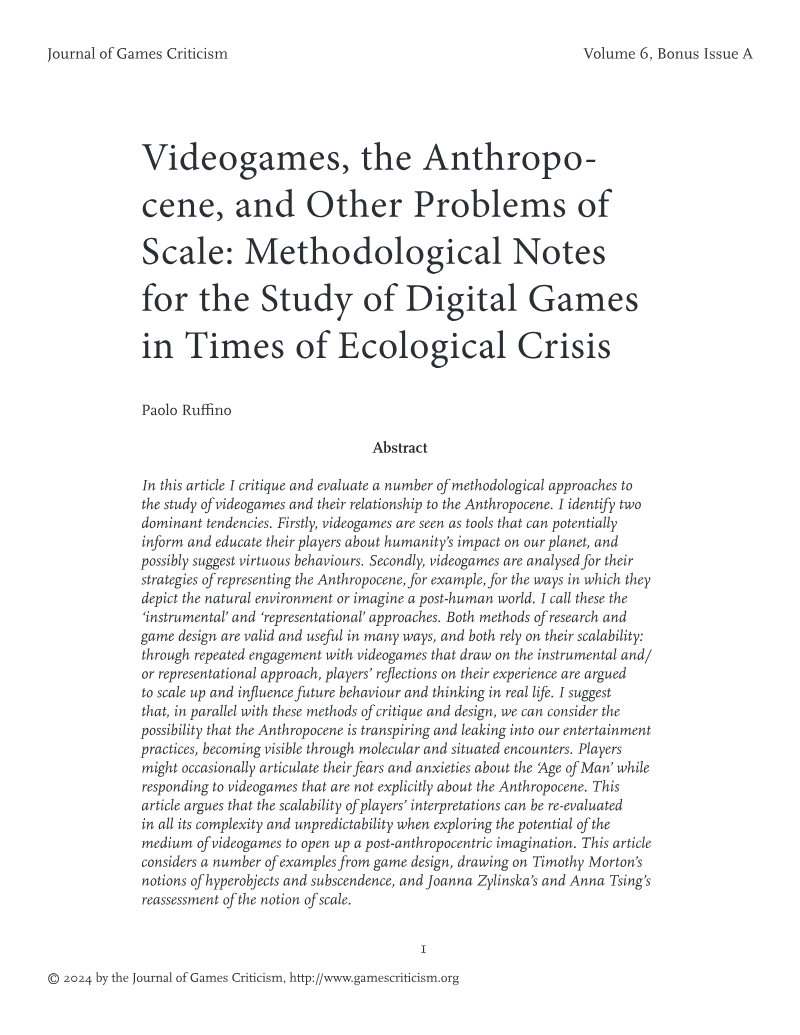
Journal of Games Criticism · 2024
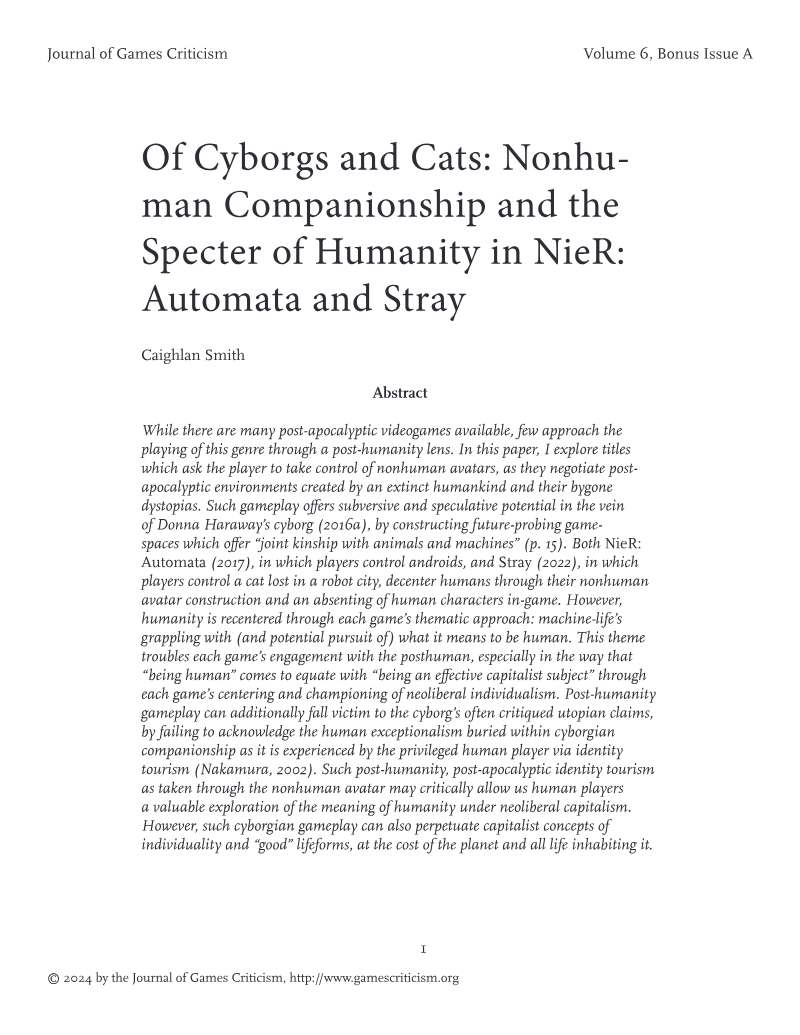
Journal of Games Criticism · 2024

Journal of Games Criticism · 2024
DiGRA · 2005