1 free read left. Create a free account for unlimited reading + AI research.
Create free accountWhitepaper Bina Nusantara University
1 free read left. Create a free account for unlimited reading + AI research.
Create free accountWhitepaperBina Nusantara University
This principle, where the brain completes incomplete visual elements, is a pedagogical tool. It improves spatial-analytical logic and mathematical reasoning in children.
It's like seeing a few dots and knowing it's a triangle, even if the lines aren't fully drawn.
Key mechanism. The Gestalt closure principle helps children's brains perceive incomplete elements as a unified whole, boosting cognitive skills.
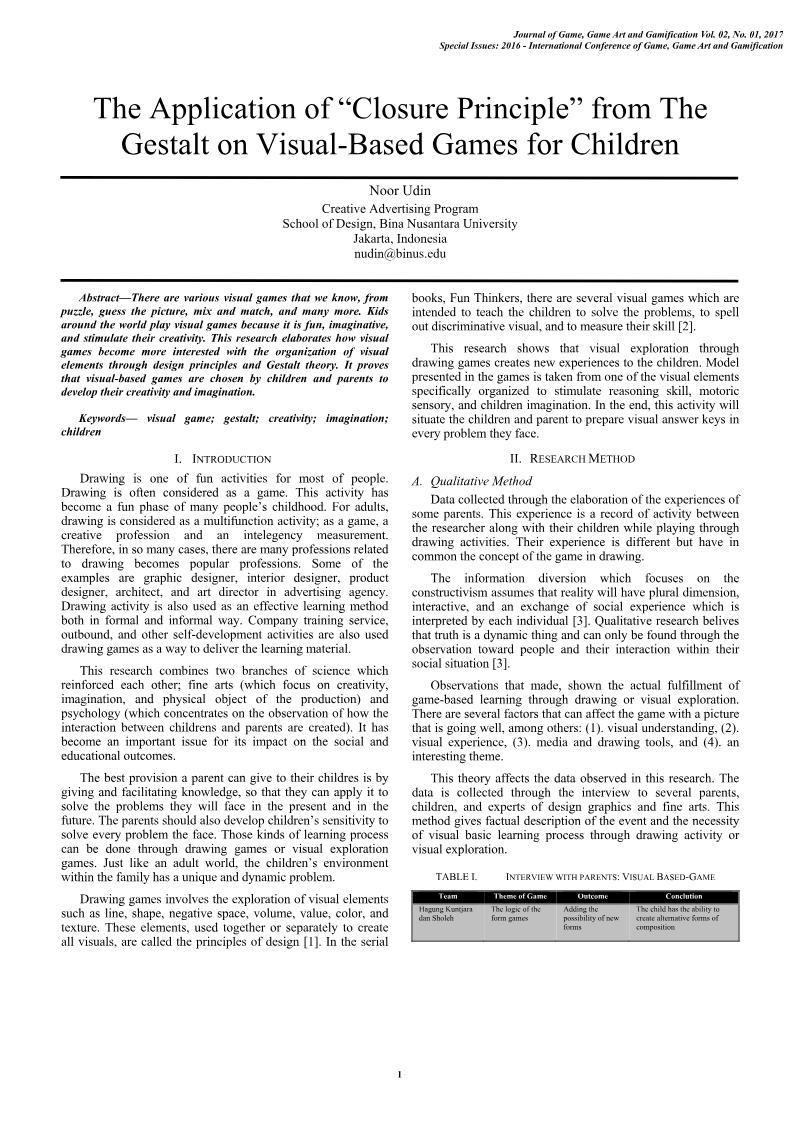
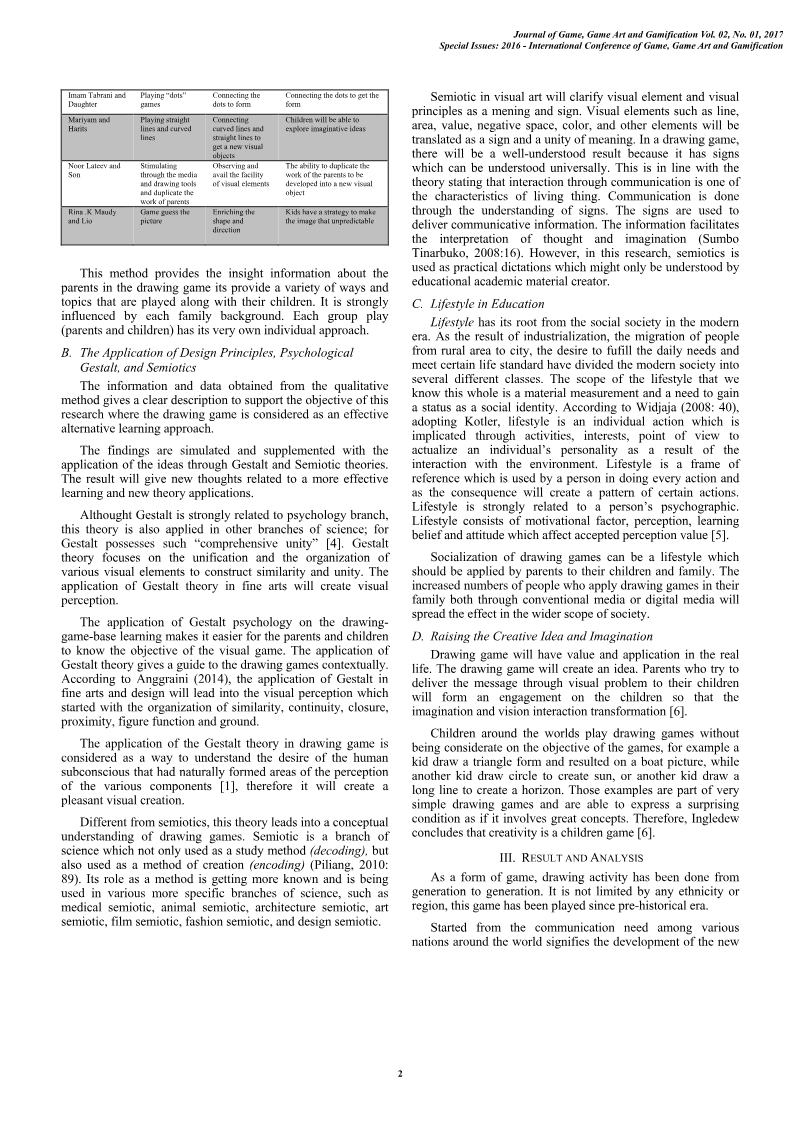
This research examines the integration of Gestalt psychology and design principles into visual-based games to enhance children’s creativity, reasoning, and problem-solving skills. The primary thesis posits that structured visual exploration, particularly through the application of the Gestalt closure principle, serves as an effective pedagogical tool that helps children develop the cognitive flexibility required to navigate complex real-world challenges. By organizing visual elements such as lines, shapes, sizes, and colors, parents can facilitate meaningful learning experiences that transcend simple play.
The study employs a qualitative methodology, utilizing interviews with parents, children, and design experts to observe the impact of drawing-based games on child development. Findings indicate that these activities foster spatial-analytical logic and mathematical reasoning. Specifically, the closure principle—which encourages the brain to perceive incomplete elements as a unified whole—enables children to transform basic visual inputs into complex, imaginative concepts. The research highlights that when parents actively participate in these visual games, they strengthen social bonds and provide children with a framework for interpreting signs and symbols, effectively preparing them to construct visual answer keys for future problems.
The scope of the research is centered on the intersection of fine arts and developmental psychology, with a focus on family-based learning environments. The analysis concludes that drawing is not merely a recreational activity but a sophisticated form of creative transformation. By treating visual exploration as a deliberate educational practice, parents can cultivate a generation that is more responsive, sensitive to their surroundings, and capable of generating innovative solutions. Ultimately, the systematic application of design principles in play serves as a vital bridge between early childhood development and the broader demands of modern, visual-centric civilization.
Bina Nusantara University · 2026
Bina Nusantara University · 2025
Bina Nusantara University · 2024
Bina Nusantara University · 2023
Bina Nusantara University · 2023
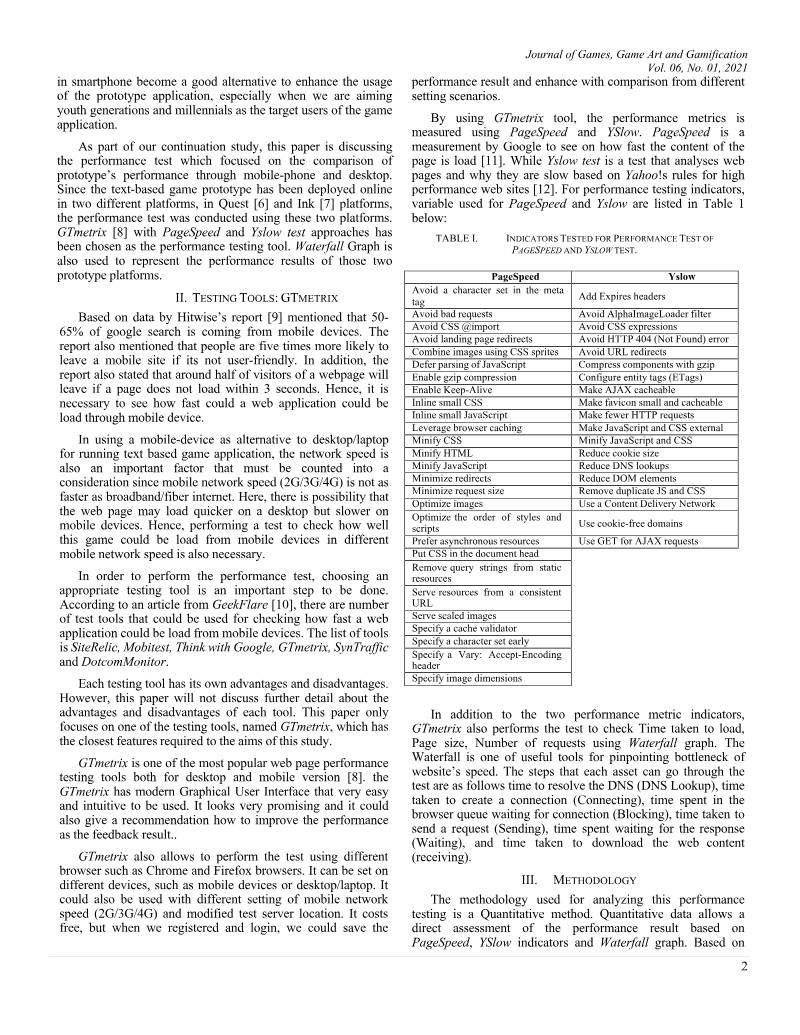
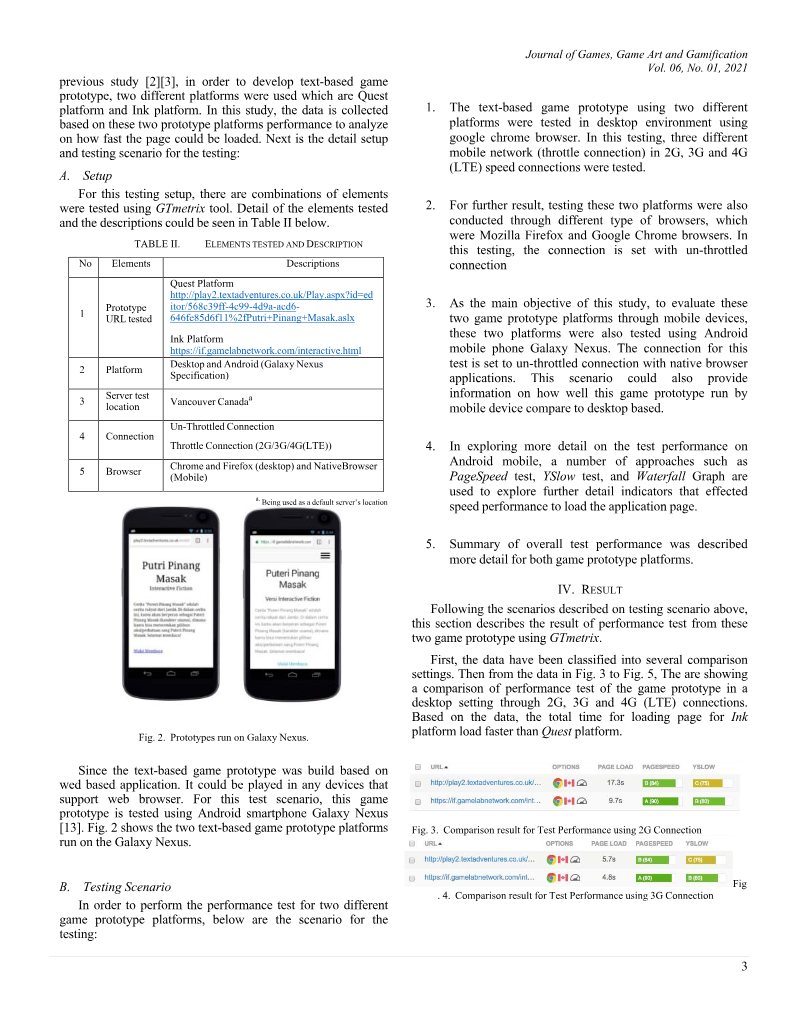
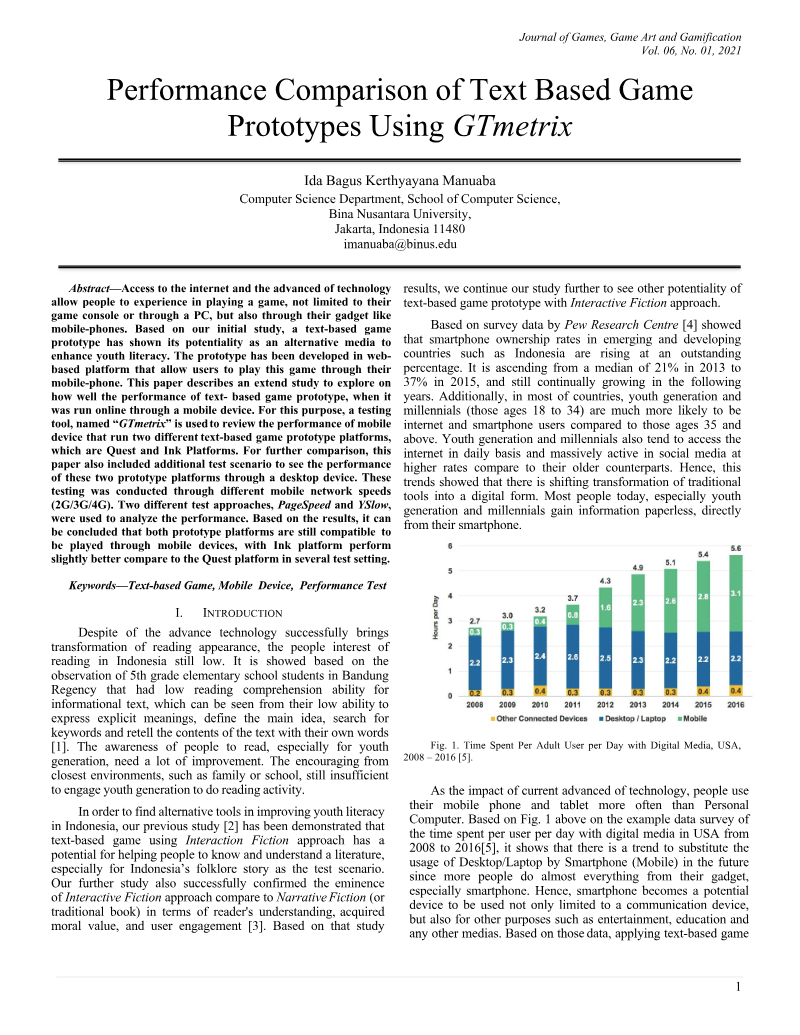
Bina Nusantara University · 2021
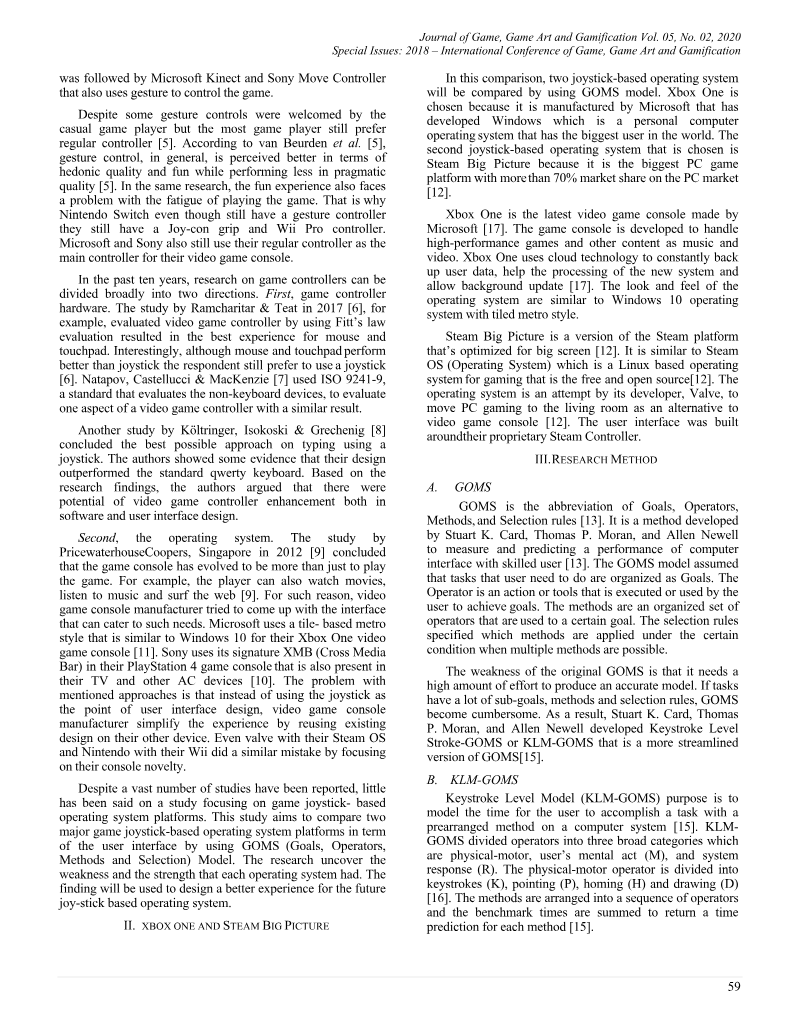
Bina Nusantara University · 2021
Bina Nusantara University · 2021
Bina Nusantara University · 2021
Bina Nusantara University · 2021
Bina Nusantara University · 2021
Journal of Games, Game Art, and Gamification · 2021
Universitas Bina Nusantara · 2021



European Conference on Games Based Learning (ECGBL) · 2026
European Conference on Games Based Learning (ECGBL) · 2026