Key insights
6 slides
Current methods
Traditional teaching methods are increasingly insufficient for modern student engagement.
New approaches are needed to stimulate academic performance.
1 / 6
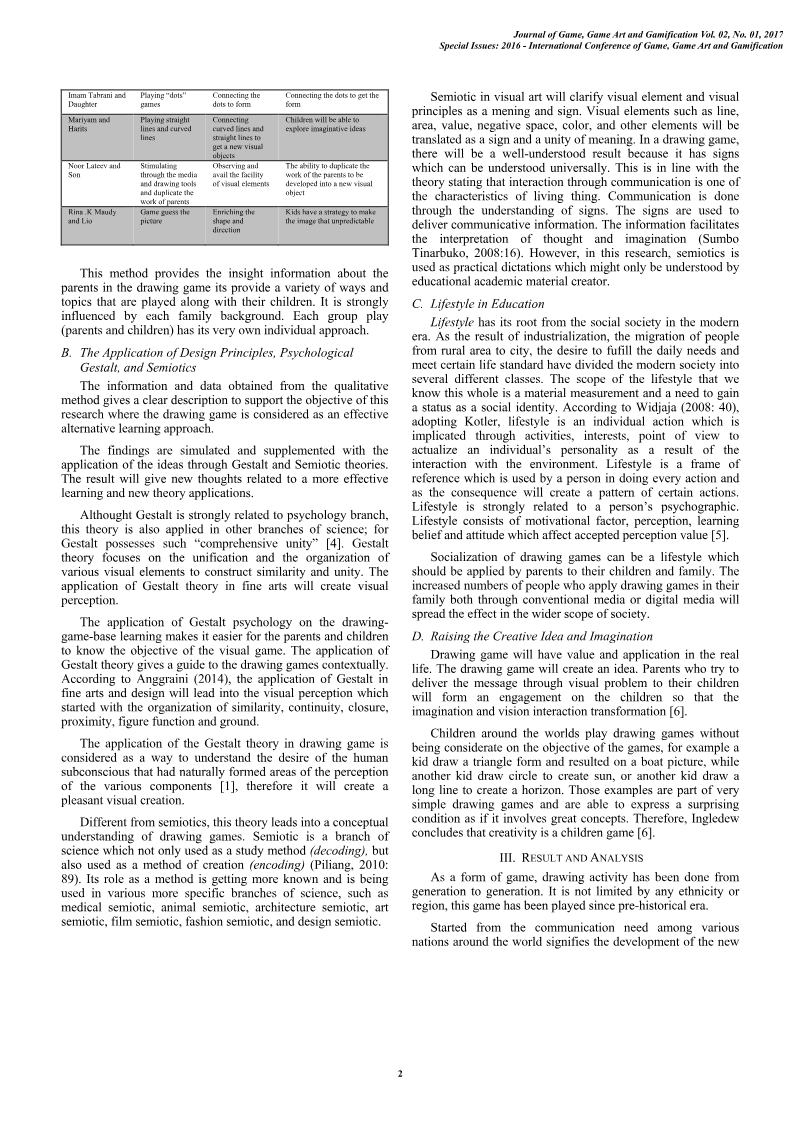
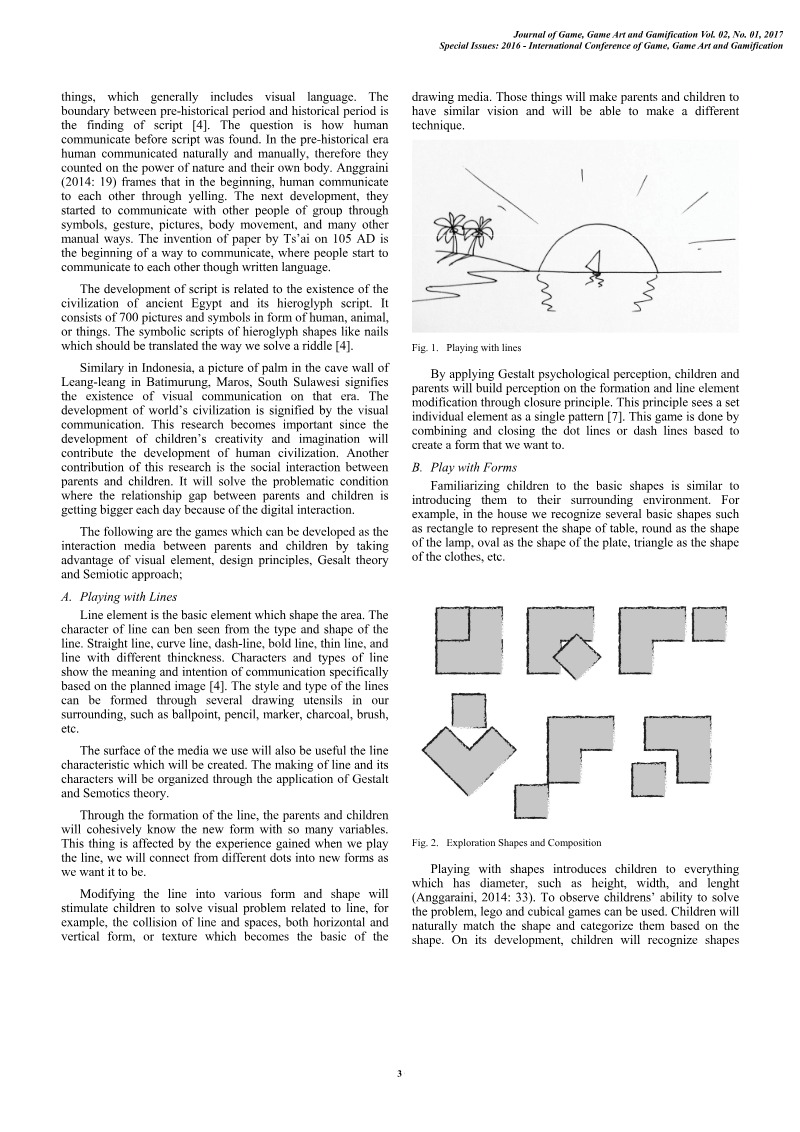
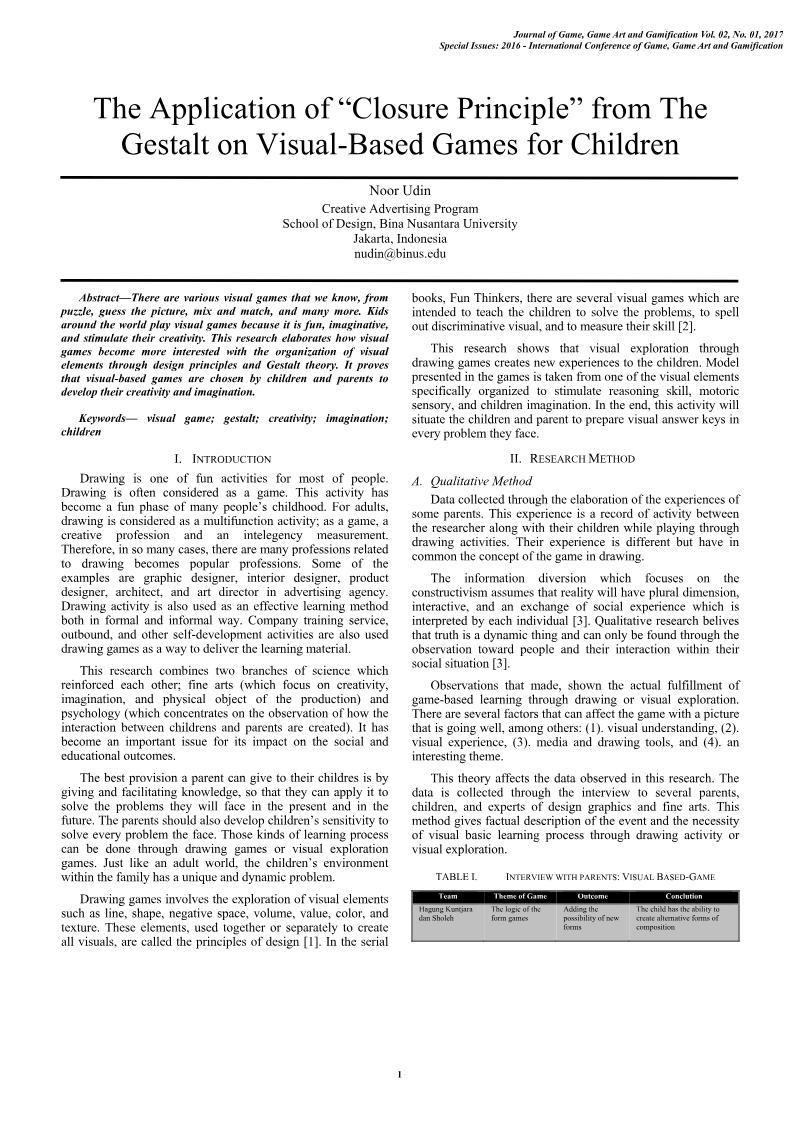
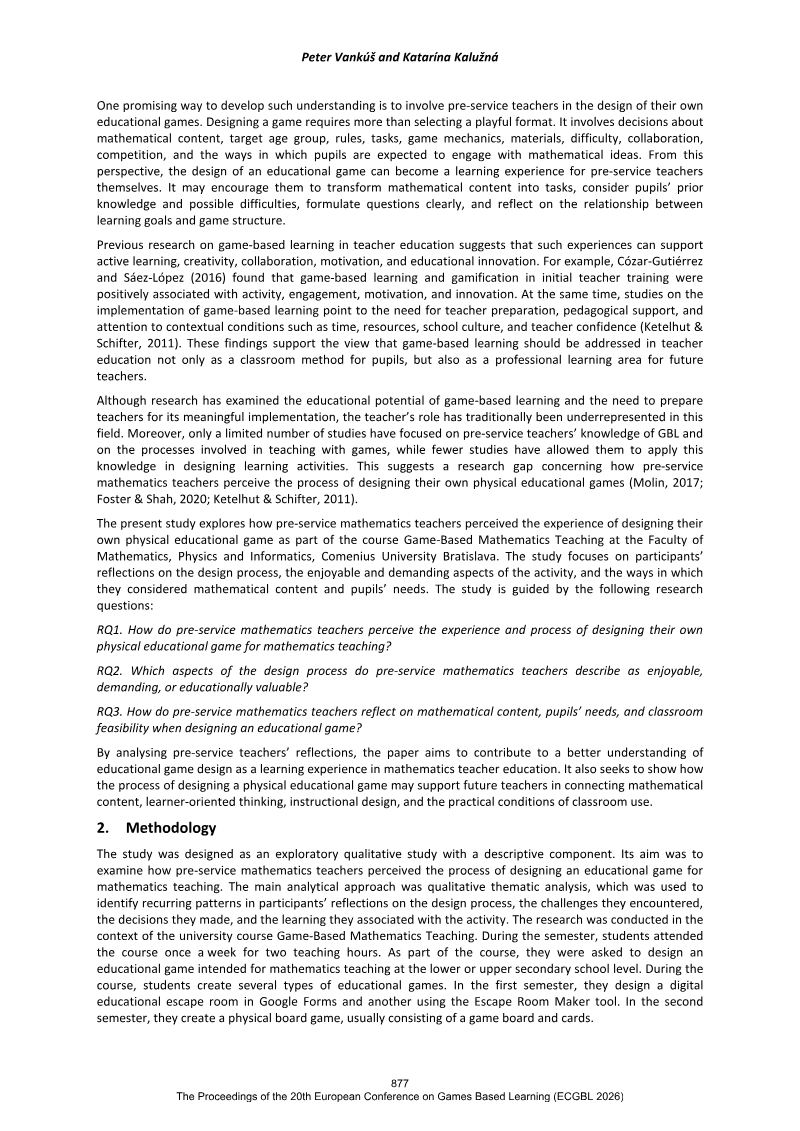
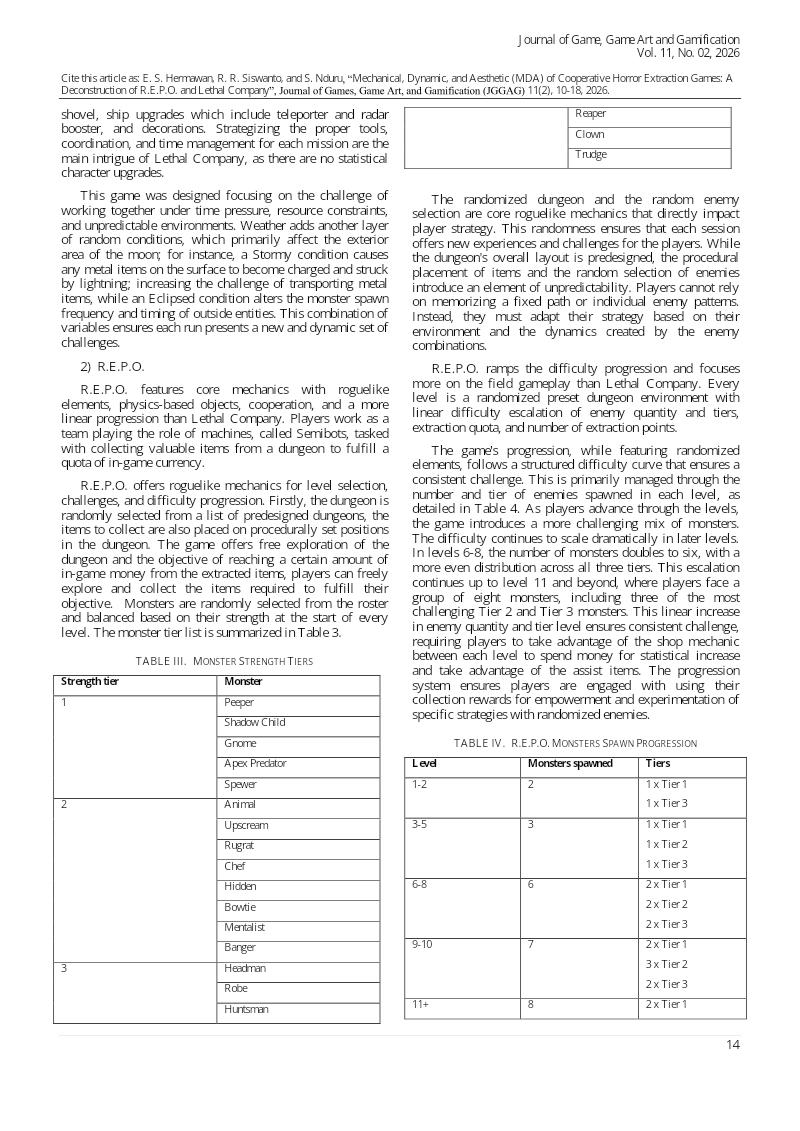
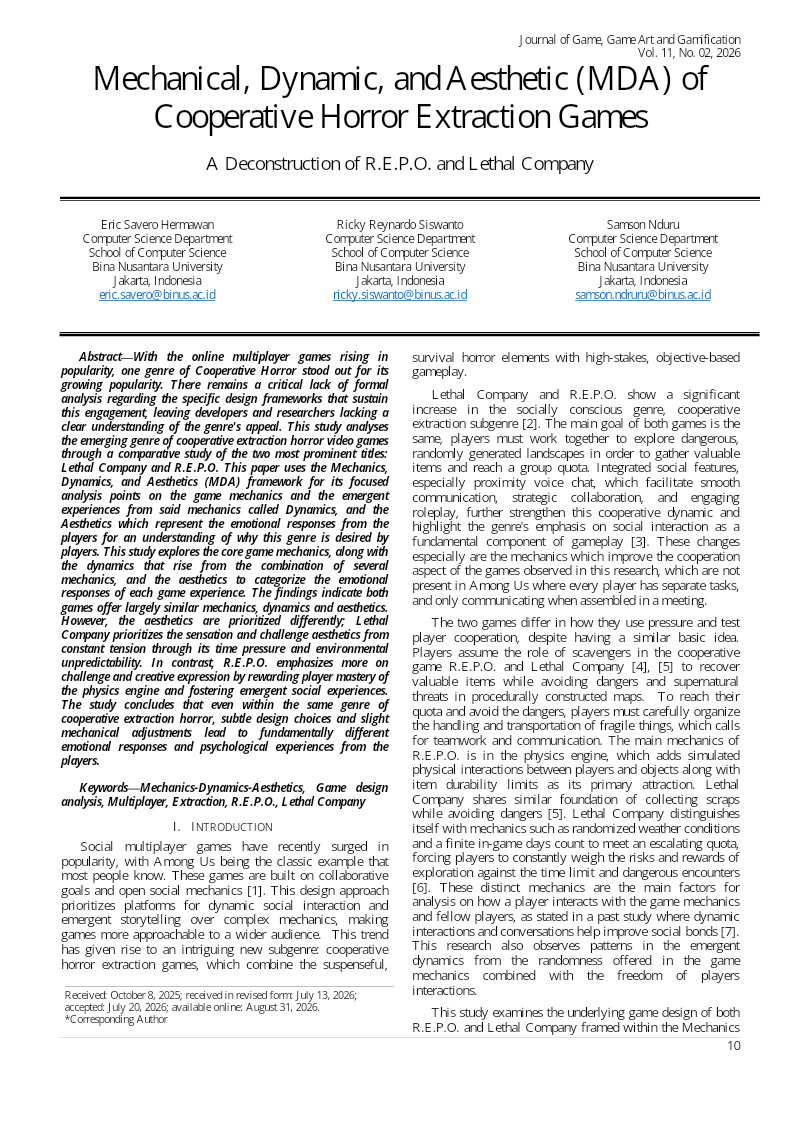
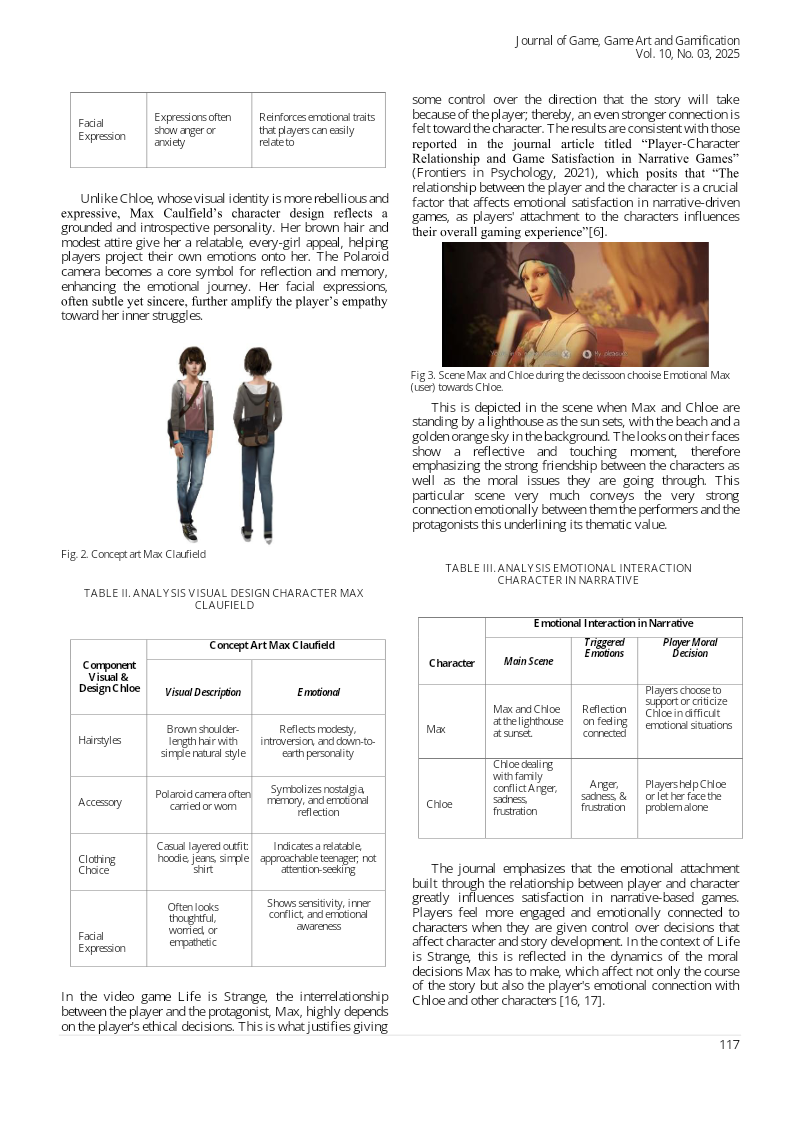
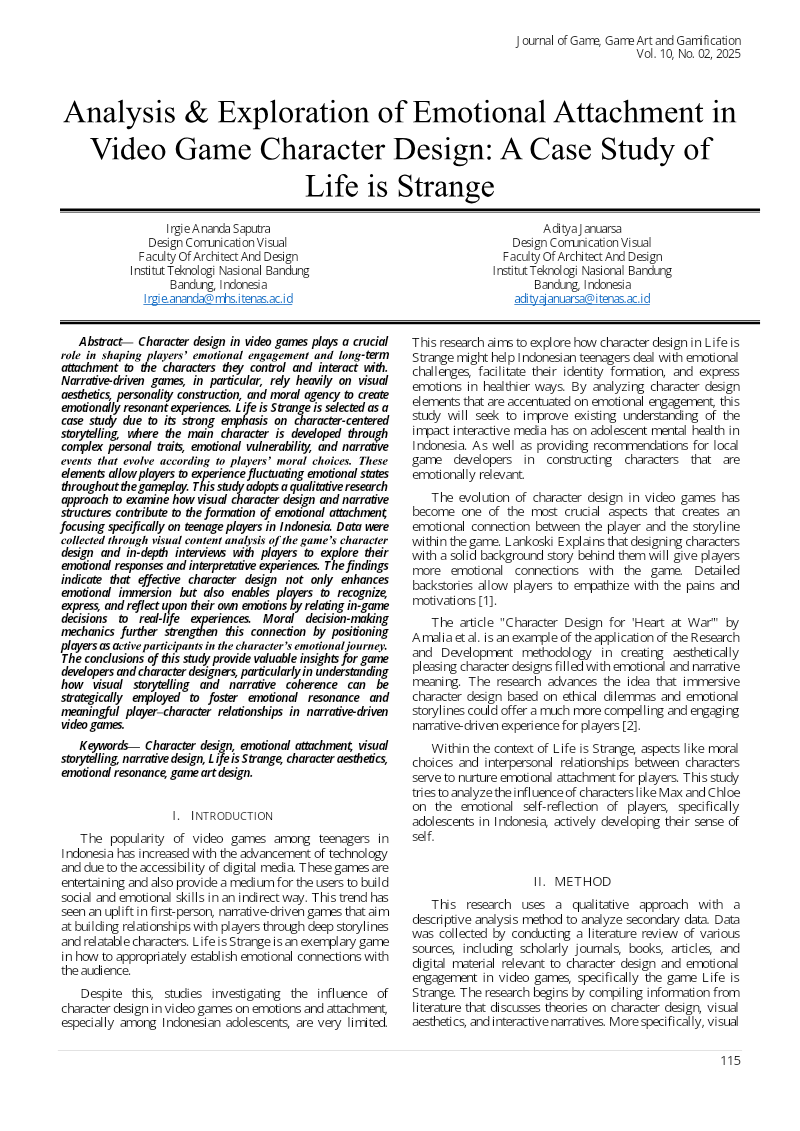
- 01A study of 65 high school students at Bina Nusantara University confirms that gamified learning significantly improves creative problem-solving capabilities, including fluency, flexibility, and originality.See it on page 2
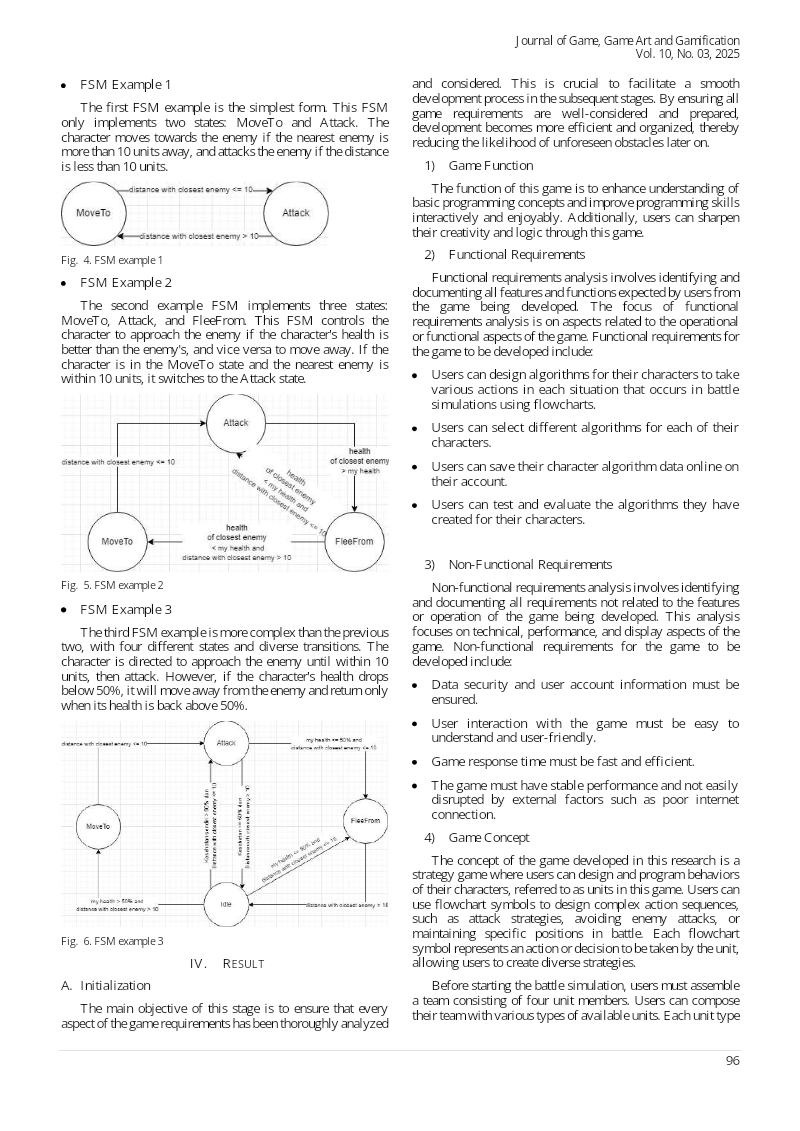
- 02Statistical analysis using Two-Way ANCOVA demonstrates that students in gamified environments consistently outperform control groups, indicating that gamification accounts for a substantial portion of the variance in academic success.See it on page 4
- 03Gamification serves as a scalable pedagogical framework to modernize curricula and address the limitations of traditional teaching methods in fostering critical thinking.See it on page 1
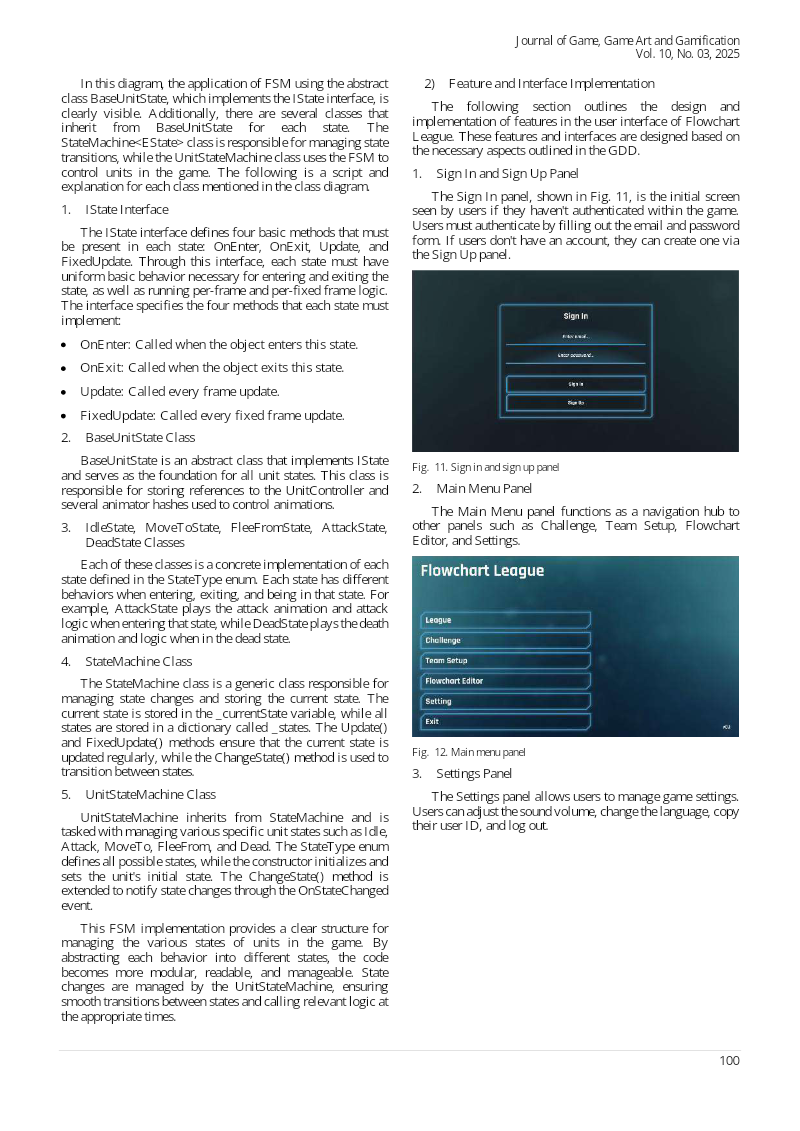
- 04The integration of game-based mechanics is specifically recommended for secondary education settings to revitalize classroom dynamics and enhance cognitive attainment.See it on page 6
- 05The research validates that moving beyond conventional instruction toward immersive, game-based experiences directly correlates with higher levels of creative performance in students.See it on page 6
Ask AI about this report
Summary
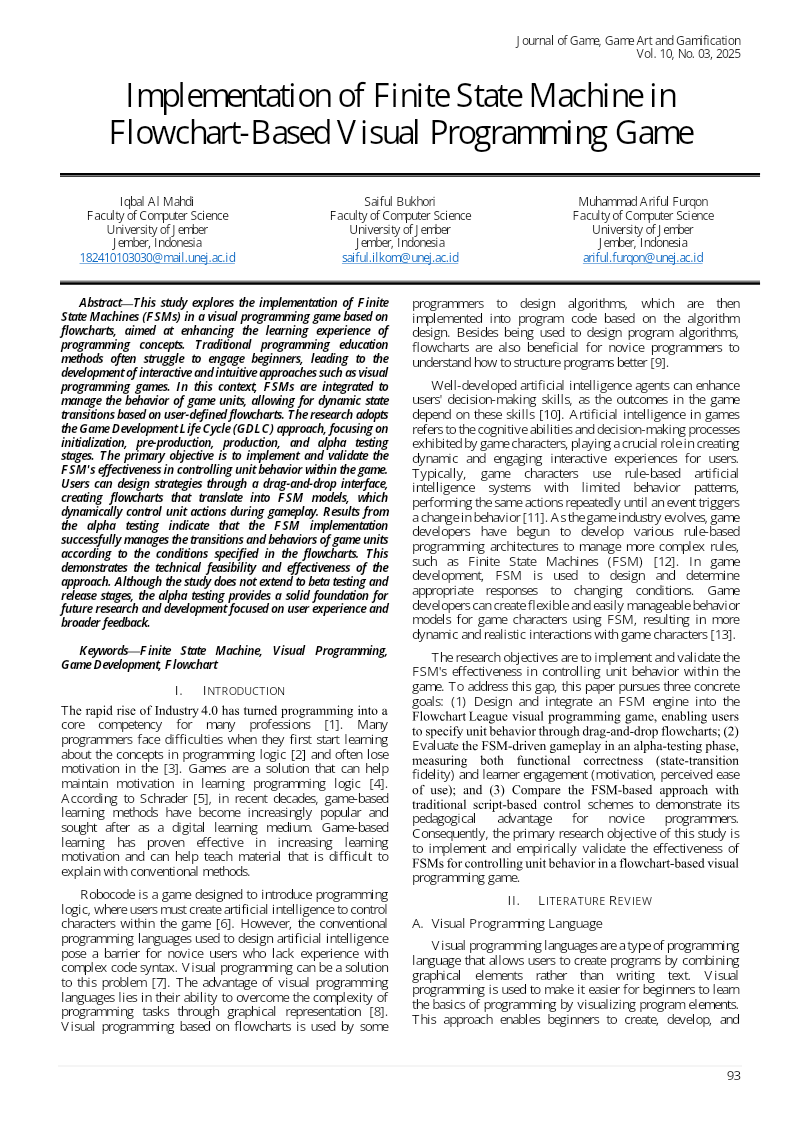
Gamification serves as a highly effective pedagogical framework for enhancing the creative problem-solving capabilities of high school students. By integrating game-based mechanics into educational environments, educators can foster significant improvements in cognitive attainment, specifically regarding fluency, flexibility, and originality. The core thesis posits that traditional teaching methods are increasingly insufficient for modern student engagement and that gamification provides a necessary, structured approach to stimulate critical thinking and academic performance.
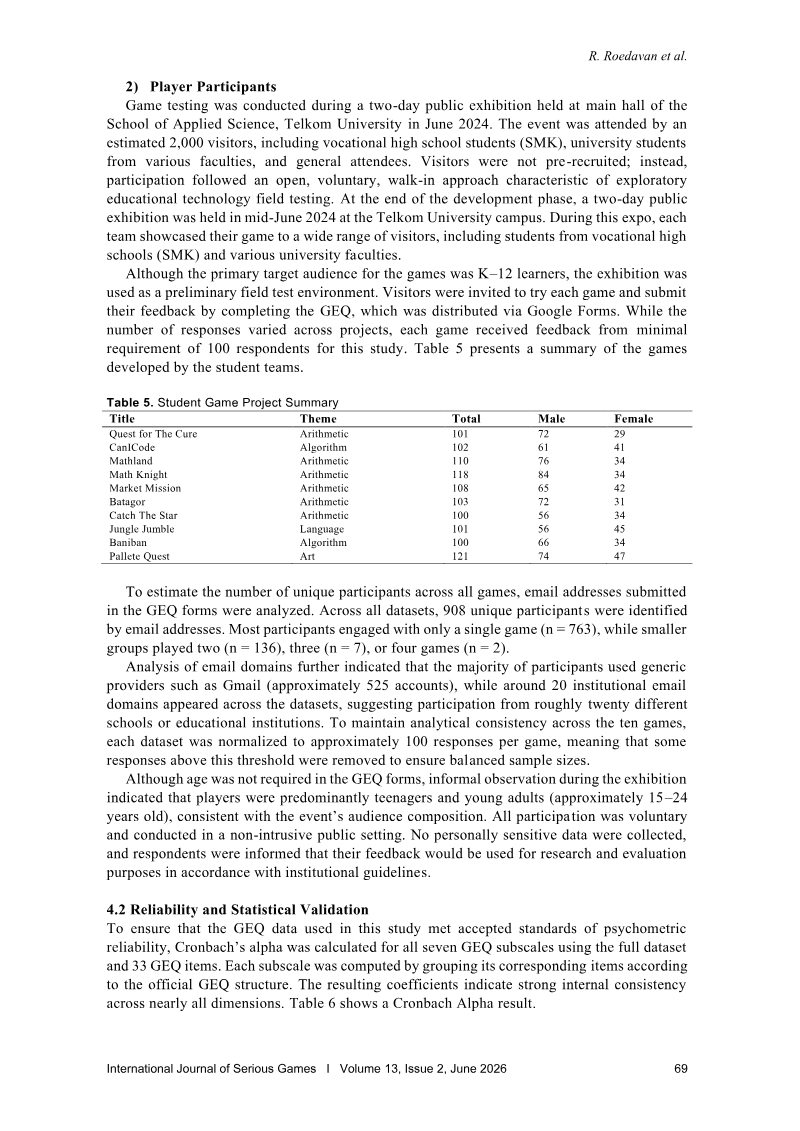
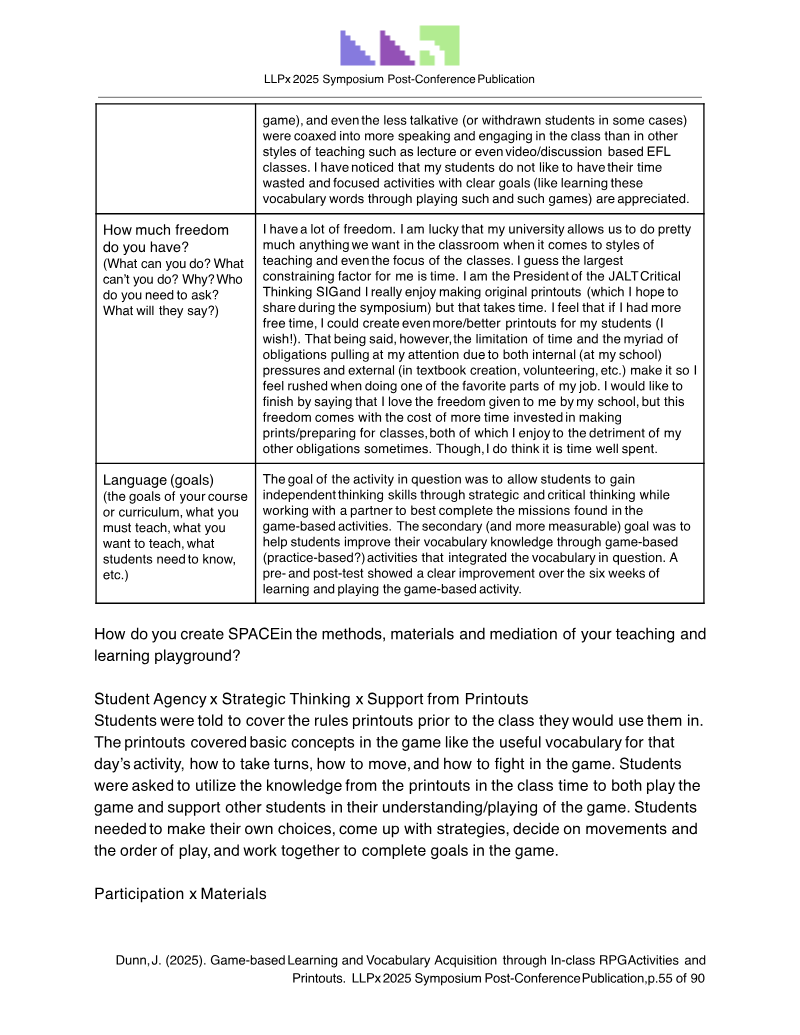
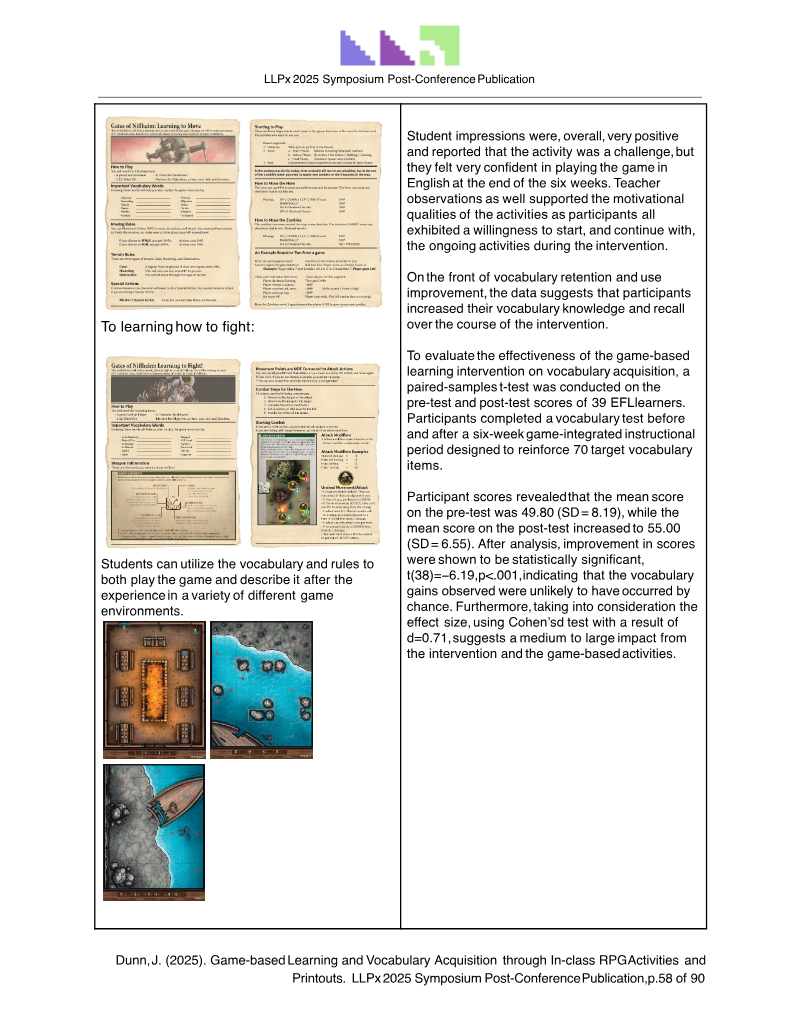
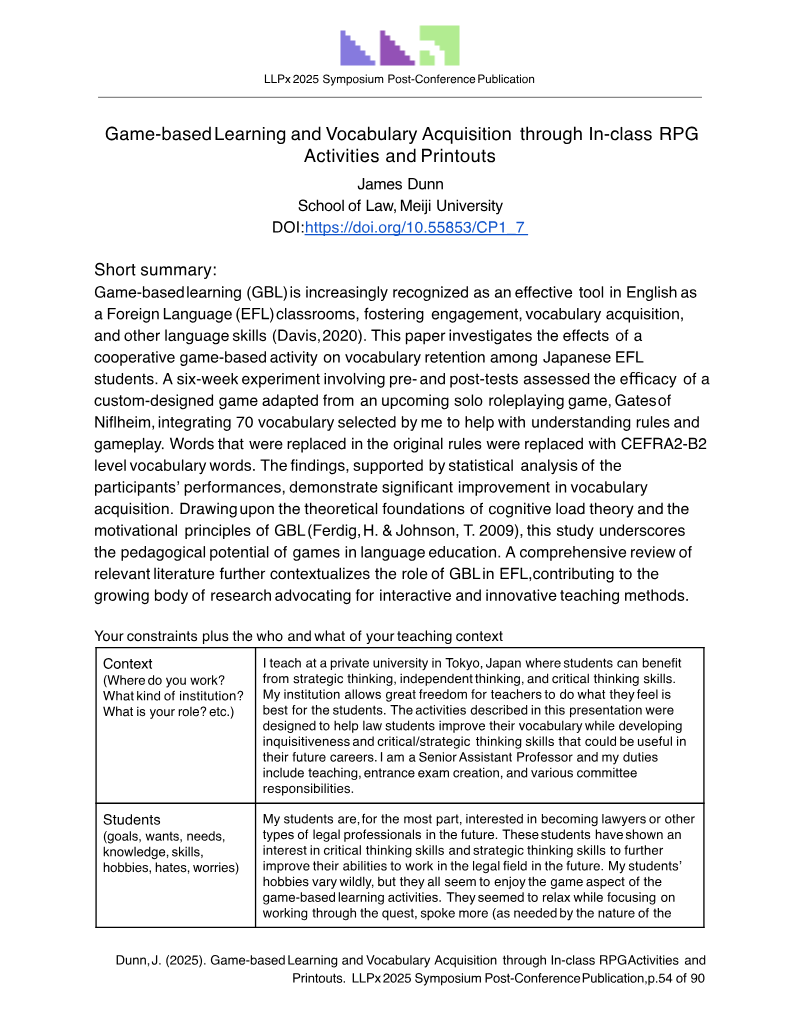
Empirical evidence derived from a study of 65 high school students at Bina Nusantara University confirms these benefits. Statistical analysis using Two-Way ANCOVA indicates that students exposed to gamified learning environments consistently outperform their peers in control groups. These findings suggest that gamification accounts for a substantial portion of the variance in student success, validating its utility as a modern instructional tool. The research draws upon established pedagogical foundations from the late 20th and early 21st centuries, which emphasize the importance of specialized teaching methodologies for developing creative potential.
Given these results, faculty members are encouraged to adopt gamification strategies to revitalize classroom dynamics and improve student outcomes. By moving beyond conventional instruction, educators can create more immersive learning experiences that directly translate into higher levels of creative performance. This approach is particularly relevant for secondary education settings where fostering critical thinking is essential for long-term academic and cognitive development. Implementing these methods offers a scalable solution for institutions seeking to modernize their curricula and better prepare students for complex problem-solving challenges.