PocketGamer.biz
1 free read left. Create a free account for unlimited reading + AI research.
Create free account
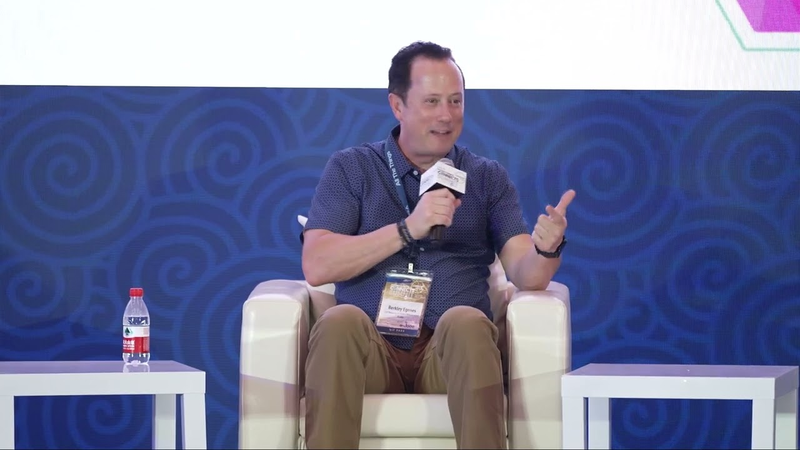
so my name is paul bowen i'm the vice president of europe for tap joint tap joy is the leading virtual currency monetization platform we have an advertising solution that allows game developers to acquire new users so i came to pocket gamer to understand more about where the industry's at i don't know much about the east um about apac so that's been a really interesting part of the conference here definitely came from the indie developers and there's a ton of those here so really just to meet people and understand where the industry is 2014 so so today pg connects has allowed me to understand really what it's like to launch things in china japan in korea
from the west and converting eastern audiences so that's been really interesting i've learned how tough it is for the indian development community so that's been really interesting that's that's allowed me to go away with some thoughts on the context about about how we can help those communities so so tattoo the trends that i see over 2014 are i see increasingly out we see we'll see the top grossing charts being being completely taken over by a number of fewer number of publishers um so the bigger guys are just going to get bigger
and bigger networks and so indie developers are going to find it harder and harder to get into into those charts i think we'll see acquisition costs rising over the year over over the course of the year um as more and more game developers come into the space but also as other other types of um other types of advertisers i think that's going to push up prices for game development as well as competition you
The mobile gaming industry faces a period of significant consolidation and rising financial barriers throughout 2014. Market dominance is increasingly concentrated among a small group of major publishers, making it progressively difficult for independent developers to secure visibility within top-grossing charts. This trend suggests a shift toward a winner-take-all environment where large-scale entities leverage their resources to solidify their market position at the expense of smaller studios.
User acquisition costs are projected to climb steadily as the year progresses. This inflationary pressure is driven by two primary factors: the continuous influx of new game developers entering the mobile space and the growing presence of non-gaming advertisers competing for the same digital inventory. As competition for ad space intensifies, the cost of acquiring players will inevitably rise, further straining the budgets of indie developers who lack the capital of larger competitors.
Beyond domestic market dynamics, developers are increasingly focused on the complexities of international expansion, particularly regarding the challenges of launching and monetizing products in Asian markets such as China, Japan, and South Korea. Successfully converting audiences in these regions requires a nuanced understanding of local preferences and market structures, which remains a significant hurdle for Western developers. Addressing these challenges is essential for studios looking to diversify their reach, though the high barrier to entry reinforces the broader trend of market saturation and rising operational costs across the global mobile ecosystem.
The games and companies this document names on the inner ring, other documents about them on the outer one. Select a cover to see it up close and open it in a new tab; drag to move, pinch or Ctrl + scroll to zoom.

PocketGamer.biz · 2026

PocketGamer.biz · 2026

PocketGamer.biz · 2026

PocketGamer.biz · 2026

PocketGamer.biz · 2026

PocketGamer.biz · 2026

PocketGamer.biz · 2026

PocketGamer.biz · 2026

PocketGamer.biz · 2026

PocketGamer.biz · 2026

PocketGamer.biz · 2026

PocketGamer.biz · 2026
Two & a Half Gamers · 2026