This analysis explores the evolving relationship between the video game industry and Hollywood, arguing that gaming is transitioning from a secondary media category to the primary driver of modern entertainment. Historically, film adaptations of games were financial failures; between 2000 and 2010, production budgets averaged $52 million while resulting in an average loss of 23%. However, since 2010, the market has shifted significantly. Average production budgets have risen 46% to $77 million, while profitability has surged by 95%, yielding an average of $150 million per film.
Despite this financial success, the thesis posits that the games industry suffers from cultural insecurity, often viewing film and television as a "higher" form of validation. This is evidenced by high-profile industry figures seeking proximity to traditional celebrity culture and major publishers like Take-Two and Activision Blizzard expanding into transmedia partnerships with Netflix and LEGO. The analysis contends that these adaptations often diminish the source material, reducing 80-hour interactive experiences into static narratives that prioritize "spoiler" reveals over the deep mythology established by the games.
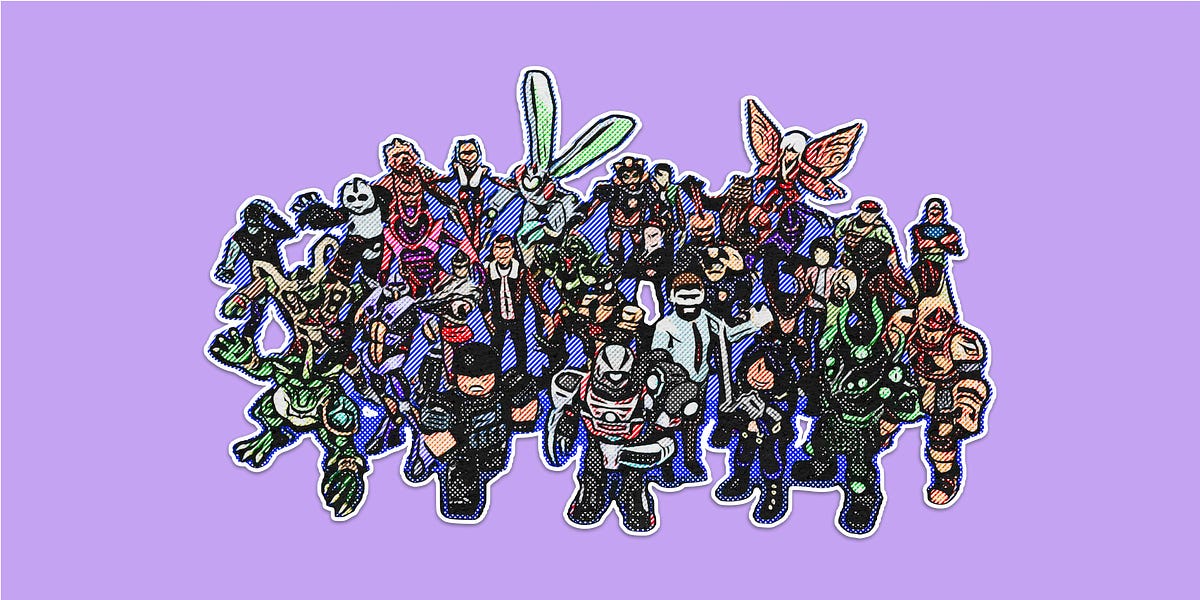
The scope of the discussion extends to the emerging metaverse, where the author suggests that gaming-native franchises are better positioned for success than Hollywood IP. Unlike the rigid control of film studios, the inherent playfulness and messy interactivity of platforms like Fortnite allow for a more organic evolution of intellectual property.
The document concludes with a financial summary of major industry players as of early 2022. Key data points include Ubisoft’s $843 million quarterly revenue (down 25% year-over-year) and Embracer Group’s massive 135% revenue growth to $545 million following an aggressive acquisition strategy. These figures underscore a robust, albeit volatile, gaming economy that increasingly dictates the terms of the broader entertainment landscape.