
ArticleSuperJoost
Video Games and the Anxious Generation: Thoughts on a New Strategic Frontier
2 May 2024~7 min full read
This analysis examines the intersection of interactive entertainment and adolescent mental health, specifically responding to Jonathan Haidt’s thesis regarding the "Great Rewiring of Childhood." The central discussion revolves around whether video games are a primary driver of the rising rates of anxiety, depression, and social isolation among Gen Z, particularly young men. While acknowledging that the industry has moved into uncharted territory with the doubling of multiplayer monthly active users to 1.6 billion over the last decade, the text challenges the notion that virtual connections are inherently inferior to physical ones.
The scope of the inquiry covers the global games industry, focusing on the shift from single-player experiences to persistent, social, and free-to-play platforms like Fortnite and Roblox. It highlights a significant tension: while critics argue that games facilitate a retreat from the real world and foster addiction in approximately 7 percent of male users, empirical data from the pandemic suggests that "cozy games" and titles like Animal Crossing serve as vital coping mechanisms for emotional regulation and family bonding.
The methodology involves a critical review of Haidt’s arguments, noting a reliance on correlational data rather than established causality. The analysis points out a lack of granular understanding of game mechanics, observing that while the industry is criticized for predatory monetization and "tricking" users, such arguments often conflate gaming with pornography or gambling. Ultimately, the findings suggest that while the industry must face continued scrutiny regarding its impact on minors, the current academic critique is often underdeveloped. A more nuanced dialogue is required to address the genuine social problems of the digital age without dismissing the artistic and social value of the medium.
SuperJoost · 2026

SuperJoost · 2026

SuperJoost · 2026
SuperJoost · 2026
SuperJoost · 2026

SuperJoost · 2026
SuperJoost · 2026

SuperJoost · 2026

SuperJoost · 2026
SuperJoost · 2026

SuperJoost · 2026
SuperJoost · 2026
Newzoo · 2022
Niko Partners · 2026
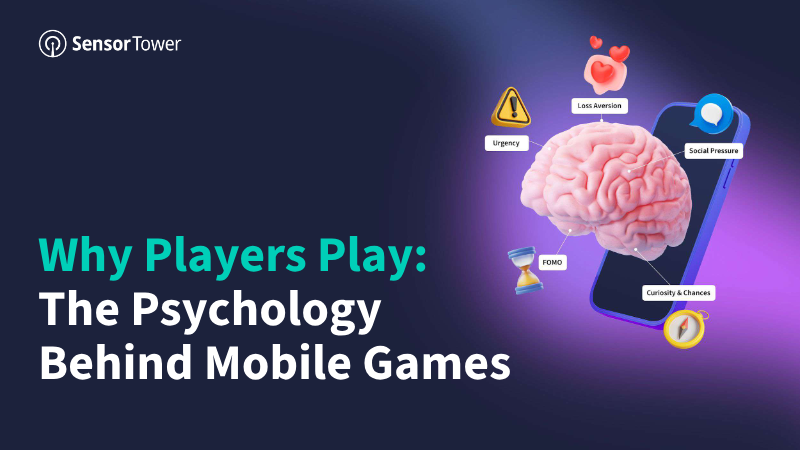
Sensor Tower · 2026
Anzu · 2026

Newzoo · 2026
Telekom Malaysia · 2026
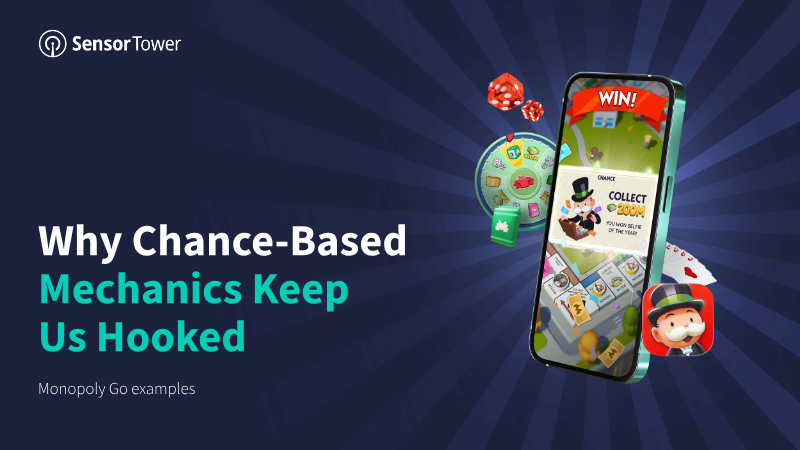
Sensor Tower · 2026
Newzoo · 2025
AppMagic · 2025

Newzoo · 2025

Newzoo · 2025

PlaySafe ID · 2025