
ArticleSuperJoost
Video Game Extremism: Digital Hives of Scum and Villainy
22 Sept 2022~9 min full read
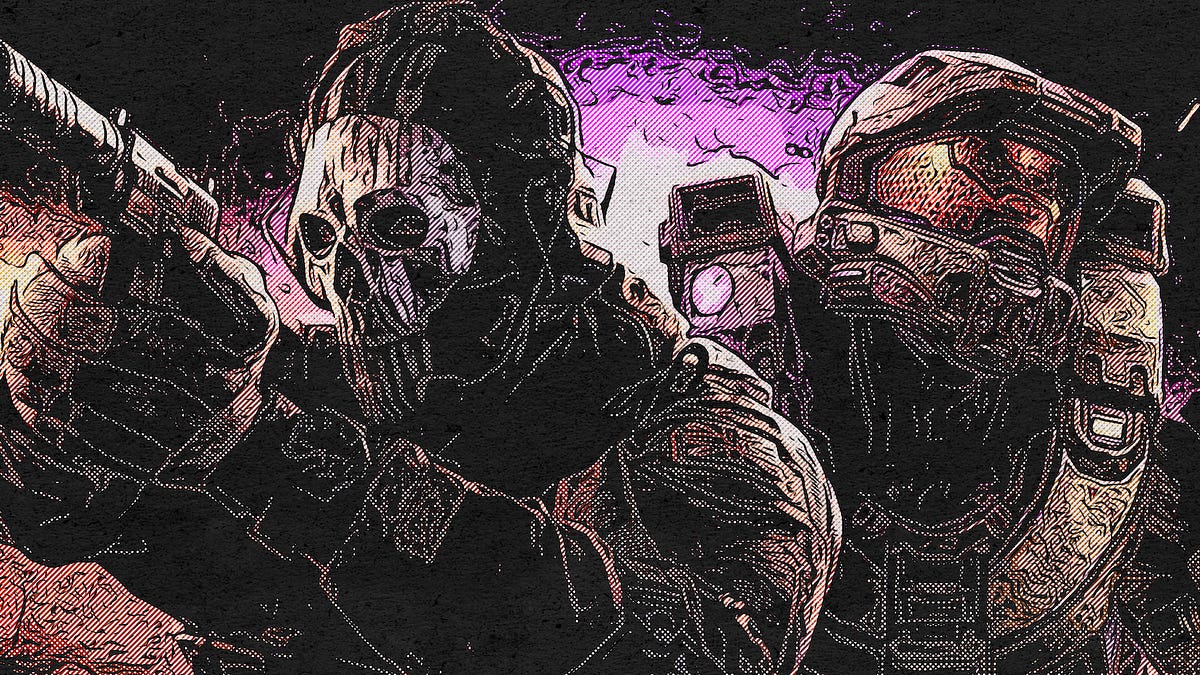
This analysis explores the intersection of digital gaming spaces and political extremism, specifically focusing on how online platforms may facilitate radicalization. The primary thesis suggests that while video games are not "linear brainwashing machines," they provide fertile ground for social-emotional bonding among individuals who already hold extremist leanings. By offering a playful setting for the normalization of far-right ideologies, these digital environments allow for non-linear dissemination of fascism and antagonistic populism.
The scope of the discussion is international, highlighting a $700,000 grant from the U.S. Department of Homeland Security to study extremist exploitation in gaming, alongside research from Germany’s Competence Center Against Extremism. Data from Germany indicates a 27 percent increase in politically motivated criminal offenses by right-wing extremists over the past 14 years, prompting increased government vigilance. The analysis notes that while there is little evidence of strategic, top-down recruitment campaigns by far-right organizations, multi-directional social networking—where potential recruits actively seek out like-minded communities—is prevalent.
Beyond extremism, the industry outlook covers significant market disruptions and technological shifts. This includes the major security breach at Rockstar Games involving leaked Grand Theft Auto VI footage, which is expected to increase development costs and delay marketing timelines. Additionally, the launch of Unity’s multiplayer gaming services signifies a strategic move to lower technical barriers for developers, potentially challenging Epic Games' dominance in the battle royale and cross-play segments. The overarching conclusion suggests that as social lives increasingly migrate to digital worlds like Roblox and Fortnite, these "digital hives" will face heightened scrutiny from both parents and policymakers.
SuperJoost · 2026

SuperJoost · 2026
SuperJoost · 2026
SuperJoost · 2026
SuperJoost · 2026
SuperJoost · 2026
SuperJoost · 2026

SuperJoost · 2026

SuperJoost · 2026
SuperJoost · 2026

SuperJoost · 2026
SuperJoost · 2026

Niko Partners · 2026
Bryter · 2026
GameAnalytics · 2026
Poki · 2026

Sensor Tower · 2026
Anzu · 2026
Newzoo · 2026
Poki · 2026
Sensor Tower · 2025
AppMagic · 2025
Newzoo · 2025

Appodeal · 2025