
ArticleSuperJoost
Ubisoft Defies Market: Making Games Means Building Audiences
5 Dec 2024~8 min full read
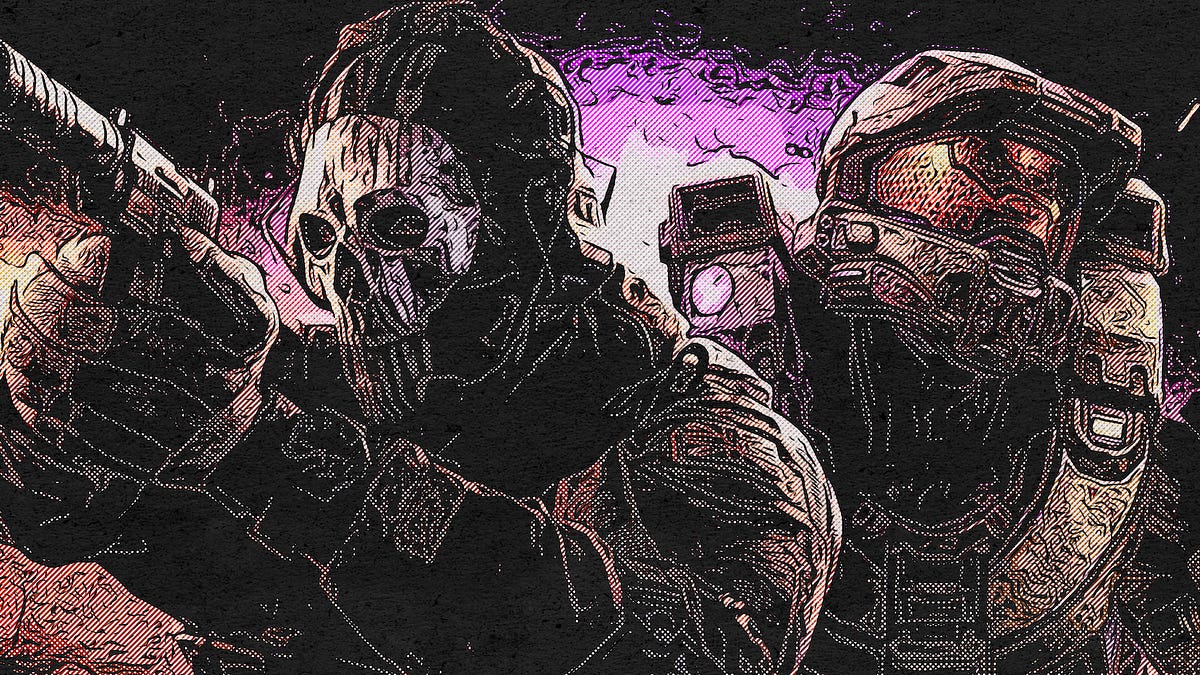
Ubisoft is currently facing a significant structural crisis characterized by the cancellation of the free-to-play shooter XDefiant and the layoff of 277 employees. Despite an initial surge of 11 million players, XDefiant suffered a rapid collapse in engagement, with Twitch viewership falling from a peak of 204,000 to just 2,700 in six months. This failure, alongside the underperformance of Star Wars Outlaws and the delay of Assassin’s Creed Shadows, suggests a deeper organizational inability to transition from a content-shoveling model to a community-focused live-service strategy. Internal reports indicate that leadership may have suppressed critical analytics, prioritizing new content over fundamental player concerns and social engagement.
The broader market context reveals a challenging environment where even platform holders like Microsoft and Sony have faced studio shutdowns. However, Ubisoft is uniquely vulnerable due to its lack of diversified revenue streams. With its share price dropping over 50% year-over-year, the company is positioned as a likely target for privatization or dismantling in 2025. While the firm hopes Assassin’s Creed Shadows will restore its standing, it faces intense competition from titles like Ghost of Yotei and a general erosion of player trust.
In contrast, other European entities like CD Projekt are navigating the market by pivoting toward a franchise flywheel strategy. Despite a 49% revenue decline following the tapering of Cyberpunk 2077 sales, CD Projekt remains profitable through disciplined cost management and a 391% increase in R&D for future projects. Regional data from the UK’s Ofcom Online Nation 2024 report further highlights shifting consumer habits, noting that 36% of gamers now use subscriptions. Notably, Ubisoft’s subscription service ranks last in popularity in the UK, trailing behind even Netflix Games, underscoring the company's struggle to capture modern audience interest across both software and distribution platforms.
SuperJoost · 2026

SuperJoost · 2026
SuperJoost · 2026

SuperJoost · 2026
SuperJoost · 2026
SuperJoost · 2026
SuperJoost · 2026

SuperJoost · 2026

SuperJoost · 2026
SuperJoost · 2026

SuperJoost · 2026
SuperJoost · 2026

Niko Partners · 2026
Bryter · 2026

GameAnalytics · 2026

Poki · 2026

Sensor Tower · 2026
Anzu · 2026

Newzoo · 2026

Poki · 2026

Sensor Tower · 2025
AppMagic · 2025
Newzoo · 2025

Appodeal · 2025