The global games industry is currently navigating a "shortage economy" characterized by severe supply chain disruptions and hardware component scarcities. While the industry has transitioned significantly toward digital distribution, the physical sector—including consoles, accessories, and peripherals—faces a critical bottleneck. Shipping times from China have nearly tripled from 37 to 110 days, while container costs have increased tenfold compared to pre-pandemic levels. These logistical hurdles are compounded by labor shortages in domestic trucking and rail sectors.
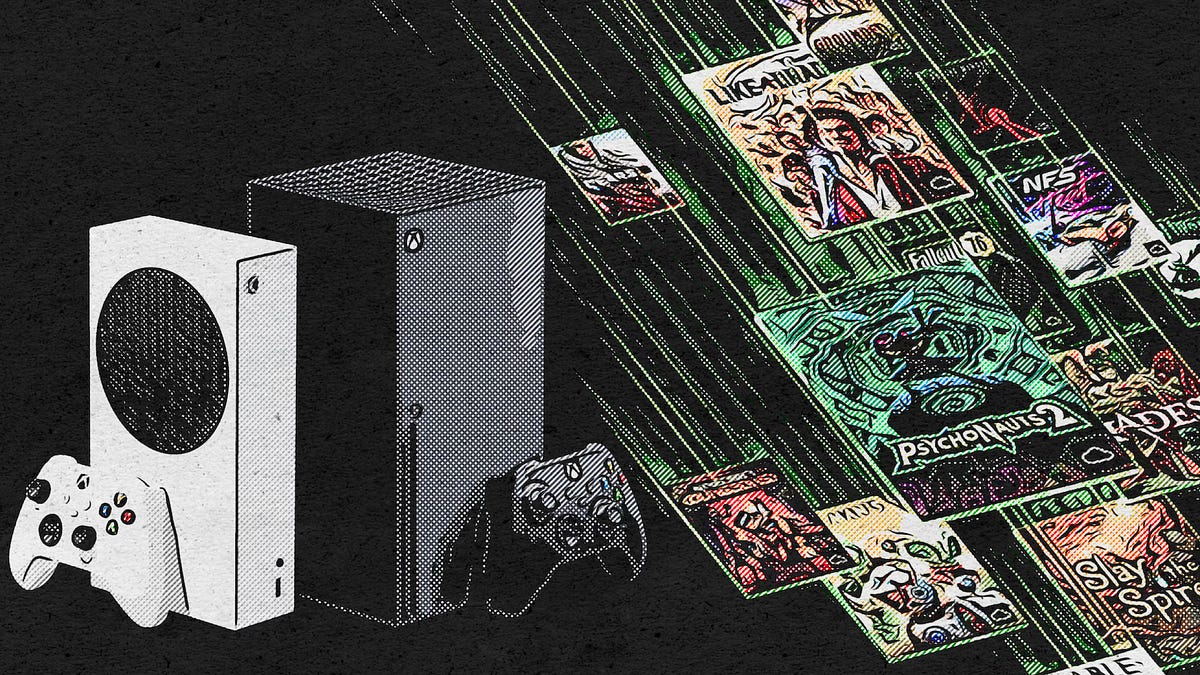
This supply crisis coincides with unprecedented consumer demand. Global stimulus efforts have driven a 26% year-over-year increase in leisure equipment spending. Hardware sales for the PlayStation 5 and Xbox Series X/S have broken records, yet manufacturers cannot meet the surge in orders due to the persistent global chip shortage. Consequently, market analysts have lowered price targets for hardware-centric firms like Corsair, while companies with diversified digital revenue streams, such as Logitech, appear better insulated. To mitigate these risks, publishers are increasingly exploring domestic manufacturing and Latin American production hubs to bypass maritime delays.
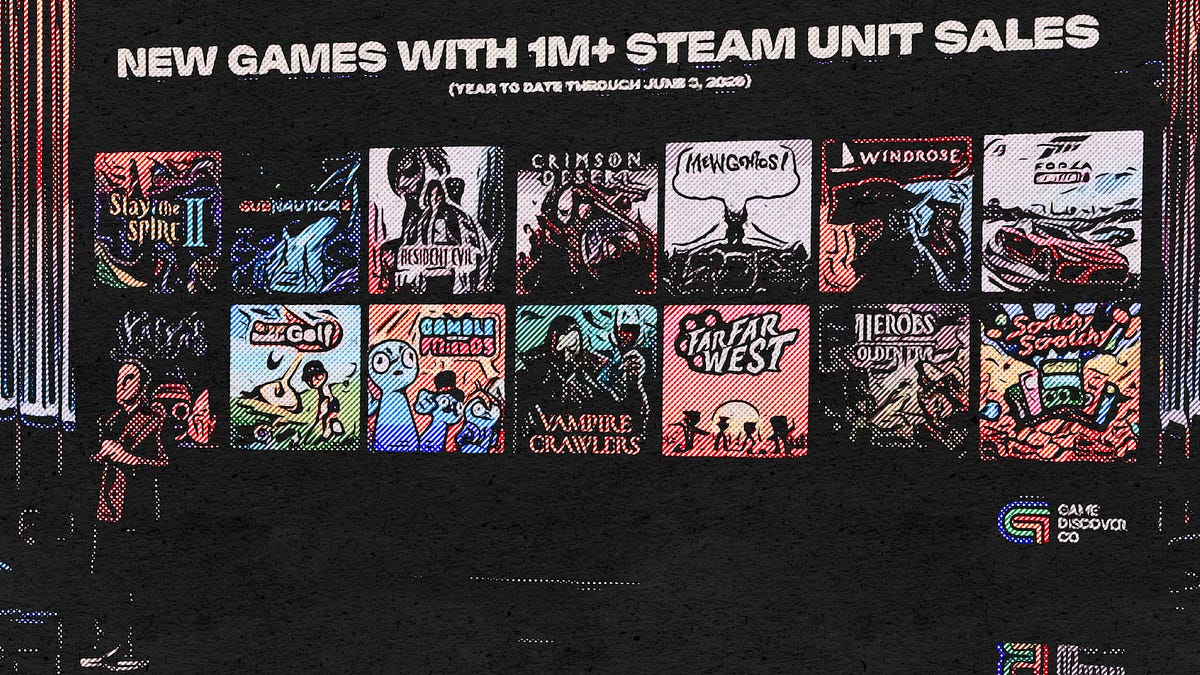
The industry is also witnessing a strategic divide regarding emerging technologies. Valve recently banned blockchain and NFT-based applications from Steam, significantly limiting the addressable market for crypto-games and stripping the sector of a vital validation source. Despite this setback, venture capital continues to flood the blockchain gaming space, with firms like Animoca and Galaxy Interactive raising hundreds of millions of dollars. However, the sector remains "capital rich but talent starving," struggling with high entry barriers and a lack of institutional game development knowledge. Other notable shifts include Microsoft missing its Game Pass subscriber growth targets and Sony offloading non-core assets, such as GSN Games, to focus on its primary strengths.