
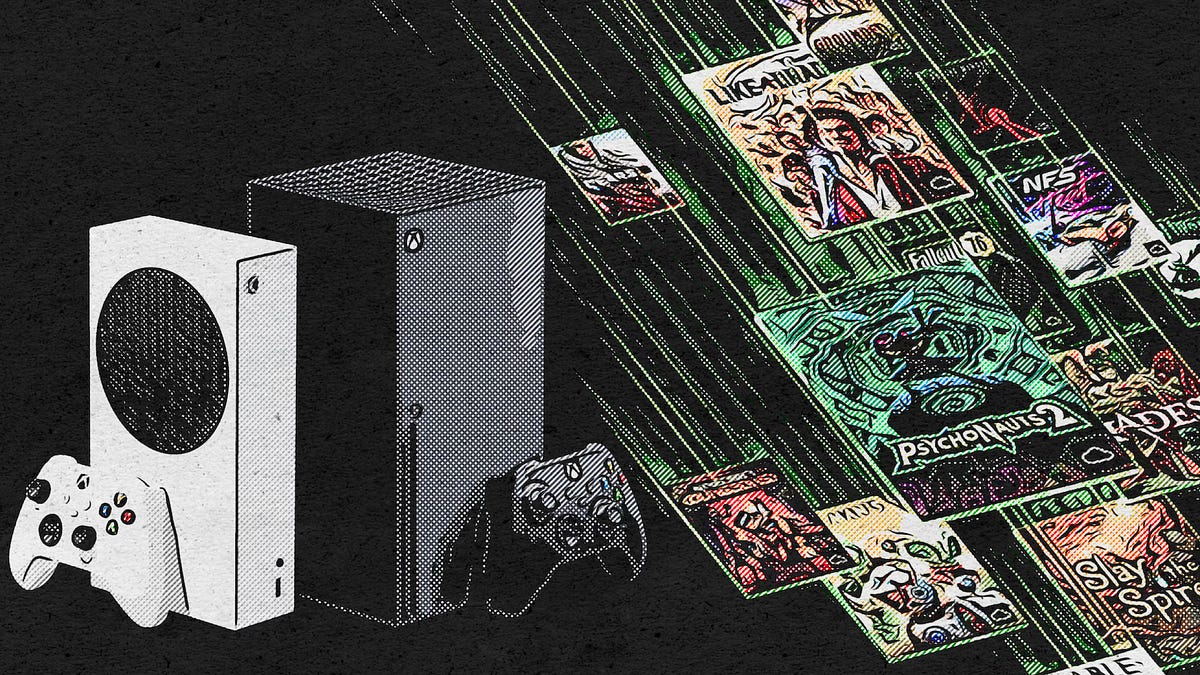
This analysis examines the evolving negotiations between Sony and Microsoft regarding the acquisition of Activision Blizzard, specifically focusing on the future of the Call of Duty franchise. The central thesis suggests that despite a period of public friction, both parties are moving toward a resolution driven by regulatory pressure and the mutual necessity of a licensing agreement. The scope is global, focusing on the intersection of the console market and cloud gaming, with specific attention to regulatory bodies in the United Kingdom (CMA), the United States (FTC), and the European Union.
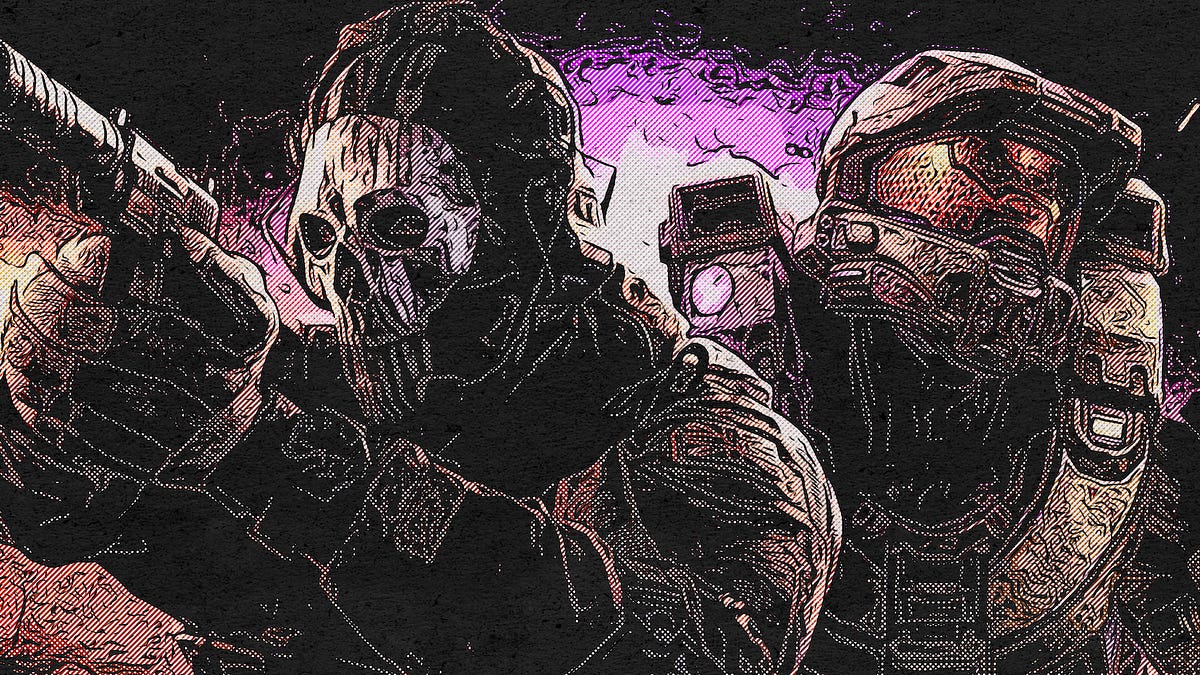
Key findings indicate a significant shift in the corporate relationship, evidenced by reports of Sony executives visiting Microsoft’s headquarters for the first time in 18 months. Data from a CMA-commissioned survey of UK gamers highlights the potential market impact of the merger, revealing that 21 percent of PlayStation users would stop playing Call of Duty if it became an Xbox exclusive, while 15 percent would switch consoles entirely. These figures suggest a relatively low conversion rate, potentially easing some antitrust concerns regarding total market foreclosure.
The analysis proposes a dual-remedy framework to satisfy regulators: a behavioral remedy consisting of a long-term Call of Duty licensing agreement between the rivals, and a structural remedy involving the divestiture of Blizzard. This strategy would address concerns regarding Microsoft’s dominance in the cloud ecosystem—given Blizzard’s PC-centric portfolio—while allowing Microsoft to retain Activision’s mobile assets and the core Call of Duty intellectual property. The report concludes that a settlement is increasingly likely as the 2024 expiration of existing licenses approaches and regulatory timelines converge.
SuperJoost · 2026

SuperJoost · 2026
SuperJoost · 2026
SuperJoost · 2026

SuperJoost · 2026
SuperJoost · 2026
SuperJoost · 2026

SuperJoost · 2026

SuperJoost · 2026
SuperJoost · 2026

SuperJoost · 2026
SuperJoost · 2026
DDM · 2024
Frontier Developments
Ubisoft · 2026
Aream & Co · 2026
Drake Star Partners · 2026
Newzoo · 2026
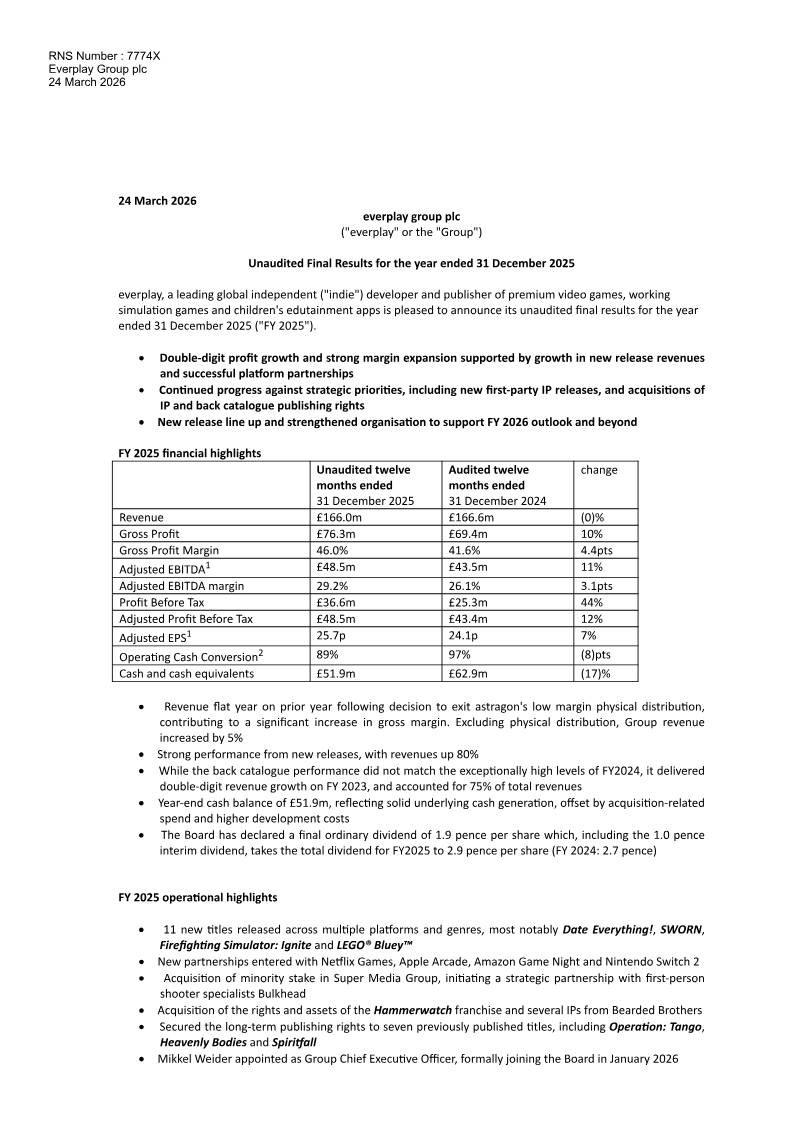
Everplay Group · 2026
Modern Times Group · 2026
Newzoo · 2026
Aream & Co · 2026
Take-Two Interactive · 2026
Epyllion · 2026