
This analysis provides a retrospective on the video game industry in 2020, a year characterized by significant market growth and shifting business models amid global volatility. The central thesis posits that while the pandemic accelerated existing trends, the industry’s long-term trajectory is being shaped by the rise of user-generated content, the emergence of the metaverse as a core concept, and the ongoing struggle of Big Tech to successfully integrate into the gaming landscape.
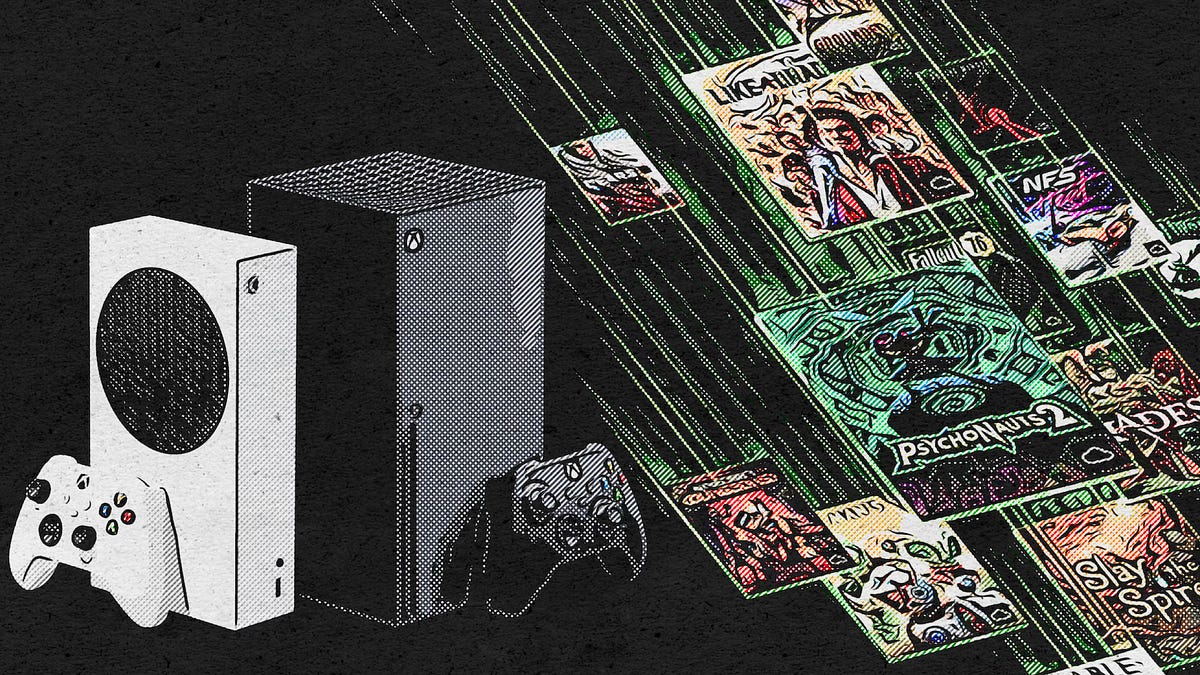
Key findings highlight the divergent strategies of major console manufacturers: Nintendo exceeded expectations through hardware sales, Sony focused on high-quality exclusive content, and Microsoft transitioned toward a future-proofed, service-oriented business model. The year was also marked by high-profile corporate conflicts and market volatility, specifically the legal battle between Epic Games and Apple over platform economics and the troubled launch of Cyberpunk 2077. The latter resulted in CD Projekt Red disclosing specific sell-through data to stabilize investor confidence as analysts lowered sales expectations by 25% due to technical failures.
The scope of the analysis covers global industry segments including cloud gaming, mobile platforms, and social infrastructure. Data points emphasize a surge in investment and consolidation, such as Discord’s $7 billion valuation and Tencent’s $1.5 billion acquisition of Leyou. Regarding emerging technology, cloud gaming services like Google Stadia and Amazon Luna are identified as functional but currently limited by a lack of cloud-first software and ergonomic hardware solutions. The methodology relies on a synthesis of market performance data, corporate financial reports, and expert commentary on the evolving relationship between players, creators, and platform holders.
SuperJoost · 2026

SuperJoost · 2026
SuperJoost · 2026

SuperJoost · 2026

SuperJoost · 2026

SuperJoost · 2026
SuperJoost · 2026

SuperJoost · 2026

SuperJoost · 2026
SuperJoost · 2026

SuperJoost · 2026
SuperJoost · 2026
Room 8 Group · 2025
Game Developer Collective · 2024
PitchBook · 2023

Ampere Analysis · 2023
Newzoo · 2023
Xsolla · 2023
Newzoo · 2022
Newzoo · 2022
Newzoo · 2022
Newzoo · 2022
Newzoo · 2021
Game Developers Conference · 2020