
This analysis examines the current state of the global video game industry, focusing on a period of intense corporate restructuring and shifting consumer habits. The primary thesis suggests that the industry has entered a phase of "retrenchment," where major publishers are abandoning aggressive expansion in favor of protecting margins and focusing exclusively on established, high-value franchises. This shift is driven by a cooling market and the need to service debt accumulated during the 2020 investment boom.
Key findings highlight significant volatility among industry leaders. Microsoft’s gaming division, now the third-largest globally with $23 billion in annual revenue, recently shuttered four Bethesda studios, including Tango Gameworks, despite the critical success of its title Hi-Fi Rush. This move underscores a trend where commercial viability and margin improvement take precedence over creative innovation. Similarly, the Swedish conglomerate Embracer Group is dismantling its empire into three separate entities—Asmodee, Coffee Stain & Friends, and Middle-earth Enterprises—to manage a massive debt load after failing to find buyers for its diverse IP catalog.
The scope of the analysis covers major global players including Microsoft, Nintendo, and Electronic Arts, while also touching on broader media trends. Data indicates that while overall US print book sales fell 3% to 767 million units, young-adult fiction is growing, fueled by digital communities like BookTok. In the hardware sector, Nintendo reported a decline in Switch sales to 15.7 million units as it prepares for a successor console. Meanwhile, Electronic Arts reported $7.6 billion in annual revenue, relying heavily on live-service successes like FC Ultimate Team and Apex Legends to offset a lack of major new releases.
The methodology relies on a synthesis of corporate earnings reports, financial guidance from firms like Morgan Stanley and Circana, and recent industry news. The overarching conclusion is that the gaming sector is currently prioritizing "winners" and safe bets to navigate a modest consumer spending environment, leading to a predictable but devastating cycle of layoffs and studio closures.
SuperJoost · 2026

SuperJoost · 2026
SuperJoost · 2026
SuperJoost · 2026
SuperJoost · 2026
SuperJoost · 2026
SuperJoost · 2026

SuperJoost · 2026
SuperJoost · 2026
SuperJoost · 2026
SuperJoost · 2026
SuperJoost · 2026
Koei Tecmo · 2024
Game Developers Conference · 2024
Drake Star Partners · 2026

Aream & Co · 2026
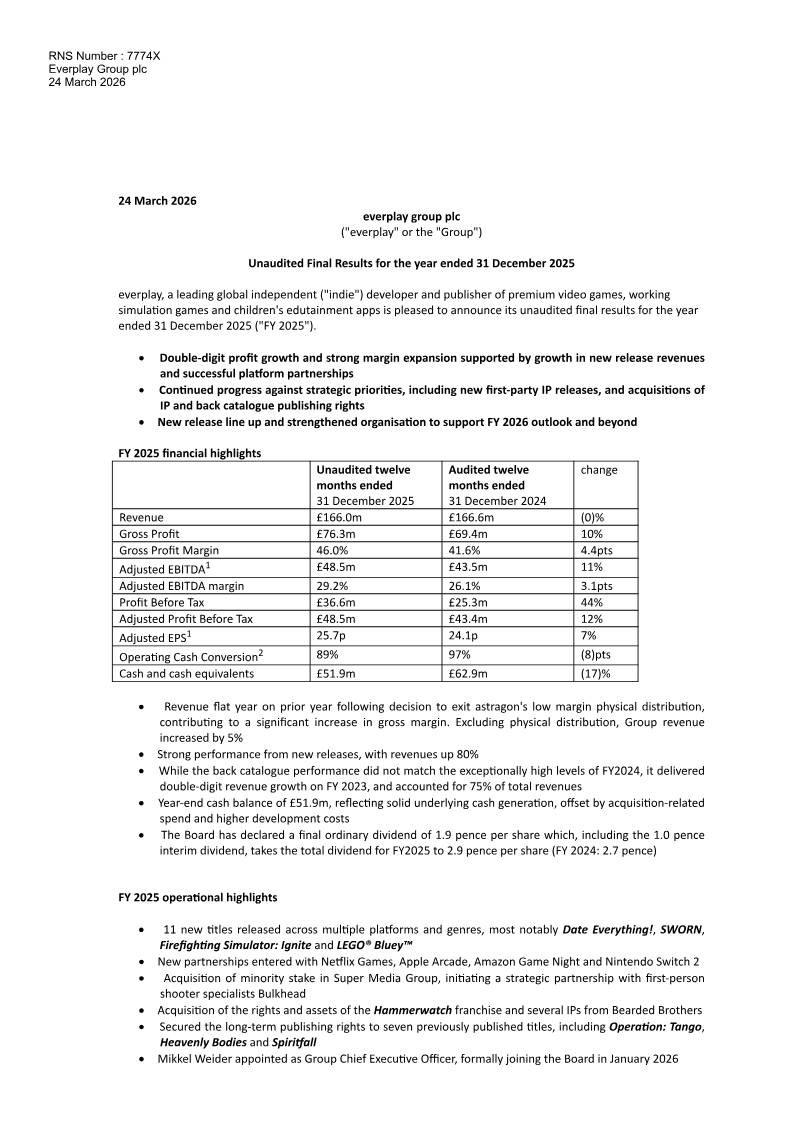
Everplay Group · 2026
Modern Times Group · 2026
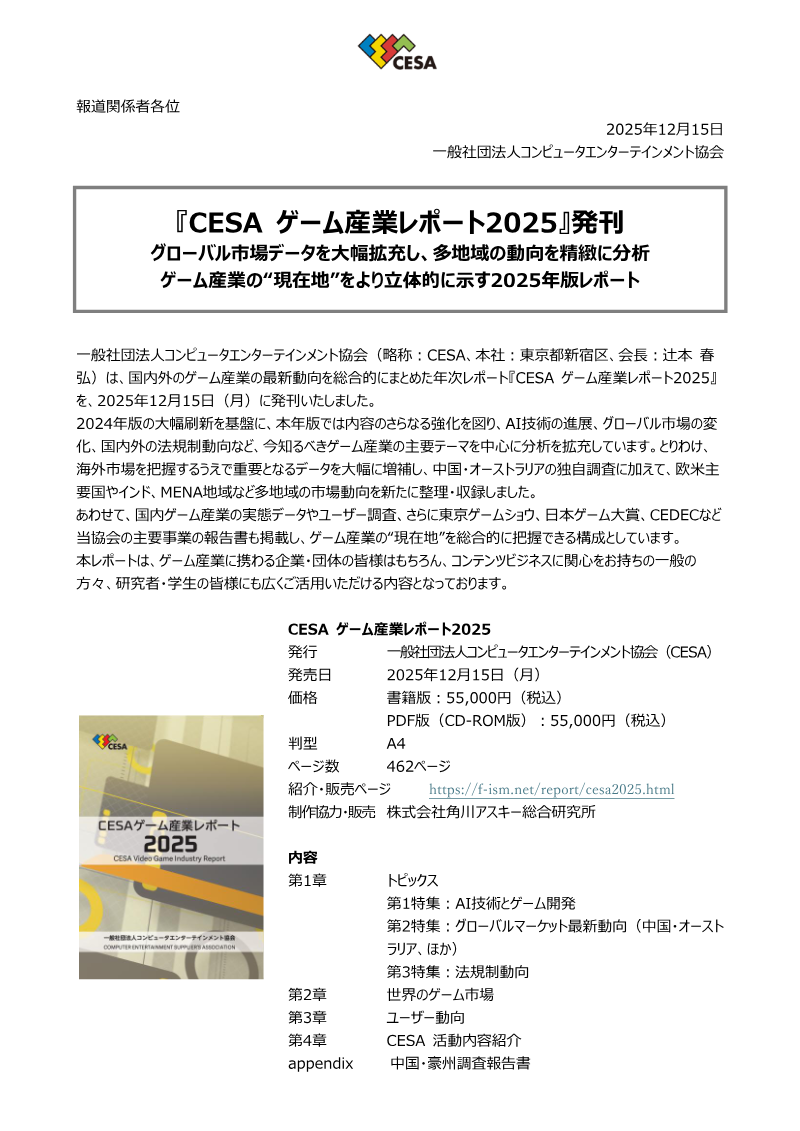
CESA – Computer Entertainment Supplier's Association · 2025
Drake Star Partners · 2025
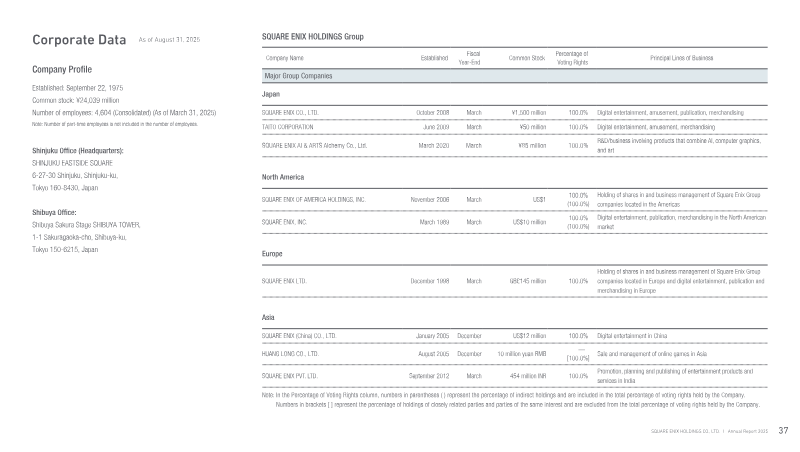
Square Enix · 2025
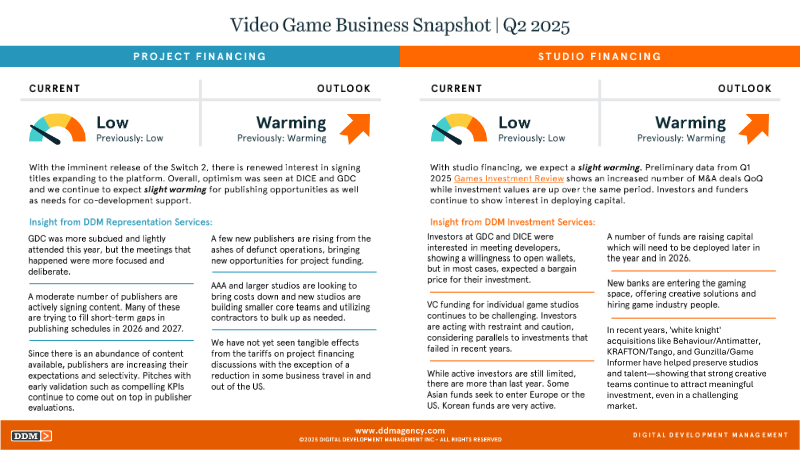
DDM · 2025
Drake Star Partners · 2025
Drake Star Partners · 2025