
ArticleSuperJoost
Nadella's Endgame: Spending $1.3 Million to Obtain a $69 Billion Asset
29 Jun 2023~8 min full read
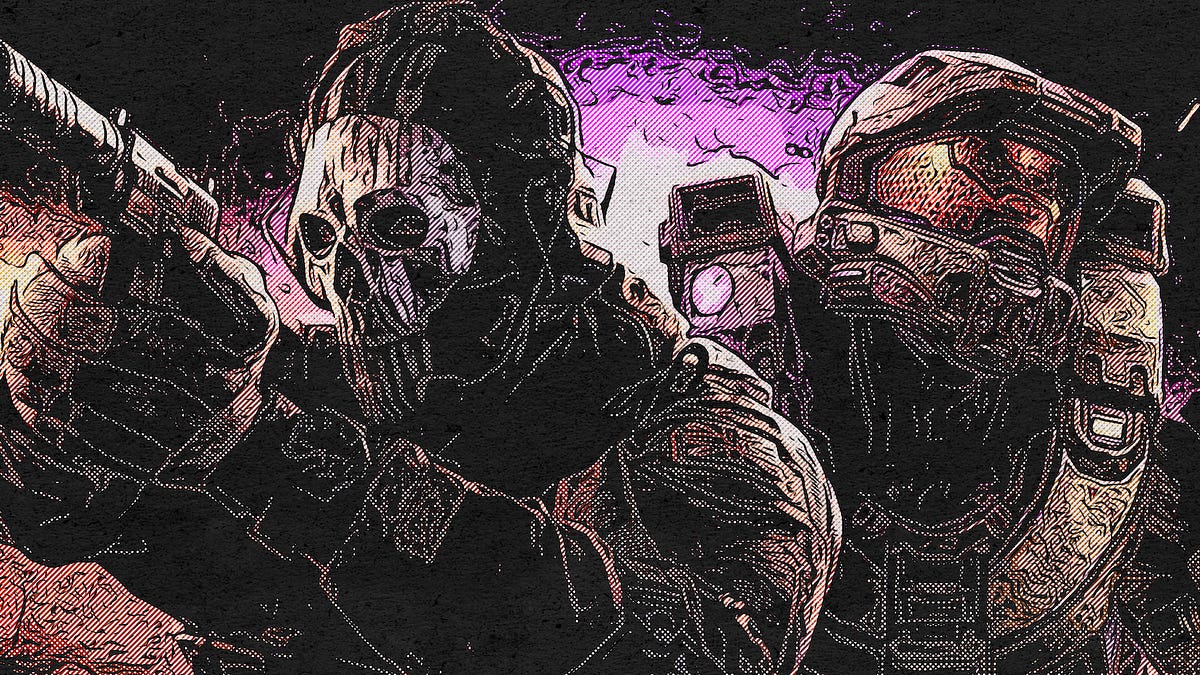
The Federal Trade Commission’s legal challenge against Microsoft’s $69 billion acquisition of Activision Blizzard faces significant hurdles due to a failure to account for the modern gaming landscape. Analysis of the court proceedings suggests that the commission’s market definition is overly narrow, focusing primarily on high-end consoles while ignoring the critical mobile gaming sector. Specifically, the FTC’s expert testimony failed to adequately address the role of King Digital, an Activision subsidiary that would increase Microsoft’s mobile market share from 0.3 percent to 3.8 percent, providing a necessary foothold in the mobile duopoly.
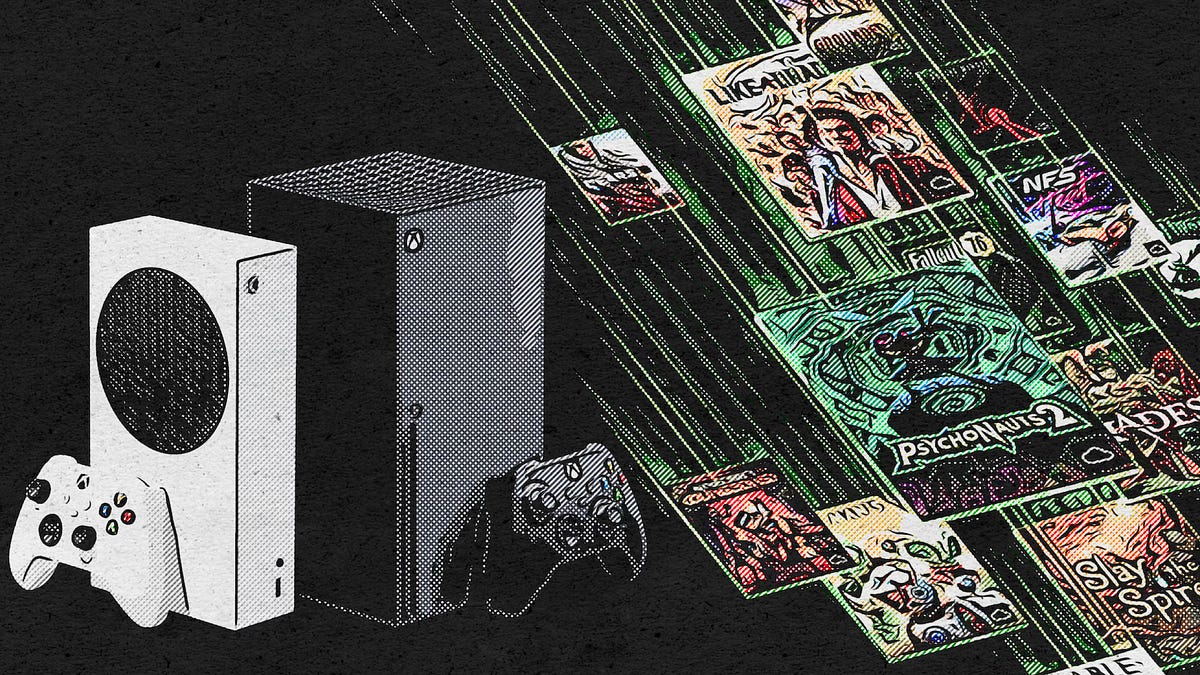
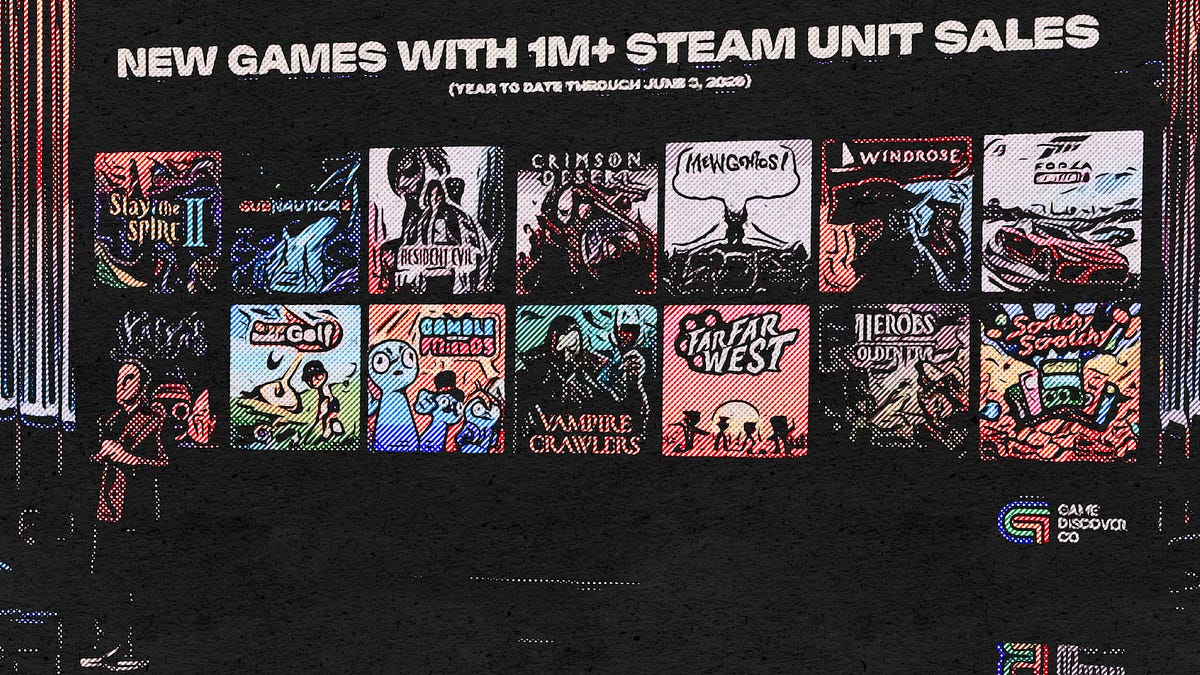
The proceedings highlight a disconnect between regulatory theory and industry reality. While the FTC argues that making franchises like Call of Duty exclusive would harm competition, evidence from platforms like Nintendo and Steam suggests that major hardware and software ecosystems can thrive without such titles. Furthermore, the transition of the industry toward free-to-play, live-service models differentiates gaming from the subscription-based crises seen in Hollywood. Unlike film, where content is consumed once, modern gaming relies on long-term social environments and continuous updates, making legacy antitrust frameworks less applicable.
Beyond the Microsoft merger, the broader industry is experiencing shifts in monetization and technology. High-profile expert witnesses, such as Dr. Carlton, who received $1.3 million in fees from Microsoft, underscore the resource disparity between trillion-dollar firms and regulators. Meanwhile, the sector is seeing continued investment in blockchain gaming, with Mythical Games raising $37 million despite technical hurdles, and a surge in AI-driven development tools, as evidenced by Unity’s recent marketplace launch and subsequent 15 percent stock increase. These trends indicate an industry in rapid transition, moving toward integrated digital economies and AI-accelerated production.

SuperJoost · 2026

SuperJoost · 2026
SuperJoost · 2026
SuperJoost · 2026

SuperJoost · 2026

SuperJoost · 2026
SuperJoost · 2026

SuperJoost · 2026

SuperJoost · 2026
SuperJoost · 2026
SuperJoost · 2026
SuperJoost · 2026
Modern Times Group · 2026
GREE · 2017
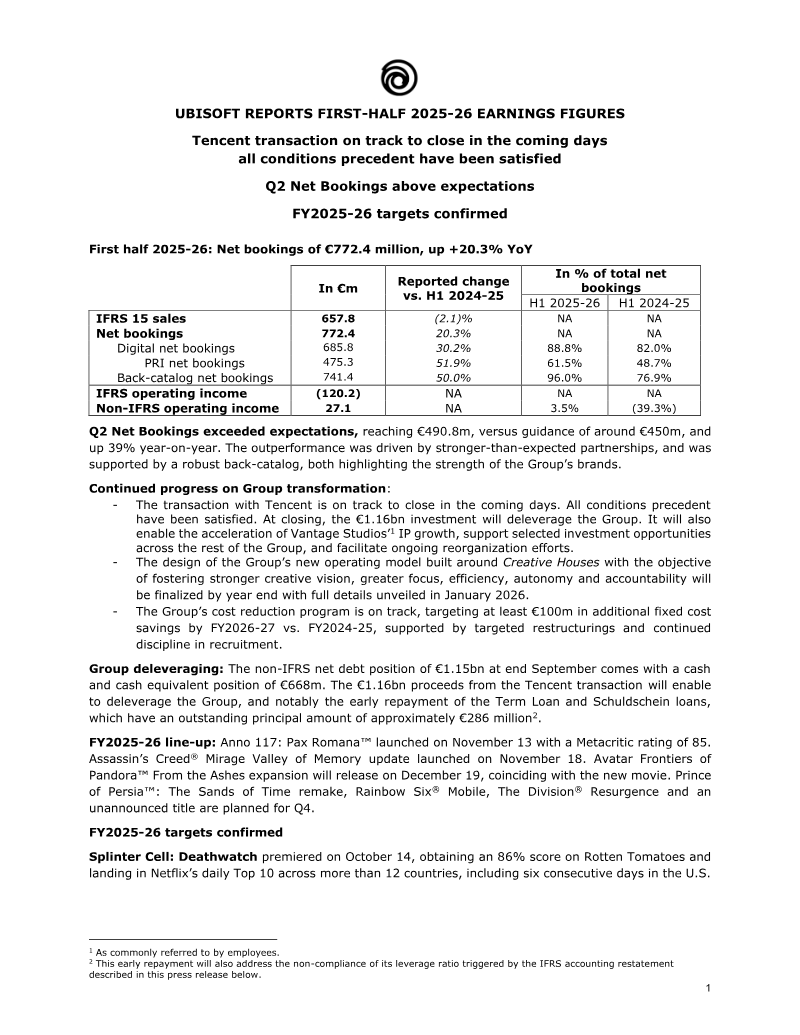
Ubisoft
InvestGame
Almedia · 2026
Gamesight · 2026
Sensor Tower · 2026

Sensor Tower · 2026
AppLovin · 2026
Aream & Co · 2026
Drake Star Partners · 2026

Sensor Tower · 2026