This analysis explores the polarized landscape of Web3 integration in gaming, arguing that the current discourse is trapped between uncritical crypto-enthusiasts and reactionary skeptics. By examining the backlash against Ubisoft’s NFT initiatives and the industry’s inconsistent stance on environmental sustainability, the text posits that a "third way" is necessary—one rooted in empirical data rather than hype or total dismissal.
Key findings from cited network analyses of 6.1 million NFT trades reveal a highly concentrated market where the top 10% of traders perform 85% of all transactions. Furthermore, while high-profile sales capture headlines, 75% of NFTs sell for less than $15, and only 20% of assets ever reach a secondary market. These statistics suggest that the "revolutionary" potential of digital ownership is currently undermined by speculative volatility and a lack of genuine utility for the average player.
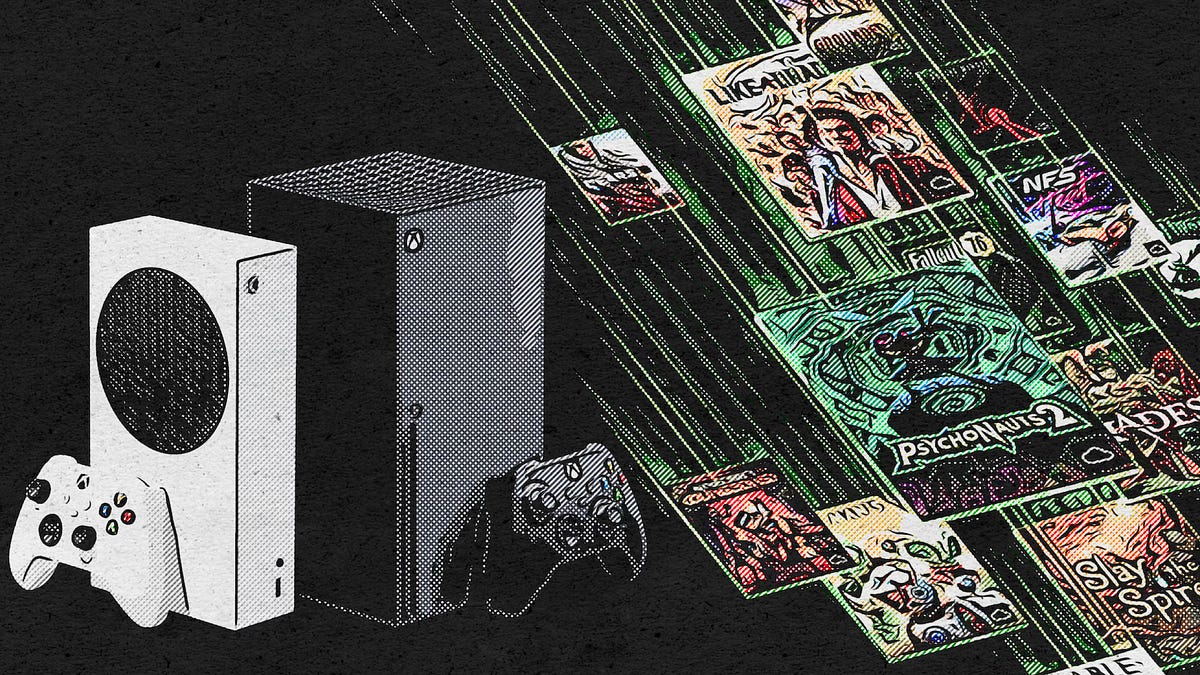
The scope of the analysis extends beyond blockchain to broader industry shifts in the early 2020s, specifically the "subscription wars" and infrastructure vulnerabilities. It highlights Sony’s strategic pivot toward a multi-tiered subscription model to compete with Microsoft’s Game Pass, noting that subscriptions have become a primary proxy for consumer loyalty. Additionally, the text references the impact of hardware supply chain shortages and the fragility of cloud-dependent gaming, as evidenced by major AWS outages affecting titles like League of Legends and Valorant.
Ultimately, the thesis suggests that for Web3 and the metaverse to achieve longevity, the industry must move past "climatological virtue-signaling" and polarized narratives. Success depends on whether legacy publishers can balance decentralized innovation with stable, player-centric value, rather than following the opportunistic patterns of esports organizations or struggling retailers.