
The gaming industry is currently navigating a period of significant structural transition, characterized by legal battles over platform fees, the evolution of mobile franchises, and the reinvention of legacy retail. A primary focus is the escalating conflict between Apple and Epic Games, where Apple’s legal rhetoric characterizes Epic’s challenge as a marketing ploy. However, data suggests Apple’s dominance is disproportionate to its revenue contribution; while mobile accounted for roughly 22% of Fortnite’s 2020 revenue, the platform’s massive install base yields revenue comparable to the Xbox, which has a significantly smaller hardware footprint.
Market dynamics are also shifting for major developers like Supercell, which is expanding the Clash universe into new genres including match-3, auto-chess, and action-RPG. This move reflects a broader industry trend where mobile success now requires a 50/50 split between development and marketing. Simultaneously, the collectibles market is seeing a resurgence through digital transformation, evidenced by the baseball card company Topps going public via a SPAC at a $1.3 billion valuation. This growth is driven by secondary market participation and the potential integration of NFTs across major entertainment licenses.
GameStop serves as a central case study for retail survival in a digital-first era. Despite a 25% share of the U.S. physical software market, the company faces a "midlife crisis" necessitating a pivot toward e-commerce and modernized physical experiences. To fund this transformation, GameStop is raising up to $1 billion through equity sales. Success for the retailer depends on reducing store density, adopting high-end aesthetic standards similar to Apple’s retail model, and deepening engagement with the esports sector to remain relevant to younger demographics. These findings suggest that while traditional models are under pressure, strategic capital raises and brand diversification offer a path toward long-term sustainability.
SuperJoost · 2026

SuperJoost · 2026
SuperJoost · 2026
SuperJoost · 2026
SuperJoost · 2026
SuperJoost · 2026
SuperJoost · 2026

SuperJoost · 2026
SuperJoost · 2026
SuperJoost · 2026
SuperJoost · 2026
SuperJoost · 2026

Almedia · 2026
Sensor Tower · 2026

Sensor Tower · 2026

AppLovin · 2026

Sensor Tower · 2026
Modern Times Group · 2026
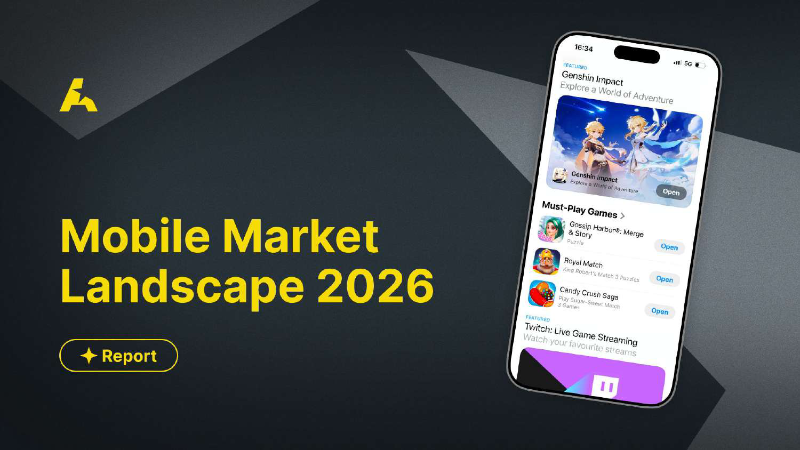
AppMagic · 2026
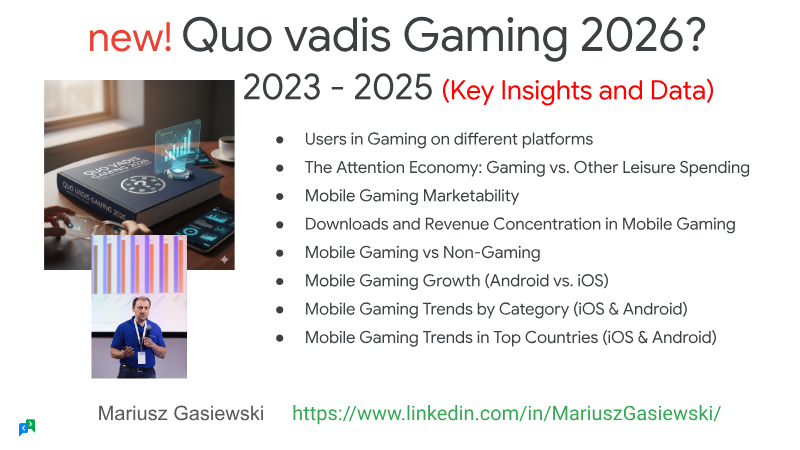
InvestGame · 2026
Coda · 2026

Sensor Tower · 2026
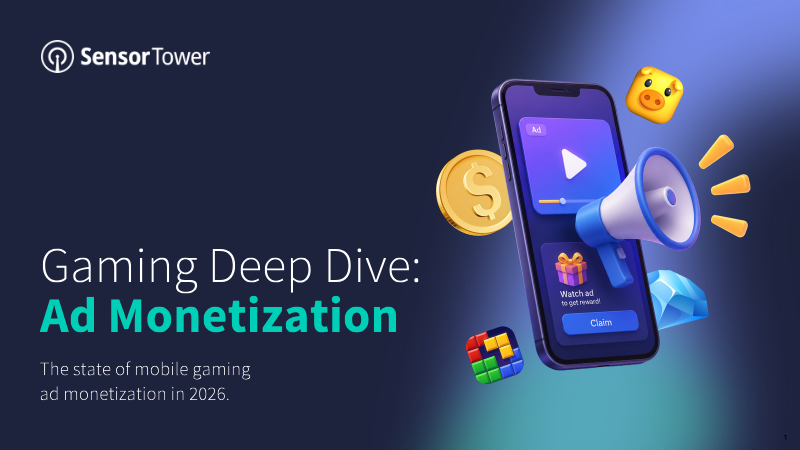
Sensor Tower · 2026
InvestGame · 2025