
The legal and public challenge initiated by Epic Games against Apple and Google highlights a critical inflection point in the mobile gaming industry. The central thesis posits that the current "mobile industrial complex" is a product of both platform overreach and historical industry passivity. By examining the evolution of digital distribution, it is evident that game publishers initially overlooked the long-term consequences of platform intermediation during a period of rapid wealth creation. This mirrors the digital transition of the news industry, where premium content was surrendered to middlemen who eventually consolidated power.
The analysis focuses on the mechanics of platform economics, noting that as digital storefronts achieve market dominance, their governance shifts from supporting developers to prioritizing end-user control and rent-seeking. This transition is characterized by the standard 30% revenue cut, a legacy model that increasingly stifles innovation and reduces margins for small and medium-sized creators. Data from the partnership between Epic and Remedy Entertainment serves as a primary case study, demonstrating that more favorable distribution terms can lead to immediate financial benefits, such as tripled stock prices and increased access to capital, which in turn fosters creative independence.
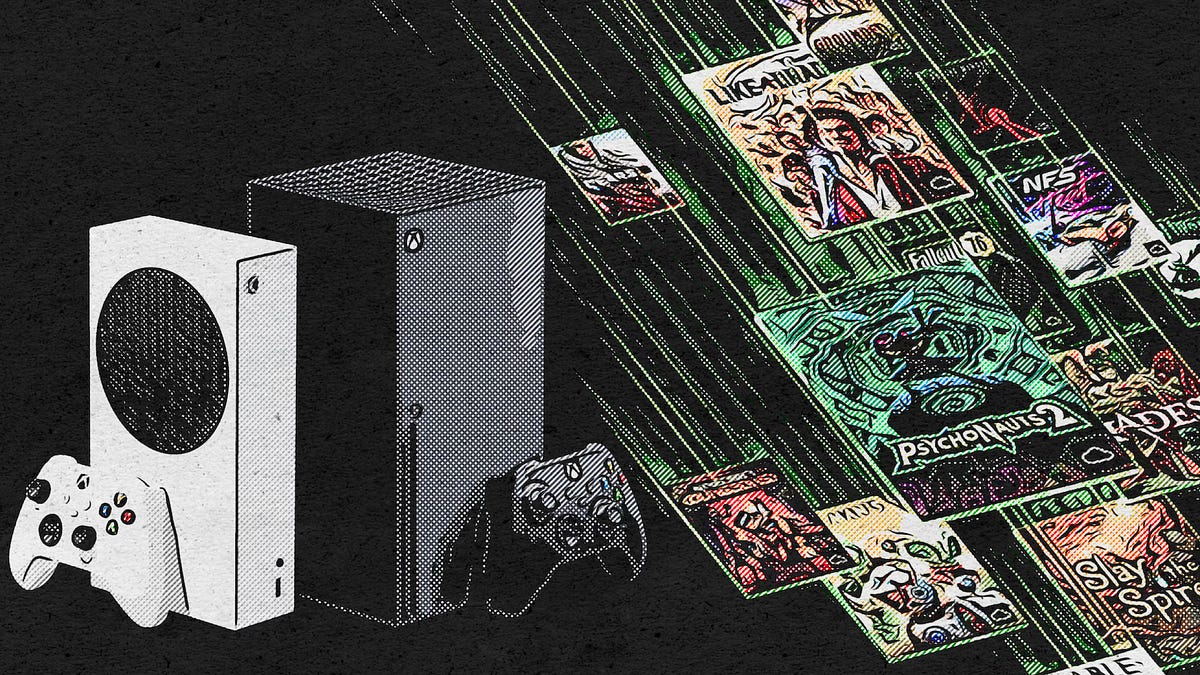
Geographically focused on the global mobile market with specific references to the North American and European sectors, the findings suggest that the 30% fee is becoming unsustainable due to emerging competition. The rise of cloud gaming, the launch of new console generations, and the potential entry of new storefronts from competitors like Amazon create a prisoner’s dilemma for established platforms. Ultimately, the success of Epic’s litigation is secondary to its role in amplifying the argument for reform to regulators and consumers, signaling an inevitable shift toward more competitive and developer-friendly retail models in the gaming industry.
SuperJoost · 2026

SuperJoost · 2026
SuperJoost · 2026
SuperJoost · 2026

SuperJoost · 2026

SuperJoost · 2026
SuperJoost · 2026

SuperJoost · 2026
SuperJoost · 2026
SuperJoost · 2026

SuperJoost · 2026
SuperJoost · 2026

Almedia · 2026

Sensor Tower · 2026

Sensor Tower · 2026
AppLovin · 2026

Sensor Tower · 2026

Modern Times Group · 2026
AppMagic · 2026

InvestGame · 2026
Coda · 2026

Sensor Tower · 2026

Sensor Tower · 2026

InvestGame · 2025